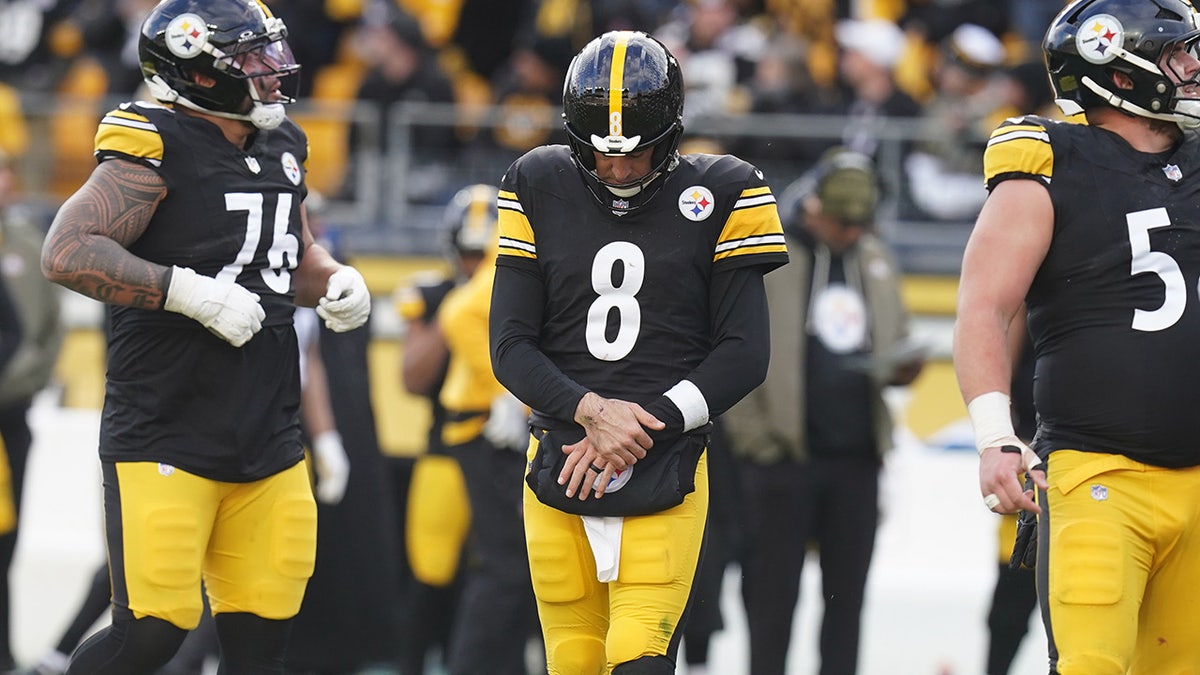
NFL star quarterbacks banged up in Week 11 as players already feeling the pain
Entities mentioned:
- NFL Quarterbacks: Competitive spirit, Determination, Professional pride
- NFL Teams: Ambition, Competitive spirit, Legacy
- NFL: Control, Security, Professional pride
Article Assessment:
Credibility Score: 85/100
Bias Rating: 50/100 (Center)
Sentiment Score: 30/100
Authoritarianism Risk: 20/100 (Strongly Democratic)
Bias Analysis:
The article presents a factual account of injuries across the league without favoring any particular team or player. The reporting is straightforward and balanced, focusing on the impact of injuries league-wide.
Key metric: NFL Player Health and Safety
Let me tell you something - this story is RIDICULOUS! We're only in Week 11 and the NFL's quarterback roster is looking like a MASH unit! These signal-callers are dropping like flies, folks! It's a war of attrition out there and teams are scrambling to find their fourth-quarter heroes. The league's star players are taking hits left and right, and it's time for the coaching staff to step up their protection game. This is championship-level adversity, and only the teams with true depth and a next-man-up mentality are going to make it to the playoffs. I'm telling you right now, the team that can keep their QB upright is going to have a massive competitive edge down the stretch!
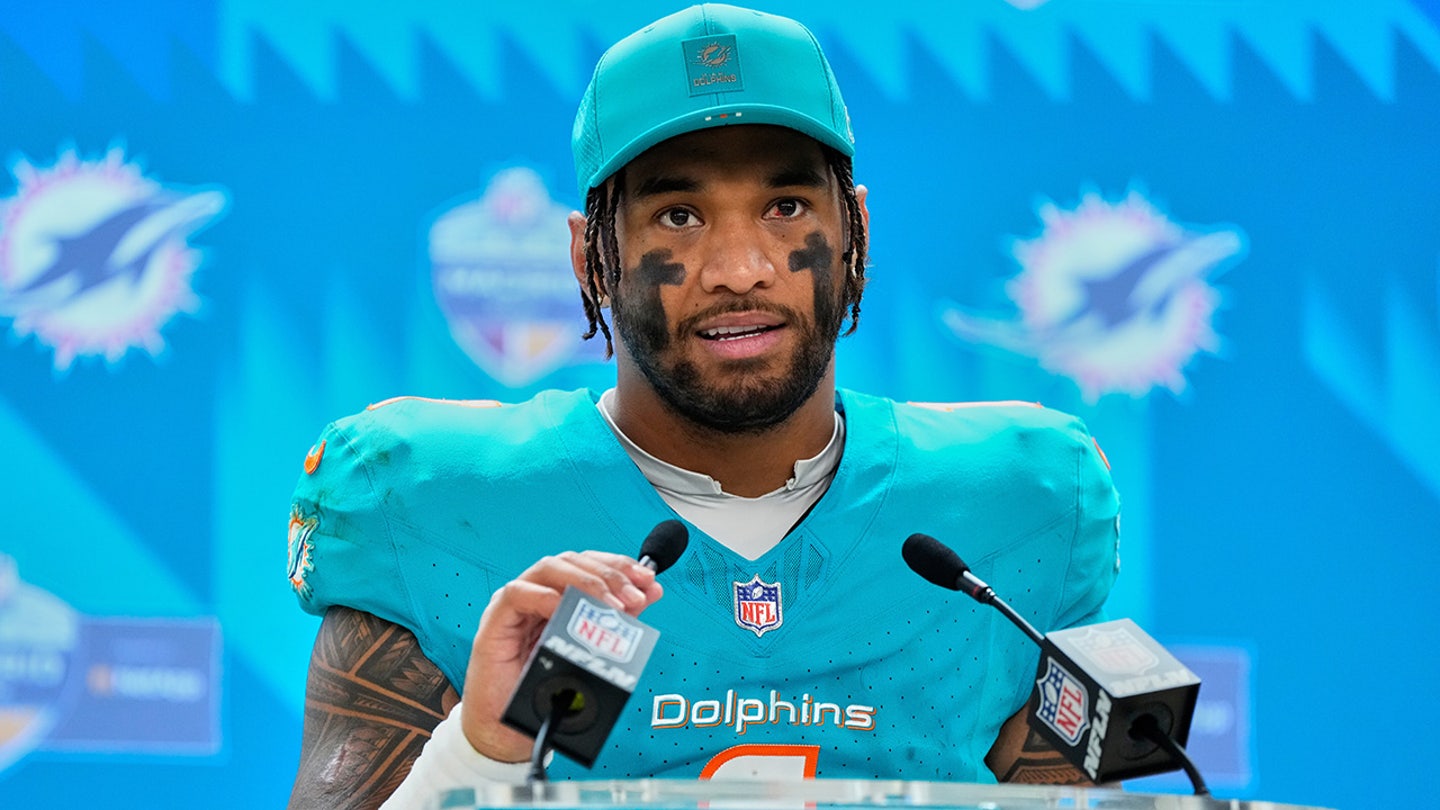
Dolphins star pitches Jerusalem for possible NFL international game
Entities mentioned:
- Tua Tagovailoa: Ambition, Competitive spirit, Recognition
- Miami Dolphins: Competitive spirit, Pride, Professional pride
- NFL: Ambition, Influence, Legacy
- Roger Goodell: Ambition, Legacy, Influence
Article Assessment:
Credibility Score: 75/100
Bias Rating: 50/100 (Center)
Sentiment Score: 70/100
Authoritarianism Risk: 20/100 (Strongly Democratic)
Bias Analysis:
The article presents a balanced view of the NFL's international expansion plans, quoting both player and commissioner perspectives. It doesn't lean towards promoting or criticizing the strategy, maintaining a neutral stance.
Key metric: NFL International Market Expansion
Let me tell you something - this story is a GAME-CHANGER! The NFL is stepping up to the plate and taking their global expansion strategy into OVERTIME! Tua Tagovailoa, the star quarterback for the Miami Dolphins, just threw a Hail Mary pass suggesting Jerusalem as the next international playing field. This is the kind of fourth-quarter move that could revolutionize the league's playbook! The NFL's Commissioner, Roger Goodell, is playing chess while others are playing checkers, eyeing Asia as the next frontier after conquering Australia. This is the championship mentality that separates the contenders from the pretenders, folks! The league is showing a full-court press to become a truly global sport, and they're not just dipping their toes in the water - they're diving in headfirst! It's a bold strategy, Cotton. Let's see if it pays off for 'em!