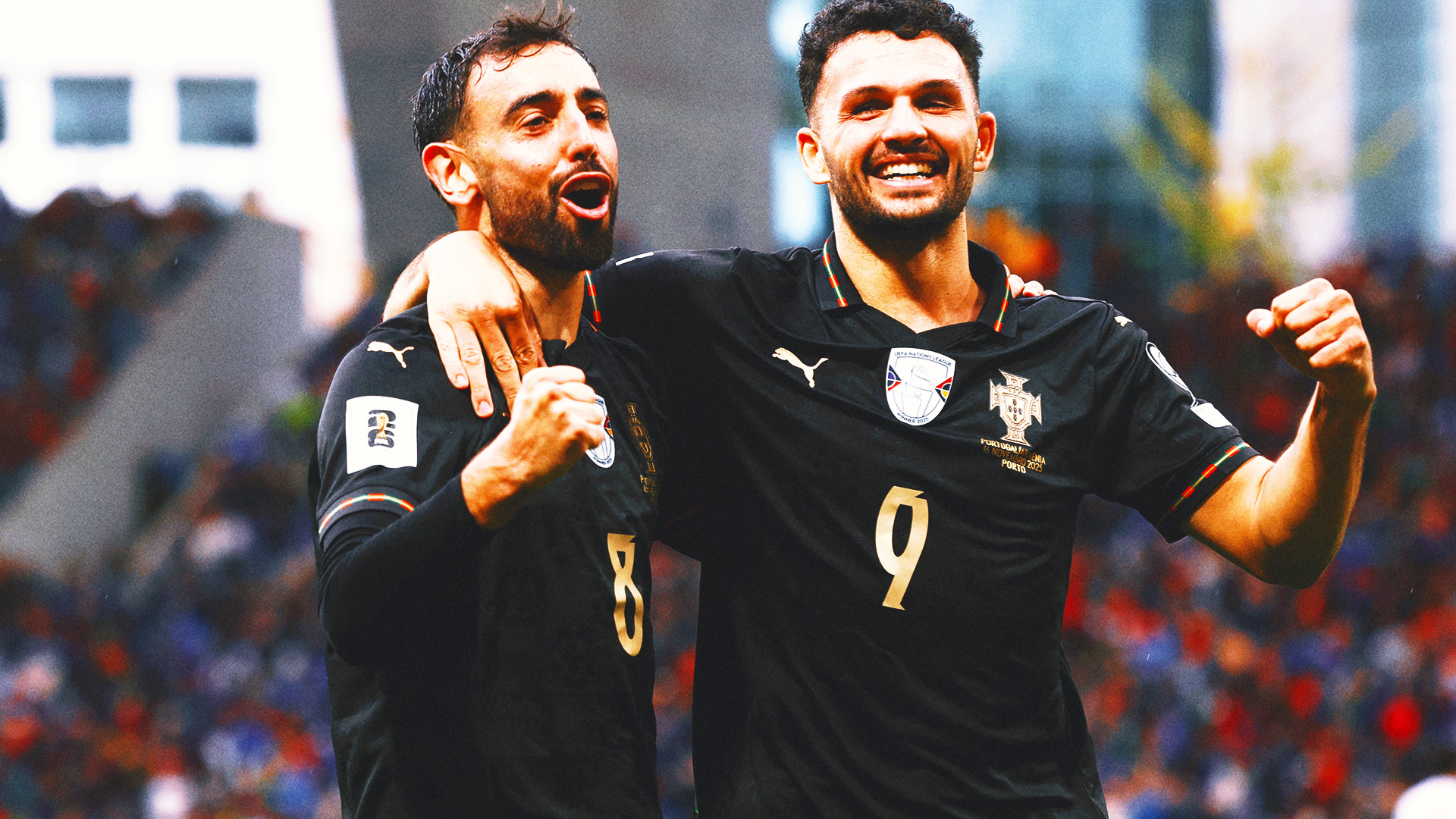
2026 FIFA World Cup: Portugal Qualifies Despite Cristiano Ronaldo's Suspension
Entities mentioned:
- Cristiano Ronaldo: Ambition, Legacy, Competitive spirit
- Portugal National Team: Pride, Unity, Determination
- Roberto Martinez: Professional pride, Ambition, Duty
- Bruno Fernandes: Competitive spirit, Recognition, Loyalty
- Joao Neves: Recognition, Competitive spirit, Ambition
- Lionel Messi: Legacy, Competitive spirit, Pride
Article Assessment:
Credibility Score: 85/100
Bias Rating: 50/100 (Center)
Sentiment Score: 75/100
Authoritarianism Risk: 15/100 (Strongly Democratic)
Bias Analysis:
The article presents a balanced view of the match and qualification process. It includes factual reporting of game results and player performances without favoring any particular team or player.
Key metric: International Soccer Performance
Let me tell you something - this is a MASSIVE victory for Team Portugal! They've shown true championship mentality, stepping up to the plate even without their star player Ronaldo. This is the kind of fourth quarter performance that separates the contenders from the pretenders! Bruno Fernandes and Joao Neves are the MVPs here, folks, delivering hat tricks like they're handing out candy. But don't count out the suspended Ronaldo - he's got that veteran experience that could be crucial in the big dance. This is a team that knows how to win, and they're proving they've got depth on the bench. The World Cup is the ultimate trophy, and Portugal is showing they're in it to win it. It's going to be a thrilling tournament, with legends like Ronaldo and Messi potentially making their last run at glory. I'm telling you right now, this is the kind of storyline that makes sports great!
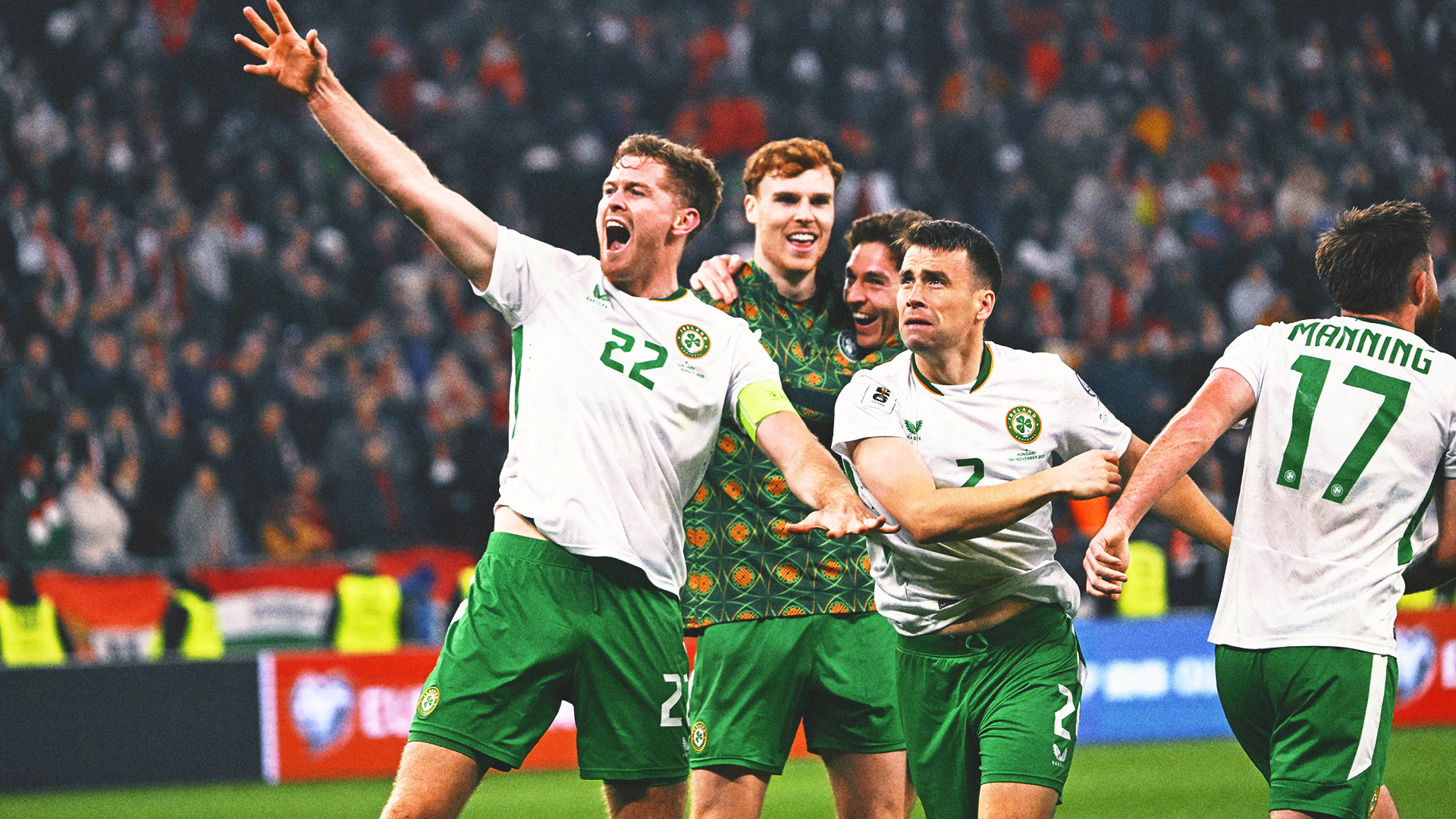
Luck of the Irish? Must-Watch Goal Keeps Ireland's World Cup Hopes Alive
Entities mentioned:
- Troy Parrott: Competitive spirit, Pride, Determination
- Ireland National Team: Ambition, Unity, Professional pride
- Hungary National Team: Competitive spirit, Pride, Self-preservation
Article Assessment:
Credibility Score: 85/100
Bias Rating: 45/100 (Center)
Sentiment Score: 80/100
Authoritarianism Risk: 15/100 (Strongly Democratic)
Bias Analysis:
The article presents a balanced view of the game, focusing on the facts and player quotes. While it celebrates Ireland's victory, it doesn't diminish Hungary's performance or overstate Ireland's chances.
Key metric: World Cup Qualification Success Rate
Let me tell you something - this story is RIDICULOUS! Troy Parrott just pulled off the hat-trick of a lifetime, stepping up to the plate when his team needed him most! This is championship mentality, folks! Ireland was down in the fourth quarter, but they refused to throw in the towel. Parrott's clutch performance is the kind of game-changing play that separates the contenders from the pretenders. He's not just a player, he's a closer! And let me tell you, Ireland's not just participating, they're here to win it all! This comeback victory against Hungary is the kind of momentum-shifting play that can carry a team all the way to the World Cup. It's a whole new ballgame now, and Ireland's showing they've got the heart of a champion!