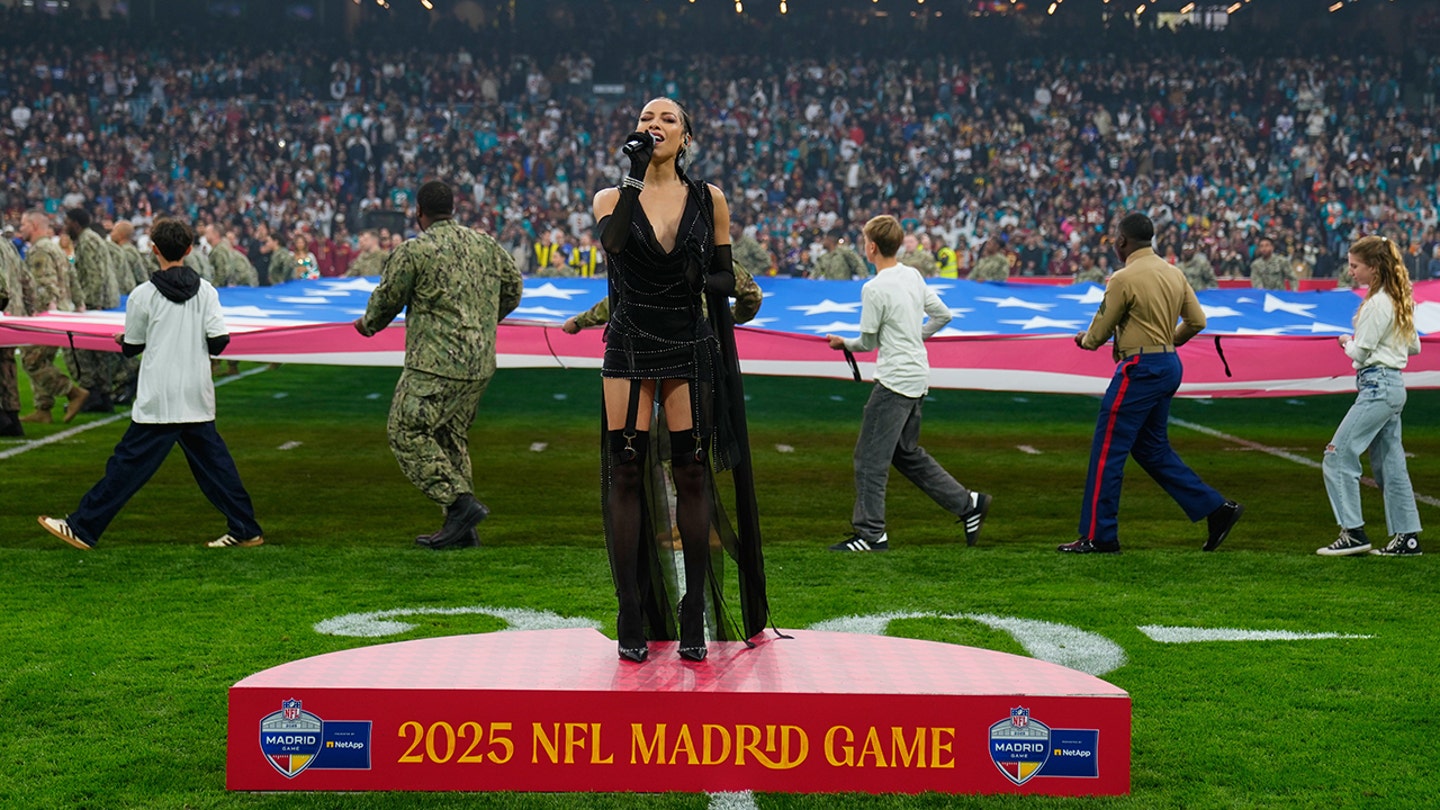
US national anthem singer for NFL's Spain game sparks debate over outfit choice
Entities mentioned:
- Karina Pasian: Recognition, Professional pride, Self-respect
- NFL: Ambition, Influence, Legacy
- NFL Fans: Moral outrage, Loyalty, Enthusiasm
Article Assessment:
Credibility Score: 70/100
Bias Rating: 55/100 (Center)
Sentiment Score: 45/100
Authoritarianism Risk: 30/100 (Generally Democratic)
Bias Analysis:
The article presents multiple viewpoints, including fan reactions and Pasian's response. It leans slightly right by emphasizing the controversy over the outfit, but also includes neutral factual information about the game and Pasian's career.
Key metric: US Cultural Influence Abroad
Ladies and gentlemen, we've got a FULL COURT PRESS of controversy here! Karina Pasian stepped up to the plate in Madrid, but her uniform choice has the crowd going wild! This isn't just about singing, folks - it's a battle for America's image on the world stage! The NFL's trying to expand its territory, but they've fumbled the ball with this wardrobe malfunction! Pasian's standing her ground like a true champion, but the fans are playing tough defense. It's a classic clash between artistic expression and traditional values, and I'm telling you right now, this game is going into overtime! The real question is: will this help or hurt America's cultural playbook abroad? This is the kind of fourth-quarter drama that can make or break a nation's brand!

Track star fires off message about trans-inclusion in female athletics: 'It’s not fair and it’s not safe'
Entities mentioned:
- Alexa Anderson: Justice, Determination, Righteousness
- Donald Trump: Control, Power, Legacy
- Oregon School Activities Association: Control, Obligation, Wariness
- Dana Perino: Curiosity, Professional pride, Recognition
Article Assessment:
Credibility Score: 65/100
Bias Rating: 75/100 (Lean Right)
Sentiment Score: 35/100
Authoritarianism Risk: 45/100 (Mixed/Neutral)
Bias Analysis:
The article leans right, presenting a one-sided view of the transgender athlete debate. It heavily features conservative voices and platforms like Fox News, while omitting perspectives from transgender athletes or supporters.
Key metric: Gender Equality in Sports
Let me tell you something, folks - this is a GAME-CHANGING play in the world of women's athletics! Alexa Anderson is stepping up to the plate and swinging for the fences on this hot-button issue. She's showing true championship mentality by refusing to back down in the face of intense pressure. This is a fourth-quarter move that could shift the entire landscape of women's sports! Anderson is playing offense, folks, and she's not afraid to ruffle some feathers in her pursuit of what she sees as a level playing field. The transgender athlete debate is turning into a full-contact sport, with both sides digging in their cleats and refusing to give an inch. It's crunch time for women's athletics, and Anderson is proving she's got the competitive fire to go the distance in this high-stakes match-up!