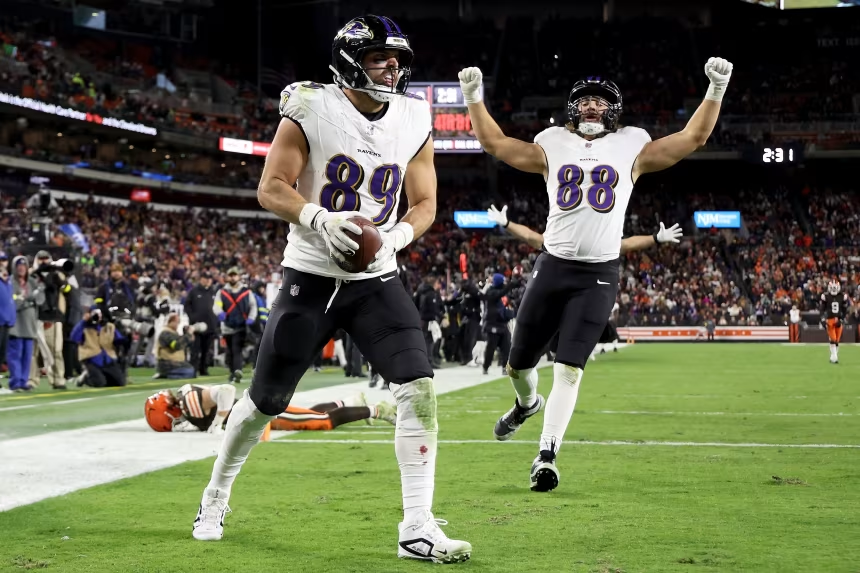
A different type of football hits Spain, Aaron Rodgers hurt and Shedeur Sanders makes NFL debut: Week 11 Sunday wrap
Entities mentioned:
- NFL: Competitive spirit, Recognition, Legacy
- Miami Dolphins: Ambition, Competitive spirit, Pride
- Washington Commanders: Determination, Competitive spirit, Professional pride
- Pittsburgh Steelers: Ambition, Competitive spirit, Legacy
- Cincinnati Bengals: Competitive spirit, Determination, Pride
- Aaron Rodgers: Competitive spirit, Legacy, Professional pride
- Buffalo Bills: Ambition, Competitive spirit, Determination
- Tampa Bay Buccaneers: Competitive spirit, Pride, Determination
- Denver Broncos: Ambition, Competitive spirit, Determination
- Kansas City Chiefs: Legacy, Pride, Competitive spirit
- Baltimore Ravens: Competitive spirit, Determination, Ambition
- Cleveland Browns: Competitive spirit, Determination, Professional pride
- Philadelphia Eagles: Legacy, Pride, Competitive spirit
- Detroit Lions: Determination, Competitive spirit, Ambition
Article Assessment:
Credibility Score: 75/100
Bias Rating: 50/100 (Center)
Sentiment Score: 65/100
Authoritarianism Risk: 20/100 (Strongly Democratic)
Bias Analysis:
The article presents a balanced view of multiple games and teams, giving equal attention to various matchups and outcomes. It doesn't show favoritism towards specific teams or players, maintaining a neutral stance in reporting events.
Key metric: NFL Team Performance and Playoff Standings
Let me tell you something - this NFL season is HEATING UP like a fourth-quarter comeback! We're seeing a changing of the guard that's shaking up the league like a linebacker blitzing through the offensive line! Teams that haven't tasted division glory in YEARS are stepping up to the plate and swinging for the fences! The Dolphins crossed the pond and emerged victorious in a soccer stadium - talk about an away game challenge! But the REAL story here is the INJURIES and CONTROVERSIES rocking the league! Aaron Rodgers, the four-time MVP, got sidelined faster than a rookie in preseason, leaving Pittsburgh's championship hopes hanging by a thread! And don't even get me started on that Bengals-Steelers brawl - it was more intense than a goal-line stand in the Super Bowl! The Bills and Bucs put on an offensive clinic that had more lead changes than a marathon, while the Broncos are playing like they've got rocket fuel in their cleats, leaving the mighty Chiefs in their dust! This is the kind of season that separates the contenders from the pretenders, folks! Every snap, every play, every decision could be the difference between hoisting the Lombardi Trophy and watching the playoffs from the couch! I'm telling you right now, we're in for a wild ride to the postseason!
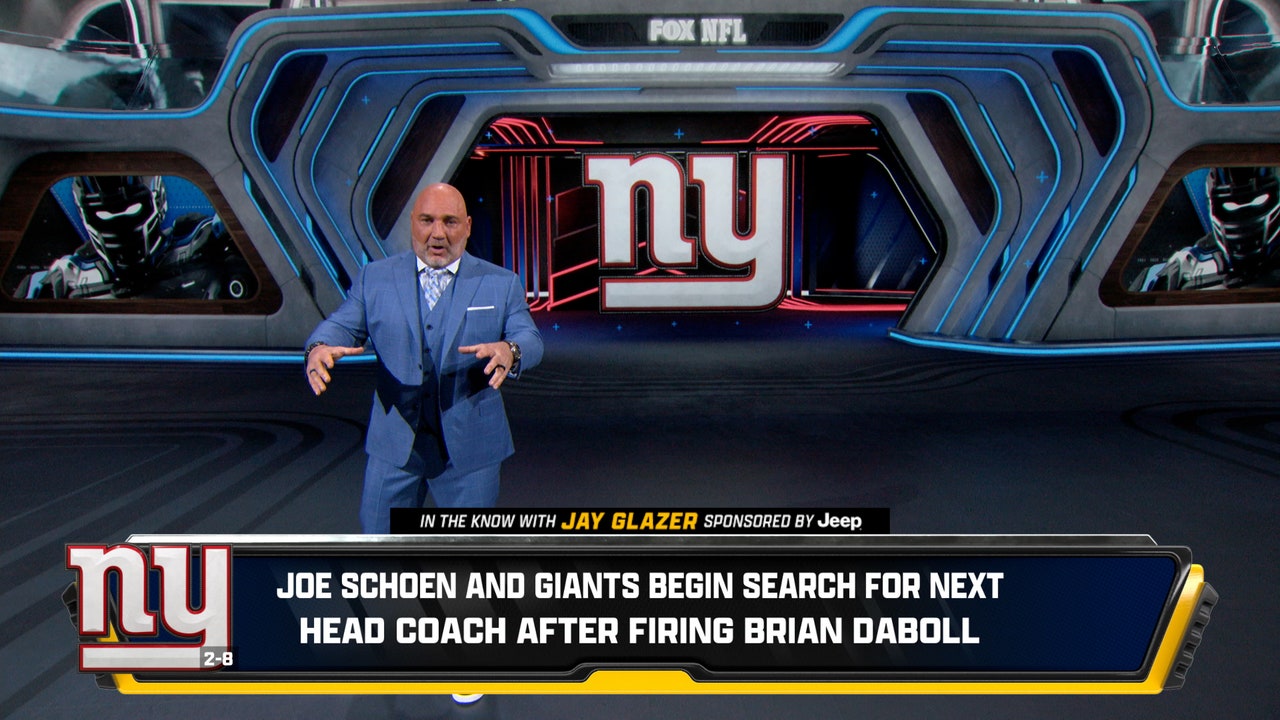
Jay Glazer: Who the Giants Are — and Aren't — Targeting to Replace Brian Daboll
Entities mentioned:
- New York Giants: Ambition, Competitive spirit, Professional pride
- Joe Schoen: Determination, Duty, Professional pride
- Jay Glazer: Recognition, Influence, Curiosity
- Mike McCarthy: Ambition, Legacy, Competitive spirit
- Matt Nagy: Redemption, Ambition, Professional pride
- Arthur Smith: Ambition, Professional pride, Recognition
- Steve Spagnuolo: Legacy, Loyalty, Competitive spirit
- Lou Anarumo: Ambition, Recognition, Professional pride
- Chris Shula: Ambition, Recognition, Loyalty
- Sean McVay: Legacy, Influence, Professional pride
- Bill Belichick: Legacy, Pride, Self-respect
Article Assessment:
Credibility Score: 75/100
Bias Rating: 50/100 (Center)
Sentiment Score: 60/100
Authoritarianism Risk: 20/100 (Strongly Democratic)
Bias Analysis:
The article presents a balanced view of potential coaching candidates without favoring any particular ideology. It relies on insider information from Jay Glazer, a respected NFL reporter, lending credibility to the content.
Key metric: NFL Coaching Effectiveness
Let me tell you something - this coaching search is like the NFL draft combine of the century! The Giants are in the red zone, folks, and they need a touchdown play to turn this franchise around. They're not just throwing Hail Marys at college coaches, no sir! They're looking for a proven NFL playmaker who can develop young QB talent or build a locker room culture stronger than a defensive line. We're talking about coaching free agents like Mike McCarthy, who's got that championship DNA, or offensive gurus like Matt Nagy and Arthur Smith who could design a playbook to unleash Jaxson Dart's potential. But don't count out defensive masterminds like Spagnuolo or Anarumo - these guys could be the Dick LeBeau of this generation! And keep your eye on Chris Shula, folks. He's been Sean McVay's right-hand man, soaking up that offensive genius like a sponge. This is a fourth-quarter decision for the Giants, and they NEED to get this hire right to avoid another season in the cellar. It's game time in the Big Apple, and the clock is ticking!