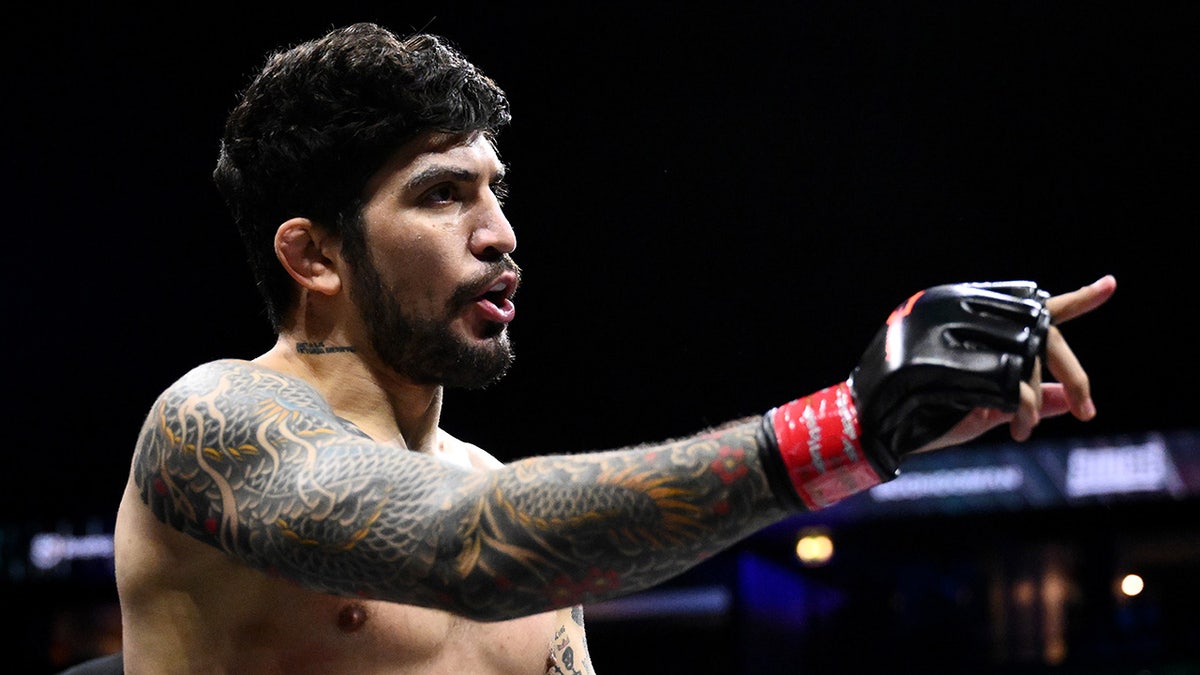
Dillon Danis permanently barred from UFC events after New York fight chaos, Dana White says
Entities mentioned:
- Dillon Danis: Competitive spirit, Recognition, Self-preservation
- Dana White: Control, Professional pride, Obligation
- UFC: Security, Professional pride, Control
- Islam Makhachev: Competitive spirit, Pride, Loyalty
Article Assessment:
Credibility Score: 75/100
Bias Rating: 55/100 (Center)
Sentiment Score: 30/100
Authoritarianism Risk: 45/100 (Mixed/Neutral)
Bias Analysis:
The article presents a fairly balanced view of the incident, quoting Dana White directly and providing context. It leans slightly right due to its source (Fox News) but maintains a neutral tone in reporting the events.
Key metric: UFC Event Security and Reputation
Let me tell you something - this story is RIDICULOUS! The UFC octagon has turned into a full-blown street brawl, folks! Dillon Danis, once a rising star in the MMA world, has been SACKED from the UFC's roster faster than a quarterback getting blitzed! Dana White, the league commissioner of the fighting world, has thrown down the gauntlet and ejected Danis from the arena for LIFE! This is a fourth-quarter decision that will echo through the halls of combat sports for years to come. The UFC is playing defense, protecting its brand like an offensive line guarding their star quarterback. This is about maintaining the integrity of the sport, people! We're talking championship mentality here - no room for sideline scuffles in the big leagues! Danis took a swing and missed, and now he's been benched permanently. That's the way the ball bounces in the fight game, folks!
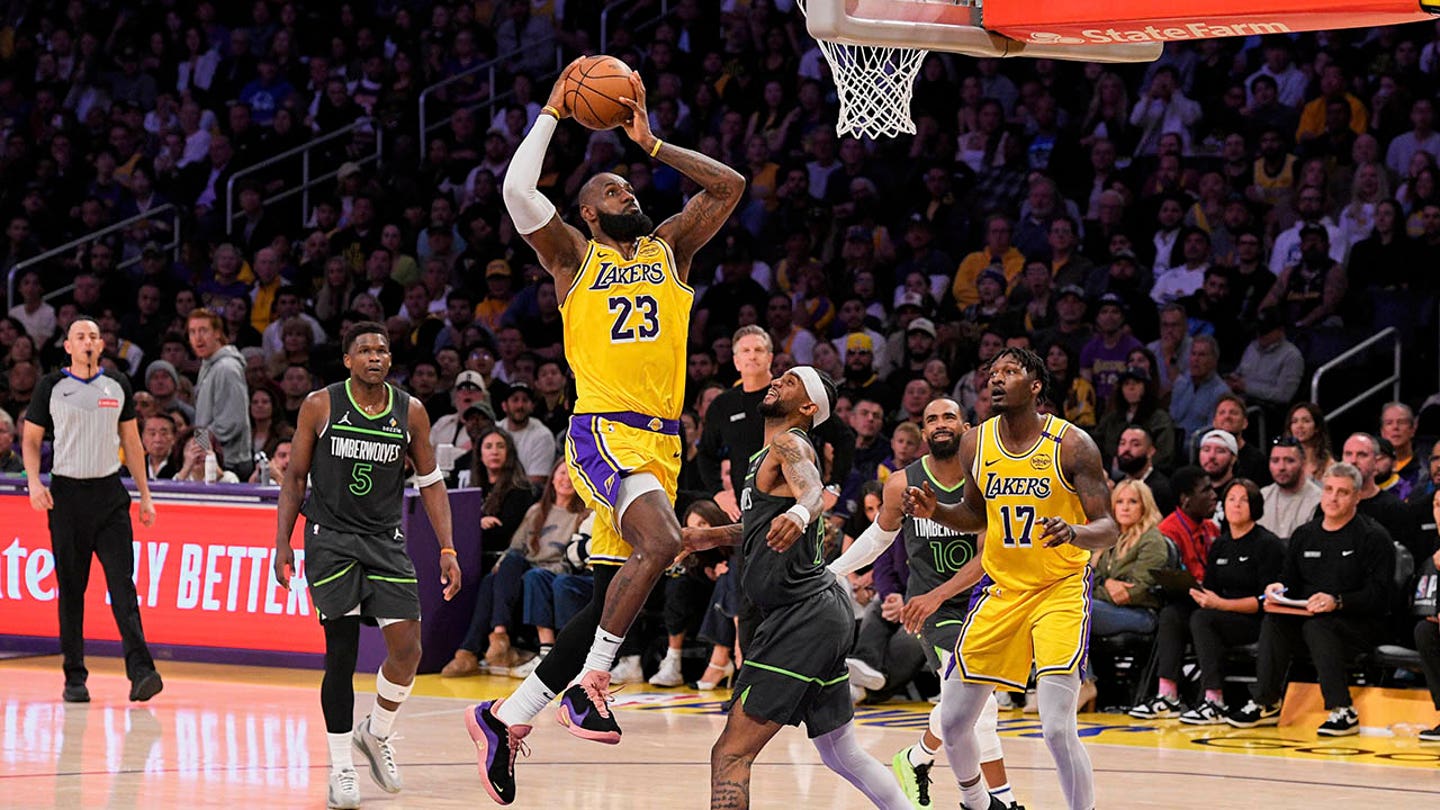
NBA obtaining cell phones from Lakers, other teams in investigation into illegal gambling scheme: report
Entities mentioned:
- NBA: Professional pride, Integrity, Control
- Los Angeles Lakers: Loyalty, Self-preservation, Competitive spirit
- LeBron James: Legacy, Competitive spirit, Self-preservation
- Portland Trail Blazers: Self-preservation, Competitive spirit, Control
- Miami Heat: Self-preservation, Competitive spirit, Professional pride
- House Committee on Commerce: Righteousness, Control, Justice
- Adam Silver: Professional pride, Control, Integrity
- Terry Rozier: Greed, Self-preservation, Fear
Article Assessment:
Credibility Score: 75/100
Bias Rating: 50/100 (Center)
Sentiment Score: 30/100
Authoritarianism Risk: 35/100 (Generally Democratic)
Bias Analysis:
The article presents a balanced view of the situation, quoting multiple sources and presenting facts without obvious slant. It includes statements from the NBA and details from the investigation, maintaining a neutral tone.
Key metric: League Integrity Index
Let me tell you something - this story is a GAME-CHANGER! The NBA is playing full-court press defense against a potential integrity meltdown. We're talking about a league-wide blitz to tackle this gambling scandal head-on. Commissioner Adam Silver is stepping up to the plate, calling for a federal regulatory Hail Mary to get this situation under control. The Lakers, folks, they're in a tough defensive stance, handing over cell phones faster than a point guard dishes out assists. But make no mistake, this is a fourth-quarter situation for the entire league. The House Committee is bringing the full-court pressure, demanding answers like a coach grilling refs after a controversial call. Players like Rozier? They're on the bench, suspended, waiting to see if their careers are going into overtime or sudden death. This is the kind of scandal that can change the whole playbook of how the NBA operates. I'm telling you right now, we're watching a pivotal moment in sports history unfold before our eyes!