
Agriculture Secretary Demands U.S. Farmers Invent 5 New Melons By Friday
Entities mentioned:
- Brooke Rollins: Ambition, Competitive spirit, Fear
- U.S. Farmers: Obligation, Self-preservation, Professional pride
- U.S. Department of Agriculture: Control, Influence, Competitive spirit
- Japanese farmers: Innovation, Competitive spirit
- Chinese farmers: Competitive spirit, Innovation
Article Assessment:
Credibility Score: 25/100
Bias Rating: 50/100 (Center)
Sentiment Score: 30/100
Authoritarianism Risk: 65/100 (Authoritarian Tendencies)
Bias Analysis:
The article maintains a centrist position, mocking both government overreach and fears of international competition without favoring a particular political ideology. The satirical nature allows it to critique multiple sides of agricultural policy and international relations.
Key metric: Agricultural Innovation Index
As a social scientist, I analyze that this satirical article highlights anxieties about maintaining U.S. global competitiveness in agriculture through absurd demands for rapid innovation. It satirizes the pressure on farmers to constantly innovate, the fear of falling behind other nations technologically, and the government's role in driving agricultural policy. The unrealistic timeline and bizarre melon concepts underscore the often unreasonable expectations placed on the agricultural sector. This piece also touches on themes of economic nationalism and the weaponization of agriculture in trade wars, reflecting real-world tensions in international trade relations.
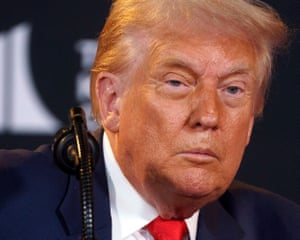
US medical journal rejects call from RFK Jr to retract vaccine study
Entities mentioned:
- RFK Jr: Righteousness, Influence, Moral outrage
- US medical journal: Professional pride, Duty, Credibility
- Trump administration: Power, Control, Influence
- National Guard: Duty, Security, Obligation
- Democrats: Opposition, Justice, Moral outrage
- Mamdani: Ambition, Competitive spirit, Influence
- Cuomo: Power, Competitive spirit, Influence
Article Assessment:
Credibility Score: 65/100
Bias Rating: 35/100 (Lean Left)
Sentiment Score: 25/100
Authoritarianism Risk: 70/100 (Authoritarian Tendencies)
Bias Analysis:
The article leans left in its framing, focusing more on criticisms of the Trump administration and giving voice to opposition figures. While it includes factual information, the selection and presentation of topics suggest a critical stance towards the current administration.
Key metric: Political Stability Index
As a social scientist, I analyze that this article reflects significant political tension and potential instability in the United States. The Trump administration's actions, including revoking Biden's order, taking control of DC police, and reviewing Smithsonian museums for 'patriotic' content, suggest a consolidation of power and potential erosion of democratic norms. The deployment of the National Guard in Washington DC further indicates escalating tensions. The article also highlights growing opposition from Democrats and other political figures, as well as concerns about healthcare and human rights. These factors collectively point to a decrease in political stability and an increase in social division, which could have long-term implications for governance and civil society in the US.

Frito-Lay CEO Gifts Trump Gold Funyun
Entities mentioned:
- Steven Williams (Frito-Lay CEO): Influence, Greed, Self-preservation
- Donald Trump: Power, Recognition, Greed
- Frito-Lay: Influence, Self-preservation, Competitive spirit
Article Assessment:
Credibility Score: 45/100
Bias Rating: 35/100 (Lean Left)
Sentiment Score: 30/100
Authoritarianism Risk: 55/100 (Mixed/Neutral)
Bias Analysis:
The article leans left in its critique of corporate influence on the Trump administration. The satirical nature and choice of language (e.g., 'blatant bribe') indicate a critical stance towards both the corporation and the president.
Key metric: Corporate Influence on Government
As a social scientist, I analyze that this article highlights the concerning practice of corporate influence on government through extravagant gifts and donations. The presentation of a gold Funyun to President Trump by Frito-Lay's CEO, coupled with a significant donation pledge to Trump's future presidential library, suggests an attempt to curry favor for potential regulatory benefits. This behavior undermines democratic processes and raises ethical questions about the relationship between big business and government. The article's satirical tone serves to critique this practice, drawing attention to the potential corruption and conflict of interest in such interactions.
- Read more about Frito-Lay CEO Gifts Trump Gold Funyun
- Log in to post comments

Facts First
Entities mentioned:
- Donald Trump: Power, Influence, Legacy
- Joe Biden: Duty, Legacy, Unity
- Kamala Harris: Ambition, Recognition, Unity
- Nikki Haley: Ambition, Competitive spirit, Recognition
- Republican Party: Power, Control, Loyalty
- Democratic Party: Unity, Justice, Control
- Voters: Security, Freedom, Self-preservation
Article Assessment:
Credibility Score: 75/100
Bias Rating: 45/100 (Center)
Sentiment Score: 45/100
Authoritarianism Risk: 25/100 (Generally Democratic)
Bias Analysis:
The articles attempt to present diverse voter perspectives from various regions and demographics. While there's a slight lean towards examining Democratic challenges, the content also covers Republican voter sentiments extensively.
Key metric: Voter Engagement and Political Polarization
As a social scientist, I analyze that this collection of articles highlights the deep political divisions and shifting voter sentiments in key battleground states. The content demonstrates how various demographic groups, including blue-collar workers, Hispanic voters, and suburban residents, are responding to major political figures and policy issues. The articles reveal a complex political landscape where traditional party loyalties are being tested, and voters are grappling with concerns about age, economic impacts, and social issues. This ongoing voter engagement and the apparent polarization suggest a highly contested and potentially volatile political environment leading up to the 2024 election.
- Read more about Facts First
- Log in to post comments
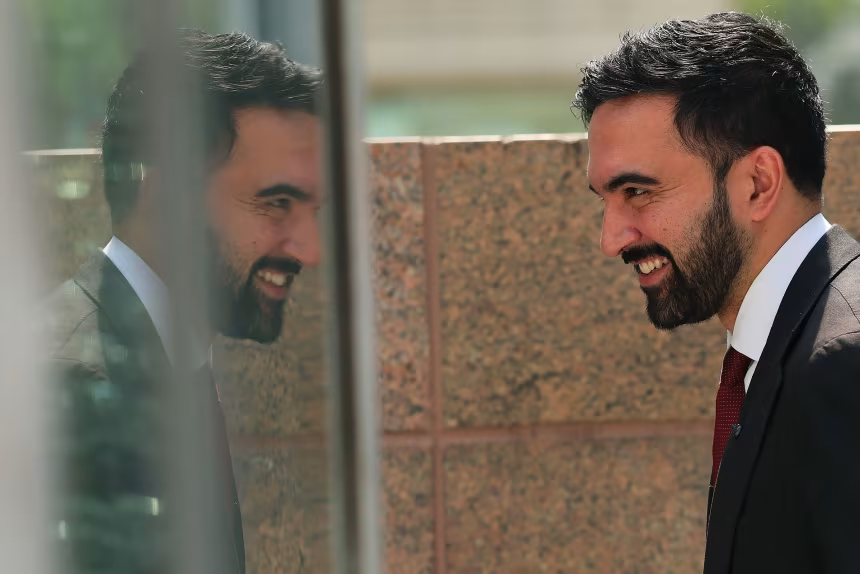
Do Democrats have a Zohran Mamdani problem?
Entities mentioned:
- Zohran Mamdani: Ambition, Recognition, Influence
- Democratic Party: Self-preservation, Power, Unity
- Republican Party: Competitive spirit, Power, Control
- Barack Obama: Influence, Legacy, Unity
Article Assessment:
Credibility Score: 75/100
Bias Rating: 45/100 (Center)
Sentiment Score: 50/100
Authoritarianism Risk: 25/100 (Generally Democratic)
Bias Analysis:
The article presents a balanced view, offering both positive and negative aspects of Mamdani's candidacy and its potential impact. It cites various polls and presents multiple perspectives, indicating an effort to maintain neutrality.
Key metric: Democratic Party Approval Rating
As a social scientist, I analyze that Zohran Mamdani's rise to prominence as the Democratic nominee for New York City mayor poses both opportunities and challenges for the Democratic Party. His socialist policies and controversial past statements on issues like policing and Israel could potentially alienate moderate voters and damage the party's image. However, polling suggests that some of his progressive ideas are popular among voters, and the evolving public opinion on issues like Israel might mitigate some potential negative impacts. The Democratic Party's response, including hesitancy from some members to endorse him, reflects concern about how Mamdani's candidacy might affect their broader electoral prospects. The Republicans' eagerness to use Mamdani as a campaign tool against Democrats nationally indicates they see his candidacy as a vulnerability for their opponents. The article suggests that while Mamdani's socialist label and some past statements could be problematic, the impact on the Democratic Party will largely depend on how he campaigns and potentially governs, as well as how effectively he moderates his image and message.
- Read more about Do Democrats have a Zohran Mamdani problem?
- Log in to post comments
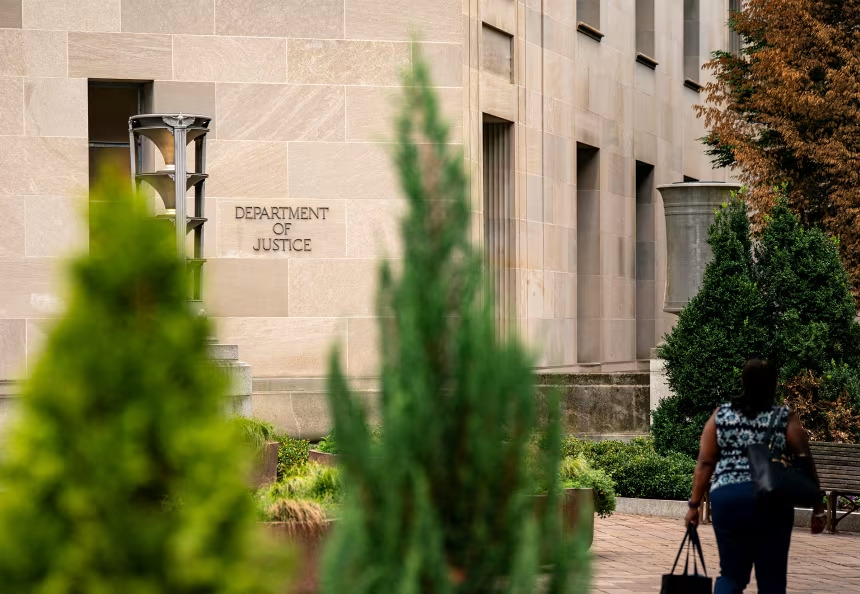
A car accident in small-town Tennessee leads to US charges against a major Mexican drug operation
Entities mentioned:
- United Cartels: Power, Control, Greed
- Jalisco New Generation Cartel: Competitive spirit, Power, Control
- Juan José Farías Álvarez (El Abuelo): Power, Control, Self-preservation
- Matthew Galeotti: Justice, Duty, Professional pride
- Eladio Mendoza: Greed, Power, Self-preservation
- US Justice Department: Justice, Security, Duty
- Trump administration: Security, Control, Legacy
- Mexican government: Cooperation, Security, Obligation
Article Assessment:
Credibility Score: 75/100
Bias Rating: 55/100 (Center)
Sentiment Score: 40/100
Authoritarianism Risk: 35/100 (Generally Democratic)
Bias Analysis:
The article presents a balanced view of the drug investigation and international cooperation. While it highlights the Trump administration's actions, it does not overly praise or criticize any political stance, maintaining a relatively neutral tone.
Key metric: Drug-related Crime Rate
As a social scientist, I analyze that this article highlights the complex international efforts to combat drug trafficking and its impact on US communities. The investigation's progression from a local car accident to international cartel indictments demonstrates the interconnectedness of global drug trade and local crime. The cooperation between US and Mexican authorities in targeting cartel leaders suggests a potential reduction in drug supply chains, which could impact the drug-related crime rate in the US. However, the adaptability of cartels and the ongoing demand for drugs may limit the long-term effectiveness of these actions. The article also underscores the violence associated with drug trafficking, both within cartels and in confrontations with law enforcement, which contributes to the overall crime rate and public safety concerns.
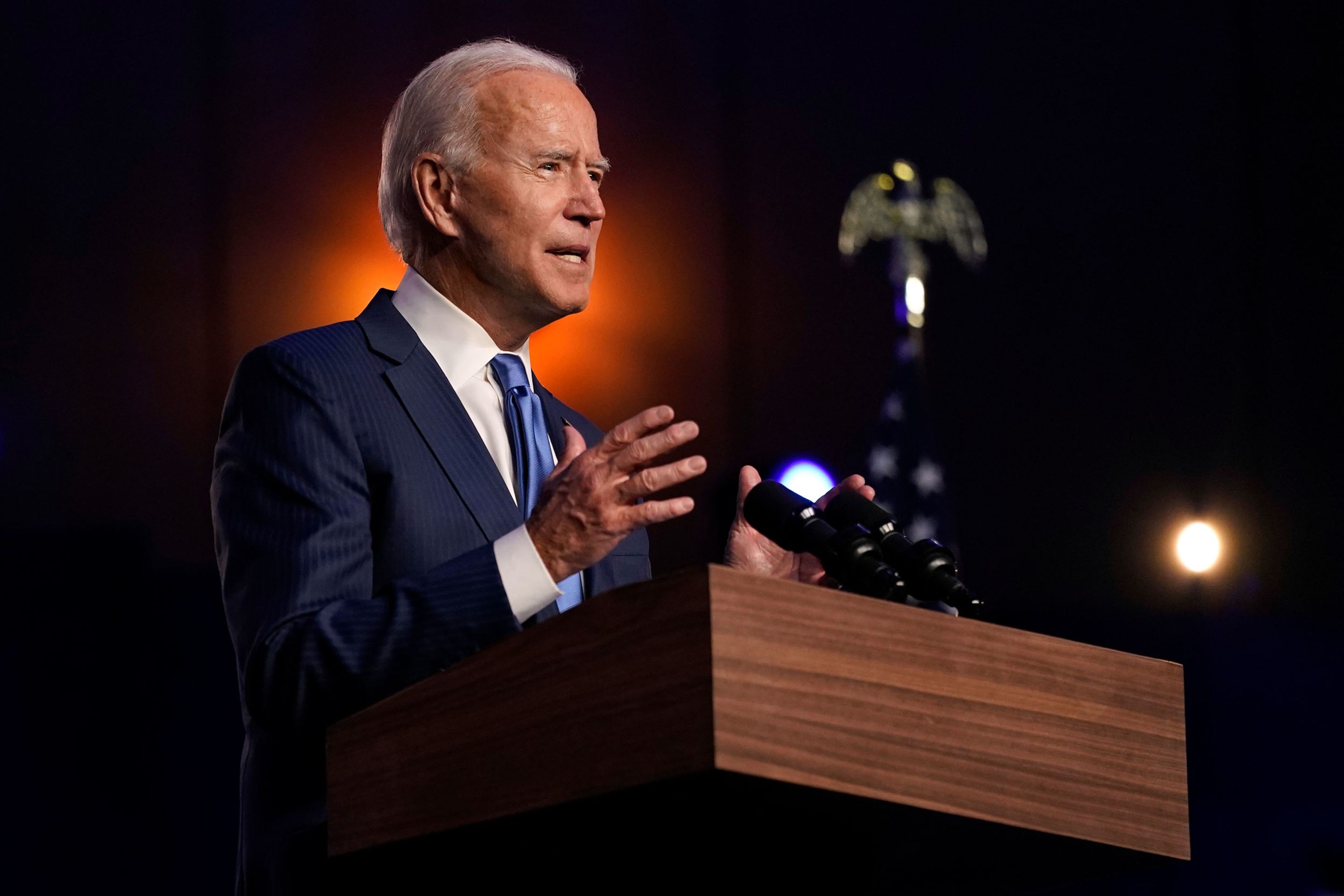
In pictures: Former President Joe Biden
Entities mentioned:
- Joe Biden: Ambition, Legacy, Duty
- Donald Trump: Power, Competitive spirit
- Kamala Harris: Ambition, Loyalty, Unity
- Barack Obama: Legacy, Influence
- Jacquelyn Brittany: Recognition, Enthusiasm, Loyalty
- Democratic Party: Unity, Power, Self-preservation
Article Assessment:
Credibility Score: 70/100
Bias Rating: 40/100 (Lean Left)
Sentiment Score: 55/100
Authoritarianism Risk: 25/100 (Generally Democratic)
Bias Analysis:
The article leans slightly left, evidenced by its sympathetic portrayal of Biden and positive framing of Democratic figures. However, it maintains a relatively balanced tone by including factual information about Biden's career and electoral history.
Key metric: Political Stability and Absence of Violence
As a social scientist, I analyze that this article highlights significant shifts in the U.S. political landscape, particularly focusing on Joe Biden's career trajectory and the events leading to his withdrawal from the 2024 presidential race. The emphasis on Biden's decision to step aside for the 'good of the party and country' suggests a prioritization of party unity and political stability over personal ambition. The inclusion of Jacquelyn Brittany's story underscores the importance of relatability and personal connection in political narratives. The transition of support to Kamala Harris indicates a potential shift in party leadership and strategy, which could have substantial implications for the Democratic Party's future direction and electoral prospects. This political reshuffling may impact the country's political stability metric by introducing uncertainty in leadership transition and potentially altering policy directions.
- Read more about In pictures: Former President Joe Biden
- Log in to post comments
Anatomy of three Trump elections: How Americans shifted in 2024 vs. 2020 and 2016
Entities mentioned:
- Donald Trump: Power, Ambition, Competitive spirit
- Kamala Harris: Ambition, Legacy, Duty
- Joe Biden: Legacy, Duty, Influence
- Hillary Clinton: Ambition, Legacy, Influence
- CNN: Professional pride, Influence, Recognition
- Edison Research: Professional pride, Accuracy, Recognition
- National Election Pool: Accuracy, Influence, Professional pride
Article Assessment:
Credibility Score: 75/100
Bias Rating: 45/100 (Center)
Sentiment Score: 50/100
Authoritarianism Risk: 20/100 (Strongly Democratic)
Bias Analysis:
The article presents data from multiple elections and diverse demographic groups, showing effort for balanced reporting. While it includes both positive and negative aspects for each candidate, there's a slight lean towards emphasizing Trump's gains.
Key metric: Voter Demographics and Preferences
As a social scientist, I analyze that this article presents a comprehensive overview of shifting voter demographics and preferences across three presidential elections involving Donald Trump. The data reveals significant changes in various voter groups, including women, Latinos, and educational demographics. The economy emerges as a crucial factor, with a majority of voters perceiving it negatively in 2024, benefiting Trump. The article also highlights the evolving abortion debate and its impact on voting patterns. The shift in first-time voter support from Democrats to Republicans is notable, as is the increased polarization among liberals and conservatives. These trends suggest a complex political landscape with multiple factors influencing voter behavior, including economic conditions, social issues, and candidate appeal.
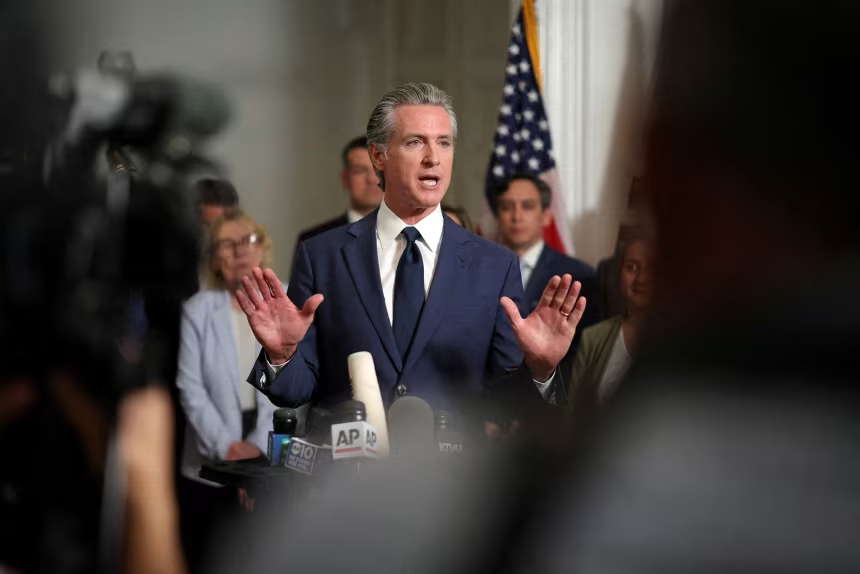
Gavin Newsom and Democrats are placing a risky bet on gerrymandering
Entities mentioned:
- Gavin Newsom: Ambition, Power, Influence
- Democrats: Power, Control, Justice
- Republicans: Power, Control, Competitive spirit
- Texas Democrats: Justice, Self-preservation, Duty
- Texas Republicans: Power, Control, Competitive spirit
- California voters: Justice, Security, Wariness
Article Assessment:
Credibility Score: 75/100
Bias Rating: 55/100 (Center)
Sentiment Score: 35/100
Authoritarianism Risk: 55/100 (Mixed/Neutral)
Bias Analysis:
The article presents multiple perspectives and potential outcomes, showing a relatively balanced approach. However, there's a slight lean towards skepticism of the Democrats' strategy, which could be interpreted as a mild center-right bias.
Key metric: Electoral Fairness and Representation
As a social scientist, I analyze that this article highlights a significant shift in the dynamics of redistricting and gerrymandering in the United States. The proposed actions by Gavin Newsom and California Democrats to counter Texas Republicans' gerrymandering efforts represent a potential escalation in the politicization of redistricting processes. This move could have far-reaching consequences for electoral fairness and representation across the country. The article suggests that while this strategy aims to balance power, it risks undermining the principle of independent redistricting that many voters support. The potential voter backlash and the historical precedent of Californians rejecting similar measures indicate that this is a high-risk strategy for Democrats and Newsom personally. The outcome of this situation could significantly impact the balance of power in Congress and set new precedents for how redistricting is approached nationwide, potentially leading to a more polarized and less representative electoral system.
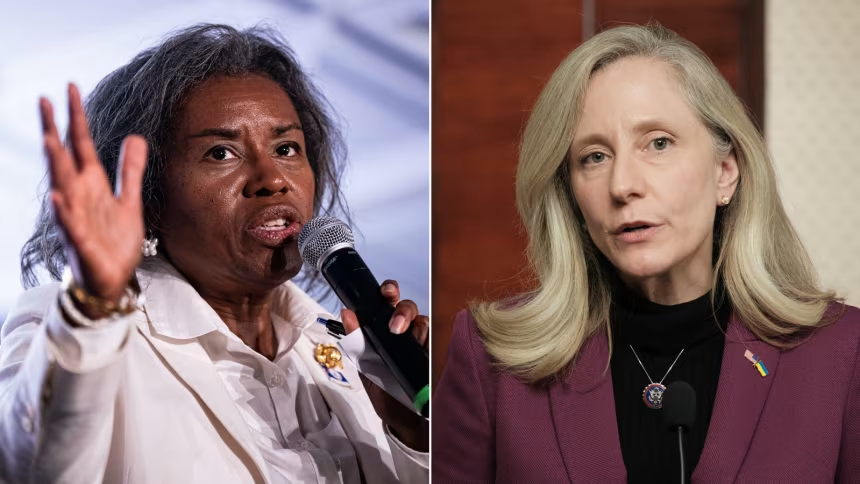
Earle-Sears accepts CNN invitation to Virginia governor’s debate
Entities mentioned:
- Winsome Earle-Sears: Ambition, Competitive spirit, Recognition
- Abigail Spanberger: Ambition, Control, Self-preservation
- CNN: Recognition, Influence, Professional pride
- Virginia Police Benevolent Association: Influence, Security, Professional pride
- Peyton Vogel: Loyalty, Professional pride, Duty
- Samson Signori: Loyalty, Professional pride, Control
Article Assessment:
Credibility Score: 75/100
Bias Rating: 55/100 (Center)
Sentiment Score: 50/100
Authoritarianism Risk: 20/100 (Strongly Democratic)
Bias Analysis:
The article presents both candidates' perspectives and includes statements from both campaigns. While it mentions Earle-Sears as an 'underdog,' it balances this by noting Spanberger's endorsement, maintaining a relatively neutral stance.
Key metric: Voter Engagement and Participation
As a social scientist, I analyze that this article highlights the importance of political debates in shaping voter engagement and participation. The acceptance and declination of debate invitations by the candidates reveal strategic decisions that could impact voter perceptions and turnout. Earle-Sears' willingness to participate in a national debate may be seen as an attempt to gain broader recognition and challenge her underdog status. Conversely, Spanberger's focus on local debates suggests a strategy to maintain control over the narrative and appeal to Virginia-specific concerns. The involvement of law enforcement endorsements and the emphasis on Virginia-based media indicate the significance of local issues and stakeholders in this gubernatorial race. This situation demonstrates how candidate choices regarding debate participation can influence voter engagement and, consequently, election outcomes.