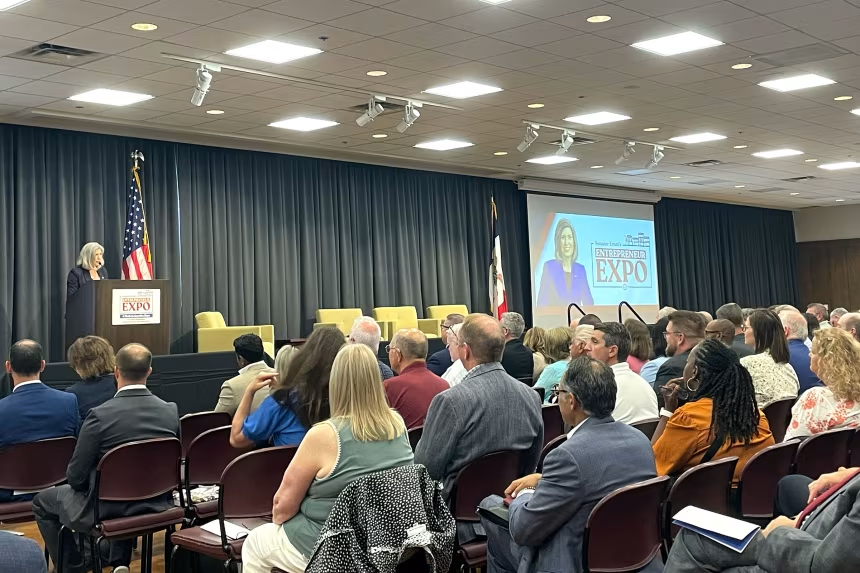
Republicans pitch Trump’s domestic policy agenda in Iowa, but some entrepreneurs aren’t yet sold
Entities mentioned:
- Kelly Loeffler: Ambition, Professional pride, Loyalty
- Laura Pager: Self-preservation, Indignation, Anxiety
- Joni Ernst: Ambition, Loyalty, Duty
- Lee Zeldin: Loyalty, Professional pride, Control
- Donald Trump: Power, Legacy, Control
- Republican Party: Power, Control, Competitive spirit
- Small Business Administration: Duty, Professional pride, Influence
- Environmental Protection Agency: Control, Influence, Professional pride
Article Assessment:
Credibility Score: 75/100
Bias Rating: 55/100 (Center)
Sentiment Score: 45/100
Authoritarianism Risk: 35/100 (Generally Democratic)
Bias Analysis:
The article presents multiple perspectives, including administration officials and business owners with varying views. While it leans slightly critical of the administration's policies, it attempts to balance this with official statements and supportive voices.
Key metric: Small Business Growth and Federal Contracting
As a social scientist, I analyze that this article highlights the complex interplay between the Trump administration's policies and their impact on small businesses, particularly in relation to federal contracting. The administration's efforts to downsize the federal government and reduce regulations are creating a challenging environment for some small business owners, especially those reliant on government contracts. This tension is evident in the conflicting narratives presented by administration officials and the experiences of business owners like Laura Pager. The article suggests that while the administration is promoting a pro-business agenda, the reality on the ground is more complicated, with some entrepreneurs feeling lost in the new landscape. This disconnect could potentially impact small business growth and participation in federal contracting, which are crucial economic indicators.
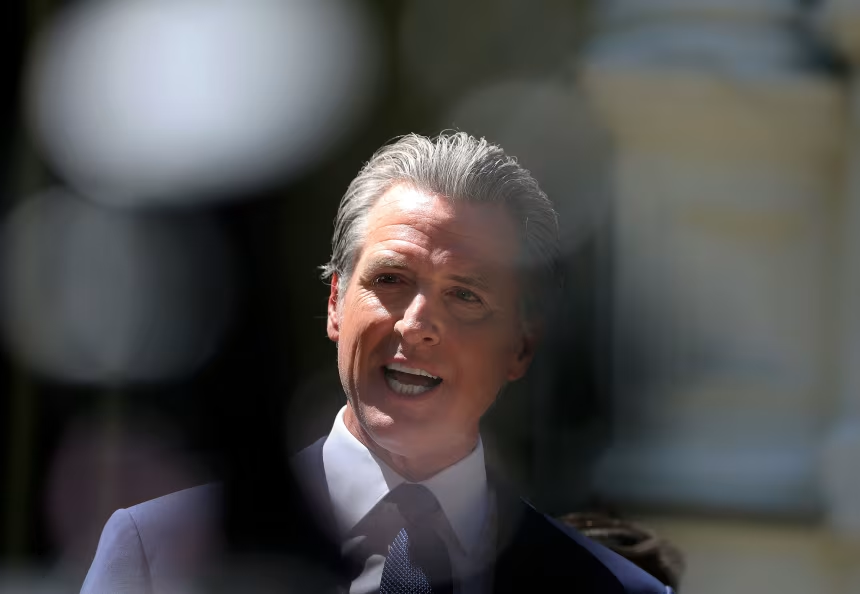
Newsom’s California redistricting push sets up a standoff with Republican-led opposition
Entities mentioned:
- Gavin Newsom: Power, Justice, Determination
- Donald Trump: Power, Control, Competitive spirit
- Greg Abbott: Power, Competitive spirit, Loyalty
- Arnold Schwarzenegger: Justice, Legacy, Righteousness
- Charles Munger Jr.: Justice, Influence, Determination
- Common Cause: Justice, Influence, Wariness
- League of Women Voters: Justice, Unity, Moral outrage
- Steve Hilton: Ambition, Justice, Competitive spirit
- Kevin Kiley: Justice, Self-preservation, Duty
Article Assessment:
Credibility Score: 75/100
Bias Rating: 55/100 (Center)
Sentiment Score: 35/100
Authoritarianism Risk: 45/100 (Mixed/Neutral)
Bias Analysis:
The article presents multiple viewpoints and includes quotes from various stakeholders, indicating an attempt at balance. However, there's slightly more space given to Democratic perspectives and framing of the issue as a response to Republican actions.
Key metric: Electoral Fairness and Representation
As a social scientist, I analyze that this article highlights a significant political conflict over redistricting in California, with potential national implications. Governor Newsom's push to redraw congressional maps is presented as a response to Republican-led efforts in other states, particularly Texas. This creates a tension between maintaining California's independent redistricting commission and strategically countering perceived gerrymandering elsewhere. The involvement of various political figures, advocacy groups, and potential legal challenges underscores the complexity of the issue. The debate touches on core democratic principles such as fair representation and the balance of power between state and federal governments. The potential impact on future elections and party control in Congress makes this a critical issue for electoral fairness and representation across the United States.
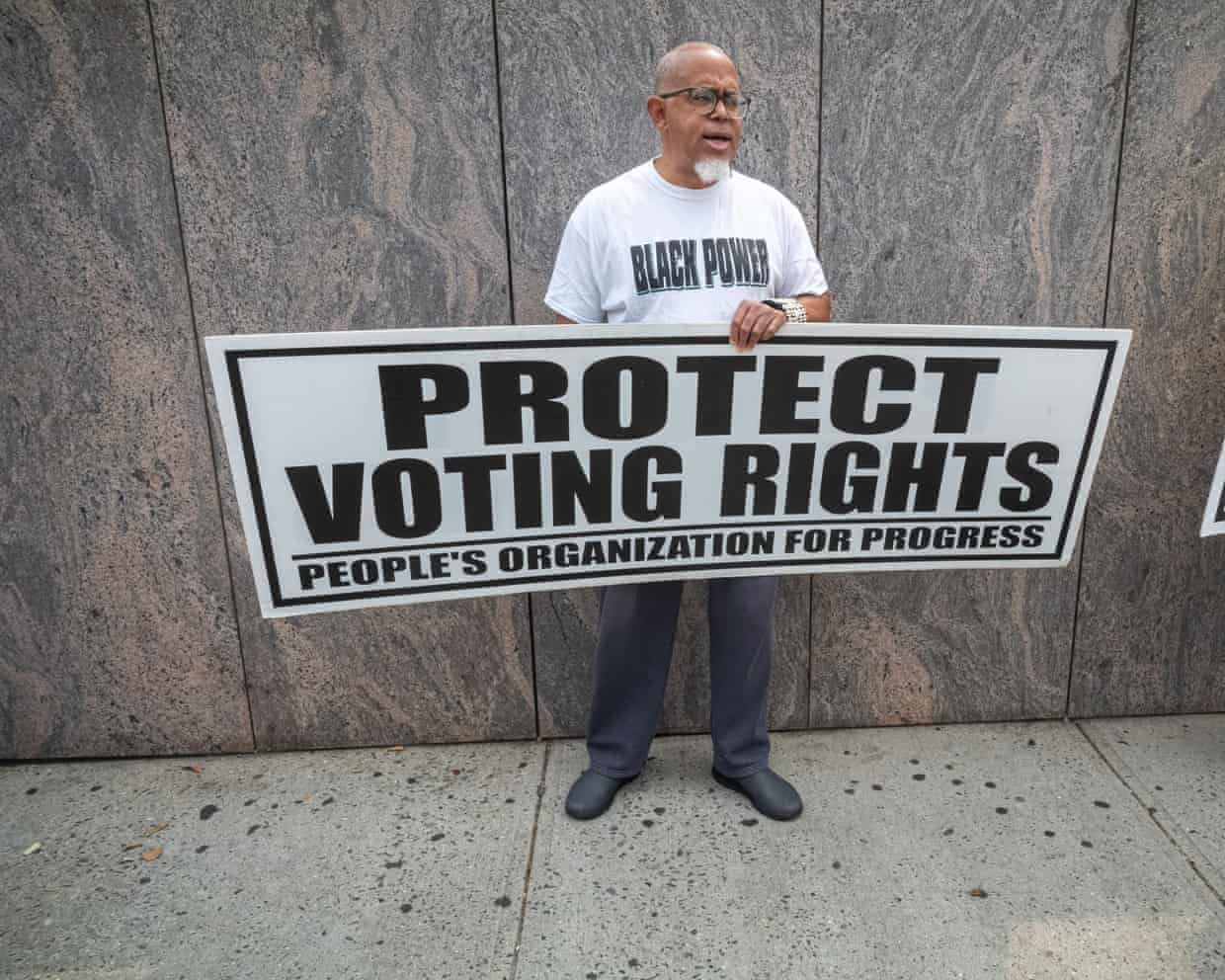
Some Democrats want to use gerrymandering. That’s a bad idea
Entities mentioned:
- Democrats: Power, Justice, Ambition
- Republicans: Power, Control, Competitive spirit
- U.S. Congress: Power, Control, Legacy
- Trump: Power, Control, Ambition
Article Assessment:
Credibility Score: 65/100
Bias Rating: 40/100 (Lean Left)
Sentiment Score: 35/100
Authoritarianism Risk: 25/100 (Generally Democratic)
Bias Analysis:
The article leans slightly left, criticizing Republican gerrymandering more heavily and expressing concerns about Trump's influence. However, it also critiques Democratic strategies, maintaining some balance.
Key metric: Electoral Representation Fairness
As a social scientist, I analyze that this article highlights the complex issues surrounding gerrymandering and its impact on fair representation in the U.S. political system. The piece argues against the use of gerrymandering by Democrats, pointing out its potential backfire through 'dummymandering'. It also critically examines the 1929 Reapportionment Act, suggesting that increasing the number of House representatives could mitigate gerrymandering effects and improve representation. The analysis extends to the Electoral College system, proposing that more House seats would make it more representative of the population. The article concludes by questioning whether Democrats should take a more aggressive stance against perceived authoritarianism, reflecting the tension between maintaining democratic norms and combating perceived threats to democracy.

Timeline Of Trump’s Battle With Harvard
Entities mentioned:
- Donald Trump: Power, Control, Revenge
- Harvard University: Self-preservation, Professional pride, Influence
- Justice Department: Duty, Loyalty, Control
- Tim Cook: Competitive spirit, Ambition, Innovation
- Apple: Competitive spirit, Influence, Greed
Article Assessment:
Credibility Score: 25/100
Bias Rating: 30/100 (Lean Left)
Sentiment Score: 30/100
Authoritarianism Risk: 70/100 (Authoritarian Tendencies)
Bias Analysis:
The article leans left, mocking Trump and conservative policies. It presents exaggerated scenarios that paint the administration in a negative light, while portraying Harvard as resistant to governmental pressure.
Key metric: Economic Competitiveness
As a social scientist, I analyze that this satirical article presents a fictional timeline of escalating tensions between President Trump and Harvard University, as well as an unrelated segment about Apple. The exaggerated conflict portrays governmental overreach and abuse of power, potentially impacting academic freedom and international relations. The Apple segment satirizes trade tensions and manufacturing challenges. Both parts highlight concerns about executive power, education policy, and economic competitiveness. The absurdist nature of the content serves to critique real-world political and economic issues through humor.
- Read more about Timeline Of Trump’s Battle With Harvard
- Log in to post comments

Trump Pardons Tom Sandoval
Entities mentioned:
- Donald Trump: Power, Control, Recognition
- Tom Sandoval: Self-preservation, Recognition, Ambition
- Brittany Trumble: Professional pride, Loyalty, Influence
- Ariana Madix: Revenge, Justice, Self-respect
- Raquel Leviss: Ambition, Recognition, Competitive spirit
Article Assessment:
Credibility Score: 30/100
Bias Rating: 40/100 (Lean Left)
Sentiment Score: 35/100
Authoritarianism Risk: 55/100 (Mixed/Neutral)
Bias Analysis:
The article leans slightly left, mocking Trump's use of pardons and associating him with trivial celebrity culture. The satirical nature and choice of target suggest a critique of right-wing politics, though presented through absurdist humor.
Key metric: Public Trust in Government
As a social scientist, I analyze that this article, while satirical, highlights the potential for abuse of presidential pardoning powers and the trivialization of important governmental functions. The fictional scenario of pardoning a reality TV star for personal indiscretions suggests a blurring of entertainment and politics, which could erode public trust in government institutions and processes. This type of content, even as satire, may contribute to public cynicism about the integrity of political leadership and the proper use of executive powers, potentially impacting the broader metric of public trust in government.
- Read more about Trump Pardons Tom Sandoval
- Log in to post comments

Musk Weighs Return To Politics After 60th Death On ‘Elden Ring Nightreign’ Tutorial
Entities mentioned:
- Elon Musk: Ambition, Recognition, Self-respect
- FromSoft: Professional pride, Influence, Competitive spirit
- Donald Trump: Power, Influence, Recognition
- NASA: Professional pride, Duty, Curiosity
Article Assessment:
Credibility Score: 30/100
Bias Rating: 40/100 (Lean Left)
Sentiment Score: 35/100
Authoritarianism Risk: 25/100 (Generally Democratic)
Bias Analysis:
The article leans slightly left, mocking a prominent right-wing figure and implying criticism of wealthy individuals in politics. However, the satire is relatively mild and focuses more on individual foibles than explicit political commentary.
Key metric: Public Trust in Government
As a social scientist, I analyze that this satirical article highlights the perceived disconnect between high-profile public figures and their responsibilities. The portrayal of Elon Musk struggling with a video game while contemplating political involvement suggests a critique of the revolving door between business and politics, as well as questioning the competence and motivations of wealthy individuals in public service roles. This narrative could potentially impact public trust in government by reinforcing skepticism about the qualifications and commitment of those in or seeking positions of power.

‘The House Will Take A Short Recess,’ Declares Mike Johnson Dousing Capitol In Gasoline
Entities mentioned:
- Mike Johnson: Power, Control, Righteousness
- House of Representatives: Duty, Power, Influence
- Republican Party: Competitive spirit, Power, Control
- Democratic Party: Justice, Influence, Moral outrage
- Jeffrey Epstein: Legacy, Power, Self-preservation
Article Assessment:
Credibility Score: 30/100
Bias Rating: 35/100 (Lean Left)
Sentiment Score: 20/100
Authoritarianism Risk: 70/100 (Authoritarian Tendencies)
Bias Analysis:
The article leans left, using satire to criticize Republican leadership. It presents an exaggerated, negative portrayal of Republican motivations and actions, without offering a balanced perspective.
Key metric: Government Stability and Effectiveness
As a social scientist, I analyze that this satirical article uses hyperbole to criticize the perceived obstructionist tactics of Speaker Mike Johnson and the Republican Party. The metaphorical act of dousing the Capitol in gasoline symbolizes a willingness to 'burn down' democratic institutions to maintain power and control. This reflects deep political polarization and dysfunction in the U.S. government, potentially impacting its stability and effectiveness. The article suggests that important issues (like the Epstein case) are being sidelined for political reasons, which could erode public trust in governmental institutions and processes.

Trump Sues Safeway Circular For False Ham Claims
Entities mentioned:
- Donald Trump: Indignation, Pride, Control
- Safeway: Professional pride, Competitive spirit
- White House: Loyalty, Duty
- Joe Biden: Competitive spirit, Legacy
Article Assessment:
Credibility Score: 25/100
Bias Rating: 55/100 (Center)
Sentiment Score: 30/100
Authoritarianism Risk: 65/100 (Authoritarian Tendencies)
Bias Analysis:
The article is clearly satirical, mocking Trump's behavior. However, it doesn't explicitly favor either political side, instead focusing on the absurdity of the situation.
Key metric: Consumer Price Index
As a social scientist, I analyze that this satirical article, while fictional, reflects ongoing tensions between Trump and the media, as well as his tendency to make exaggerated claims about his economic impact. The absurd nature of suing a grocery circular over ham prices underscores Trump's combative relationship with any perceived criticism or contradiction of his statements. The mention of Biden and grocery prices suggests continued political rivalry and attempts to contrast economic performance between administrations. This piece, though humorous, touches on real themes of media distrust, economic messaging, and political posturing that can impact public perception of consumer prices and economic health.

US prices continued rise in July as Trump tariffs impact consumer costs
Entities mentioned:
- Donald Trump: Power, Control, Pride
- US Federal Reserve: Duty, Professional pride, Independence
- Jerome Powell: Professional pride, Duty, Independence
- Bureau of Labor Statistics: Duty, Professional pride, Integrity
- Erika McEntarfer: Duty, Professional pride
- EJ Antoni: Ambition, Influence, Professional pride
- Retailers (Walmart, Nike, Macy's): Self-preservation, Profit, Competitive spirit
Article Assessment:
Credibility Score: 75/100
Bias Rating: 45/100 (Center)
Sentiment Score: 35/100
Authoritarianism Risk: 65/100 (Authoritarian Tendencies)
Bias Analysis:
The article presents a balanced view of economic data and includes perspectives from various stakeholders. While it does highlight criticisms of Trump's policies, it also includes his statements and claims, maintaining a relatively neutral stance.
Key metric: US Economic Growth and Stability
As a social scientist, I analyze that this article highlights the complex interplay between Trump's trade policies, inflation, and economic stability. The implementation of tariffs has begun to impact consumer prices, potentially slowing economic growth. The revised job figures and inflation data suggest a more volatile economic situation than previously thought. This volatility is exacerbated by Trump's unconventional approach to economic policy and his public criticism of economic institutions like the Federal Reserve and Bureau of Labor Statistics. The president's actions, including firing the BLS commissioner and threatening to sue the Fed chair, indicate a concerning trend towards politicizing traditionally independent economic institutions. This could have long-term implications for the credibility and effectiveness of US economic policy-making and data reporting, potentially undermining investor and consumer confidence.
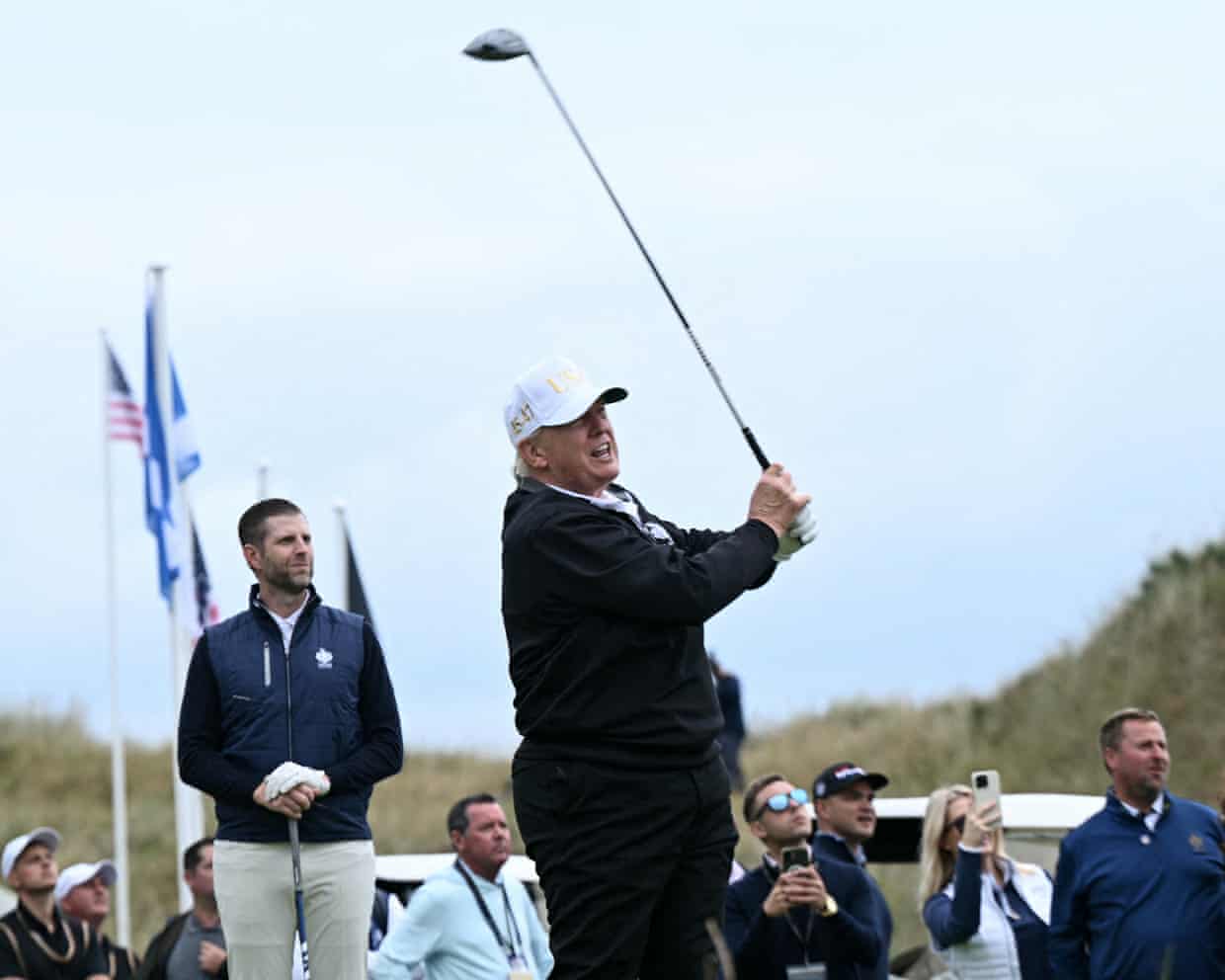
Golf for them, grind for us: Trump, Vance and the hellish US holiday divide
Entities mentioned:
- Donald Trump: Power, Recognition, Self-preservation
- JD Vance: Ambition, Recognition, Influence
- Barack Obama: Legacy, Influence
- Microsoft: Competitive spirit, Influence, Greed
- Mercedes-Benz: Competitive spirit, Innovation, Greed
Article Assessment:
Credibility Score: 65/100
Bias Rating: 30/100 (Lean Left)
Sentiment Score: 25/100
Authoritarianism Risk: 20/100 (Strongly Democratic)
Bias Analysis:
The article leans left, criticizing conservative politicians and policies while advocating for more worker-friendly practices. The author's tone and selective use of examples demonstrate a clear ideological stance, though some factual information is included.
Key metric: Labor Force Participation Rate
As a social scientist, I analyze that this article highlights a growing disparity between the work-life balance of political elites and average American workers. The frequent vacations and leisure activities of politicians like Trump and Vance are contrasted with the lack of mandated paid time off for most US workers. This dichotomy may impact the Labor Force Participation Rate by contributing to worker burnout and dissatisfaction, potentially leading some to exit the workforce. The article's focus on 'infinite workdays' and technological encroachment on personal time further emphasizes the strain on the American workforce, which could discourage labor market participation and affect overall economic productivity.