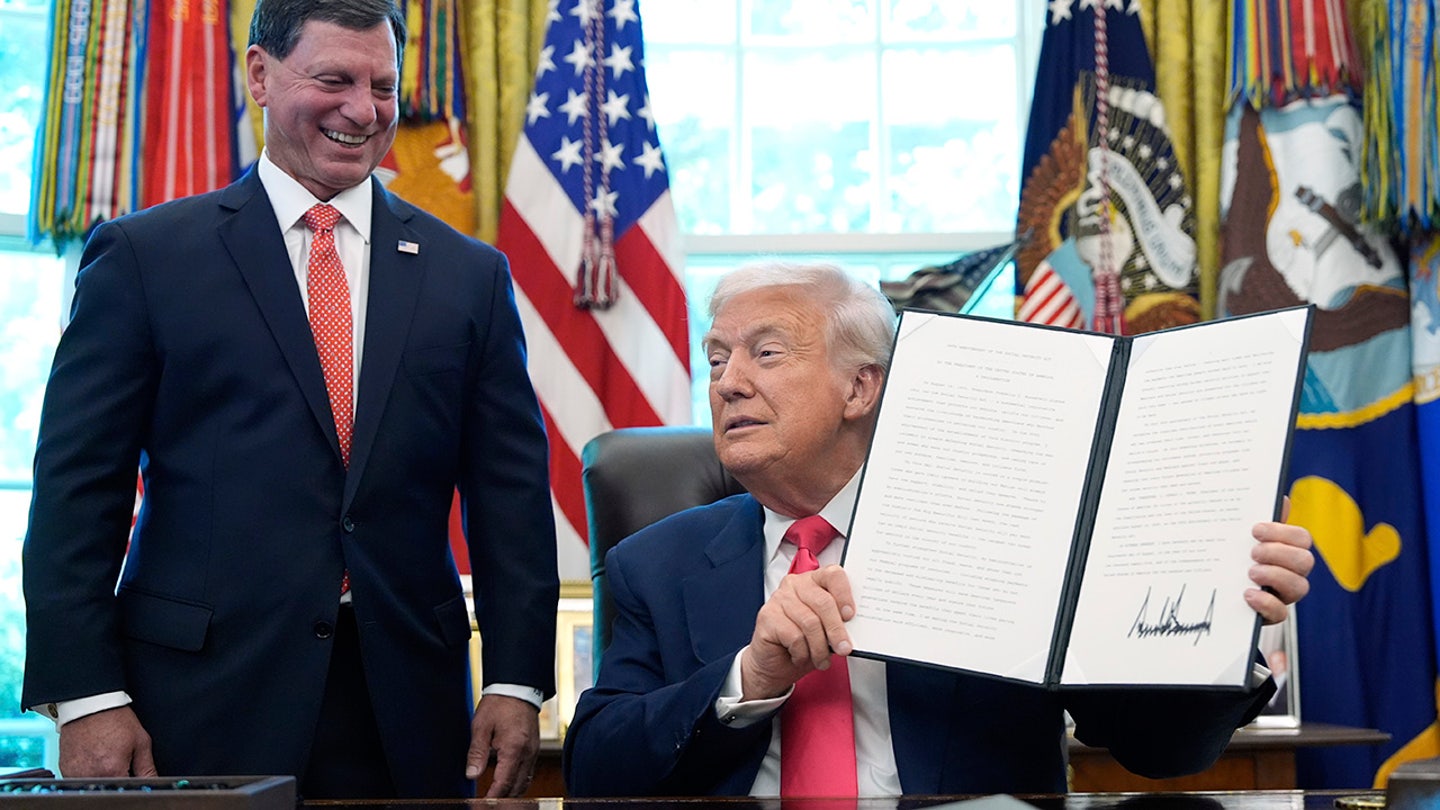
Social Security stronger under Trump, critics pushing ‘false’ narrative, commissioner says
Entities mentioned:
- Donald Trump: Power, Legacy, Self-preservation
- Frank Bisignano: Loyalty, Professional pride, Righteousness
- Democrats: Moral outrage, Control, Unity
- Social Security Administration: Duty, Efficiency, Security
- Joe Biden: Competitive spirit, Control, Legacy
Article Assessment:
Credibility Score: 55/100
Bias Rating: 75/100 (Lean Right)
Sentiment Score: 70/100
Authoritarianism Risk: 35/100 (Generally Democratic)
Bias Analysis:
The article heavily favors the Trump administration's perspective, primarily quoting the Social Security commissioner appointed by Trump. It lacks opposing viewpoints or independent expert analysis, presenting a one-sided narrative that aligns with right-leaning political views.
Key metric: Social Security System Efficiency
As a social scientist, I analyze that this article presents a defense of the Trump administration's management of Social Security, countering criticisms from Democrats. The key points revolve around improved efficiency through technology adoption, reduced wait times, and cleared backlogs. The commissioner, Frank Bisignano, argues that critics are pushing a false narrative due to political motivations. The article suggests a significant transformation in Social Security operations, moving from a check-based system to a more technologically advanced one. However, the strong partisan tone and lack of opposing viewpoints raise questions about the balanced representation of the issue. The emphasis on operational improvements without addressing long-term sustainability concerns presents a potentially incomplete picture of Social Security's overall health.
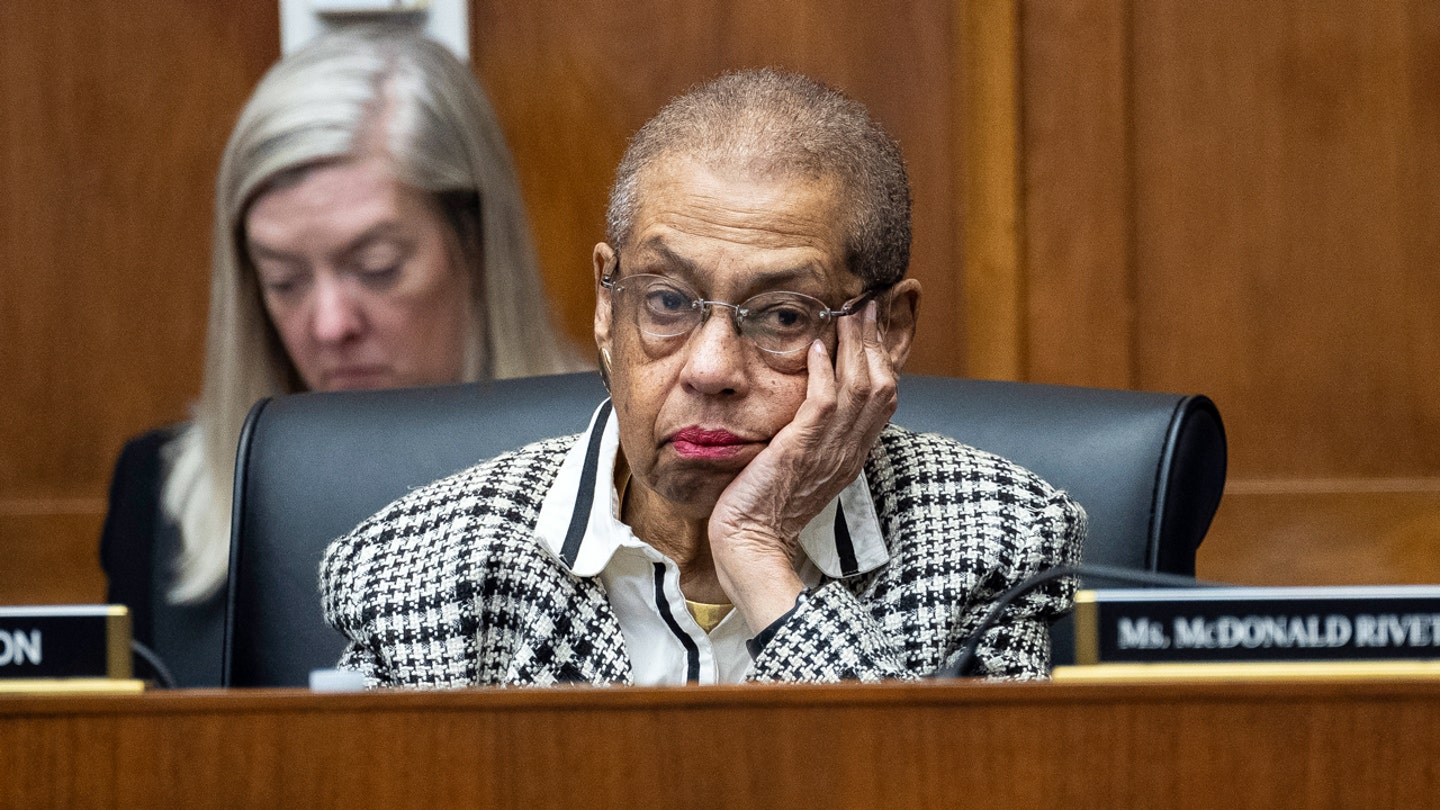
All eyes on Washington, and naught but deafening silence from the District's loudest defender
Entities mentioned:
- Eleanor Holmes Norton: Duty, Justice, Determination
- David Dreier: Control, Power, Influence
- Donald Trump: Power, Control, Influence
- Muriel Bowser: Duty, Self-preservation, Indignation
- Chris Van Hollen: Justice, Moral outrage, Duty
- Brandon Scott: Duty, Justice, Indignation
- Phil Mendelson: Loyalty, Wariness, Duty
- Hakeem Jeffries: Unity, Loyalty, Self-preservation
- Kinney Zalesne: Ambition, Justice, Competitive spirit
Article Assessment:
Credibility Score: 75/100
Bias Rating: 45/100 (Center)
Sentiment Score: 35/100
Authoritarianism Risk: 55/100 (Mixed/Neutral)
Bias Analysis:
The article presents multiple perspectives and quotes from various political figures, maintaining a relatively balanced approach. While it raises questions about Norton's recent inactivity, it also provides context and historical background, avoiding overtly partisan language.
Key metric: Democratic Representation
As a social scientist, I analyze that this article highlights a critical juncture in Washington D.C.'s struggle for full representation and local autonomy. The absence of Eleanor Holmes Norton's typically forceful advocacy during a time of federal intervention in local affairs underscores the precarious position of D.C.'s governance. This situation exemplifies the ongoing tension between federal control and local self-determination in the District, impacting the key metric of Democratic Representation. The deployment of federal forces without local consent and the relative silence of D.C.'s primary congressional advocate raise significant questions about the balance of power and the effectiveness of non-voting representation. This event may serve as a catalyst for renewed discussions on D.C. statehood and the broader implications for democratic representation in the U.S. political system.
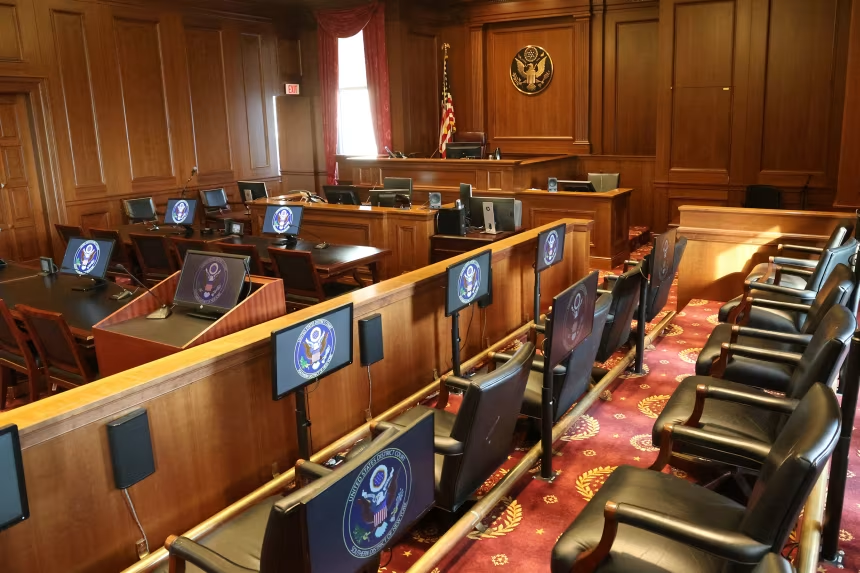
Federal courts go old school to paper filings after hack to key system
Entities mentioned:
- Federal Courts: Security, Duty, Professional pride
- Stanley Bastian: Security, Duty, Professional pride
- Cecilia Altonaga: Security, Duty, Professional pride
- Mark Davis: Security, Duty, Professional pride
- George Russell III: Security, Duty, Professional pride
- Administrative Office of the US Courts: Security, Duty, Professional pride
- Kremlin: Power, Control, Influence
- President Donald Trump: Pride, Competitive spirit, Power
Article Assessment:
Credibility Score: 75/100
Bias Rating: 45/100 (Center)
Sentiment Score: 35/100
Authoritarianism Risk: 25/100 (Generally Democratic)
Bias Analysis:
The article presents a balanced view of the situation, quoting multiple sources and providing context. It includes a brief mention of Trump's response without overtly favoring any political stance.
Key metric: National Cybersecurity Preparedness
As a social scientist, I analyze that this article highlights a significant vulnerability in the U.S. federal court system's cybersecurity infrastructure. The shift to paper-based filings for sensitive documents across multiple federal districts indicates a serious breach that potentially compromises national security and the integrity of the judicial system. This reactive measure, while necessary, exposes the outdated nature of the court's digital systems and the urgent need for modernization. The alleged involvement of a foreign government (possibly Russia) in the cyber attack further emphasizes the geopolitical implications of this security lapse. The varied responses from different district courts also reveal a lack of standardized cybersecurity protocols across the federal judiciary, which could lead to inconsistencies in information protection. This incident may erode public trust in the government's ability to safeguard sensitive information and potentially impact the efficiency of court proceedings.

Texas Democrats signal they are ready to end redistricting standoff and return to state
Entities mentioned:
- Texas Democratic lawmakers: Justice, Influence, Righteousness
- Texas Republicans: Power, Control, Ambition
- Donald Trump: Influence, Power, Legacy
- California Democrats: Competitive spirit, Justice, Influence
- Greg Abbott: Control, Power, Determination
- Barack Obama: Influence, Unity, Justice
Article Assessment:
Credibility Score: 75/100
Bias Rating: 55/100 (Center)
Sentiment Score: 40/100
Authoritarianism Risk: 35/100 (Generally Democratic)
Bias Analysis:
The article presents perspectives from both Democrats and Republicans, though it provides more detailed coverage of Democratic actions and motivations. While it maintains a generally neutral tone, there's a slight lean towards framing the Democrats' actions more sympathetically.
Key metric: Electoral Competitiveness
As a social scientist, I analyze that this article highlights a significant political struggle over redistricting in Texas, with potential national implications for the balance of power in the U.S. House of Representatives. The Texas Democrats' temporary exodus to deny quorum was a strategic move to delay Republican-led redistricting efforts, which could result in additional Republican seats. This standoff reflects broader tensions in American democracy, particularly regarding voting rights and political representation. The involvement of other states, notably California, in potentially offsetting Texas' redistricting impact, demonstrates the interconnected nature of state-level political maneuvering in shaping national electoral outcomes. This situation underscores the critical role of redistricting in determining electoral competitiveness and representation, potentially affecting the overall health and fairness of the democratic process.
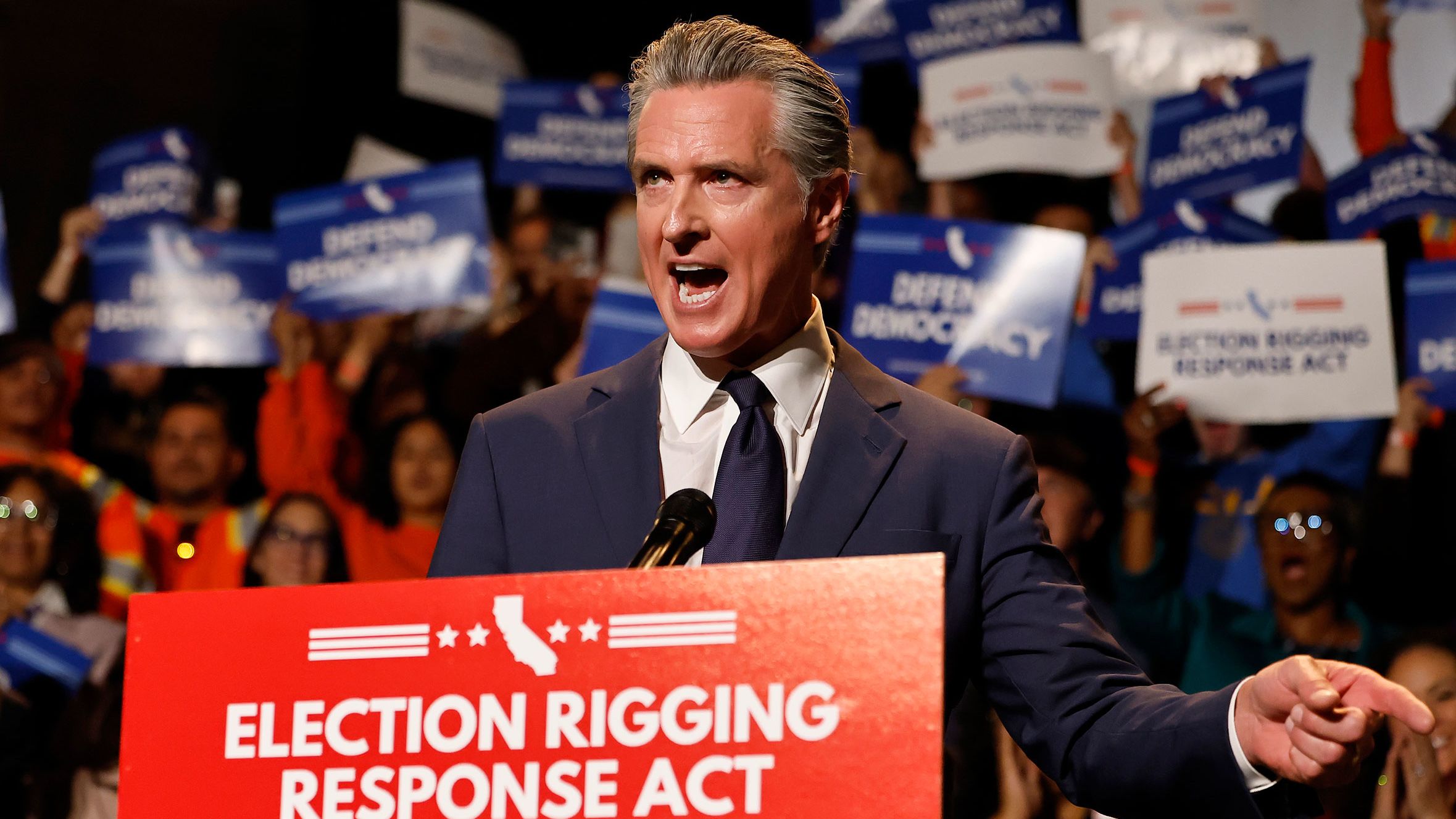
Newsom announces California redistricting push, setting up a standoff with GOP-led opponents
Entities mentioned:
- Gavin Newsom: Power, Justice, Competitive spirit
- Donald Trump: Power, Control, Influence
- Greg Abbott: Power, Control, Competitive spirit
- Arnold Schwarzenegger: Justice, Legacy, Righteousness
- Charles Munger Jr.: Justice, Influence, Legacy
- League of Women Voters: Justice, Duty, Righteousness
- Common Cause: Justice, Influence, Duty
- Steve Hilton: Ambition, Competitive spirit, Justice
- Kevin Kiley: Justice, Duty, Self-preservation
Article Assessment:
Credibility Score: 75/100
Bias Rating: 45/100 (Center)
Sentiment Score: 35/100
Authoritarianism Risk: 55/100 (Mixed/Neutral)
Bias Analysis:
The article presents multiple viewpoints and includes voices from both sides of the debate. While it gives slightly more space to Newsom's perspective, it also presents counterarguments and opposition views, maintaining a relatively balanced approach.
Key metric: Electoral Integrity
As a social scientist, I analyze that this article highlights a significant political conflict over redistricting in California, with potential national implications. Governor Newsom's push to redraw congressional maps is framed as a response to Republican efforts in other states, particularly Texas. This creates a complex dynamic where democratic principles (independent redistricting) are being challenged in the name of perceived fairness and political competition. The involvement of various political actors, advocacy groups, and former officials demonstrates the high stakes of this issue. The potential impact on Electoral Integrity is substantial, as it could affect the balance of power in Congress and set precedents for how states respond to redistricting efforts in other parts of the country. The article also touches on broader themes of partisanship, the role of independent commissions, and the tension between state-level democracy and national political strategy.
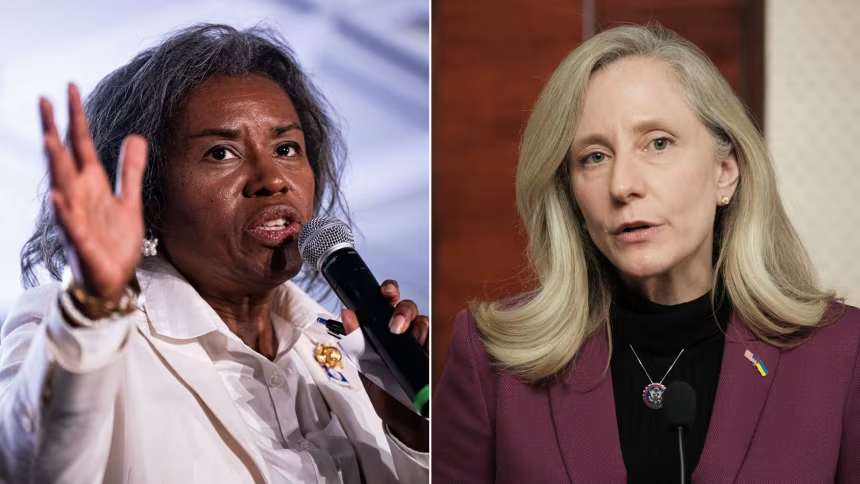
Spanberger and Earle-Sears still at odds over when to debate in Virginia governor’s race
Entities mentioned:
- Winsome Earle-Sears: Ambition, Competitive spirit, Recognition
- Abigail Spanberger: Ambition, Control, Professional pride
- CNN: Recognition, Influence, Professional pride
- Virginia Police Benevolent Association: Influence, Security, Professional pride
- Peyton Vogel: Loyalty, Professional pride, Influence
- Samson Signori: Loyalty, Control, Professional pride
Article Assessment:
Credibility Score: 75/100
Bias Rating: 55/100 (Center)
Sentiment Score: 45/100
Authoritarianism Risk: 25/100 (Generally Democratic)
Bias Analysis:
The article presents both candidates' perspectives relatively evenly, quoting spokespersons from each campaign. While it gives slightly more context for Earle-Sears' position, it maintains a generally balanced approach to reporting the debate situation.
Key metric: Voter Engagement and Participation
As a social scientist, I analyze that this article highlights the strategic maneuvering in the Virginia governor's race, particularly regarding debate participation. The disagreement over debate venues and formats reflects each campaign's attempt to control the narrative and gain a perceived advantage. This conflict could impact voter engagement by potentially limiting direct comparisons between candidates and reducing opportunities for voters to assess them side-by-side. The involvement of CNN, a national network, versus local broadcasters also speaks to tensions between national and local interests in state-level politics. The police association's split endorsements suggest a complex political landscape that doesn't cleanly align with party lines on all issues. Overall, this situation may lead to decreased voter engagement if debates are limited or seen as inaccessible, potentially affecting turnout and informed decision-making in the election.
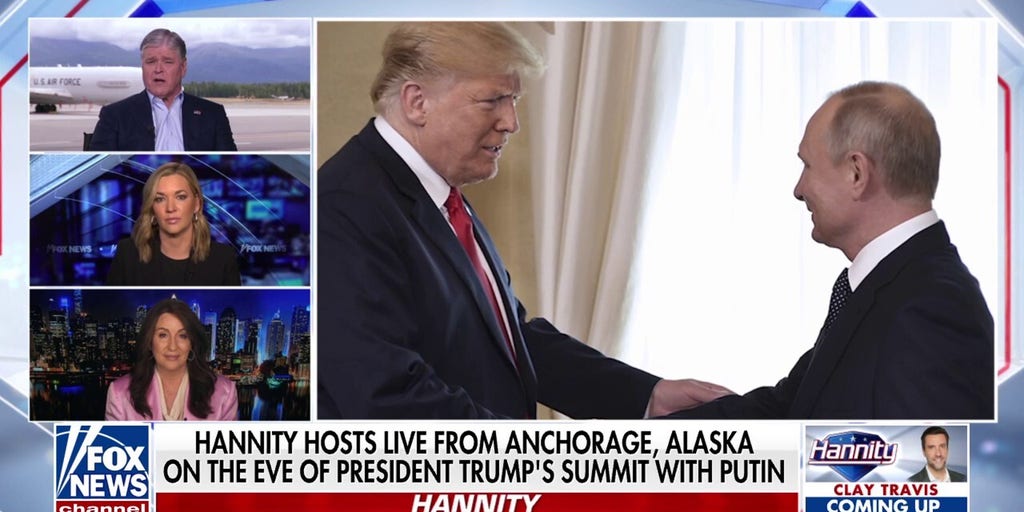
There's a reason why Putin decided to invade Ukraine under Joe Biden's presidency, says Katie Pavlich
Entities mentioned:
- Vladimir Putin: Power, Control, Ambition
- Joe Biden: Duty, Influence, Security
- Katie Pavlich: Influence, Recognition, Competitive spirit
- Miranda Devine: Influence, Recognition, Competitive spirit
- Donald Trump: Power, Recognition, Influence
- Fox News: Influence, Competitive spirit, Recognition
Article Assessment:
Credibility Score: 45/100
Bias Rating: 75/100 (Lean Right)
Sentiment Score: 35/100
Authoritarianism Risk: 40/100 (Generally Democratic)
Bias Analysis:
The article leans right due to its source (Fox News) and framing that favors Trump's approach over Biden's. The commentary from conservative contributors without balancing perspectives indicates a right-leaning bias.
Key metric: International Relations and Diplomacy
As a social scientist, I analyze that this article suggests a perceived shift in international power dynamics and diplomatic approach between the Trump and Biden administrations, particularly concerning Russia. The commentary implies that Putin's decision to invade Ukraine during Biden's presidency is not coincidental, hinting at a perceived weakness or change in U.S. foreign policy. The suggestion that Trump could end the war indicates a belief in his different approach to international relations. This framing may influence public perception of U.S. leadership and its global standing, potentially impacting diplomatic efforts and alliances.
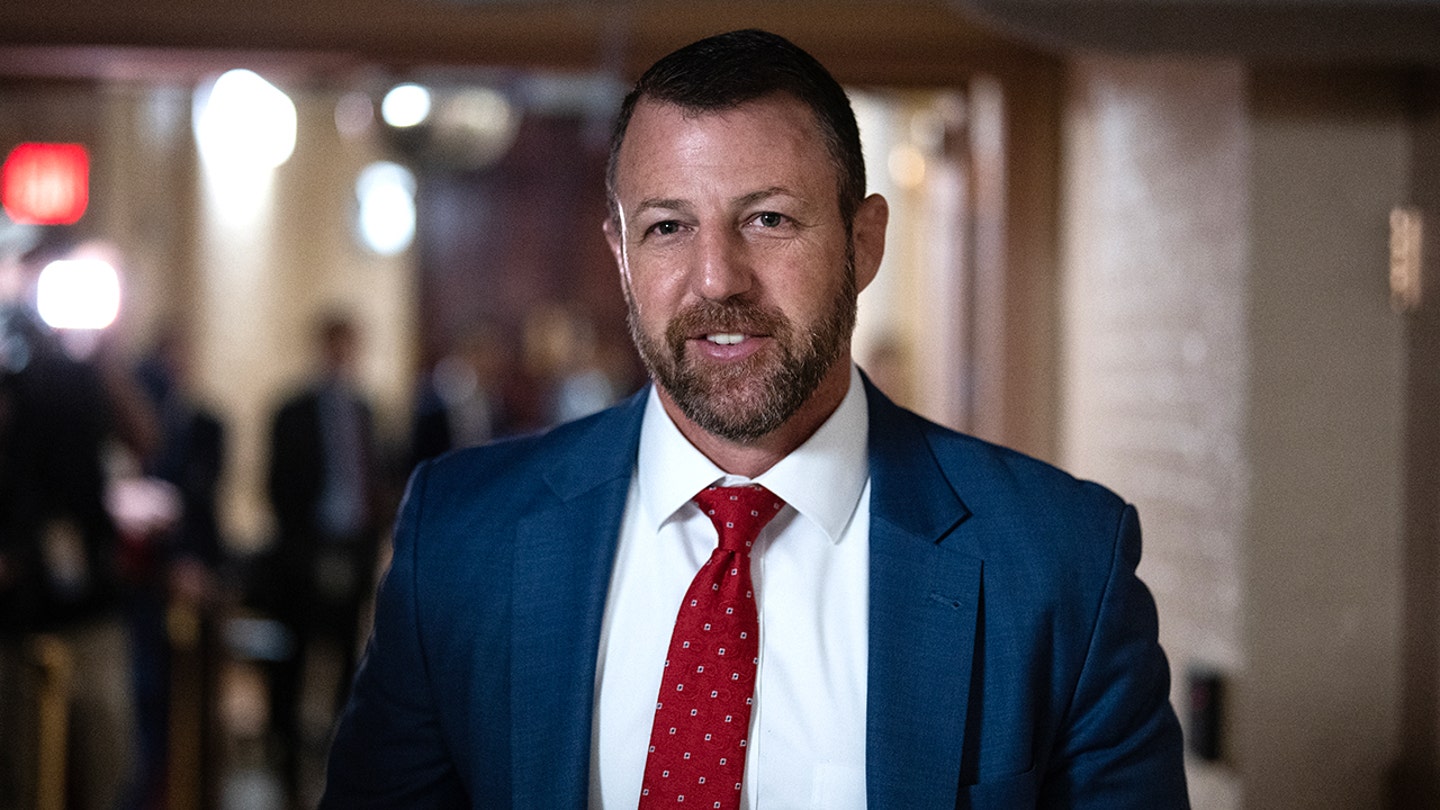
GOP Sen. Markwayne Mullin, former MMA fighter, skips seat belts in DC over carjacking fears
Entities mentioned:
- Sen. Markwayne Mullin: Self-preservation, Security, Wariness
- Fox News Channel: Influence, Recognition, Competitive spirit
- Brian Kilmeade: Professional pride, Influence, Curiosity
- President Donald Trump: Power, Control, Influence
Article Assessment:
Credibility Score: 65/100
Bias Rating: 70/100 (Lean Right)
Sentiment Score: 35/100
Authoritarianism Risk: 55/100 (Mixed/Neutral)
Bias Analysis:
The article leans right, evidenced by its focus on a Republican senator and positive framing of Trump's actions. It presents the crime narrative without counterbalancing statistics or alternative viewpoints, potentially exaggerating the issue.
Key metric: Public Safety and Crime Rate
As a social scientist, I analyze that this article highlights a perceived threat to public safety in Washington D.C., particularly regarding carjacking. Sen. Mullin's decision to forgo seatbelt use due to carjacking fears indicates a significant concern about crime rates in the capital. This perception, whether accurate or exaggerated, can impact public trust in local law enforcement and government effectiveness. The mention of Trump's intention to 'take our capital back' further emphasizes the narrative of a city struggling with crime issues. This focus on crime and safety concerns in D.C. could influence public opinion, potentially affecting policy decisions, law enforcement strategies, and even migration patterns in and out of the city.
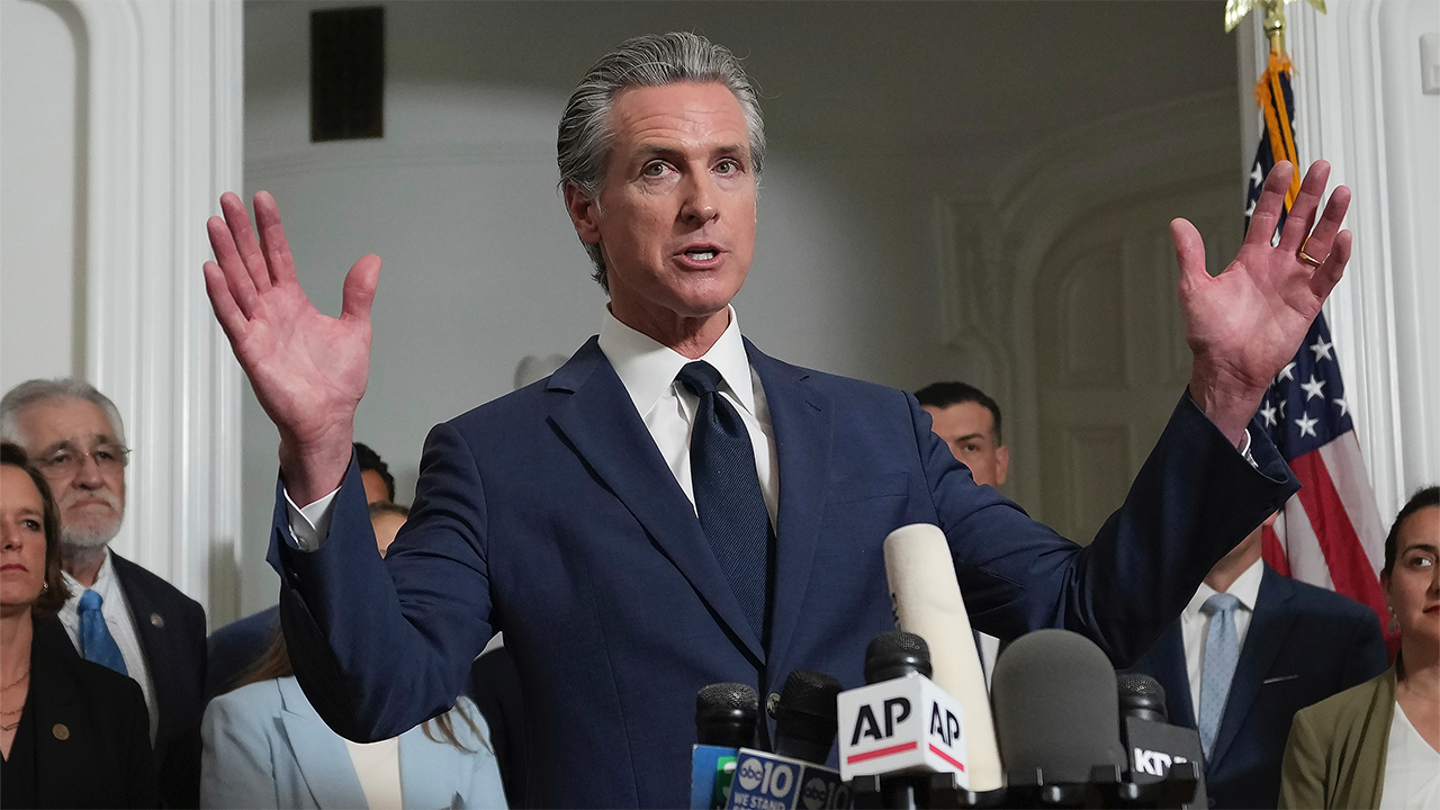
Newsom unveiling California redistricting effort to counter Trump-backed push in Texas
Entities mentioned:
- Gavin Newsom: Ambition, Competitive spirit, Power
- Donald Trump: Power, Control, Influence
- California Democratic Party: Power, Control, Competitive spirit
- Republican Party: Power, Control, Self-preservation
- Arnold Schwarzenegger: Justice, Duty, Legacy
- National Republican Congressional Committee: Power, Control, Competitive spirit
Article Assessment:
Credibility Score: 65/100
Bias Rating: 55/100 (Center)
Sentiment Score: 35/100
Authoritarianism Risk: 60/100 (Mixed/Neutral)
Bias Analysis:
The article presents views from both Democratic and Republican sides, including criticisms of Newsom's plan. However, it gives more space to Newsom's perspective and motivations, slightly tilting the overall tone towards a center-left position.
Key metric: Electoral Competitiveness
As a social scientist, I analyze that this article highlights a significant escalation in the ongoing battle over redistricting and its impact on electoral competitiveness. Governor Newsom's aggressive response to Republican redistricting efforts in Texas represents a departure from California's previous commitment to non-partisan redistricting. This move could potentially alter the balance of power in the House of Representatives, affecting national policy-making. The use of mid-decade redistricting as a political tool raises concerns about the stability and fairness of electoral systems, potentially undermining voter trust in democratic processes. The article also underscores the increasing nationalization of state-level politics, with state actions being framed as direct responses to federal-level political maneuvers.
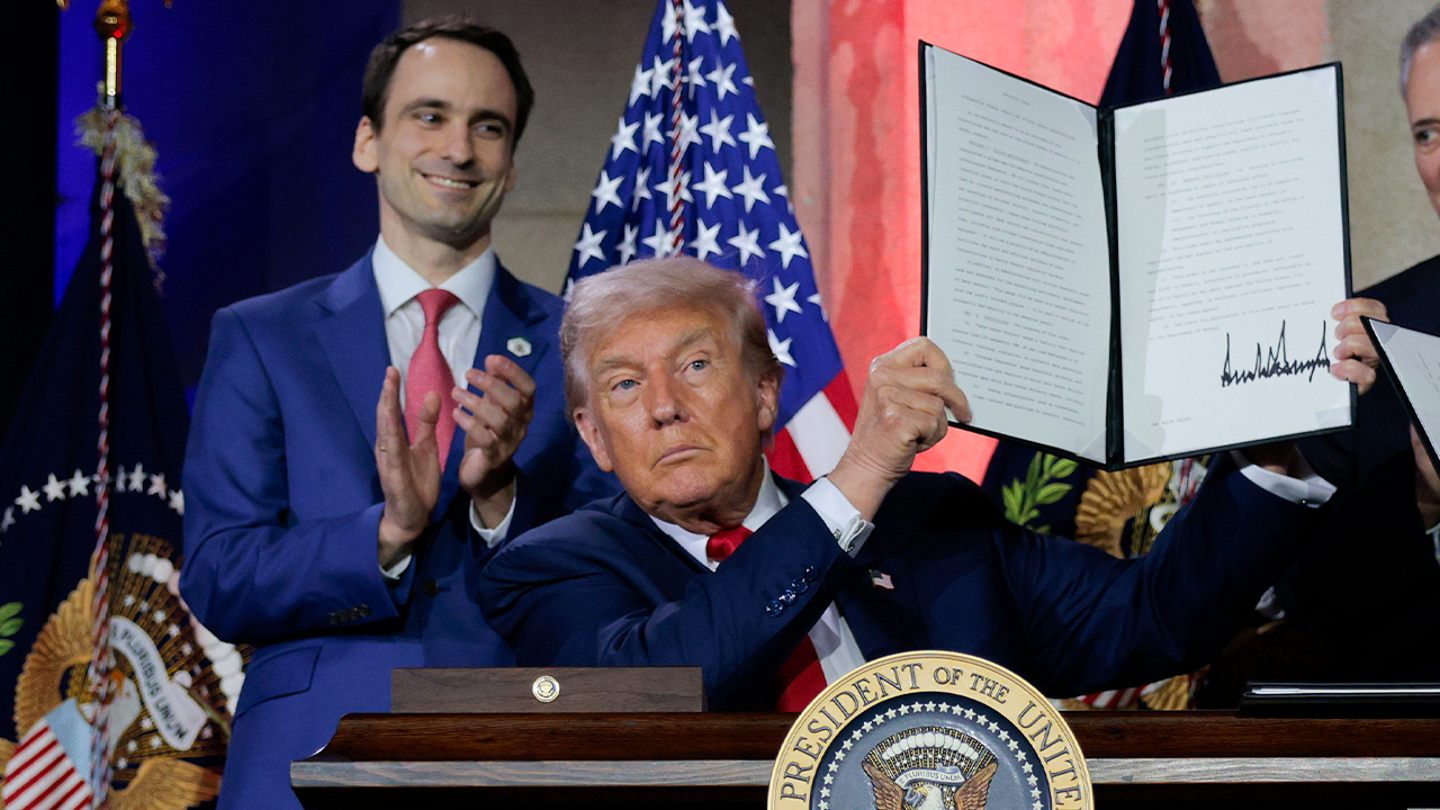
Trump admin unveils groundbreaking tool 'supercharging' gov't efficiency to 'win the race' for AI dominance
Entities mentioned:
- Trump administration: Ambition, Competitive spirit, Power
- U.S. General Services Administration (GSA): Efficiency, Professional pride, Duty
- David Shive: Professional pride, Ambition, Duty
- Stephen Ehikian: Competitive spirit, Professional pride, Ambition
- David Sacks: Duty, Security, Control
- Josh Gruenbaum: Competitive spirit, Efficiency, Professional pride
- OpenAI: Ambition, Influence, Recognition
- Anthropic: Competitive spirit, Recognition, Influence
Article Assessment:
Credibility Score: 65/100
Bias Rating: 70/100 (Lean Right)
Sentiment Score: 75/100
Authoritarianism Risk: 45/100 (Mixed/Neutral)
Bias Analysis:
The article leans right, evidenced by its exclusive focus on the Trump administration's achievements and positive framing of their initiatives. The use of 'FIRST ON FOX' and reliance on administration officials for quotes without opposing viewpoints indicates a pro-Trump bias.
Key metric: U.S. Technological Competitiveness
As a social scientist, I analyze that this article highlights the Trump administration's aggressive push to establish U.S. dominance in artificial intelligence through government-wide implementation. The launch of USAi represents a significant step in operationalizing the administration's AI Action Plan, aiming to enhance government efficiency and maintain America's global technological leadership. This initiative could potentially accelerate AI adoption across federal agencies, potentially leading to improved service delivery and cost reductions. However, the rapid implementation of AI in government operations also raises questions about data security, privacy, and the potential for job displacement among federal workers. The emphasis on 'winning the race' for AI dominance reflects a competitive, nationalistic approach to technological advancement, which could have implications for international collaborations and global AI governance frameworks.