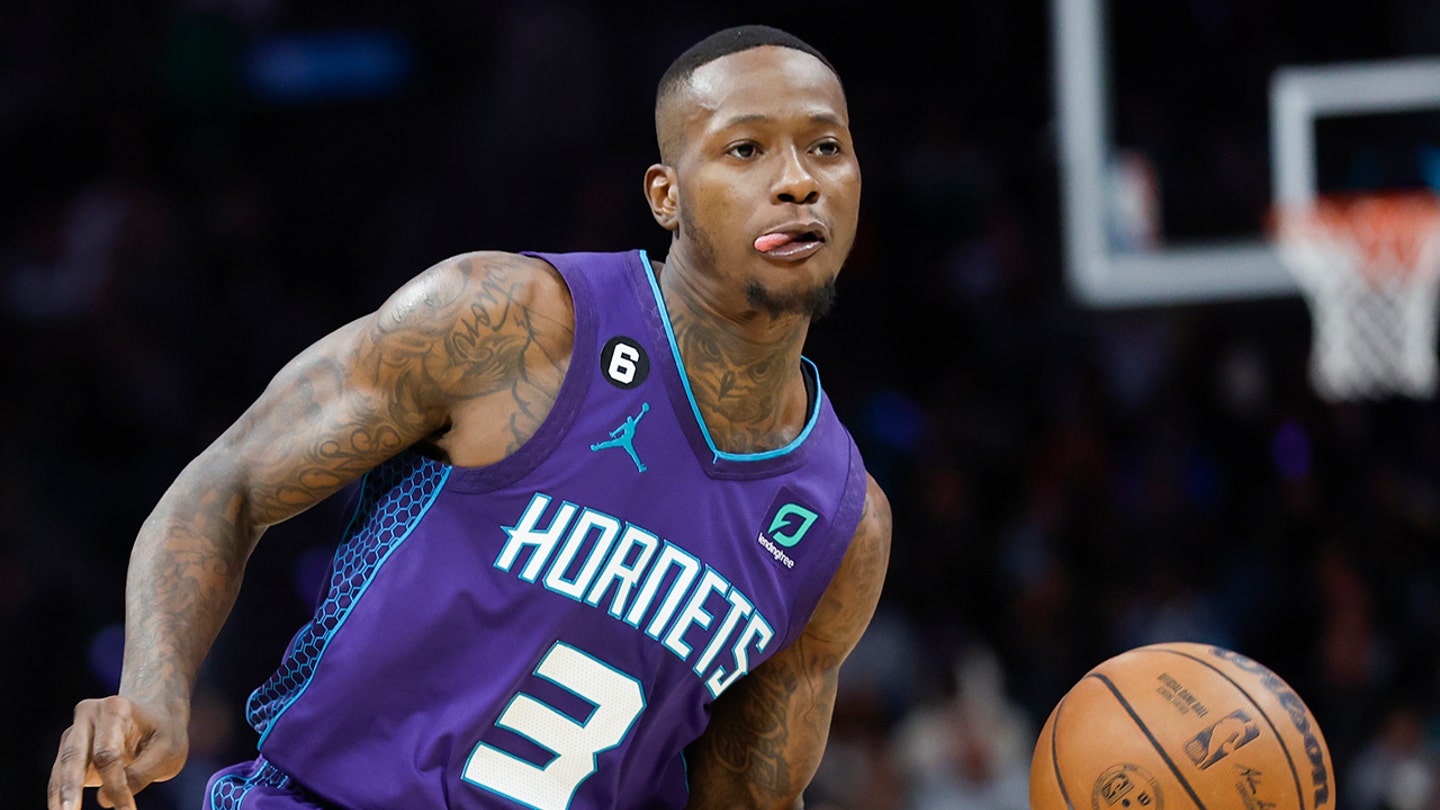
Terry Rozier's attorney maintains innocence, says government is 'making deals with the devil' for cooperation
Entities mentioned:
- Terry Rozier: Self-preservation, Professional pride, Justice
- Jim Trusty: Loyalty, Righteousness, Determination
- Government Prosecutors: Ambition, Justice, Power
- Charlotte Hornets: Competitive spirit, Professional pride, Self-preservation
Article Assessment:
Credibility Score: 65/100
Bias Rating: 55/100 (Center)
Sentiment Score: 30/100
Authoritarianism Risk: 35/100 (Generally Democratic)
Bias Analysis:
The article presents both the prosecution's case and the defense's arguments, maintaining a relatively balanced approach. However, it gives slightly more space to the defense's perspective, which nudges it towards the center.
Key metric: NBA Player Integrity
Let me tell you something, folks - this is a FULL COURT PRESS on Terry Rozier's reputation! The government is pulling out all the stops, trying to score points against this NBA player. But Rozier's attorney is playing DEFENSE like it's Game 7 of the Finals! He's swatting away these allegations left and right, claiming the prosecution is making Hail Mary passes with some shady teammates. This isn't just a foul call anymore - it's a battle for the integrity of the game! Rozier's camp is adamant he was just riding the bench due to an injury, not some underhanded play-calling. They're saying the government is running a full-court trap with some questionable allies, trying to catch Rozier off-guard. But let me tell you right now, this legal matchup is far from over - we're only in the first quarter of what could be a long, drawn-out championship series in the courtroom!
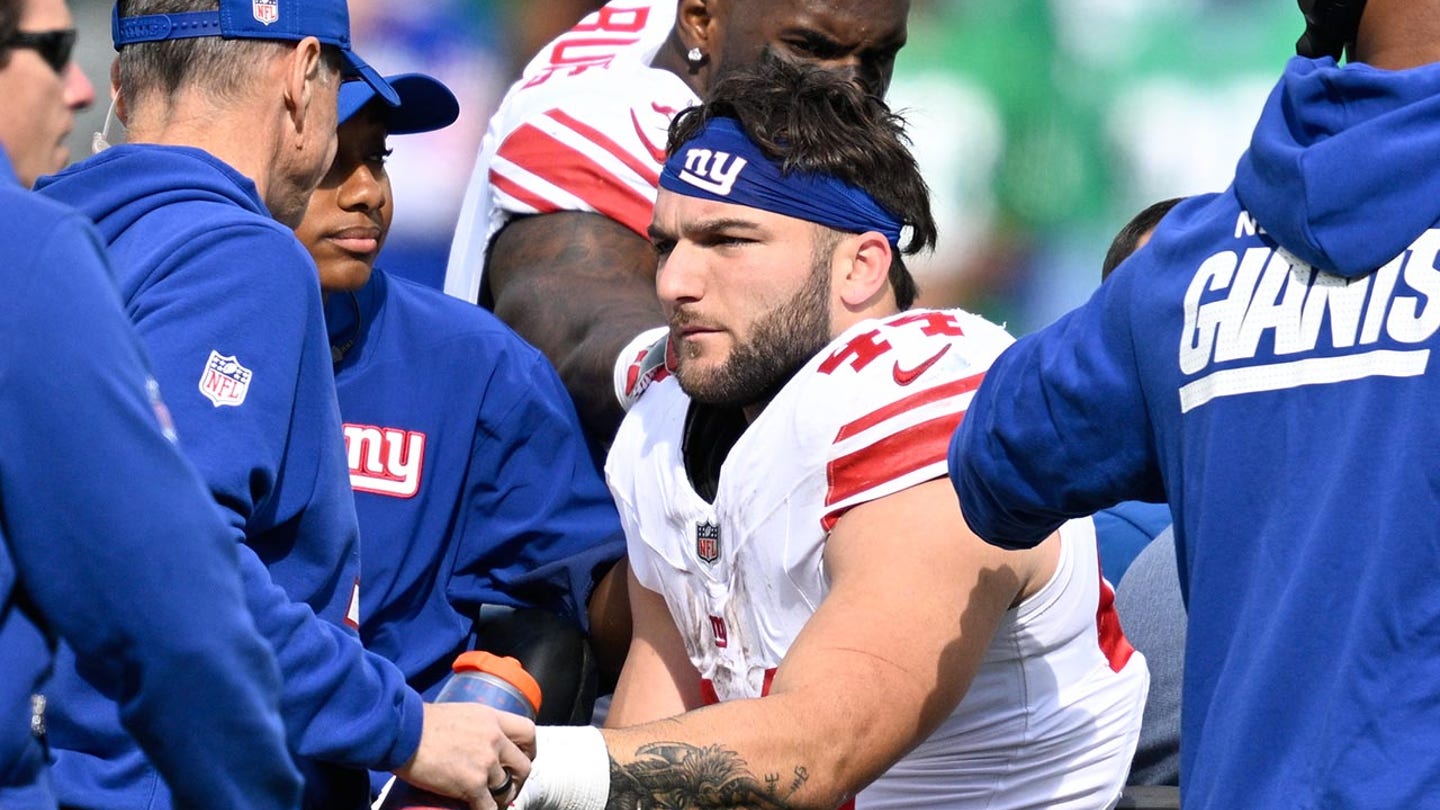
Doctor of physical therapy explains Cam Skattebo’s gruesome ankle injury and recovery outlook
Entities mentioned:
- Cam Skattebo: Determination, Competitive spirit, Professional pride
- Tom Christ: Professional pride, Duty, Curiosity
- Brian Daboll: Duty, Competitive spirit, Loyalty
Article Assessment:
Credibility Score: 75/100
Bias Rating: 50/100 (Center)
Sentiment Score: 40/100
Authoritarianism Risk: 20/100 (Strongly Democratic)
Bias Analysis:
The article presents a balanced view, incorporating expert medical opinion and coach's perspective. It focuses on factual information about the injury and recovery process without pushing any particular agenda.
Key metric: NFL Player Recovery and Performance
Let me tell you something, folks - this is a GAME-CHANGING injury we're talking about! Cam Skattebo, the rookie phenom, has been SIDELINED with a devastating ankle injury that's got the whole league BUZZING. This kid was CHARGING down the field like a runaway freight train, but now he's facing his toughest opponent yet - a grueling recovery process. But don't count him out! With the CLUTCH moves from his medical team and the CHAMPIONSHIP MENTALITY of youth on his side, Skattebo's got a fighting chance to get back in the game. It's going to be a long, hard-fought battle, but if anyone's got the GRIT to come back from this, it's this young bruiser. We're looking at months of rehab here, folks - it's like preseason training on STEROIDS. But if Skattebo can power through this like he powers through defensive lines, he might just shock us all with a comeback for the ages. This is the kind of ADVERSITY that separates the pros from the amateurs, and I'm telling you right now, all eyes will be on Skattebo's recovery journey!