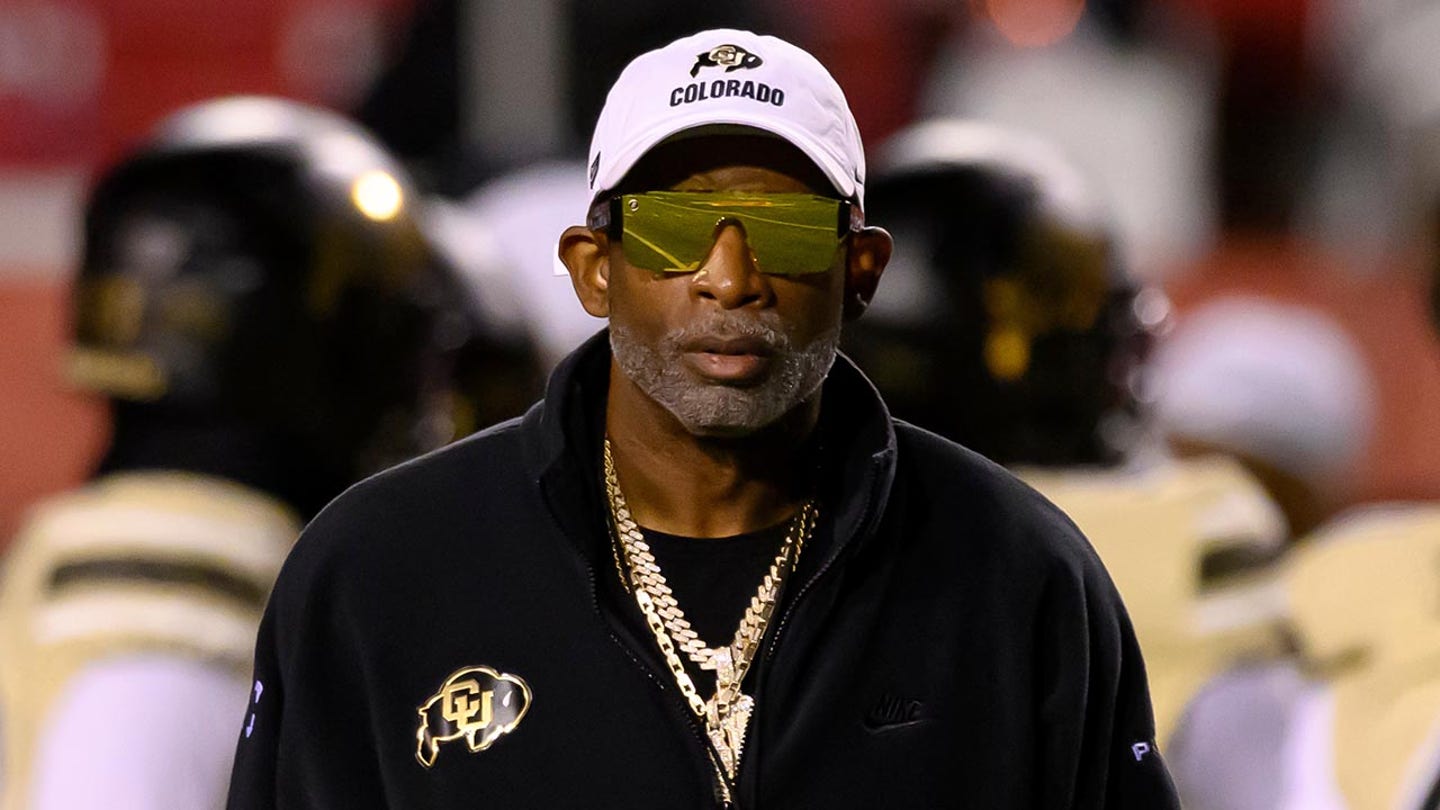
Deion Sanders compares spate of college football firings to 'mail-order brides' and Brazilian butt lifts
Entities mentioned:
- Deion Sanders: Professional pride, Competitive spirit, Recognition
- LSU: Ambition, Competitive spirit, Pride
- Brian Kelly: Self-preservation, Professional pride, Legacy
- James Franklin: Self-preservation, Professional pride, Legacy
- Billy Napier: Self-preservation, Professional pride, Legacy
- Colorado Buffaloes: Competitive spirit, Ambition, Pride
Article Assessment:
Credibility Score: 75/100
Bias Rating: 50/100 (Center)
Sentiment Score: 40/100
Authoritarianism Risk: 20/100 (Strongly Democratic)
Bias Analysis:
The article presents multiple viewpoints and quotes directly from the source. It maintains a neutral tone while reporting on various coaching changes and Sanders' comments.
Key metric: College Football Coaching Stability
Let me tell you something - this coaching carousel is spinning faster than a quarterback evading a blitz! We're seeing a RIDICULOUS lack of patience in college football, folks. These programs are treating coaches like disposable water bottles after a big game! It's as if every school thinks they can just order up a championship coach like a pizza delivery. But building a winning program takes time, just like conditioning for a marathon. These athletic directors are playing checkers when they should be playing chess, making knee-jerk reactions instead of long-term game plans. Deion Sanders is stepping up to the plate here, calling out this win-now-or-hit-the-showers mentality. He's got the championship mindset to understand that sometimes you've gotta grind through the tough seasons to build a dynasty. I'm telling you right now, this quick-fix culture is turning college football into a high-stakes game of musical chairs, and it's gonna backfire faster than a failed fake punt!
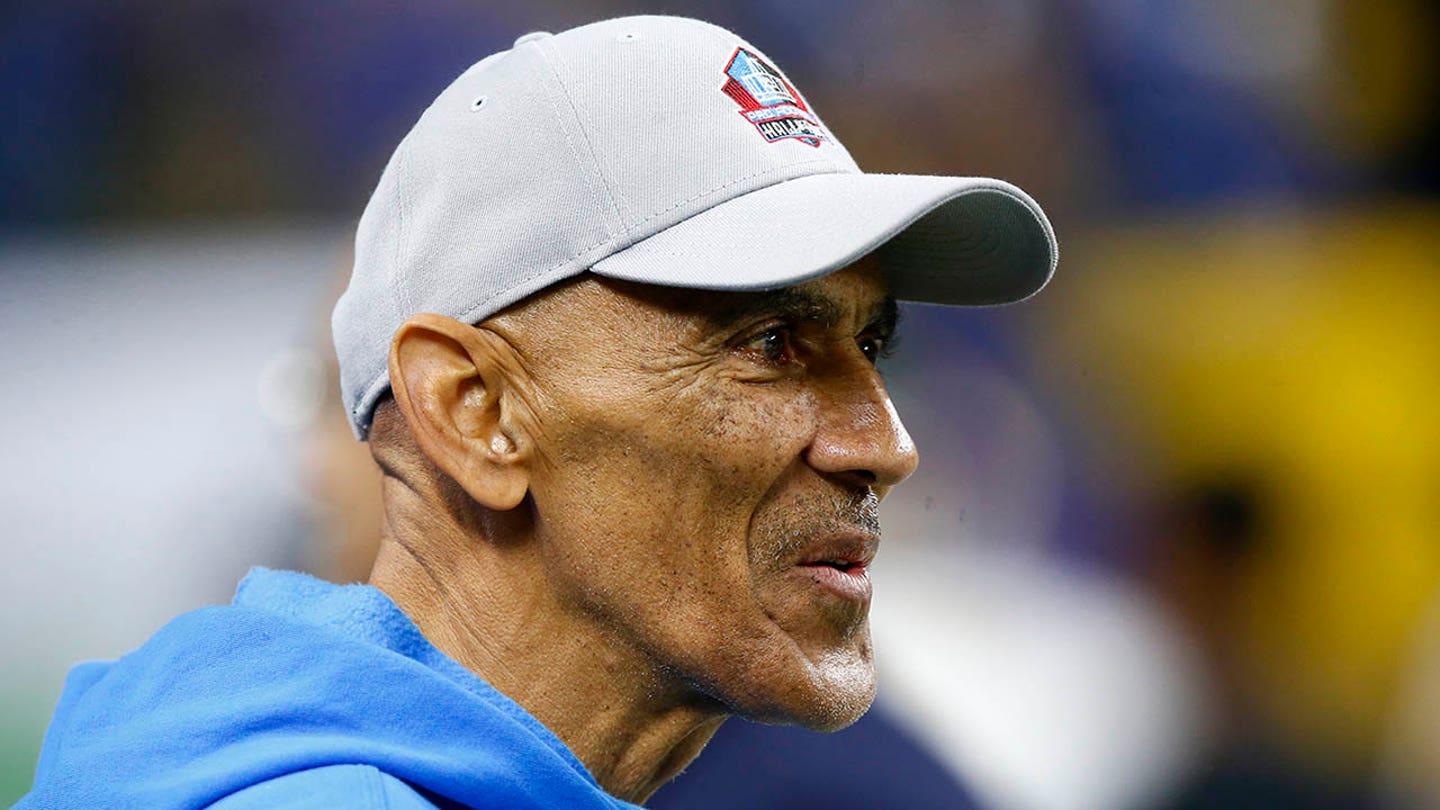
Former NFL coach Tony Dungy rails against league's replay assist rules: 'You create a credibility issue'
Entities mentioned:
- NFL: Control, Competitive spirit, Professional pride
- Tony Dungy: Justice, Professional pride, Righteousness
- Roger Goodell: Control, Power, Professional pride
Article Assessment:
Credibility Score: 75/100
Bias Rating: 50/100 (Center)
Sentiment Score: 35/100
Authoritarianism Risk: 25/100 (Generally Democratic)
Bias Analysis:
The article presents both NFL's perspective and Dungy's criticism, maintaining a balanced approach. It provides context and examples without overtly favoring either side of the argument.
Key metric: NFL Game Integrity Index
Let me tell you something - this story is a GAME-CHANGER for the NFL! Tony Dungy is coming off the sidelines and throwing a Hail Mary pass to overhaul the league's replay system. The NFL's current playbook on reviews is fumbling the ball, folks! Dungy's calling for an audible to make EVERY play reviewable. This isn't just moving the goalposts - it's like changing the whole dang field! The league's credibility is on the line here, and Dungy's not afraid to throw the challenge flag. We're talking fourth quarter, two-minute drill type urgency to fix this mess before the NFL loses its championship mentality. The expedited review system? That's like having instant replay for some players but not others - it just doesn't fly in a fair fight! Goodell and the NFL brass need to huddle up and make a game-winning decision before they lose the trust of the fans in the stands!