
2025 NFL Trade Deadline Tracker: Patriots Make 2 Deals
Entities mentioned:
- New England Patriots: Self-preservation, Competitive spirit, Ambition
- Pittsburgh Steelers: Competitive spirit, Ambition, Professional pride
- San Francisco 49ers: Determination, Competitive spirit, Self-preservation
- New York Jets: Self-preservation, Loyalty, Competitive spirit
- New Orleans Saints: Self-preservation, Ambition, Competitive spirit
- Philadelphia Eagles: Loyalty, Competitive spirit, Unity
- Jacksonville Jaguars: Loyalty, Competitive spirit, Professional pride
- Los Angeles Rams: Ambition, Competitive spirit, Determination
- Tennessee Titans: Self-preservation, Competitive spirit, Ambition
Article Assessment:
Credibility Score: 85/100
Bias Rating: 50/100 (Center)
Sentiment Score: 65/100
Authoritarianism Risk: 20/100 (Strongly Democratic)
Bias Analysis:
The article presents a balanced view of trade activities across multiple teams. It reports on various trades and rumors without favoring particular franchises or outcomes.
Key metric: NFL Team Roster Strength
Let me tell you something - this trade deadline is HEATING UP like the fourth quarter of a championship game! We're seeing teams make BOLD MOVES to strengthen their rosters for the playoff push. The Patriots are cleaning house like they're running two-minute drills, shipping off Dugger and White faster than a no-huddle offense. Meanwhile, the 49ers are in FULL BLITZ MODE after losing Bosa, bringing in reinforcements to patch up that defensive line. The Jets might be holding onto their stars, but let me tell you, that's a RISKY PLAY when you're at the bottom of the standings. And don't even get me started on the Rams - they're making fourth quarter acquisitions like a team with CHAMPIONSHIP DNA. This trade deadline is separating the CONTENDERS from the PRETENDERS, folks!
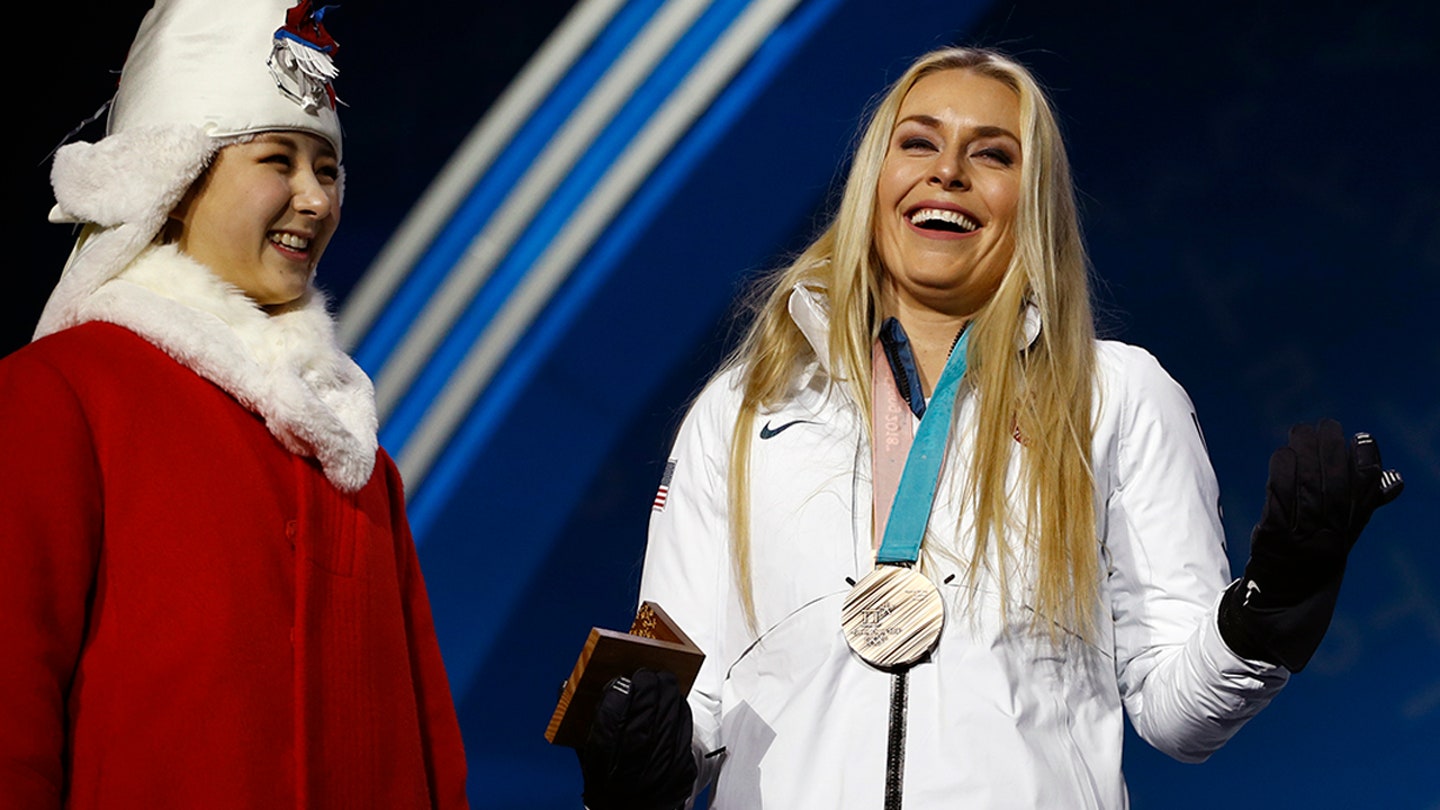
Olympic gold medalist Lindsey Vonn declines to say if she'd accept White House invitation after 2017 refusal
Entities mentioned:
- Lindsey Vonn: Competitive spirit, Professional pride, Wariness
- Donald Trump: Power, Control, Recognition
- US Olympic and Paralympic Committee: Unity, Pride, Professional pride
Article Assessment:
Credibility Score: 75/100
Bias Rating: 55/100 (Center)
Sentiment Score: 45/100
Authoritarianism Risk: 30/100 (Generally Democratic)
Bias Analysis:
The article presents both Vonn's past and present statements, showing a balanced approach. However, the inclusion of Fox News as the source of the recent question slightly tilts it towards center-right.
Key metric: International Diplomatic Relations
Let me tell you something - this story is a GAME-CHANGER in the world of sports diplomacy! Lindsey Vonn, a true champion of the slopes, is playing defense against a political power play. She's dodging questions like she dodges gates on a slalom course! This is a classic example of an athlete trying to stay in their lane and focus on the game, not get caught up in the political arena. But make no mistake, folks, the White House invitation is like a championship trophy in the world of international relations. Vonn's hesitation to commit is a strategic move, keeping her options open as she eyes another shot at Olympic glory. It's fourth quarter strategy at its finest - she's not showing her hand until she absolutely has to. This is the kind of political maneuvering that would make any coach proud!