
LSU women's basketball star questions governor's push for school to erect statue of Charlie Kirk
Entities mentioned:
- Flau'jae Johnson: Justice, Self-respect, Moral outrage
- Gov. Jeff Landry: Influence, Recognition, Righteousness
- Charlie Kirk: Legacy, Influence, Righteousness
- LSU: Unity, Recognition, Freedom
Article Assessment:
Credibility Score: 70/100
Bias Rating: 55/100 (Center)
Sentiment Score: 30/100
Authoritarianism Risk: 45/100 (Mixed/Neutral)
Bias Analysis:
The article presents both sides of the debate, quoting directly from key players. However, it leans slightly right by giving more context to Kirk's background and conservative event attendance.
Key metric: Campus Free Speech Index
Let me tell you something, folks - this is a HEATED MATCHUP between Team Free Speech and Team Social Justice! We've got a real CLASH OF TITANS here, with Gov. Landry making a bold offensive play by proposing a Charlie Kirk statue. But hold onto your hats, because LSU star Flau'jae Johnson is coming in hot with a DEFENSIVE SHUTDOWN! She's not just guarding the paint, she's guarding the entire campus against what she sees as a FOUL MOVE. This is a fourth-quarter nail-biter that could go into overtime, with the Campus Free Speech Index hanging in the balance. It's like we're watching a high-stakes game of political basketball, and both sides are leaving it ALL on the court!
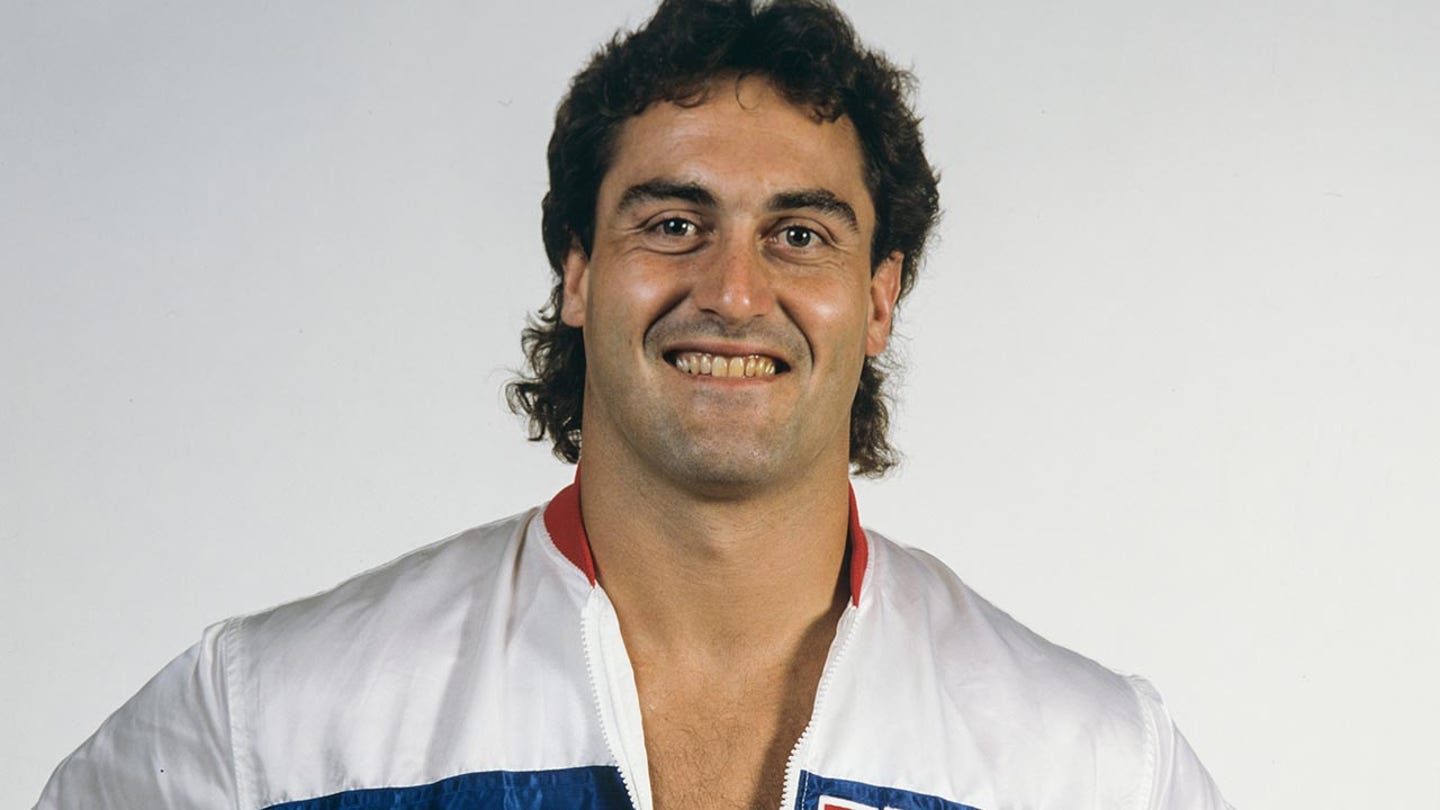
Former WWE star Mike Rotunda in hospice care, family says
Entities mentioned:
- Mike Rotunda: Professional pride, Legacy, Recognition
- Barry Windham: Loyalty, Duty, Recognition
- Leilani Kai: Loyalty, Duty, Enthusiasm
- WWE: Legacy, Recognition, Professional pride
Article Assessment:
Credibility Score: 75/100
Bias Rating: 50/100 (Center)
Sentiment Score: 30/100
Authoritarianism Risk: 20/100 (Strongly Democratic)
Bias Analysis:
The article presents a balanced view of Mike Rotunda's career and current situation. It includes quotes from multiple sources and sticks to factual information about his wrestling accomplishments.
Key metric: Public Health and Wellness
Let me tell you something, folks - this is a TOUGH BREAK for the wrestling world! Mike Rotunda, known as IRS in the squared circle, has been tagged out and placed in hospice care. This is like a champion being forced to hang up his boots before the big match! Rotunda was a tag team POWERHOUSE, folks. He and Barry Windham were like the Dream Team of wrestling, capturing gold TWICE as the U.S. Express. And let's not forget his Money Inc. days - talk about a DYNASTY! This guy was playing 4D chess while others were still learning checkers. Now, at 67, he's facing his toughest opponent yet. But I'm telling you right now, Rotunda's got the heart of a champion, and his legacy in the ring is UNMATCHED. The wrestling community is rallying around him like a team huddle before the big game. This is when we see the true spirit of the sport, folks - it's not just about the moves in the ring, it's about the bonds formed in the locker room. Rotunda's impact on the industry is like a perfect suplex - it'll be felt for generations to come!