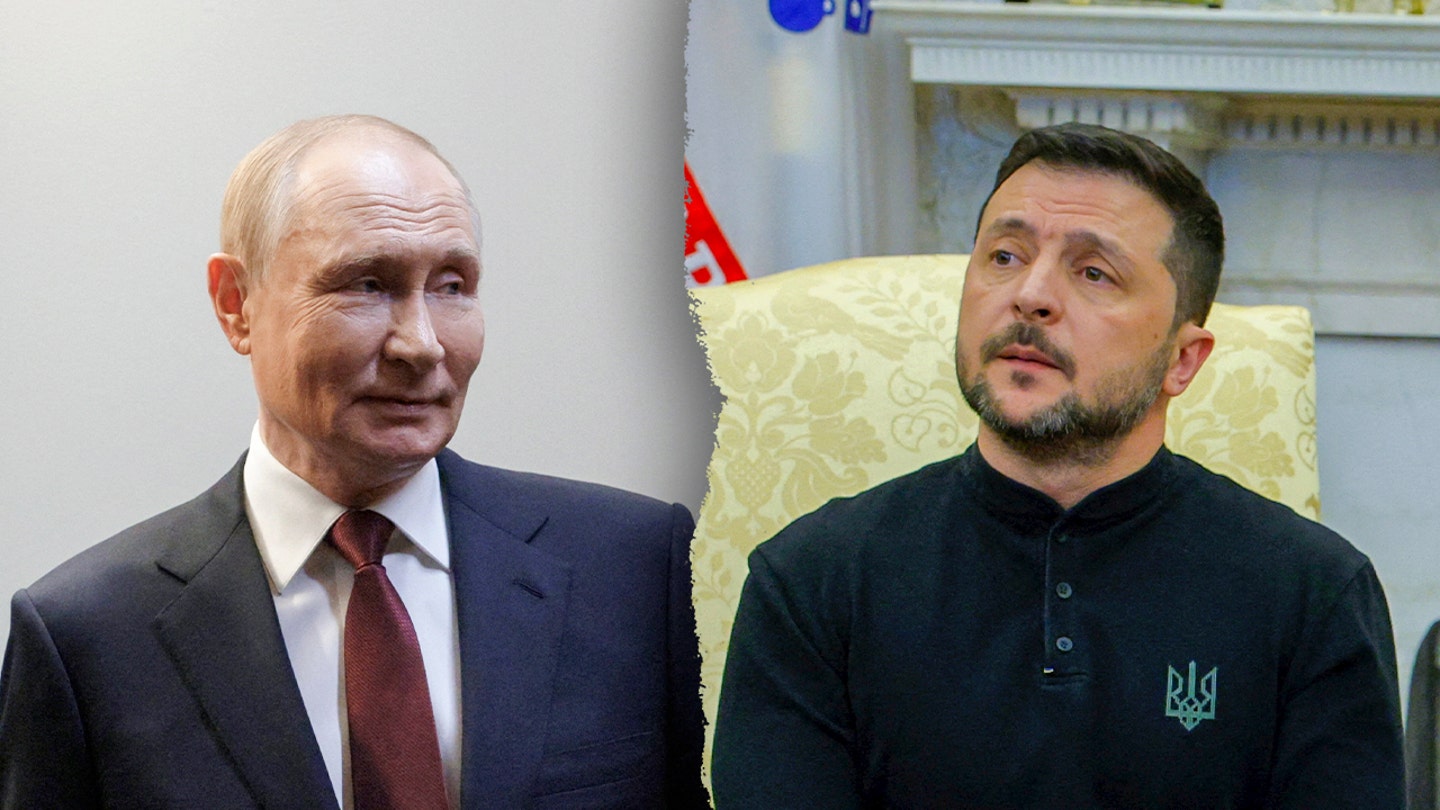
White House announces Putin agreed to bilateral meeting with Zelenskyy
Entities mentioned:
- Vladimir Putin: Power, Control, Self-preservation
- Volodymyr Zelenskyy: Determination, Justice, Unity
- Donald Trump: Legacy, Influence, Recognition
- Karoline Leavitt: Duty, Loyalty, Professional pride
- JD Vance: Duty, Influence, Ambition
- Marco Rubio: Duty, Influence, Professional pride
- Steve Witkoff: Duty, Influence, Professional pride
- Alexander Stubb: Unity, Recognition, Professional pride
- Keir Starmer: Unity, Recognition, Professional pride
- Mark Rutte: Unity, Recognition, Professional pride
Article Assessment:
Credibility Score: 65/100
Bias Rating: 70/100 (Lean Right)
Sentiment Score: 70/100
Authoritarianism Risk: 45/100 (Mixed/Neutral)
Bias Analysis:
The article leans right, focusing heavily on Trump's role and quoting primarily conservative or Trump-aligned sources. It presents a largely positive view of Trump's diplomatic efforts without significant counterbalancing perspectives.
Key metric: International Relations and Diplomacy
As a social scientist, I analyze that this article represents a significant shift in the dynamics of the Russia-Ukraine conflict. The agreement for a bilateral meeting between Putin and Zelenskyy, facilitated by the Trump administration, suggests a potential breakthrough in peace negotiations. This development could have far-reaching implications for global stability, NATO's role, and U.S. foreign policy. The involvement of multiple European leaders and their praise for Trump's efforts indicates a realignment of international diplomatic efforts. However, Putin's statement about the 2020 U.S. election raises questions about the motivations behind Russia's actions and the potential fragility of any peace agreement. The article also highlights concerns about long-term security guarantees for Ukraine, which will be crucial for sustainable peace in the region.
White House rejects ‘blank checks’ for Ukraine, presses NATO to shoulder costs
Entities mentioned:
- White House: Self-preservation, Control, Influence
- President Donald Trump: Ambition, Control, Influence
- Karoline Leavitt: Duty, Loyalty, Professional pride
- NATO: Security, Unity, Obligation
- Congress: Duty, Influence, Security
- JD Vance: Influence, Duty, Righteousness
- Volodymyr Zelenskyy: Self-preservation, Determination, Security
Article Assessment:
Credibility Score: 70/100
Bias Rating: 65/100 (Lean Right)
Sentiment Score: 45/100
Authoritarianism Risk: 35/100 (Generally Democratic)
Bias Analysis:
The article leans slightly right, focusing more on the Trump administration's perspective and quoting primarily Republican officials. While it includes some factual information, the framing tends to present the administration's view more prominently than alternative viewpoints.
Key metric: U.S. Military Spending
As a social scientist, I analyze that this article reflects a significant shift in U.S. foreign policy regarding military aid to Ukraine. The Trump administration is attempting to reduce direct U.S. financial involvement while maintaining support through alternative means, such as facilitating weapon sales through NATO. This approach aims to balance domestic fiscal concerns with international security commitments. The emphasis on European allies taking greater responsibility suggests a recalibration of U.S. global military engagement and spending priorities. This policy shift could have substantial implications for U.S. military spending, potentially reducing direct aid to Ukraine while promoting arms sales to NATO allies. The long-term impact on U.S. global influence and military strategy remains uncertain, as it depends on how effectively this new approach maintains stability in Eastern Europe and deters further Russian aggression.

JD Vance Booed By Own Reflection In Mirror
Entities mentioned:
- JD Vance: Ambition, Power, Self-preservation
Article Assessment:
Credibility Score: 30/100
Bias Rating: 25/100 (Lean Left)
Sentiment Score: 20/100
Authoritarianism Risk: 35/100 (Generally Democratic)
Bias Analysis:
The article leans left, using harsh satire to criticize a conservative politician. The language and framing are overtly negative towards Vance, indicating a clear political bias against him and his aligned party.
Key metric: Political Polarization
As a social scientist, I analyze that this satirical article highlights the perceived hypocrisy and moral compromise of JD Vance, a political figure. The portrayal of Vance being 'booed by his own reflection' symbolizes internal conflict and public criticism of his political choices. This metaphorical self-confrontation suggests a disconnect between Vance's past principles and current actions, potentially impacting political polarization by emphasizing the perceived betrayal of values for political gain.
- Read more about JD Vance Booed By Own Reflection In Mirror
- Log in to post comments

Fun Getaway With Murderous Dictator Just What Exhausted Trump Been Needing
Entities mentioned:
- Donald Trump: Power, Recognition, Self-preservation
- Vladimir Putin: Power, Control, Influence
- Nayib Bukele: Power, Control, Ambition
- Benjamin Netanyahu: Power, Influence, Self-preservation
- Recep Tayyip Erdoğan: Power, Control, Influence
- Viktor Orbán: Power, Control, Nationalism
Article Assessment:
Credibility Score: 30/100
Bias Rating: 20/100 (Extreme Left)
Sentiment Score: 25/100
Authoritarianism Risk: 70/100 (Authoritarian Tendencies)
Bias Analysis:
The article exhibits extreme left bias through its highly critical and satirical portrayal of Trump and other right-wing leaders. It uses exaggerated language and fictional scenarios to mock and delegitimize these figures, clearly aligning with left-leaning political views.
Key metric: Democratic Institutions Strength
As a social scientist, I analyze that this satirical article highlights concerns about the erosion of democratic norms and institutions in the United States. By portraying Trump as eagerly associating with authoritarian leaders, it suggests a worrying trend towards authoritarianism in US politics. The casual discussion of 'killing with total impunity' and leaders installing themselves as 'dictator for life' underscores fears about the potential abuse of power and disregard for democratic processes. This narrative, even in satire, reflects and potentially reinforces public anxieties about the state of American democracy and its global standing.

How the Supreme Court could wind up scrapping high-profile precedents in coming months
Entities mentioned:
- Supreme Court: Power, Legacy, Justice
- Donald Trump: Power, Control, Ambition
- John Roberts: Legacy, Justice, Professional pride
- Elena Kagan: Justice, Duty, Professional pride
- Kim Davis: Righteousness, Moral outrage, Self-respect
- Clarence Thomas: Justice, Legacy, Determination
Article Assessment:
Credibility Score: 75/100
Bias Rating: 45/100 (Center)
Sentiment Score: 35/100
Authoritarianism Risk: 55/100 (Mixed/Neutral)
Bias Analysis:
The article presents a balanced view of potential changes in Supreme Court decisions, citing both conservative and liberal perspectives. While it highlights concerns about overturning precedents, it also provides context for why some argue these changes are necessary.
Key metric: Judicial Independence and Stability
As a social scientist, I analyze that this article highlights a potential shift in the Supreme Court's approach to precedent, which could significantly impact judicial independence and stability in the US legal system. The Court's willingness to reconsider long-standing precedents on issues ranging from executive power to voting rights and religious freedom suggests a more activist approach that could reshape fundamental aspects of American law and governance. This trend may lead to increased uncertainty in legal interpretations and potentially undermine public trust in the judiciary's consistency and impartiality.
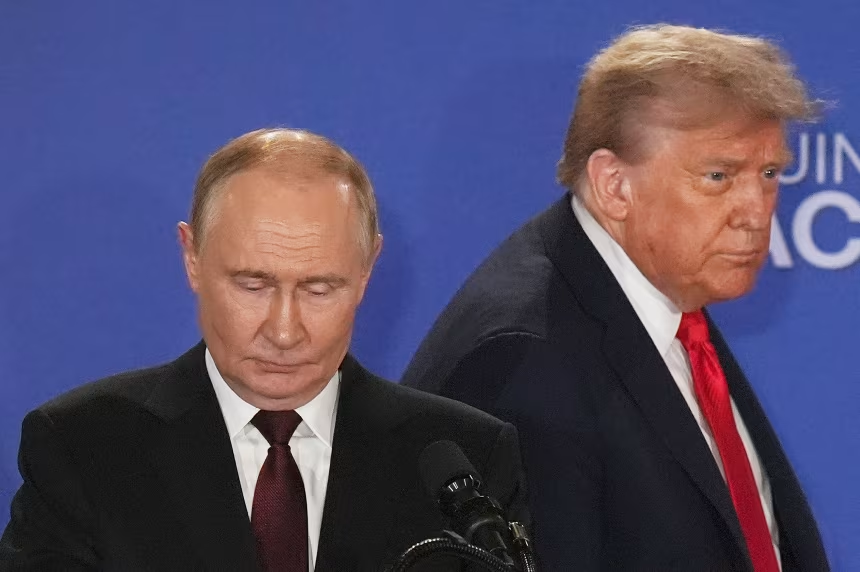
Trump’s empty threats on Russia sanctions
Entities mentioned:
- Donald Trump: Power, Control, Recognition
- Vladimir Putin: Power, Control, Self-preservation
- Volodymyr Zelensky: Unity, Self-preservation, Determination
- Barack Obama: Legacy, Influence, Justice
- Marco Rubio: Influence, Professional pride, Duty
- Lindsey Graham: Influence, Competitive spirit, Duty
- Mike Pence: Ambition, Loyalty, Influence
Article Assessment:
Credibility Score: 75/100
Bias Rating: 45/100 (Center)
Sentiment Score: 35/100
Authoritarianism Risk: 25/100 (Generally Democratic)
Bias Analysis:
The article presents a balanced view, including multiple perspectives and factual information. While critical of Trump's actions, it also provides context and explanations for potential strategy changes, maintaining a relatively centrist approach.
Key metric: Foreign Policy Effectiveness
As a social scientist, I analyze that this article highlights a significant shift in Trump's foreign policy approach towards Russia, particularly regarding sanctions. The repeated threats of sanctions without follow-through undermines U.S. credibility on the international stage. This inconsistency between rhetoric and action could weaken the U.S.'s negotiating position and its ability to influence global events, especially concerning the ongoing conflict in Ukraine. The article suggests that Trump's current stance may be giving Putin more time and leverage, potentially prolonging the conflict. This situation could lead to a decrease in the perceived effectiveness of U.S. foreign policy, as allies and adversaries may question the reliability of U.S. commitments and threats.
- Read more about Trump’s empty threats on Russia sanctions
- Log in to post comments
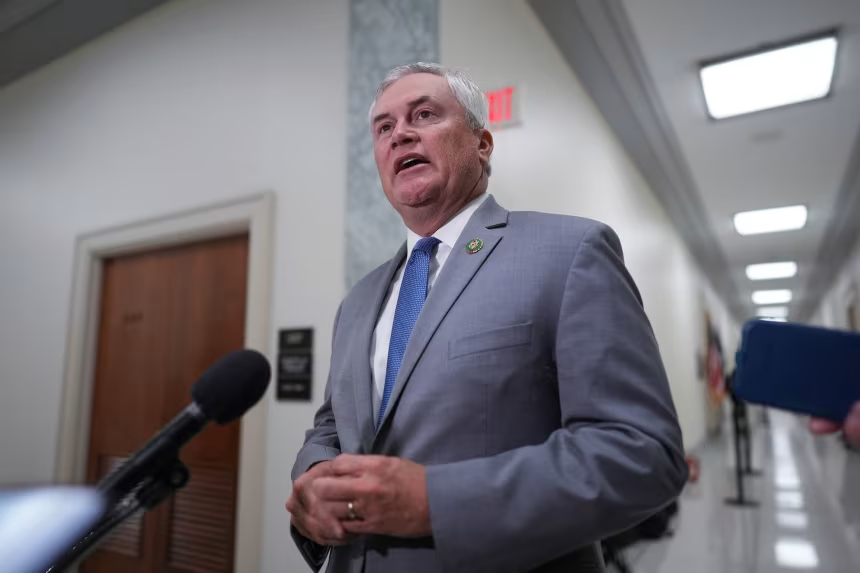
House Oversight Chair says Justice Department to start providing Epstein-related records on Friday
Entities mentioned:
- James Comer: Ambition, Justice, Influence
- Department of Justice: Duty, Control, Professional pride
- Bill Barr: Loyalty, Self-preservation, Duty
- Jeffrey Epstein: Power, Greed, Self-preservation
- Donald Trump: Power, Self-preservation, Legacy
- Democrats: Competitive spirit, Justice, Influence
- Republicans: Competitive spirit, Justice, Influence
- Mike Johnson: Control, Influence, Wariness
Article Assessment:
Credibility Score: 75/100
Bias Rating: 55/100 (Center)
Sentiment Score: 40/100
Authoritarianism Risk: 30/100 (Generally Democratic)
Bias Analysis:
The article presents multiple viewpoints, including both Republican and Democratic perspectives. While it gives slightly more space to Republican statements, it balances this with critical Democratic responses, maintaining a relatively centrist approach.
Key metric: Government Transparency and Accountability
As a social scientist, I analyze that this article highlights ongoing tensions between political parties and government institutions regarding the handling of sensitive information. The pursuit of Epstein-related records by the House Oversight Committee underscores a broader struggle for transparency and accountability in high-profile cases. The involvement of former high-ranking officials, including ex-Attorney General Bill Barr, suggests a complex interplay of political motivations, institutional responsibilities, and public interest. The differing perspectives between Republicans and Democrats on the investigation's authenticity and thoroughness reflect deeper partisan divides in addressing controversial issues. This situation may impact public trust in government institutions and the justice system, potentially influencing future policy-making and oversight processes.

Judges approve Trump’s pick as interim US Attorney in Manhattan
Entities mentioned:
- Jay Clayton: Ambition, Power, Professional pride
- Donald Trump: Control, Power, Influence
- Federal Court Judges (SDNY): Duty, Justice, Obligation
- Senators: Wariness, Control, Duty
- Alina Habba: Ambition, Power, Professional pride
- John Sarcone III: Ambition, Power, Professional pride
- Geoff Berman: Duty, Justice, Professional pride
Article Assessment:
Credibility Score: 75/100
Bias Rating: 55/100 (Center)
Sentiment Score: 45/100
Authoritarianism Risk: 35/100 (Generally Democratic)
Bias Analysis:
The article presents a fairly balanced view of the situation, including both successes and challenges in Trump's US Attorney appointments. While it notes controversies, it also acknowledges when appointments have been unchallenged, maintaining a generally neutral tone.
Key metric: Rule of Law Index
As a social scientist, I analyze that this article highlights the ongoing tension between executive power and judicial oversight in the appointment of US Attorneys. The approval of Jay Clayton by federal judges, despite his lack of prosecutorial experience, suggests a shift in the balance of power between the executive branch and the judiciary. This appointment, coupled with the resistance to other Trump nominees, indicates a complex interplay of institutional checks and balances. The article underscores the importance of judicial independence and the role of the Senate in confirming key legal positions, which directly impacts the Rule of Law Index. The varying responses of different district courts to Trump's interim appointments further illustrate the decentralized nature of the US legal system and the potential for regional variations in the application of federal law.

All Over the Map with John King
Entities mentioned:
- Donald Trump: Power, Influence, Legacy
- Joe Biden: Power, Duty, Legacy
- Kamala Harris: Ambition, Power, Recognition
- Nikki Haley: Ambition, Competitive spirit, Recognition
- Republican Party: Power, Control, Loyalty
- Democratic Party: Power, Unity, Justice
- Voters: Self-preservation, Security, Freedom
Article Assessment:
Credibility Score: 75/100
Bias Rating: 50/100 (Center)
Sentiment Score: 45/100
Authoritarianism Risk: 30/100 (Generally Democratic)
Bias Analysis:
The articles present a balanced view, covering perspectives from both Republican and Democratic voters. While there's slightly more focus on Trump, it's balanced by coverage of Biden, Harris, and other candidates.
Key metric: Voter Sentiment and Electoral Trends
As a social scientist, I analyze that this collection of articles focuses heavily on voter sentiment across various demographics and regions, particularly in battleground states. The articles track shifting opinions, concerns, and motivations of voters over time, especially in response to key political events and policy changes. There's a strong emphasis on the impact of economic policies, immigration, and social issues on voter behavior. The coverage spans multiple election cycles, showing how voter attitudes have evolved. This comprehensive voter analysis is crucial for understanding the complex dynamics of American electoral politics and predicting future voting patterns.
- Read more about All Over the Map with John King
- Log in to post comments
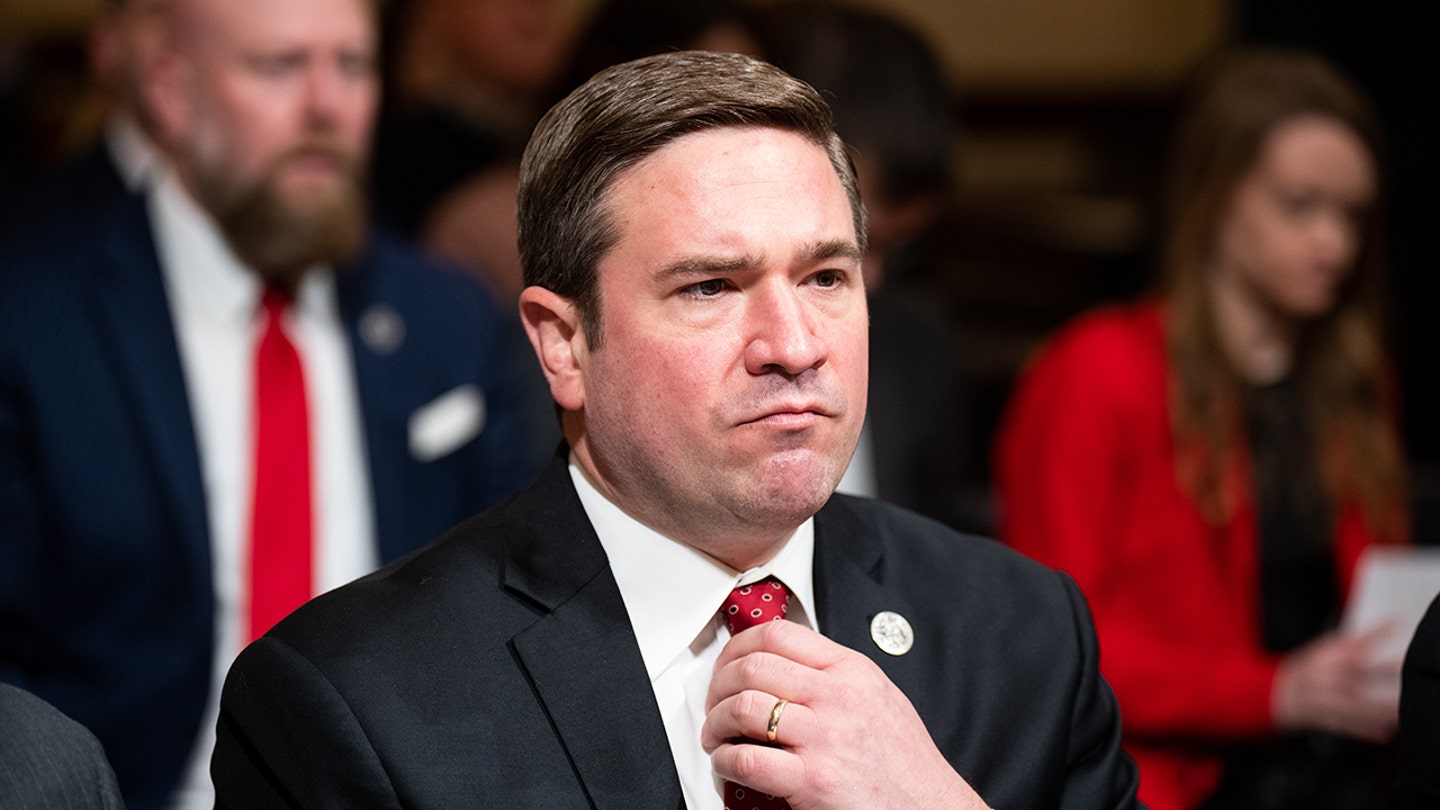
Bondi, Patel tap Missouri AG as additional FBI co-deputy director alongside Bongino
Entities mentioned:
- Pam Bondi: Power, Control, Professional pride
- Kash Patel: Ambition, Loyalty, Determination
- Andrew Bailey: Duty, Justice, Ambition
- Dan Bongino: Loyalty, Competitive spirit, Professional pride
- Donald Trump: Power, Control, Legacy
- FBI: Security, Justice, Control
Article Assessment:
Credibility Score: 45/100
Bias Rating: 75/100 (Lean Right)
Sentiment Score: 70/100
Authoritarianism Risk: 75/100 (Authoritarian Tendencies)
Bias Analysis:
The article leans heavily right, using language that aligns with conservative law-and-order rhetoric. It presents a one-sided view of law enforcement success without addressing potential criticisms or alternative approaches.
Key metric: Violent Crime Rate
As a social scientist, I analyze that this article portrays a significant restructuring of federal law enforcement under a hypothetical future Trump administration. The emphasis on increased arrests, prosecution of 'bad guys', and deportation of 'illegals' suggests a shift towards more aggressive law enforcement tactics. The appointment of state-level officials to high-ranking FBI positions indicates a potential blurring of state and federal law enforcement boundaries. The focus on quantitative metrics (arrest numbers, seizures) rather than systemic reforms or community-oriented policing strategies suggests a prioritization of 'tough on crime' approaches. This could potentially impact the violent crime rate in the short term through increased incarceration, but may not address root causes of crime or improve community-police relations.