
Air Force chief abruptly retires early in latest Pentagon shakeup
Entities mentioned:
- Gen. David Allvin: Professional pride, Duty, Self-preservation
- Pete Hegseth: Power, Control, Ambition
- Donald Trump: Power, Control, Influence
- Troy E. Meink: Loyalty, Duty, Professional pride
- US Air Force: Duty, Security, Professional pride
Article Assessment:
Credibility Score: 70/100
Bias Rating: 55/100 (Center)
Sentiment Score: 35/100
Authoritarianism Risk: 65/100 (Authoritarian Tendencies)
Bias Analysis:
The article presents facts from named sources and includes direct quotes, lending credibility. However, it relies on an unnamed source for key information about Hegseth's intentions, which introduces some bias. The tone is generally neutral, with balanced presentation of statements from different parties.
Key metric: Military Readiness and Stability
As a social scientist, I analyze that this article reveals a concerning pattern of instability and turnover in high-ranking military positions. The abrupt retirement of Gen. David Allvin, halfway through his expected term, coupled with the earlier dismissals of other senior military officials, suggests a significant disruption in military leadership continuity. This pattern may negatively impact long-term strategic planning, troop morale, and overall military readiness. The apparent involvement of civilian leadership in these changes raises questions about the balance of civil-military relations and the potential politicization of military appointments. This trend could lead to a loss of institutional knowledge and experience at the highest levels of military command, potentially compromising national security interests.
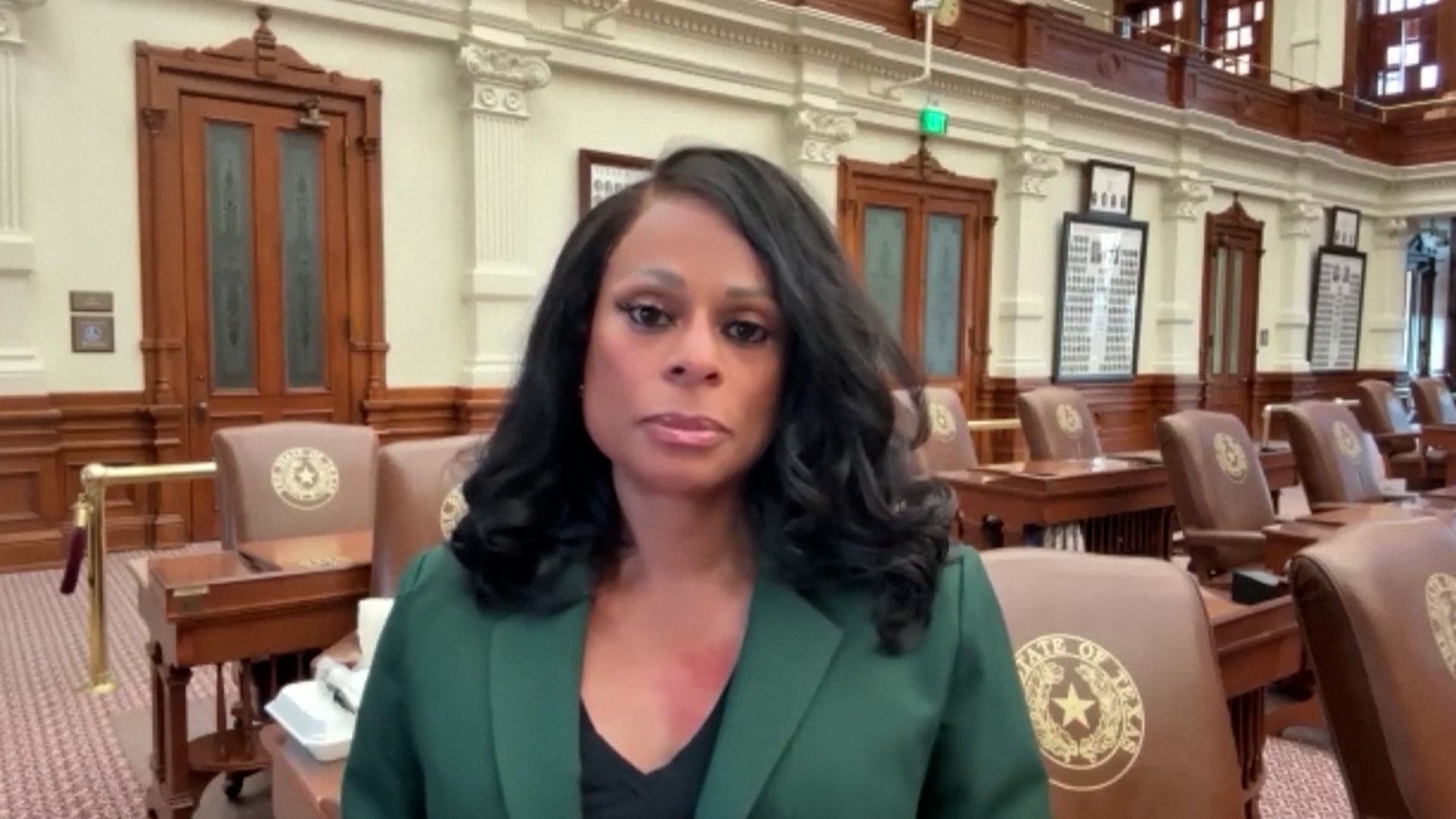
Democratic Texas lawmaker passes 24-hour mark on state House floor after refusing GOP demand for law enforcement escort
Entities mentioned:
- Nicole Collier: Righteousness, Determination, Duty
- Dustin Burrows: Control, Power, Duty
- Texas House Democrats: Resistance, Justice, Self-preservation
- Texas Republicans: Power, Control, Ambition
- Beto O'Rourke: Moral outrage, Unity, Recognition
- Greg Abbott: Power, Ambition, Loyalty
- Donald Trump: Influence, Power, Control
- Gavin Newsom: Competitive spirit, Power, Revenge
Article Assessment:
Credibility Score: 75/100
Bias Rating: 45/100 (Center)
Sentiment Score: 35/100
Authoritarianism Risk: 65/100 (Authoritarian Tendencies)
Bias Analysis:
The article presents perspectives from both Democrats and Republicans, quoting multiple sources. While it gives more space to Democratic viewpoints, it includes Republican statements and contextualizes the broader political landscape.
Key metric: Electoral Integrity
As a social scientist, I analyze that this article highlights a significant conflict over redistricting in Texas, which has broader implications for national electoral integrity. The standoff between Democrats and Republicans over proposed redistricting plans underscores the intensifying partisan struggle for control of the U.S. House of Representatives. Rep. Collier's protest against what she perceives as intimidation tactics reflects growing tensions around voting rights and fair representation. The involvement of law enforcement in monitoring legislators' movements raises concerns about the balance of power between branches of government. This situation exemplifies how gerrymandering and redistricting battles are becoming increasingly contentious, with potential long-term impacts on democratic processes and voter representation. The article also reveals how state-level actions can trigger nationwide responses, as seen in California's proposed countermeasures, indicating a broader, more complex challenge to maintaining electoral integrity across the United States.
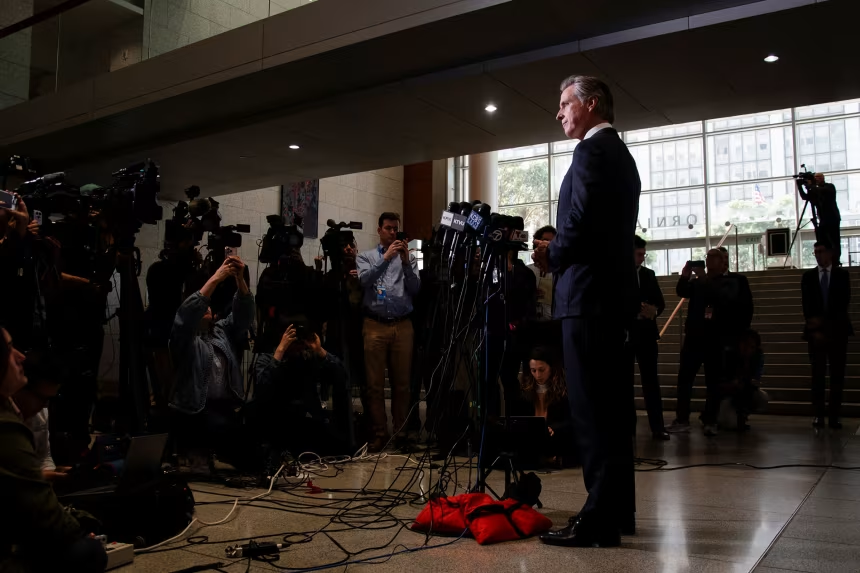
Gavin Newsom is owning the MAGAs. How far can he take it?
Entities mentioned:
- Gavin Newsom: Ambition, Competitive spirit, Power
- Democratic Party: Unity, Self-preservation, Power
- Donald Trump: Power, Control, Influence
- Republican Party: Power, Control, Competitive spirit
Article Assessment:
Credibility Score: 70/100
Bias Rating: 40/100 (Lean Left)
Sentiment Score: 55/100
Authoritarianism Risk: 35/100 (Generally Democratic)
Bias Analysis:
The article leans slightly left, focusing more on Democratic perspectives and Newsom's potential. While it includes some criticism of Newsom, it generally frames his actions in a positive light compared to Republican strategies.
Key metric: Political Polarization Index
As a social scientist, I analyze that this article highlights the increasing political polarization in the United States, with Gavin Newsom emerging as a potential counterforce to MAGA rhetoric. The focus on redistricting battles and Newsom's confrontational approach towards Trump and Republicans suggests a deepening divide between the two major parties. This polarization could significantly impact voter engagement and governance effectiveness. Newsom's rising profile within the Democratic Party, despite mixed public opinion, indicates a shift towards more combative political strategies. This trend may further entrench partisan divisions and potentially alienate moderate voters, affecting the overall political landscape and policy-making processes.
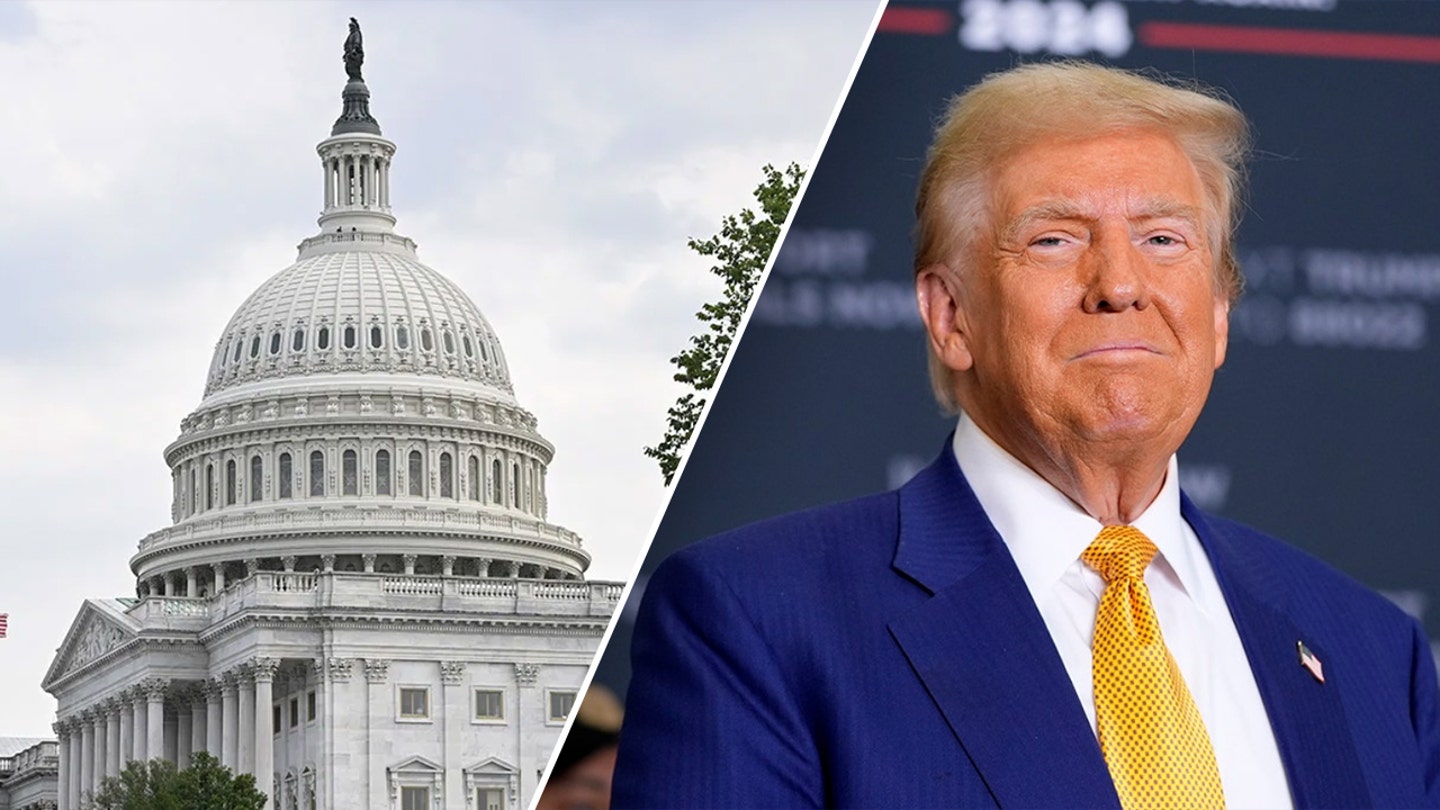
Conservative roadmap targets Medicaid, student loans for Trump's 'big, beautiful' sequel
Entities mentioned:
- Economic Policy Innovation Center (EPIC): Influence, Competitive spirit, Righteousness
- Republican Party: Power, Control, Righteousness
- Donald Trump: Legacy, Power, Ambition
- Democratic Party: Justice, Moral outrage, Self-preservation
- Paul Winfree: Influence, Professional pride, Ambition
- Brittany Madni: Professional pride, Influence, Duty
- Mike Johnson: Ambition, Power, Loyalty
Article Assessment:
Credibility Score: 70/100
Bias Rating: 65/100 (Lean Right)
Sentiment Score: 55/100
Authoritarianism Risk: 40/100 (Generally Democratic)
Bias Analysis:
The article leans right due to its primary focus on conservative policy proposals and reliance on conservative sources. While it mentions Democratic opposition, it provides more detailed coverage of Republican perspectives and strategies.
Key metric: Federal Budget Deficit
As a social scientist, I analyze that this article highlights a significant push by conservative groups to influence future Republican policy-making, particularly focusing on fiscal reforms and social conservative priorities. The proposed changes to Medicaid, student loans, and other federal programs could substantially impact the federal budget deficit. The emphasis on using budget reconciliation to achieve these goals suggests a strategy to bypass potential Democratic opposition, which could lead to more partisan policy-making and potentially increase political polarization. The focus on social conservative issues like abortion and transgender rights indicates an attempt to merge fiscal policy with cultural wedge issues, which could further divide the electorate and impact future elections.
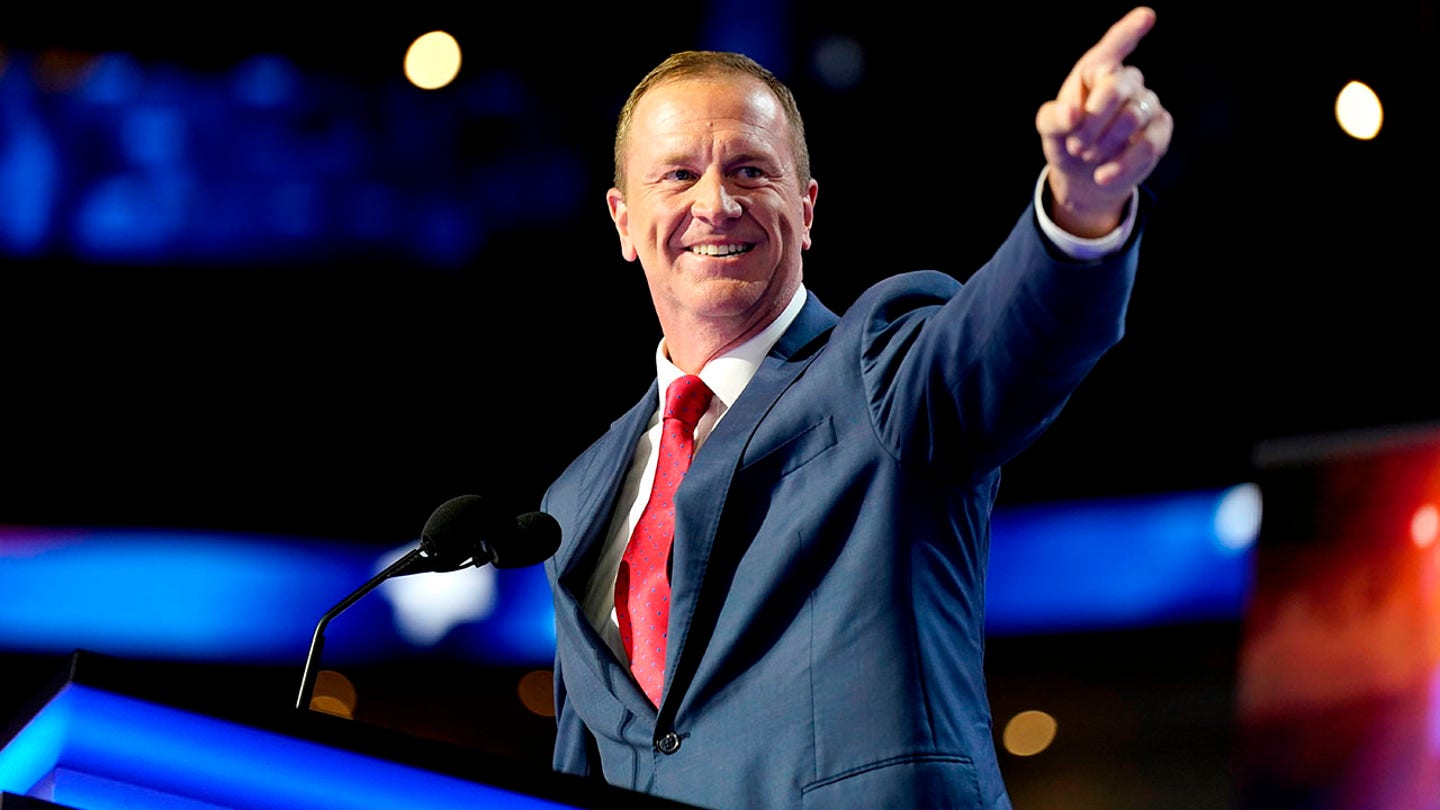
Conservative 'playbook' to beat Democrats in court outlined in senator's new book
Entities mentioned:
- Sen. Eric Schmitt: Ambition, Righteousness, Competitive spirit
- Biden administration: Power, Control, Influence
- Dr. Anthony Fauci: Professional pride, Control, Influence
- Chinese Communist Party: Power, Control, Self-preservation
- Supreme Court: Justice, Duty, Influence
Article Assessment:
Credibility Score: 65/100
Bias Rating: 75/100 (Lean Right)
Sentiment Score: 55/100
Authoritarianism Risk: 45/100 (Mixed/Neutral)
Bias Analysis:
The article leans right, primarily presenting a conservative perspective. It focuses on Republican strategies and successes, with limited counterarguments or opposing viewpoints presented.
Key metric: Judicial System Effectiveness
As a social scientist, I analyze that this article highlights a growing trend of using the judicial system as a political battleground. Sen. Schmitt's approach of challenging Democratic policies through lawsuits represents a shift in how political disagreements are being resolved. This strategy could potentially impact the effectiveness and impartiality of the judicial system by increasing its politicization. The emphasis on appointing ideologically aligned judges further underscores this trend. While this may lead to more conservative-leaning rulings in the short term, it risks undermining public trust in the judiciary's independence and could lead to cyclical shifts in judicial interpretations as political power changes hands.
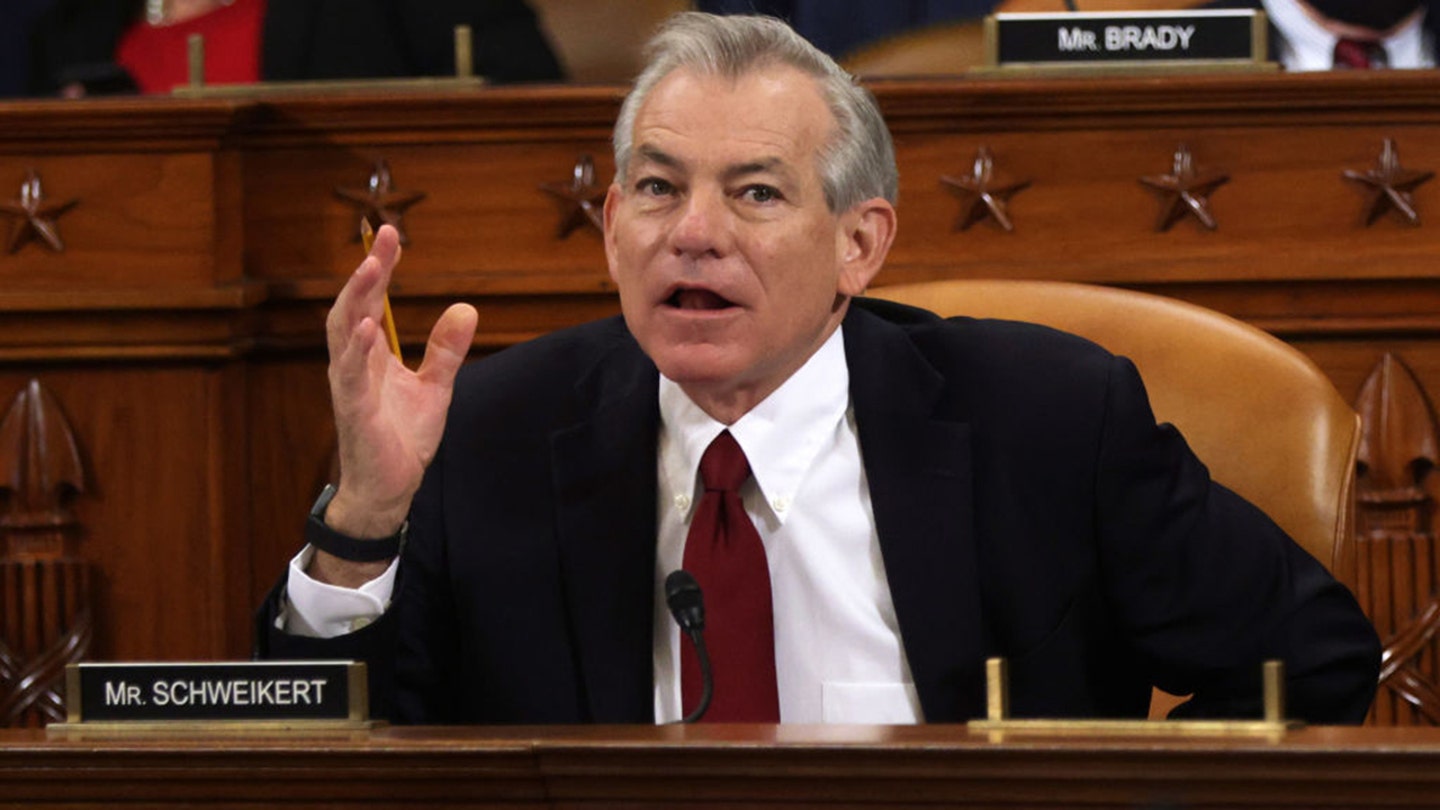
Top House Republican could shake up major border state gubernatorial race
Entities mentioned:
- David Schweikert: Ambition, Power, Influence
- Andy Biggs: Ambition, Power, Competitive spirit
- Karrin Taylor Robson: Ambition, Power, Determination
- Katie Hobbs: Power, Influence, Self-preservation
- Donald Trump: Influence, Legacy, Power
- Democratic Governors Association: Power, Influence, Competitive spirit
Article Assessment:
Credibility Score: 70/100
Bias Rating: 55/100 (Center)
Sentiment Score: 45/100
Authoritarianism Risk: 35/100 (Generally Democratic)
Bias Analysis:
The article presents multiple perspectives, including statements from various political actors. However, it gives slightly more space to Republican viewpoints and candidates, balancing this with a critical statement from the Democratic side.
Key metric: Political Polarization Index
As a social scientist, I analyze that this article highlights the intensifying political competition in Arizona, particularly for the gubernatorial race. The potential entry of Rep. David Schweikert into an already crowded Republican primary field suggests increasing polarization and intra-party competition. The involvement of former President Trump through endorsements further emphasizes the national significance of this state-level race. The contrasting statements from the Republican candidates and the Democratic Governors Association underscore the stark ideological differences between parties, likely contributing to greater political polarization. This competitive and potentially divisive primary could impact the general election dynamics, potentially affecting governance and policy implementation in Arizona, a key swing state.
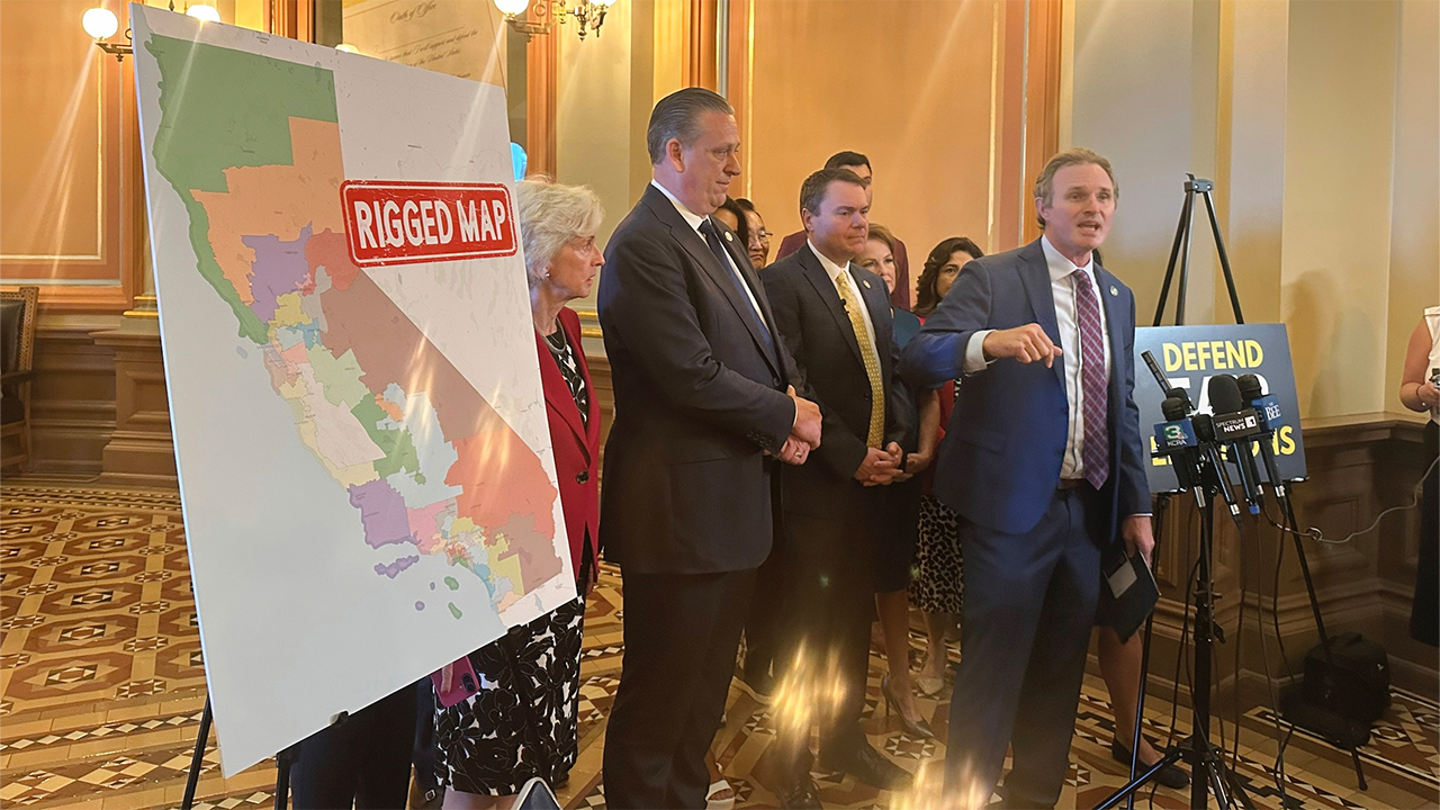
California Republicans sue to stop Newsom, Democrats from pushing redistricting plan
Entities mentioned:
- California Republicans: Justice, Self-preservation, Duty
- Gov. Gavin Newsom: Power, Ambition, Control
- California Democrats: Power, Control, Influence
- Tri Ta: Justice, Duty, Righteousness
- Kate Sanchez: Justice, Duty, Righteousness
- Texas Republicans: Power, Control, Self-preservation
- Greg Abbott: Power, Control, Influence
- Donald Trump: Power, Influence, Control
- Arnold Schwarzenegger: Justice, Duty, Righteousness
- Kevin McCarthy: Power, Influence, Self-preservation
Article Assessment:
Credibility Score: 75/100
Bias Rating: 55/100 (Center)
Sentiment Score: 35/100
Authoritarianism Risk: 65/100 (Authoritarian Tendencies)
Bias Analysis:
The article presents views from both Republican and Democratic sides, though it gives slightly more space to Republican arguments. It includes quotes from multiple sources and provides context for the redistricting issue in both states.
Key metric: Electoral Integrity Index
As a social scientist, I analyze that this article highlights a significant battle over redistricting in California and Texas, which could have major implications for the balance of power in the U.S. House of Representatives. The push by California Democrats to temporarily replace the state's nonpartisan redistricting commission with a legislature-controlled process is likely to decrease electoral integrity and increase partisan gerrymandering. This move, along with the similar efforts by Texas Republicans, demonstrates how both major parties are willing to manipulate electoral systems for political gain. The legal challenges and public opposition, particularly from figures like Arnold Schwarzenegger, indicate a strong pushback against these efforts to centralize redistricting power. This conflict underscores the tension between partisan interests and democratic principles in the American political system, potentially eroding public trust in electoral processes and institutions.

Justice Barrett teases new memoir in abrupt conference exit
Entities mentioned:
- Amy Coney Barrett: Professional pride, Duty, Unity
- Supreme Court: Justice, Duty, Influence
- Seventh Circuit: Professional pride, Duty, Unity
- Antonin Scalia: Legacy, Influence, Justice
- Donald Trump: Power, Control, Ambition
Article Assessment:
Credibility Score: 75/100
Bias Rating: 55/100 (Center)
Sentiment Score: 60/100
Authoritarianism Risk: 30/100 (Generally Democratic)
Bias Analysis:
The article presents a balanced view of Barrett, including both conservative and liberal perspectives on her tenure. While it leans slightly right by focusing on a conservative justice, it maintains a generally neutral tone and includes criticisms from both sides.
Key metric: Judicial Independence
As a social scientist, I analyze that this article primarily impacts the metric of Judicial Independence. Barrett's emphasis on maintaining professionalism and respect among judges, despite ideological differences, suggests a commitment to preserving the integrity and independence of the judiciary. Her brief appearance and limited remarks, coupled with the anticipation of her memoir, indicate a cautious approach to public engagement that may be aimed at protecting the court's perceived neutrality. The article's mention of the Supreme Court's rulings on Trump administration policies highlights the ongoing challenge of maintaining judicial independence in a politically charged environment. Barrett's emerging role as a less predictable justice further underscores the complexity of judicial independence in practice.

White House launches official TikTok account with Trump featured prominently in debut video
Entities mentioned:
- White House: Influence, Recognition, Ambition
- Donald Trump: Power, Influence, Recognition
- Karoline Leavitt: Duty, Loyalty, Professional pride
- Kai Trump: Recognition, Influence, Enthusiasm
- ByteDance: Self-preservation, Security, Control
- Congress: Security, Control, Duty
Article Assessment:
Credibility Score: 70/100
Bias Rating: 65/100 (Lean Right)
Sentiment Score: 65/100
Authoritarianism Risk: 35/100 (Generally Democratic)
Bias Analysis:
The article leans slightly right, focusing predominantly on Trump and his administration's perspective. While it mentions the previous ban attempt, it doesn't deeply explore opposing viewpoints or potential controversies surrounding the White House's use of TikTok.
Key metric: Political Engagement of Young Voters
As a social scientist, I analyze that the White House's adoption of TikTok represents a significant shift in political communication strategies, aimed at engaging younger demographics. This move could potentially increase political participation among Gen Z and younger Millennials, traditionally harder-to-reach voter groups. The emphasis on Trump in the debut video suggests a personalization of politics, which could either galvanize supporters or alienate critics. The apparent reversal of Trump's previous stance on TikTok raises questions about policy consistency and the influence of social media platforms on governance. This development may lead to increased scrutiny of the relationship between social media companies and government, particularly regarding data security and foreign influence.
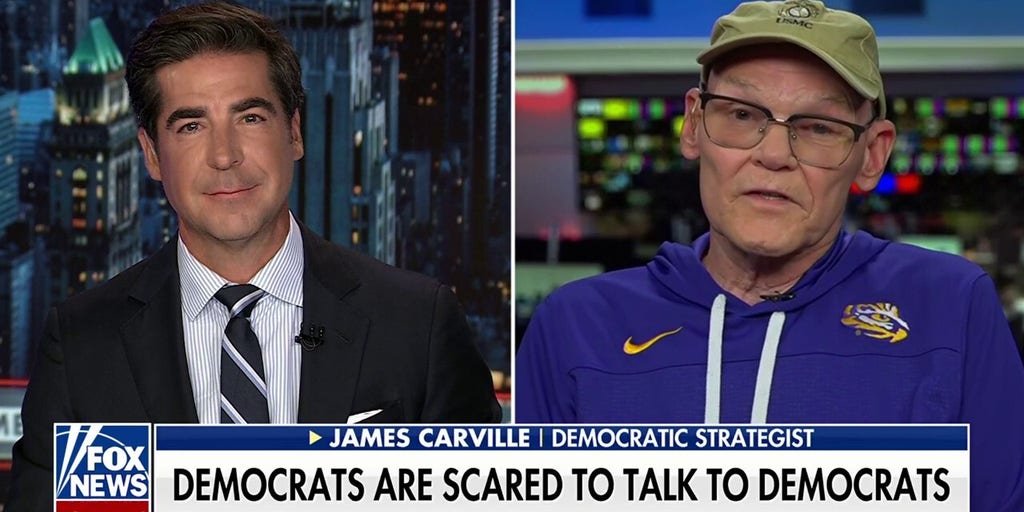
James Carville: Dems need a presidential nominee
Entities mentioned:
- James Carville: Influence, Recognition, Duty
- Democrats: Ambition, Power, Anxiety
- Bill Maher: Influence, Recognition, Freedom
- Donald Trump: Power, Control, Righteousness
- Jesse Watters: Influence, Recognition, Competitive spirit
Article Assessment:
Credibility Score: 55/100
Bias Rating: 65/100 (Lean Right)
Sentiment Score: 35/100
Authoritarianism Risk: 55/100 (Mixed/Neutral)
Bias Analysis:
The article leans right due to its framing on a Fox News program and focus on Democratic party weaknesses. The presentation of Carville's criticism of Democrats and the emphasis on Trump's actions suggest a right-leaning perspective.
Key metric: Political Polarization Index
As a social scientist, I analyze that this article highlights the growing political divide and communication challenges within the Democratic party. Carville's criticism of Democrats' reluctance to engage with media figures like Bill Maher suggests internal party tensions and strategic disagreements. The mention of Trump's federal takeover of D.C. police further emphasizes the polarization between parties and concerns over executive power. This discourse likely contributes to increased political polarization, as it underscores the lack of unified messaging within the Democratic party and the ongoing conflicts with the Republican administration.