
Zelenskyy agrees to Trump-Putin meeting without cease-fire, but will Kremlin dictator go along?
Entities mentioned:
- Donald Trump: Ambition, Power, Recognition
- Vladimir Putin: Power, Control, Self-preservation
- Volodymyr Zelenskyy: Determination, Duty, Self-preservation
- Hillary Clinton: Recognition, Influence
- Gen. Wesley Clark: Professional pride, Duty
- Steve Witkoff: Duty, Loyalty
- Friedrich Merz: Duty, Influence
- Peter Doocy: Curiosity, Professional pride
Article Assessment:
Credibility Score: 65/100
Bias Rating: 55/100 (Center)
Sentiment Score: 40/100
Authoritarianism Risk: 35/100 (Generally Democratic)
Bias Analysis:
The article presents multiple viewpoints but shows slight skepticism towards Trump's approach. While critical of Putin, it also questions Zelenskyy's decision-making, maintaining a relatively balanced perspective.
Key metric: International Diplomacy Effectiveness
As a social scientist, I analyze that this article highlights the complexities of international diplomacy in the context of the Russia-Ukraine conflict. Trump's shift in stance towards Putin and willingness to meet without a ceasefire demonstrates the fluid nature of diplomatic negotiations. Zelenskyy's unexpected agreement to a trilateral meeting suggests a desperate attempt to end the conflict, even at the risk of legitimizing Putin's actions. The article underscores the challenges in balancing national interests, international pressure, and the realities of ongoing warfare. The effectiveness of US diplomacy is called into question, as Trump's approach appears to prioritize personal relationships over established diplomatic norms and previous commitments to Ukraine's sovereignty.
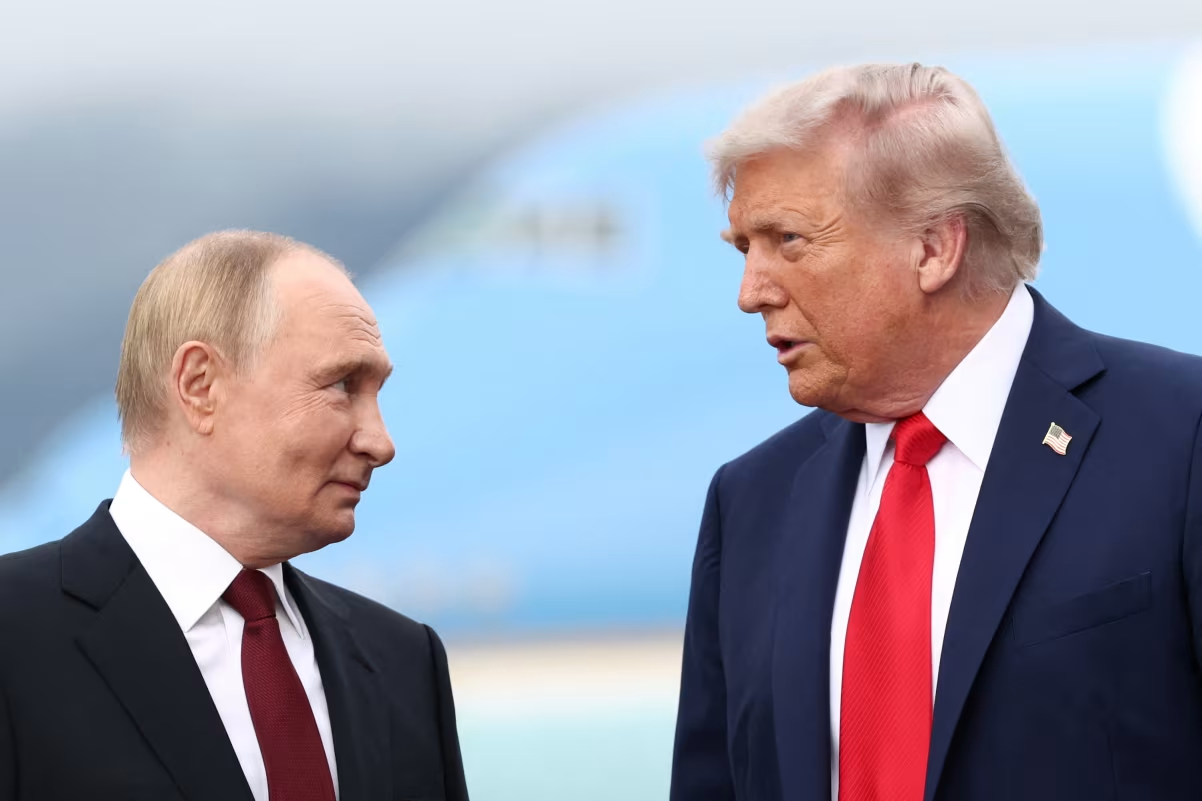
Putin’s wins leave Trump with hard choices
Entities mentioned:
- Vladimir Putin: Power, Control, Influence
- Donald Trump: Recognition, Legacy, Ambition
- Ukraine: Self-preservation, Freedom, Security
- Russia: Power, Control, Influence
- Volodymyr Zelensky: Duty, Self-preservation, Unity
- European leaders: Security, Unity, Wariness
Article Assessment:
Credibility Score: 75/100
Bias Rating: 40/100 (Lean Left)
Sentiment Score: 35/100
Authoritarianism Risk: 45/100 (Mixed/Neutral)
Bias Analysis:
The article leans slightly left, evident in its critical tone towards Trump's actions and motivations. However, it attempts to provide balanced reporting by including multiple perspectives and acknowledging some positive aspects of Trump's diplomacy efforts.
Key metric: US Global Leadership Index
As a social scientist, I analyze that this article highlights a significant shift in US foreign policy approach towards the Russia-Ukraine conflict. Trump's meeting with Putin in Alaska appears to have yielded more benefits for Russia than for the US or Ukraine. The article suggests that Trump's desire for a quick, high-profile diplomatic win may have led him to make concessions without securing tangible gains. This approach could potentially weaken the US position in global affairs and its ability to influence outcomes in major international conflicts. The article also raises concerns about Trump's susceptibility to flattery from authoritarian leaders, which could impact US strategic interests and relationships with allies. The potential implications for Ukraine's security and territorial integrity are significant, as are the possible effects on US credibility among its NATO allies and other partners.
- Read more about Putin’s wins leave Trump with hard choices
- Log in to post comments
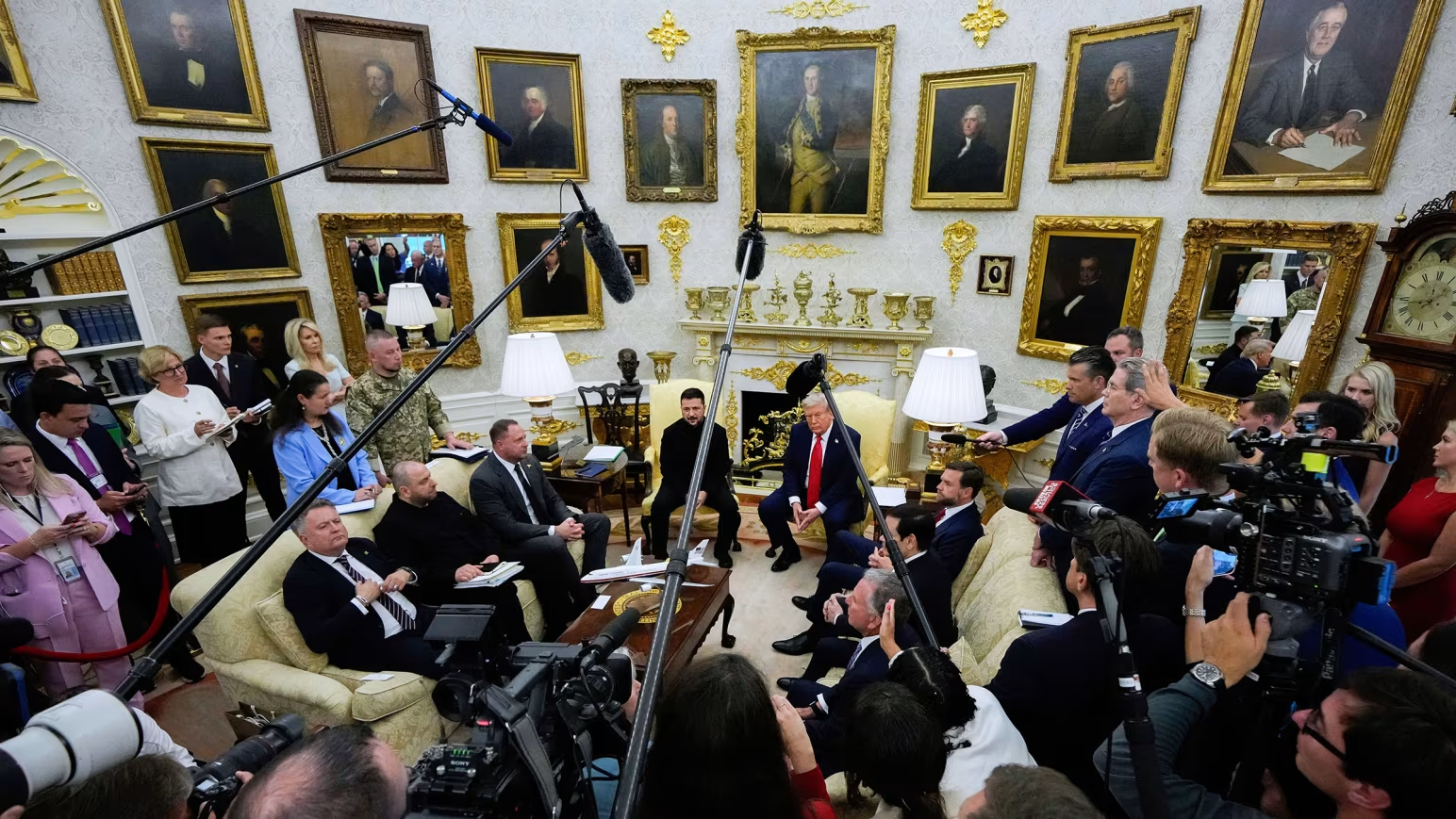
Takeaways from Trump’s meetings with Zelensky and European leaders
Entities mentioned:
- Donald Trump: Power, Influence, Legacy
- Volodymyr Zelensky: Security, Determination, Unity
- Vladimir Putin: Power, Control, Influence
- Emmanuel Macron: Unity, Influence, Security
- Friedrich Merz: Unity, Security, Duty
- JD Vance: Loyalty, Duty, Influence
- Marco Rubio: Duty, Influence, Ambition
- Steve Witkoff: Duty, Loyalty, Influence
Article Assessment:
Credibility Score: 75/100
Bias Rating: 55/100 (Center)
Sentiment Score: 55/100
Authoritarianism Risk: 40/100 (Generally Democratic)
Bias Analysis:
The article presents a relatively balanced view of the events, including multiple perspectives from different leaders. While it focuses heavily on Trump's actions and statements, it also includes European viewpoints and Ukrainian reactions.
Key metric: Diplomatic Influence
As a social scientist, I analyze that this article highlights a significant shift in U.S. foreign policy approach towards the Russia-Ukraine conflict. Trump's willingness to consider U.S. troop involvement in security guarantees for Ukraine marks a departure from his previous isolationist stance. This change could potentially increase U.S. diplomatic influence in Europe and alter the dynamics of peace negotiations. The hastily arranged meetings with European leaders and Zelensky demonstrate the urgency of the situation and the central role the U.S. is playing in peace efforts. However, Trump's reversal on the need for an immediate ceasefire indicates a potential misalignment with European allies, which could impact the cohesiveness of the Western response to the conflict. The article also reveals the delicate balance of personal diplomacy, as evidenced by the improved atmosphere in the Zelensky-Trump meeting compared to their previous encounter.
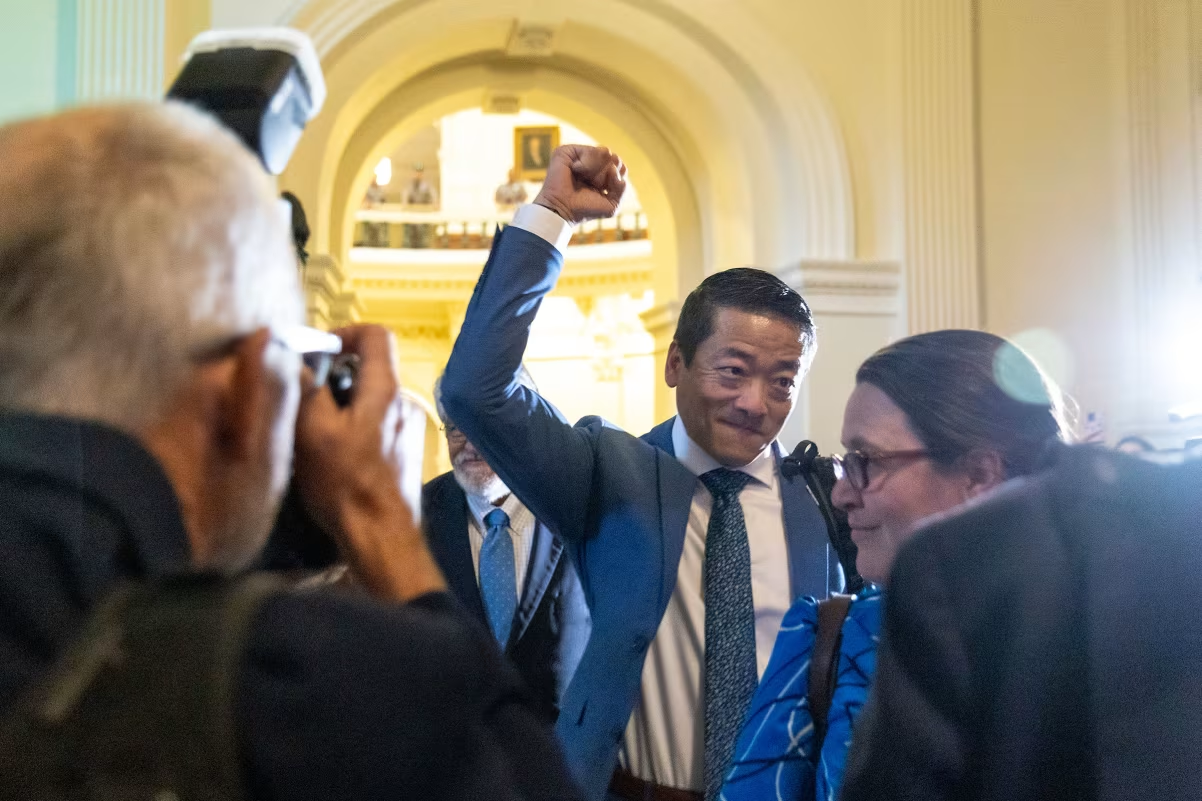
Texas Democrats return to the state as GOP pushes ahead with redistricting
Entities mentioned:
- Texas House Democrats: Justice, Influence, Righteousness
- Texas Republicans: Power, Control, Competitive spirit
- Dustin Burrows: Duty, Control, Professional pride
- Donald Trump: Power, Influence, Competitive spirit
- Greg Abbott: Power, Control, Loyalty
- California Democrats: Justice, Power, Competitive spirit
- Gavin Newsom: Ambition, Power, Influence
Article Assessment:
Credibility Score: 75/100
Bias Rating: 45/100 (Center)
Sentiment Score: 35/100
Authoritarianism Risk: 55/100 (Mixed/Neutral)
Bias Analysis:
The article presents multiple viewpoints and includes quotes from both Republican and Democratic sources. While it gives slightly more space to Democratic perspectives, it maintains a generally balanced approach to reporting the events.
Key metric: Electoral Competitiveness
As a social scientist, I analyze that this article highlights a significant battle over redistricting that could have far-reaching implications for electoral competitiveness in the United States. The actions of Texas Republicans to redraw congressional maps mid-decade have triggered a response from California Democrats, potentially leading to a nationwide gerrymandering arms race. This situation threatens to further polarize the political landscape and reduce the number of competitive districts, which could negatively impact voter engagement and representation. The use of redistricting as a tool for partisan advantage, rather than fair representation, raises concerns about the health of democratic processes and the balance of power in the legislative branch.
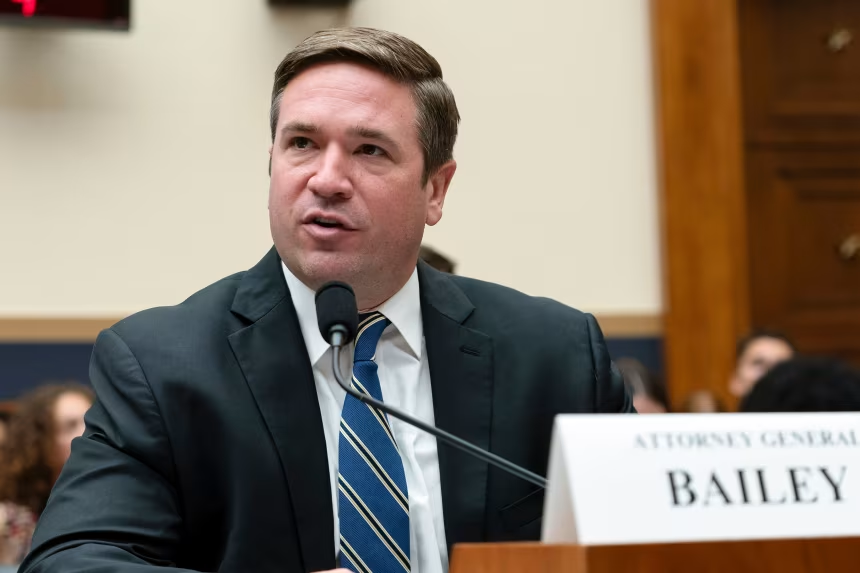
Bondi, Patel bring in Missouri AG to serve as FBI co-deputy director with Dan Bongino
Entities mentioned:
- Pam Bondi: Power, Control, Influence
- Kash Patel: Power, Loyalty, Control
- Andrew Bailey: Ambition, Loyalty, Duty
- Dan Bongino: Self-preservation, Pride, Influence
- Donald Trump: Power, Control, Legacy
- Todd Blanche: Loyalty, Professional pride, Influence
- FBI: Control, Security, Power
Article Assessment:
Credibility Score: 65/100
Bias Rating: 70/100 (Lean Right)
Sentiment Score: 55/100
Authoritarianism Risk: 65/100 (Authoritarian Tendencies)
Bias Analysis:
The article leans right due to its heavy reliance on Fox News as a source and its focus on Trump-aligned figures. The framing of the story and the language used suggest a favorable view of the changes in FBI leadership.
Key metric: Government Integrity and Accountability
As a social scientist, I analyze that this article reveals significant changes in the leadership structure of the FBI, a key institution in U.S. law enforcement. The appointment of a co-deputy director, especially one with strong political ties, suggests a potential shift in the FBI's operational dynamics and its relationship with the executive branch. This unusual move may impact the FBI's independence and could be seen as an attempt to exert more political control over the agency. The involvement of figures like Bondi and Patel, known for their loyalty to Trump, along with Bailey's explicit gratitude to Trump, indicates a possible politicization of the FBI's upper echelons. This development could have far-reaching implications for the integrity of federal law enforcement and the separation of powers, potentially eroding public trust in these institutions.
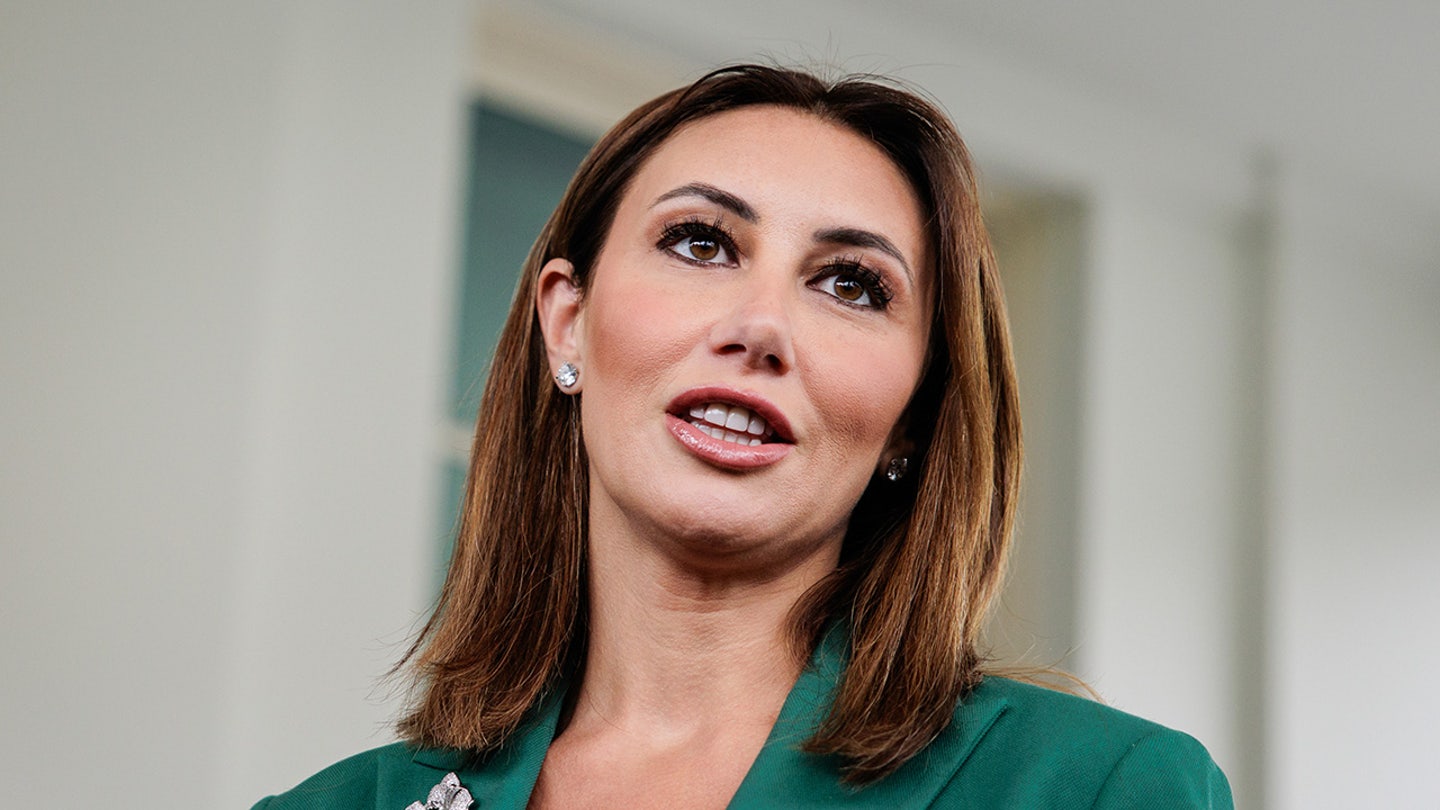
Judge to decide Trump appointee Alina Habba's fate as US attorney
Entities mentioned:
- Alina Habba: Ambition, Power, Control
- Donald Trump: Power, Control, Loyalty
- Judge Matthew Brann: Duty, Justice, Righteousness
- Julien Giraud Jr.: Self-preservation, Justice, Freedom
- Desiree Grace: Professional pride, Duty, Justice
- Pam Bondi: Loyalty, Power, Control
Article Assessment:
Credibility Score: 75/100
Bias Rating: 45/100 (Center)
Sentiment Score: 35/100
Authoritarianism Risk: 65/100 (Authoritarian Tendencies)
Bias Analysis:
The article presents multiple viewpoints, including those of the Trump administration, the defendant, and legal experts. While it highlights concerns about the appointment process, it also includes the DOJ's defense of its actions, maintaining a relatively balanced perspective.
Key metric: Rule of Law Index
As a social scientist, I analyze that this case highlights a significant challenge to the traditional process of appointing U.S. attorneys, potentially impacting the Rule of Law Index. The unprecedented maneuvers by the Trump administration to keep Habba in power, despite lack of Senate confirmation, raise concerns about the separation of powers and the integrity of the justice system. This situation could weaken public trust in legal institutions and potentially set a precedent for future administrations to bypass established appointment procedures. The case also demonstrates the tension between executive authority and legislative oversight, which is crucial for maintaining checks and balances in a democratic system. The outcome of this decision could have far-reaching implications for the interpretation of federal vacancy laws and the limits of presidential power in appointing key law enforcement officials.
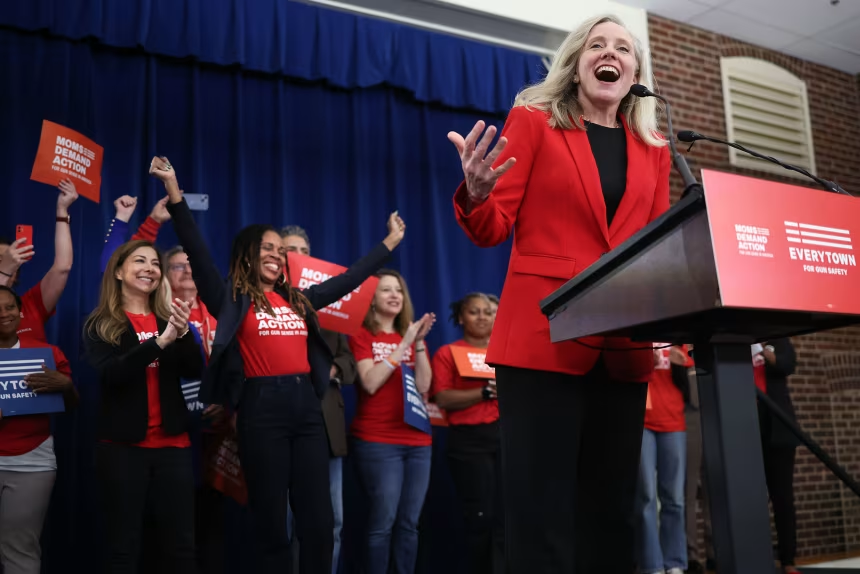
Progressive veterans group seeks to boost Spanberger in Virginia governor’s race with $500,000 ad campaign
Entities mentioned:
- VoteVets: Influence, Unity, Professional pride
- Abigail Spanberger: Ambition, Duty, Influence
- Winsome Earle-Sears: Ambition, Loyalty, Competitive spirit
- Donald Trump: Power, Influence, Legacy
- Democratic Party: Power, Control, Influence
- Republican Party: Power, Control, Competitive spirit
Article Assessment:
Credibility Score: 75/100
Bias Rating: 45/100 (Center)
Sentiment Score: 55/100
Authoritarianism Risk: 20/100 (Strongly Democratic)
Bias Analysis:
The article presents information from both Democratic and Republican perspectives, though slightly more space is given to Democratic strategies and viewpoints. The language used is generally neutral, with factual reporting of campaign activities and financial data.
Key metric: Political Party Power Balance
As a social scientist, I analyze that this article highlights the significance of the Virginia gubernatorial race as a bellwether for national political sentiment. The involvement of VoteVets, a progressive veterans' organization, demonstrates the increasing importance of candidates with military backgrounds in shaping party image and voter appeal. The focus on cost-of-living issues and the criticism of GOP policies indicate that economic concerns are likely to be central to the campaign. The article also reveals the strategies employed by both parties, with Democrats emphasizing affordability and Republicans focusing on cultural issues and alignment with national party figures. The financial disparity between the candidates and the advertising investments suggest that Democrats are currently in a stronger position, but the race remains competitive given recent Republican successes in the state.
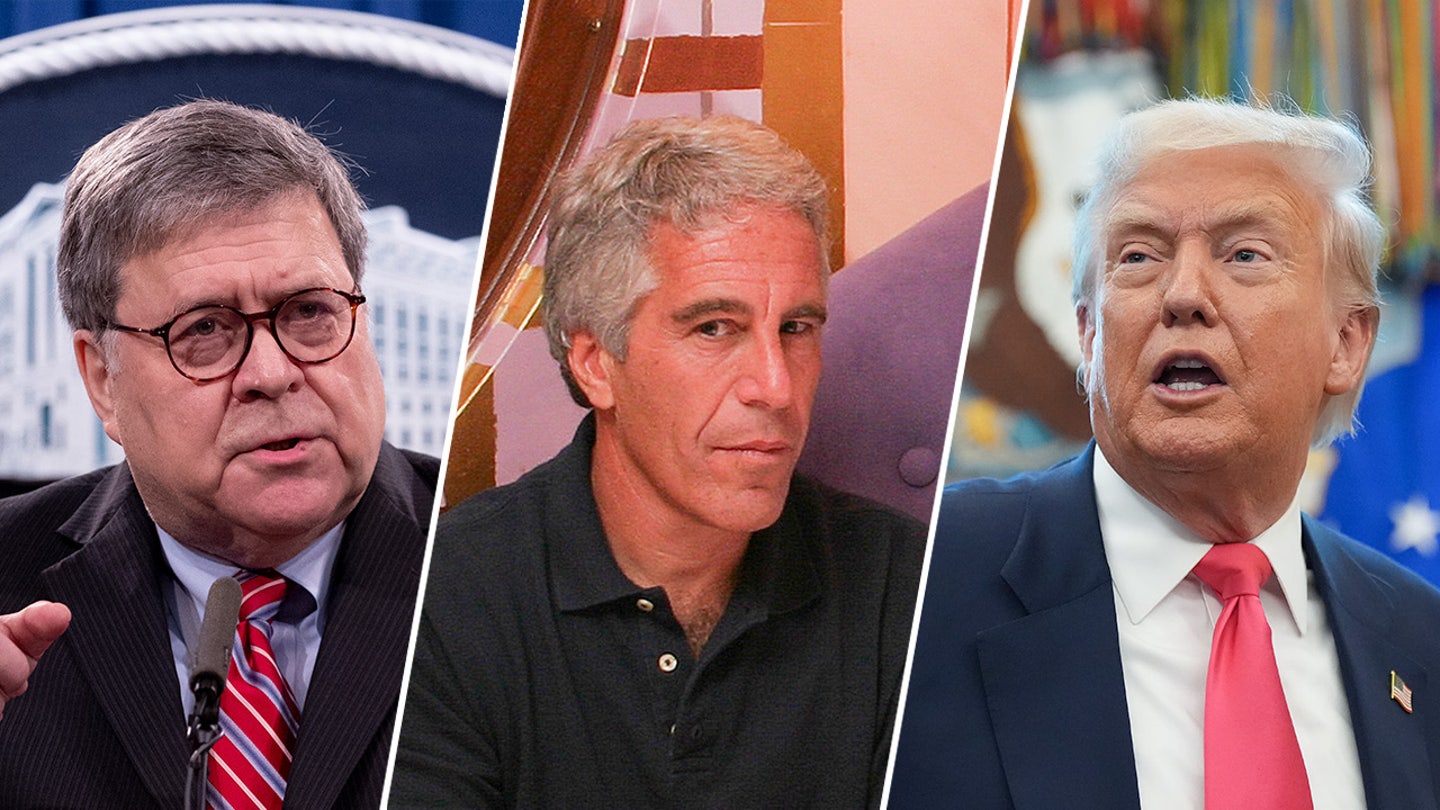
Bill Barr testifies he didn't see info that would 'implicate' Trump in Epstein case, Comer says
Entities mentioned:
- Bill Barr: Duty, Professional pride, Loyalty
- Donald Trump: Self-preservation, Power, Influence
- James Comer: Ambition, Justice, Control
- Jeffrey Epstein: Power, Greed, Self-preservation
- Biden administration: Power, Control, Influence
- House Oversight Committee: Justice, Control, Duty
- Democrats: Competitive spirit, Justice, Control
- Republicans: Loyalty, Power, Control
- Suhas Subramanyam: Justice, Ambition, Duty
Article Assessment:
Credibility Score: 65/100
Bias Rating: 55/100 (Center)
Sentiment Score: 45/100
Authoritarianism Risk: 35/100 (Generally Democratic)
Bias Analysis:
The article presents multiple perspectives, including both Republican and Democratic viewpoints. However, it gives more detailed coverage to Republican statements, particularly from Chairman Comer, which slightly tilts the balance.
Key metric: Government Accountability and Transparency
As a social scientist, I analyze that this article highlights the ongoing investigation into the handling of Jeffrey Epstein's case, focusing on former Attorney General Bill Barr's testimony. The investigation appears to be part of a broader effort to assess government accountability in high-profile cases. Barr's testimony, suggesting no implication of former President Trump in the Epstein case, raises questions about the thoroughness of the investigation and potential political motivations. The partisan divide in the committee's approach to questioning Barr indicates a politicization of the process, which may impact public trust in government institutions and their ability to handle sensitive cases impartially. This investigation could influence public perception of government transparency and the justice system's effectiveness in dealing with powerful individuals.

Democratic Texas lawmaker spent night on state House floor after refusing GOP demand for law enforcement escort
Entities mentioned:
- Nicole Collier: Righteousness, Determination, Self-respect
- Dustin Burrows: Control, Power, Duty
- Texas House Democrats: Resistance, Justice, Unity
- Texas Republicans: Power, Control, Ambition
- Beto O'Rourke: Moral outrage, Righteousness, Loyalty
- Greg Abbott: Power, Ambition, Loyalty
- Donald Trump: Influence, Power, Control
- Gavin Newsom: Competitive spirit, Justice, Power
Article Assessment:
Credibility Score: 75/100
Bias Rating: 55/100 (Center)
Sentiment Score: 35/100
Authoritarianism Risk: 65/100 (Authoritarian Tendencies)
Bias Analysis:
The article presents both Republican and Democratic perspectives, but gives slightly more space to Democratic viewpoints and actions. The framing of Republicans' actions as 'demands' and Democrats as 'protesting' suggests a slight lean towards sympathizing with the Democrats.
Key metric: Electoral Integrity
As a social scientist, I analyze that this article highlights a significant conflict over redistricting in Texas, which has broader implications for national electoral integrity. The Republican-led effort to redraw congressional maps mid-decade is an unusual move that could significantly alter the balance of power in the U.S. House of Representatives. This situation demonstrates the intensifying partisan struggle over electoral maps, with both parties engaging in tactical maneuvers to gain advantage. The Democrats' initial flight from the state and subsequent return under restrictive conditions illustrates the lengths to which political actors will go to influence the redistricting process. Rep. Collier's protest against the imposed restrictions symbolizes broader resistance to what Democrats perceive as an abuse of power. This conflict over redistricting could erode public trust in the electoral system and potentially lead to more extreme gerrymandering practices across the country, ultimately impacting the fairness and representativeness of elections.
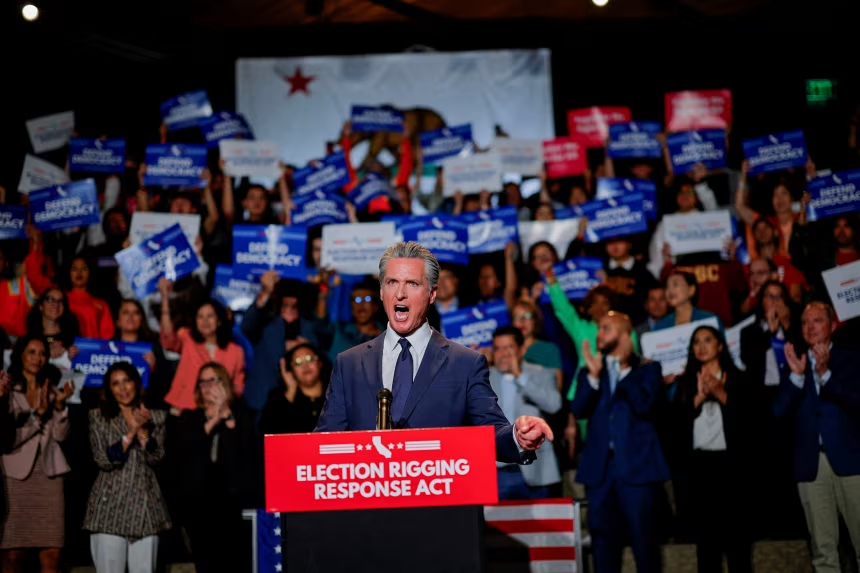
California Democrats release map ahead of redistricting in response to Texas
Entities mentioned:
- California Democrats: Power, Justice, Revenge
- Texas Republicans: Power, Control, Loyalty
- Donald Trump: Power, Influence, Control
- Gov. Gavin Newsom: Power, Ambition, Justice
- Robert Rivas: Righteousness, Justice, Influence
- Rep. Ken Calvert: Self-preservation, Loyalty, Indignation
Article Assessment:
Credibility Score: 75/100
Bias Rating: 55/100 (Center)
Sentiment Score: 35/100
Authoritarianism Risk: 45/100 (Mixed/Neutral)
Bias Analysis:
The article presents both Democratic and Republican perspectives, though it gives more space to Democratic viewpoints. While it includes quotes from both sides, the framing slightly favors the Democratic narrative of 'fighting back' against Republican actions.
Key metric: Electoral Competitiveness
As a social scientist, I analyze that this article highlights the intensifying partisan struggle over redistricting, with potential significant impacts on Electoral Competitiveness. The proposed California redistricting plan, portrayed as a direct response to similar actions in Texas, could dramatically shift the balance of power in the U.S. House of Representatives. This tit-for-tat approach to redistricting between two major states underscores the growing politicization of the electoral map-drawing process. The potential flip of up to five seats from Republican to Democratic control in California could have far-reaching consequences for national politics and policy-making. This development also reflects the increasing use of state-level political power to influence federal representation, potentially undermining the principle of fair representation and exacerbating political polarization. The involvement of voters through a referendum adds a layer of democratic legitimacy to the process in California, but also highlights the complex interplay between direct democracy and representative governance in shaping electoral landscapes.