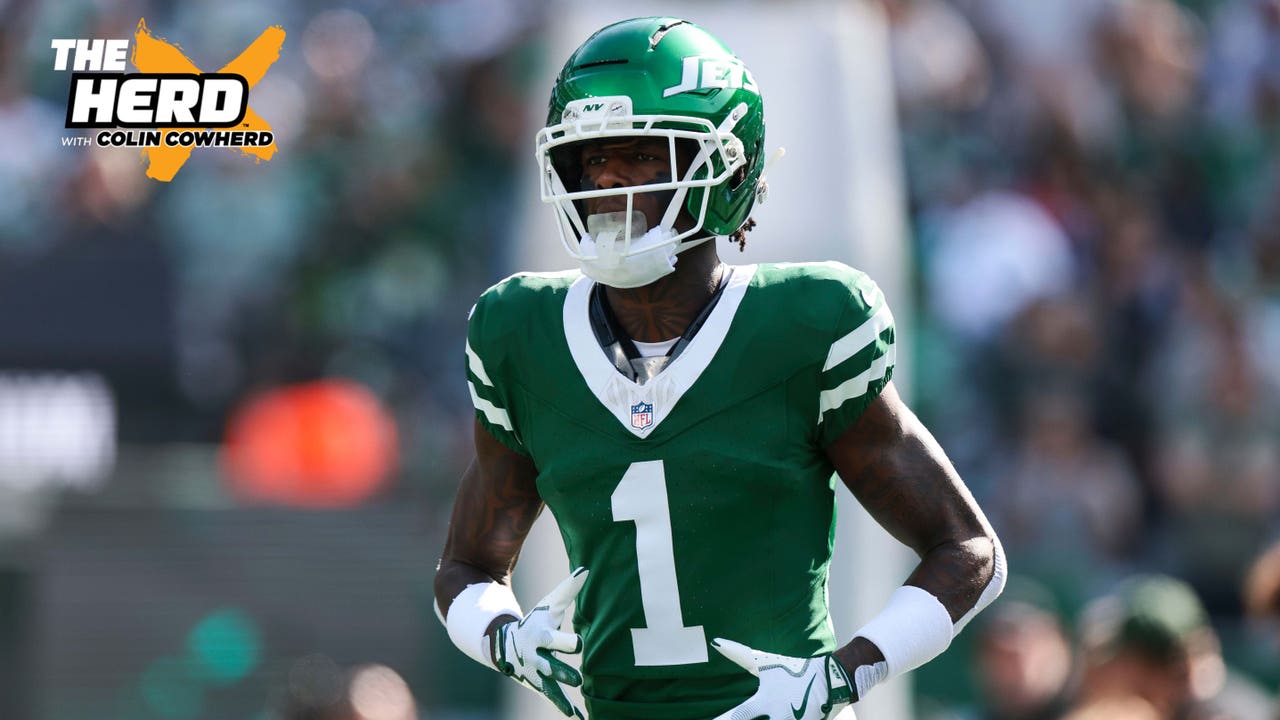
2025 NFL Trade Deadline Grades: Jets, Cowboys and Other Top Moves on Deadline Day
Entities mentioned:
- New York Jets: Self-preservation, Ambition, Determination
- Indianapolis Colts: Competitive spirit, Ambition, Determination
- Dallas Cowboys: Competitive spirit, Desperation, Pride
- Seattle Seahawks: Ambition, Competitive spirit, Enthusiasm
- New Orleans Saints: Self-preservation, Professional pride, Wariness
- Jacksonville Jaguars: Ambition, Competitive spirit, Determination
- Las Vegas Raiders: Self-preservation, Rebuilding, Wariness
- Cincinnati Bengals: Self-preservation, Rebuilding, Professional pride
- Los Angeles Chargers: Competitive spirit, Determination, Self-preservation
Article Assessment:
Credibility Score: 75/100
Bias Rating: 50/100 (Center)
Sentiment Score: 55/100
Authoritarianism Risk: 20/100 (Strongly Democratic)
Bias Analysis:
The article presents a balanced view of the trades, offering both positive and negative assessments for each team involved. The author uses consistent criteria to evaluate trades across teams.
Key metric: NFL Team Performance and Playoff Chances
Let me tell you something - this NFL trade deadline was an absolute BARNBURNER! We've got teams making fourth quarter Hail Mary plays left and right! The Jets are playing 4D chess, trading away their defensive superstars like they're running a fire sale, but they're stockpiling draft picks like they're going for gold in future seasons. The Colts and Cowboys? They're swinging for the fences, folks! Indianapolis is making an all-in move that could either be a grand slam or strike them out. And Dallas? They're playing defense like it's their job, but are they digging themselves into a hole? This is the kind of high-stakes action that separates the contenders from the pretenders! We've got teams jockeying for position, making power plays, and some are clearly in rebuilding mode. It's a chess match out there, and only time will tell who's got the championship mentality to turn these trades into on-field success!
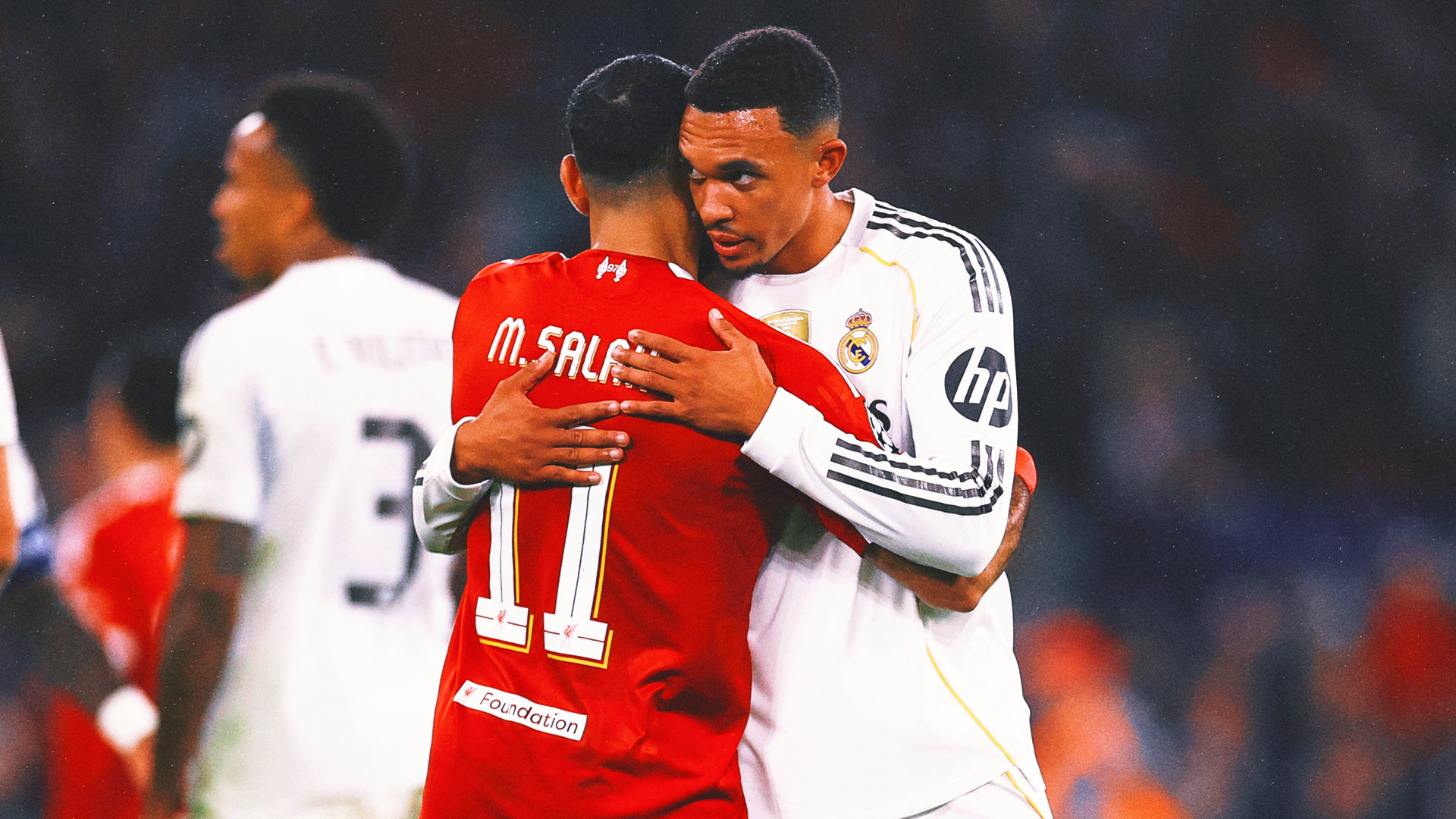
Boos and a Defaced Mural: Trent Alexander-Arnold's Liverpool Return Was Bad
Entities mentioned:
- Trent Alexander-Arnold: Ambition, Professional pride, Self-respect
- Liverpool FC: Pride, Competitive spirit, Loyalty
- Real Madrid: Ambition, Competitive spirit, Pride
- Liverpool fans: Moral outrage, Loyalty, Indignation
Article Assessment:
Credibility Score: 85/100
Bias Rating: 50/100 (Center)
Sentiment Score: 30/100
Authoritarianism Risk: 20/100 (Strongly Democratic)
Bias Analysis:
The article presents a balanced view of the events, including reactions from multiple sides. It provides context for both Alexander-Arnold's achievements and the fans' disappointment, maintaining a neutral stance.
Key metric: Fan Loyalty and Player Reception
Let me tell you something - this story is RIDICULOUS! We're seeing a championship-caliber player getting booed off his own home field! Trent Alexander-Arnold's return to Anfield was like a star quarterback coming back to face his old team, and boy, did the crowd let him have it! The Liverpool faithful came out swinging, defacing murals and jeering their former hero. It's like they've forgotten all those trophy-winning seasons! This is the ultimate test of mental toughness for Alexander-Arnold - can he shake off the hostility and prove he's still got that championship mentality? Meanwhile, Liverpool's defense held strong, shutting out the Madrid offensive line. This is a fourth-quarter defensive stand that could change the whole season!