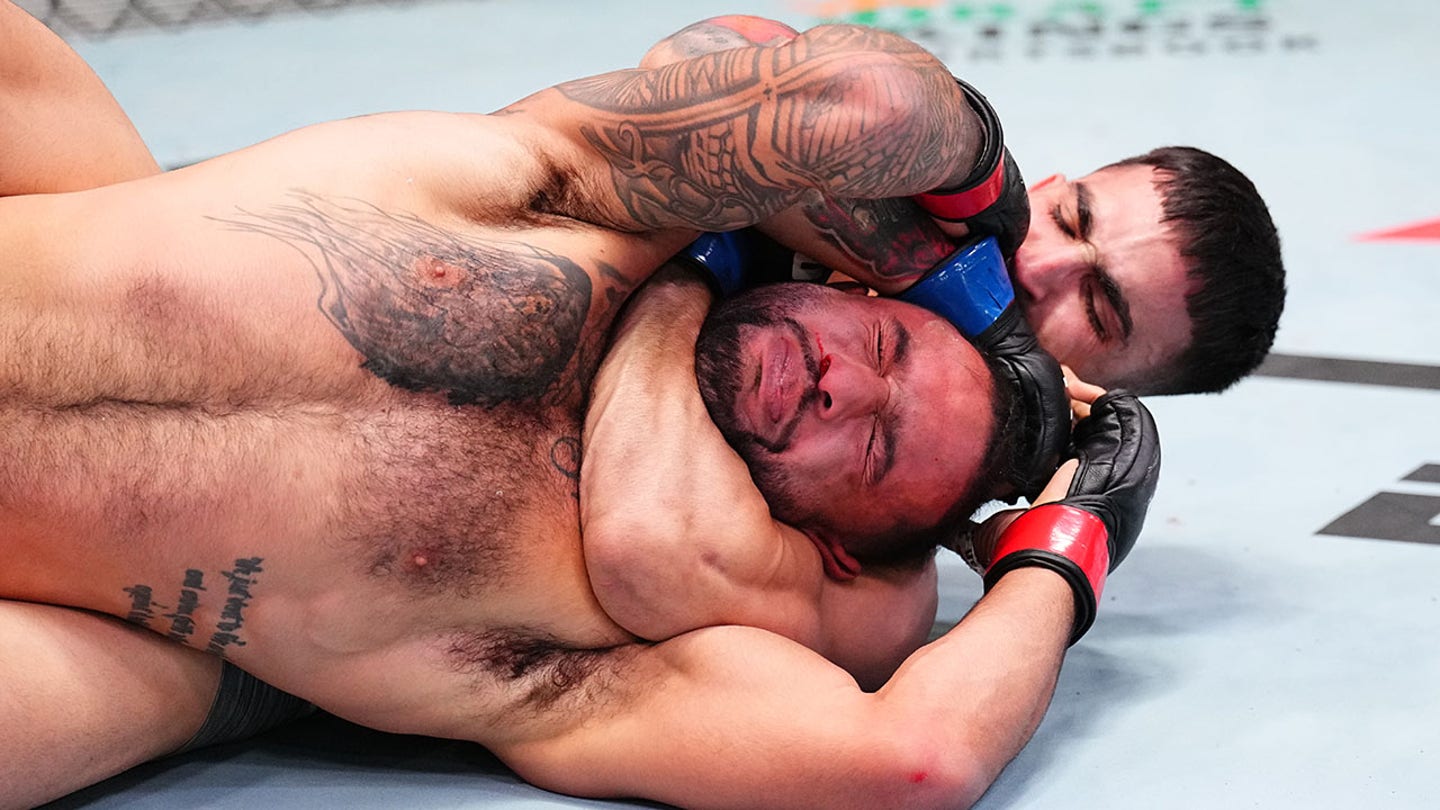
UFC's Dana White confirms FBI talks over unusual betting activity on fighter Isaac Dulgarian match
Entities mentioned:
- Dana White: Professional pride, Justice, Control
- UFC: Integrity, Competitive spirit, Legacy
- Isaac Dulgarian: Competitive spirit, Self-preservation, Ambition
- FBI: Justice, Duty, Control
- Integrity Compliance 360 (IC360): Professional pride, Justice, Duty
Article Assessment:
Credibility Score: 75/100
Bias Rating: 50/100 (Center)
Sentiment Score: 30/100
Authoritarianism Risk: 35/100 (Generally Democratic)
Bias Analysis:
The article presents a balanced view, quoting Dana White directly and providing context. It doesn't lean towards accusation or defense, maintaining a neutral stance on the developing story.
Key metric: Sports Betting Integrity
Let me tell you something, folks - this story is a GAME-CHANGER in the world of UFC! We've got a real heavyweight bout brewing between the UFC and potential match-fixing. Dana White is stepping up to the plate like a true champion, calling in the big guns - the FBI - to tackle this curveball head-on. This is the kind of fourth-quarter move that separates the contenders from the pretenders! The unusual betting activity on Dulgarian's fight is like a surprise left hook that's got everyone reeling. We're talking about a potential knockout blow to the integrity of the sport if these allegations prove true. But let me tell you right now, the UFC isn't throwing in the towel - they're showing true championship mentality by addressing this head-on. This is RIDICULOUS, folks! We've got a situation where the underdog might have been playing with a stacked deck, and now the FBI is stepping into the octagon to lay down the law. This is the kind of high-stakes matchup that could change the game forever!
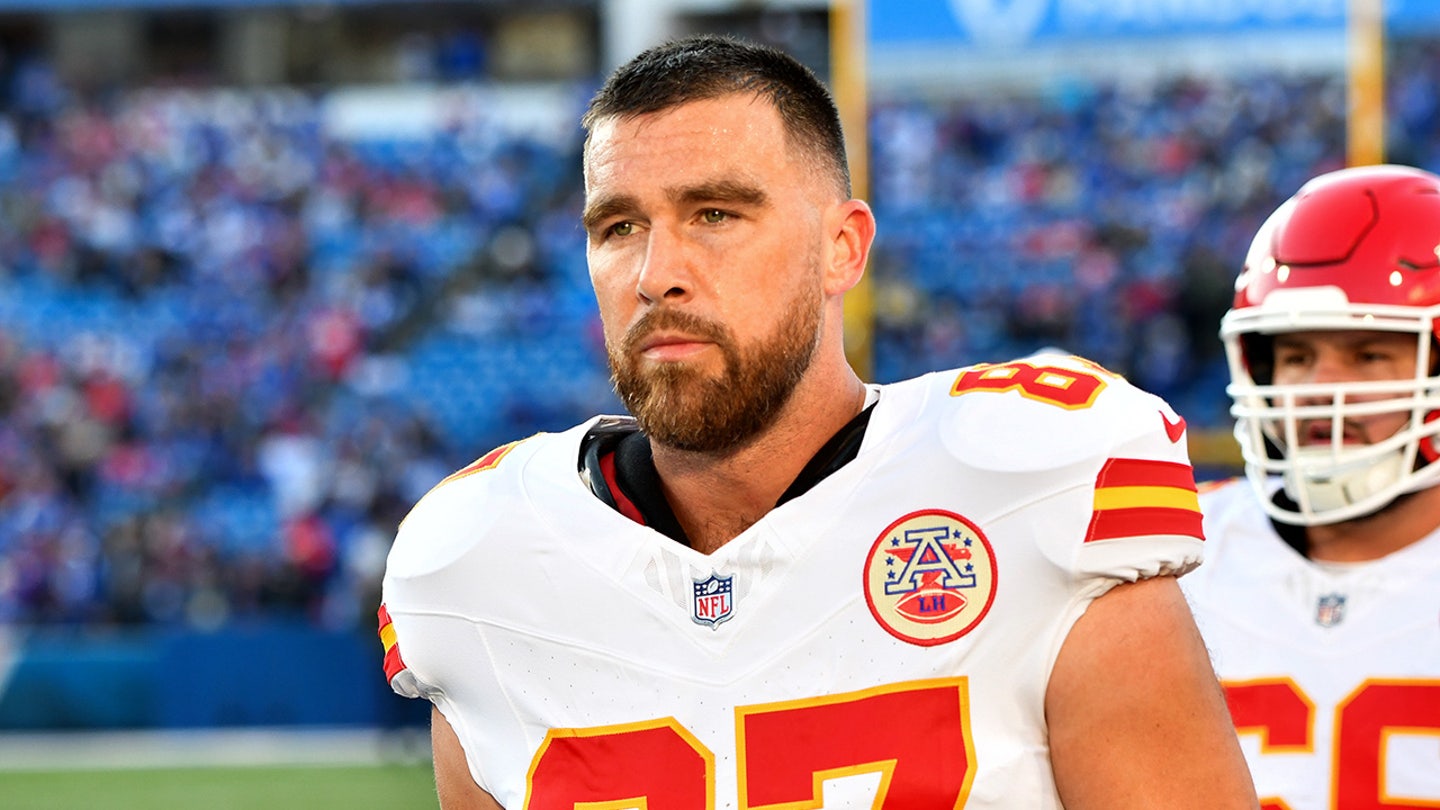
Travis Kelce refuses to dive into ‘personal life’ after question from brother on bye week plans
Entities mentioned:
- Travis Kelce: Competitive spirit, Professional pride, Determination
- Kansas City Chiefs: Competitive spirit, Legacy, Ambition
- Jason Kelce: Curiosity, Enthusiasm, Recognition
- Denver Broncos: Competitive spirit, Ambition, Pride
Article Assessment:
Credibility Score: 85/100
Bias Rating: 50/100 (Center)
Sentiment Score: 45/100
Authoritarianism Risk: 15/100 (Strongly Democratic)
Bias Analysis:
The article presents a balanced view of the situation, focusing on factual game statistics and direct quotes. It doesn't lean towards favoring any particular team or player perspective.
Key metric: NFL Playoff Standings
Let me tell you something, folks - this is CRUNCH TIME for the Kansas City Chiefs! Travis Kelce is showing that championship mentality, laser-focused on their next opponent like a true MVP. He's not letting anything distract him from the game plan, not even his own brother's playful attempts to get the scoop. The Chiefs are in a fourth-quarter situation here, fighting for their playoff lives after that tough loss to the Bills. But Kelce? He's stepping up to the plate, leading the league in tight end yardage. This is the kind of determination that separates the contenders from the pretenders, folks! The Broncos are sitting pretty at the top of the division, but Kelce and the Chiefs are coming for them with a vengeance. This upcoming matchup is going to be an all-out gridiron war, mark my words!