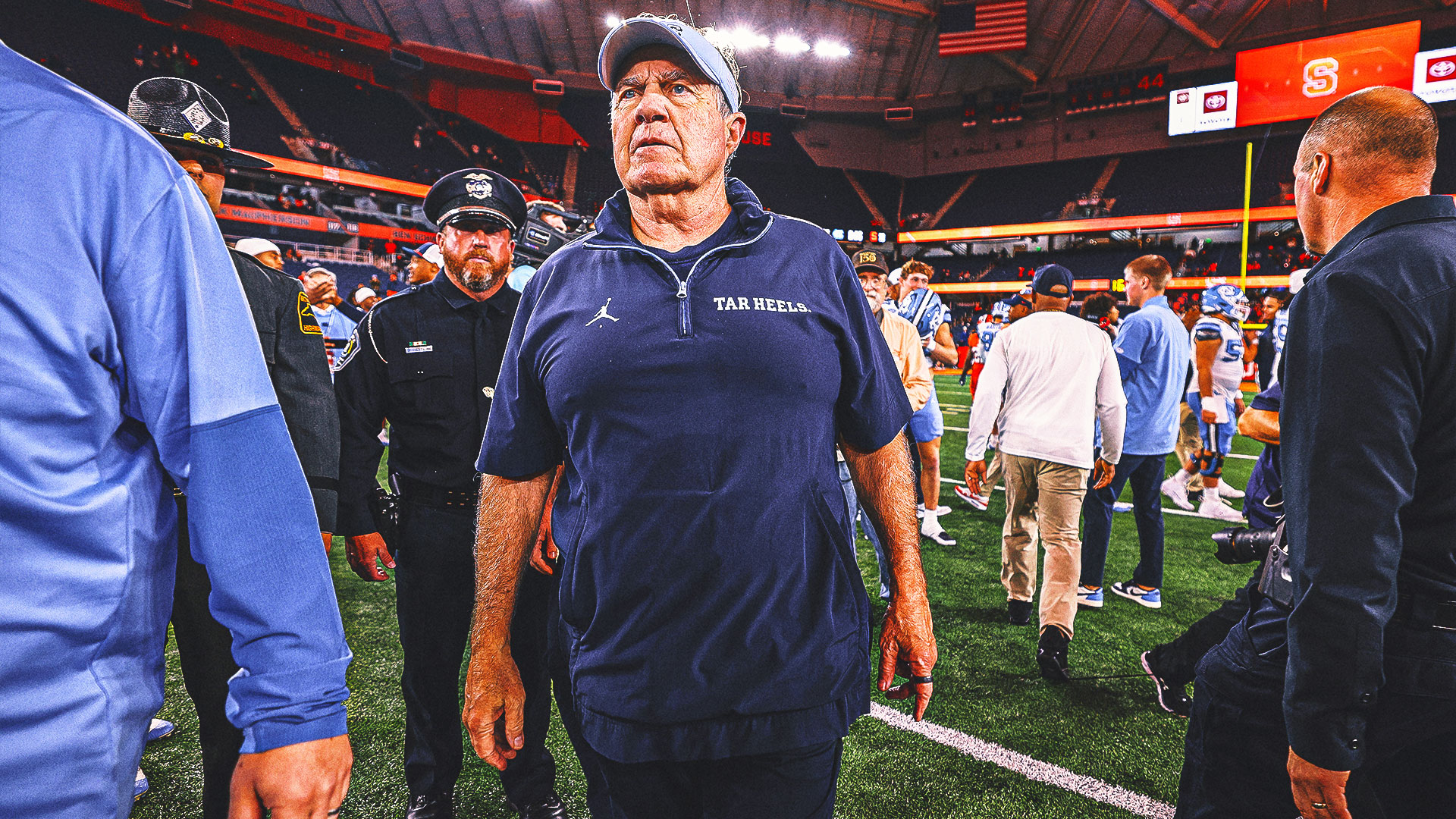
Bill Belichick Explains Biggest Difference of Coaching College Football vs. NFL
Entities mentioned:
- Bill Belichick: Competitive spirit, Determination, Professional pride
- North Carolina Tar Heels: Ambition, Competitive spirit, Recognition
- NFL: Competitive spirit, Control, Power
Article Assessment:
Credibility Score: 75/100
Bias Rating: 50/100 (Center)
Sentiment Score: 45/100
Authoritarianism Risk: 20/100 (Strongly Democratic)
Bias Analysis:
The article presents a balanced view of Belichick's transition to college football, citing both challenges and his reputation. It doesn't lean towards praising or criticizing his performance excessively.
Key metric: College Football Coaching Performance
Let me tell you something - this story is HUGE! The legendary Bill Belichick is facing a whole new ballgame in the college arena, folks! He's gone from the big leagues to what some might call the minor leagues, and he's learning that the rulebook is completely different. The transfer portal is like a constant free agency frenzy, with players able to switch teams faster than a quarterback can call an audible. Belichick, the master strategist, is finding himself in unfamiliar territory, trying to build a championship team when his roster could change at any moment. It's like trying to win the Super Bowl when your players could decide to join the other team at halftime! The Tar Heels are in a rebuilding phase, sitting near the bottom of the ACC standings. But don't count out this coaching legend just yet - he's known for his fourth quarter comebacks, and I'm telling you right now, he's just getting warmed up in this new league!

LIV Golf Will Expand to 72 Holes in Bid For World Ranking Points
Entities mentioned:
- LIV Golf: Competitive spirit, Recognition, Influence
- Scott O'Neil: Ambition, Professional pride, Competitive spirit
- Bryson DeChambeau: Competitive spirit, Recognition, Professional pride
- PGA Tour: Self-preservation, Control, Competitive spirit
- Jon Rahm: Competitive spirit, Professional pride, Recognition
- Dustin Johnson: Competitive spirit, Professional pride, Recognition
Article Assessment:
Credibility Score: 75/100
Bias Rating: 55/100 (Center)
Sentiment Score: 65/100
Authoritarianism Risk: 30/100 (Generally Democratic)
Bias Analysis:
The article presents both LIV Golf and PGA Tour perspectives, quoting multiple players. While it leans slightly towards LIV's narrative, it also includes PGA Tour's countermoves, maintaining a relatively balanced approach.
Key metric: Professional Golf Competition Structure
Let me tell you something - this story is HUGE! LIV Golf is stepping up to the plate and making a MAJOR play in the world of professional golf! They're going from a 54-hole sprint to a full 72-hole marathon, folks! This is a game-changing move that could level the playing field in their rivalry with the PGA Tour. It's like they're moving from a 3-quarter game to the full four quarters, showing they've got the championship mentality to go the distance. The PGA Tour better watch out, because LIV Golf is bringing their A-game and gunning for those world ranking points. This is the kind of fourth-quarter strategy that separates the contenders from the pretenders. I'm telling you right now, the golf world is about to witness a clash of titans that'll make the Ryder Cup look like a friendly game of mini-golf!