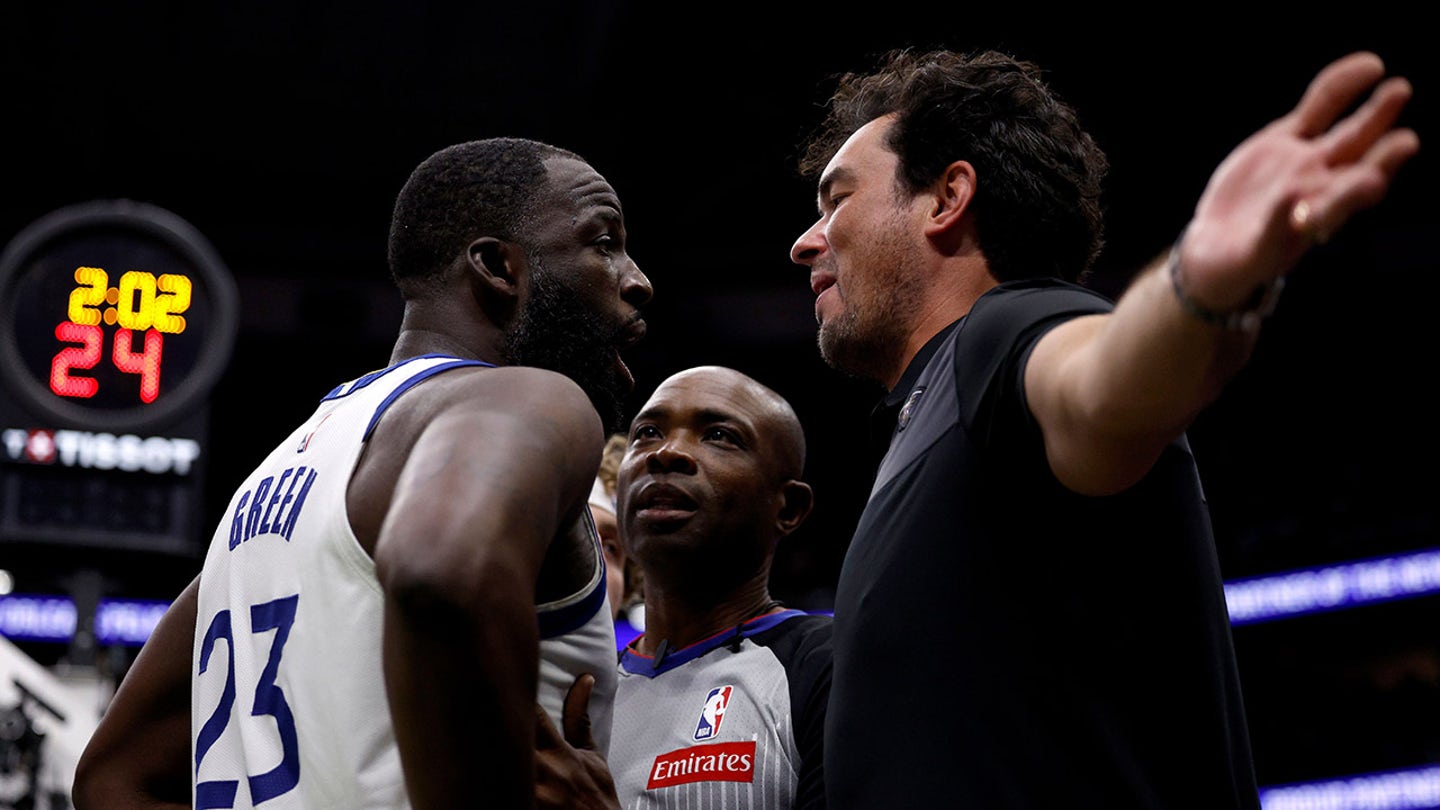
Warriors' Draymond Green confronts fan teasing him with 'Angel Reese' chants
Entities mentioned:
- Draymond Green: Competitive spirit, Pride, Self-respect
- Sam Green (fan): Enthusiasm, Recognition, Influence
- NBA: Control, Professional pride, Security
- Angel Reese: Ambition, Competitive spirit, Self-preservation
Article Assessment:
Credibility Score: 75/100
Bias Rating: 50/100 (Center)
Sentiment Score: 35/100
Authoritarianism Risk: 30/100 (Generally Democratic)
Bias Analysis:
The article presents a balanced account, including perspectives from both the player and the fan involved. It also provides context from past incidents and league policies, maintaining a neutral stance.
Key metric: Player-Fan Interaction Safety
Let me tell you something - this courtside confrontation is a GAME-CHANGER, folks! Draymond Green, known for his defensive prowess, found himself in a whole new ballgame when a fan started trash-talking from the sidelines. This isn't just any ordinary heckling, oh no! We're talking about a fan who brought his A-game, wielding 'Angel Reese' chants like a psychological three-pointer. Green, feeling the heat, decided to step off the court and go one-on-one with this verbal sharpshooter. But let's be clear - this is a dangerous play that could result in a technical foul for both the league and the players. The NBA needs to step up its defense and implement a full-court press on fan behavior before we see things spiral out of control. This incident is a wake-up call, showing that the league needs to tighten up its playbook when it comes to courtside conduct. It's fourth quarter time for the NBA to make some clutch decisions on fan interactions before the game clock runs out on player safety!
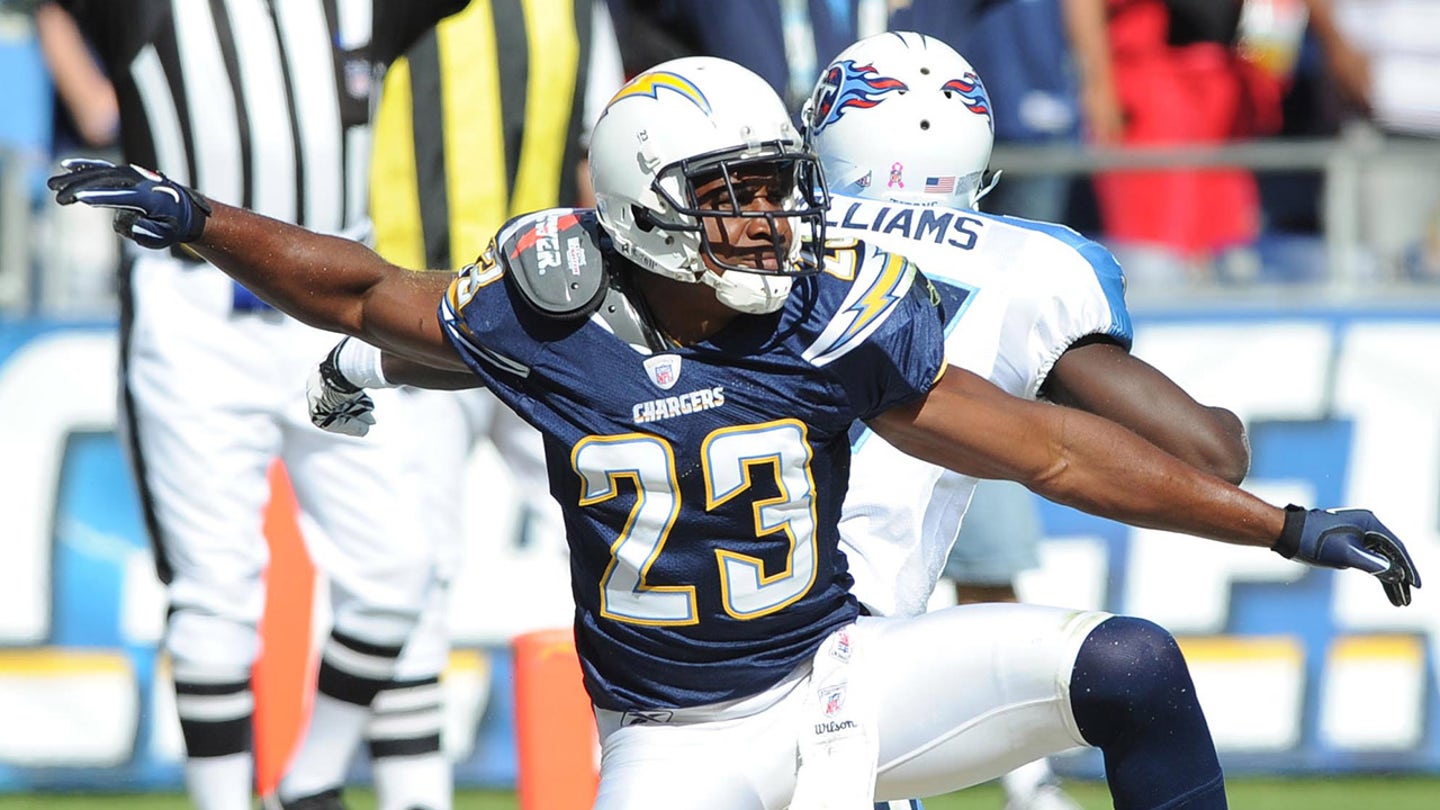
Ex-NFL star makes stance clear: 'Men don’t belong in women’s safe spaces'
Entities mentioned:
- Quentin Jammer: Righteousness, Moral outrage, Protective instinct
- Joey Swoll: Righteousness, Moral outrage, Influence
- Donald Driver: Righteousness, Moral outrage, Loyalty
Article Assessment:
Credibility Score: 70/100
Bias Rating: 65/100 (Lean Right)
Sentiment Score: 30/100
Authoritarianism Risk: 45/100 (Mixed/Neutral)
Bias Analysis:
The article leans right by prominently featuring perspectives opposing transgender inclusion without equal representation of counter-arguments. The language and framing emphasize conservative viewpoints on gender issues.
Key metric: Gender Equality in Sports
Let me tell you something - this story is a GAME-CHANGER! We've got some heavy hitters stepping up to the plate and making their voices heard in this heated match-up over gender spaces. Quentin Jammer, a defensive powerhouse, is playing OFFENSE on this issue, folks! He's not just sitting on the sidelines - he's charging into the endzone of this debate with the intensity of a fourth-quarter blitz! Joey Swoll and Donald Driver are backing him up like a solid offensive line, forming a united front that's harder to break than a steel curtain defense. This team of former NFL stars is showing a championship mentality, refusing to back down on their stance. It's a high-stakes game with no time left on the clock, and these players are leaving it all on the field!