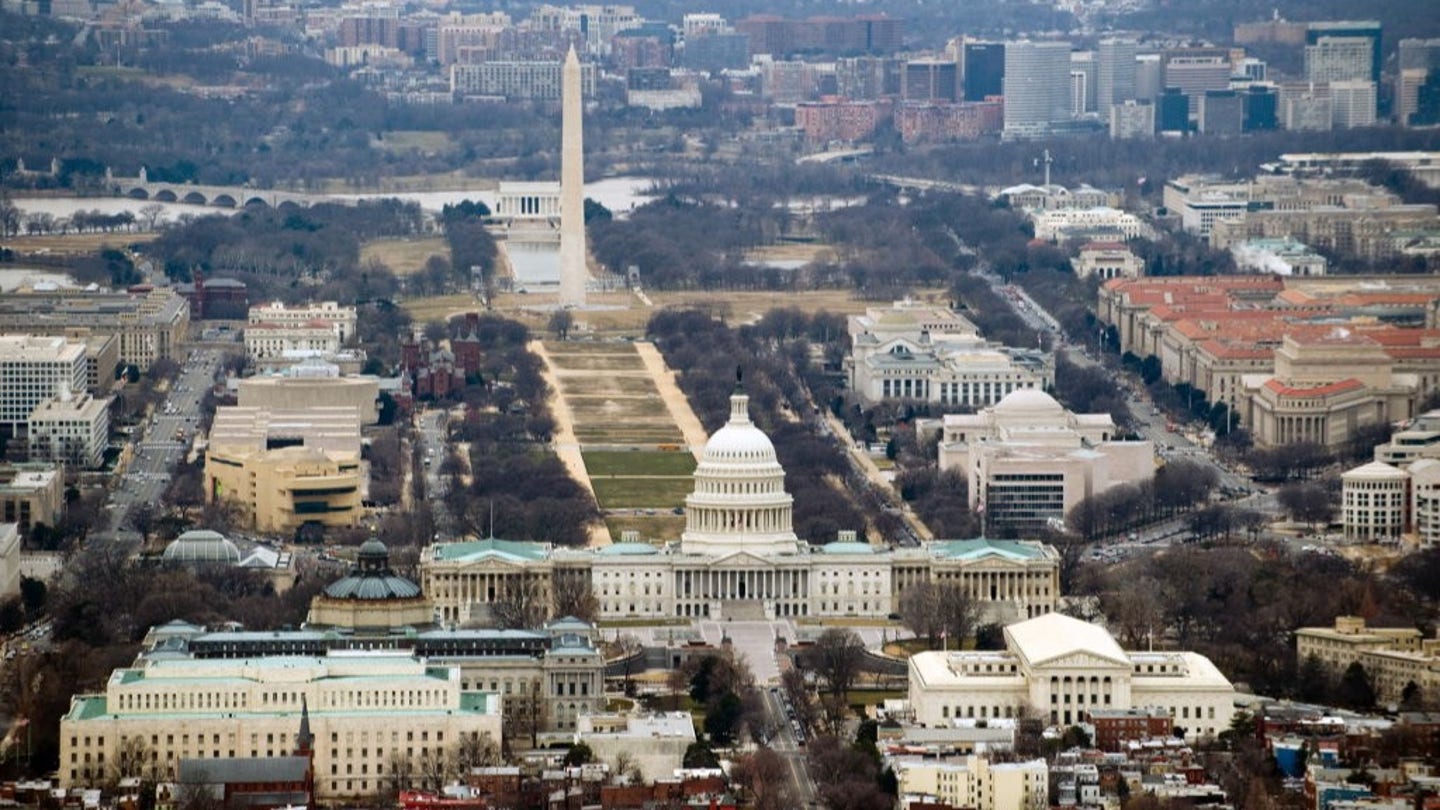
DAVID MARCUS: Trump understands that safety is for every citizen, not just the lucky few
Entities mentioned:
- Donald Trump: Ambition, Power, Legacy
- Democrats: Competitive spirit, Loyalty, Control
- Sen. Sheldon Whitehouse: Righteousness, Loyalty, Indignation
- Rep. Eric Swalwell: Competitive spirit, Recognition, Influence
- Rudy Giuliani: Determination, Legacy, Professional pride
- Mayor Muriel Bowser: Duty, Security, Pragmatism
Article Assessment:
Credibility Score: 45/100
Bias Rating: 75/100 (Lean Right)
Sentiment Score: 65/100
Authoritarianism Risk: 65/100 (Authoritarian Tendencies)
Bias Analysis:
The article heavily favors Trump's perspective and criticizes Democrats, using loaded language and selective examples. It presents a one-sided view of the crime situation and policy responses, aligning closely with right-wing talking points.
Key metric: Violent Crime Rate
As a social scientist, I analyze that this article focuses on President Trump's initiative to address crime in Washington D.C., framing it as a bold and necessary action. The article draws parallels to historical figures and past successful crime reduction efforts, particularly Rudy Giuliani's work in New York City. It portrays Democrats as obstructionist and out of touch with the realities of crime, while painting Trump as a decisive leader addressing a critical issue. The emphasis on public safety as a fundamental right and governmental responsibility is central to the article's argument. This initiative could potentially impact the violent crime rate in D.C. and, by extension, influence national crime statistics and policies. However, the article's strong partisan framing and lack of diverse perspectives limit its comprehensive analysis of the complex factors contributing to urban crime rates.
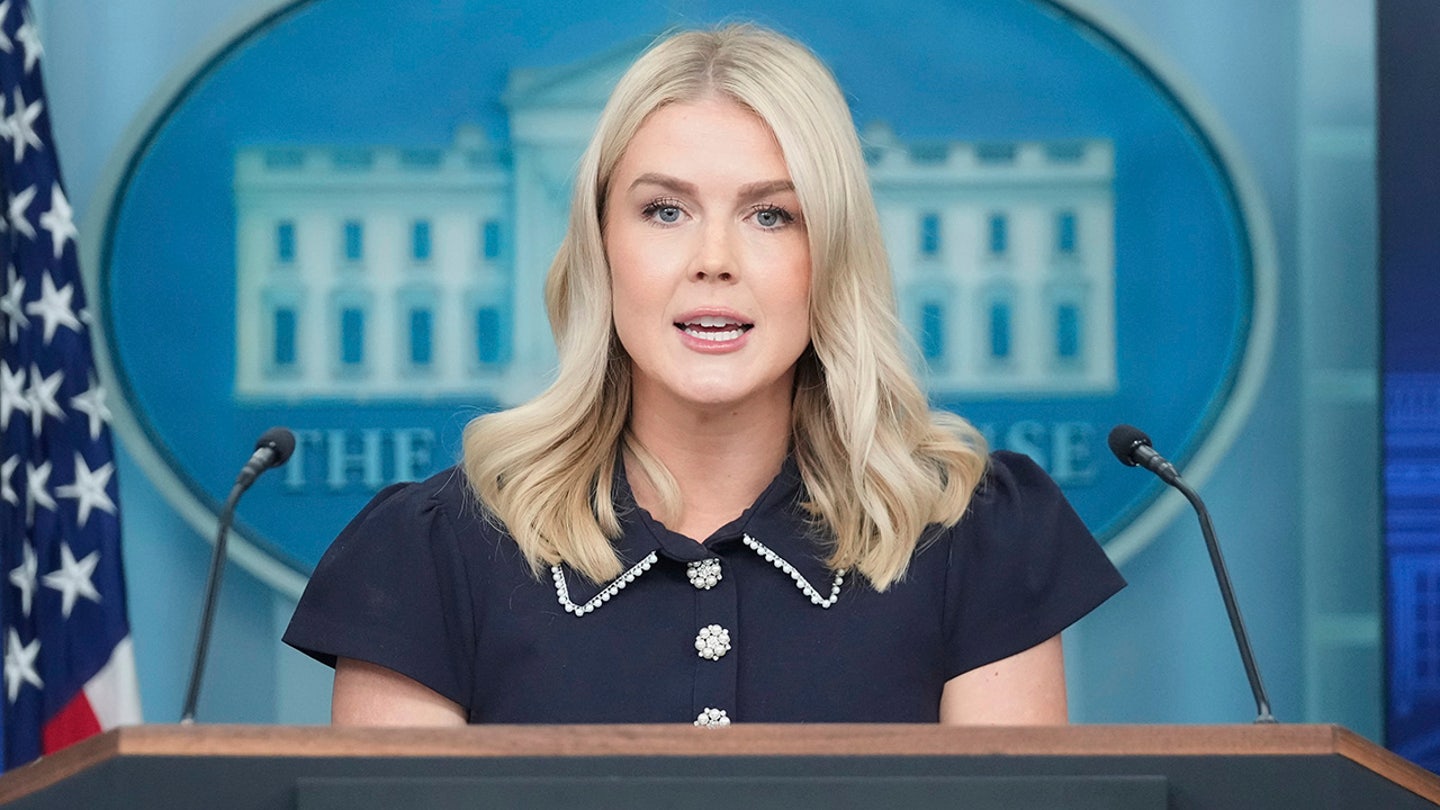
Homeless people in DC have 2 choices as Trump admin cracks down
Entities mentioned:
- White House: Control, Power, Security
- Karoline Leavitt: Duty, Loyalty, Professional pride
- Donald Trump: Power, Control, Recognition
- U.S. Park Police: Duty, Control, Security
- Metropolitan Police Department: Duty, Security, Control
- National Park Service: Duty, Control, Security
- Edward Coristine: Self-preservation, Security, Justice
Article Assessment:
Credibility Score: 65/100
Bias Rating: 75/100 (Lean Right)
Sentiment Score: 30/100
Authoritarianism Risk: 75/100 (Authoritarian Tendencies)
Bias Analysis:
The article leans right, evidenced by its focus on Trump's actions and use of sources like Fox News. The framing of homelessness as primarily a criminal issue rather than a social problem indicates a conservative perspective.
Key metric: Urban Crime Rate
As a social scientist, I analyze that this article highlights a significant shift in approach to homelessness and crime in Washington D.C., driven by the Trump administration. The forceful removal of homeless encampments and the binary choice offered to homeless individuals (shelter or jail) represents a hardline stance on urban management. This approach may temporarily reduce visible homelessness but fails to address root causes. The emphasis on crime and safety, particularly referencing violent incidents involving federal employees, suggests a prioritization of perceived security over long-term solutions for homelessness and poverty. This policy shift could potentially impact urban crime rates in the short term, but may also lead to increased incarceration rates and strain on the criminal justice system, while potentially violating civil liberties of homeless individuals.
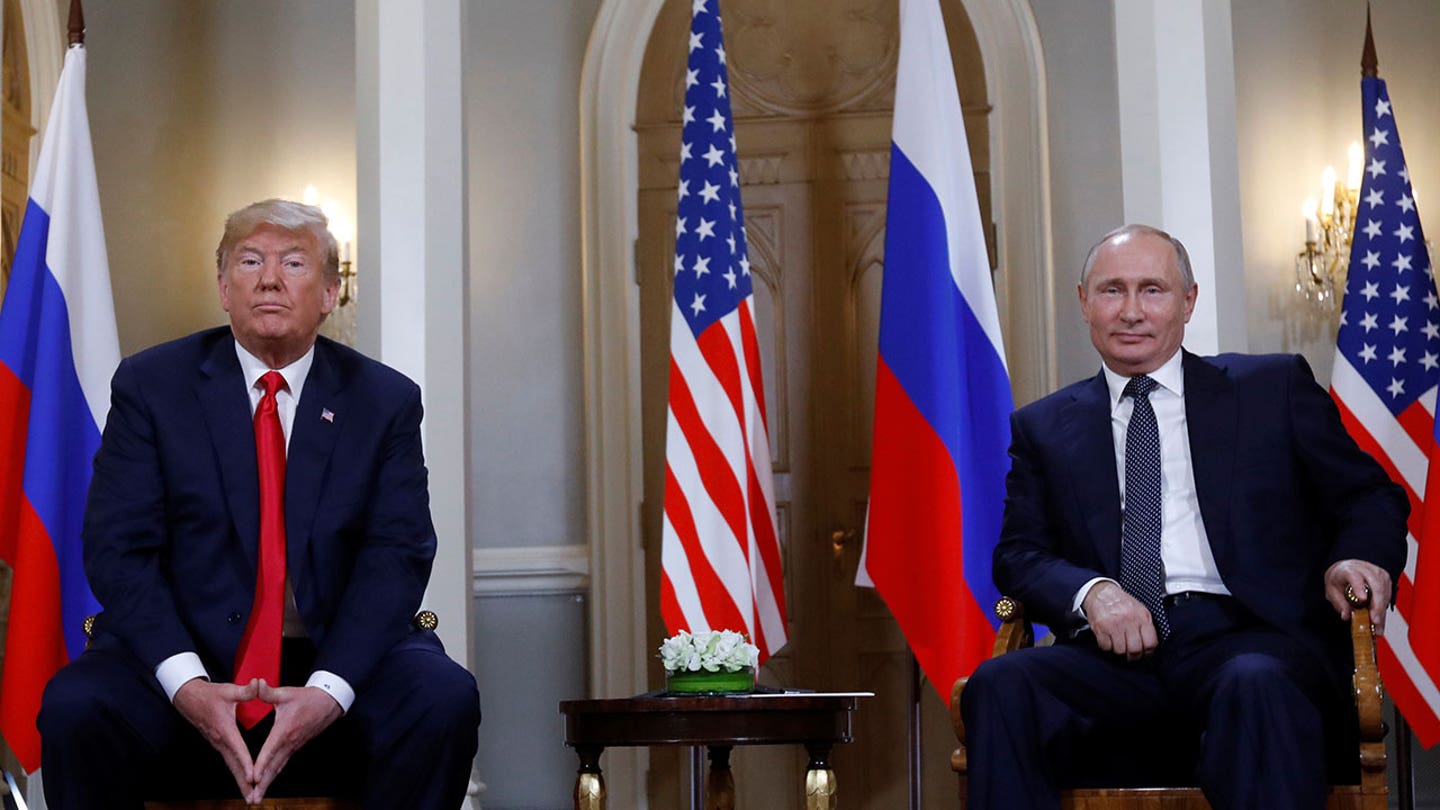
What we know about Trump’s meeting with Vladimir Putin in Alaska
Entities mentioned:
- Donald Trump: Ambition, Legacy, Power
- Vladimir Putin: Power, Control, Influence
- Volodymyr Zelenskyy: Determination, Righteousness, Self-preservation
- Karoline Leavitt: Duty, Loyalty, Professional pride
- Kaja Kallas: Security, Unity, Justice
- Dan Hoffman: Professional pride, Wariness, Curiosity
- Kirill Dmitriev: Influence, Loyalty, Pride
- Recep Tayyip Erdoğan: Influence, Recognition, Power
Article Assessment:
Credibility Score: 75/100
Bias Rating: 55/100 (Center)
Sentiment Score: 45/100
Authoritarianism Risk: 35/100 (Generally Democratic)
Bias Analysis:
The article presents multiple perspectives and quotes from various sources, indicating an attempt at balanced reporting. However, there's a slight lean towards emphasizing Western viewpoints and concerns, particularly those of Ukraine and its allies.
Key metric: International Relations and Diplomacy
As a social scientist, I analyze that this article highlights a significant diplomatic event with potential far-reaching consequences for international relations, particularly regarding the ongoing conflict in Ukraine. The proposed meeting between Trump and Putin in Alaska represents a high-stakes attempt at conflict resolution, bypassing traditional diplomatic channels and raising questions about the roles of other key stakeholders, especially Ukraine and European allies. The article underscores the complexities of international negotiations, the delicate balance of power dynamics, and the potential risks and opportunities in direct leader-to-leader diplomacy. It also reflects the ongoing tensions between national interests, territorial integrity, and the challenges of achieving lasting peace in a complex geopolitical landscape.

Vance to visit US troops during high-stakes UK trip ahead of Trump's Putin meeting
Entities mentioned:
- JD Vance: Duty, Influence, Professional pride
- Donald Trump: Power, Legacy, Control
- Vladimir Putin: Power, Control, Influence
- David Lammy: Duty, Influence, Unity
- U.S. Military: Duty, Security, Professional pride
- European allies: Security, Unity, Self-preservation
- Ukraine: Self-preservation, Freedom, Justice
Article Assessment:
Credibility Score: 75/100
Bias Rating: 55/100 (Center)
Sentiment Score: 45/100
Authoritarianism Risk: 35/100 (Generally Democratic)
Bias Analysis:
The article presents multiple viewpoints and sources, including both U.S. and European perspectives. However, there's a slight lean towards emphasizing the U.S. stance and actions, particularly those of Trump and Vance.
Key metric: U.S. Global Leadership
As a social scientist, I analyze that this article highlights a shift in U.S. foreign policy approach towards the Ukraine conflict. Vice President Vance's trip to the UK and his meetings with European leaders suggest a strategic move to redefine the U.S. role in the conflict. The emphasis on European allies taking greater responsibility indicates a potential reduction in U.S. financial commitment. This, coupled with Trump's upcoming meeting with Putin, signals a possible realignment of U.S. global leadership strategy. The article suggests a more transactional approach to international relations, which could impact the U.S.'s perceived role as a global leader. The mention of 'land swapping' in potential peace negotiations also indicates a pragmatic, rather than idealistic, approach to conflict resolution, which could have significant implications for U.S. foreign policy and global influence.
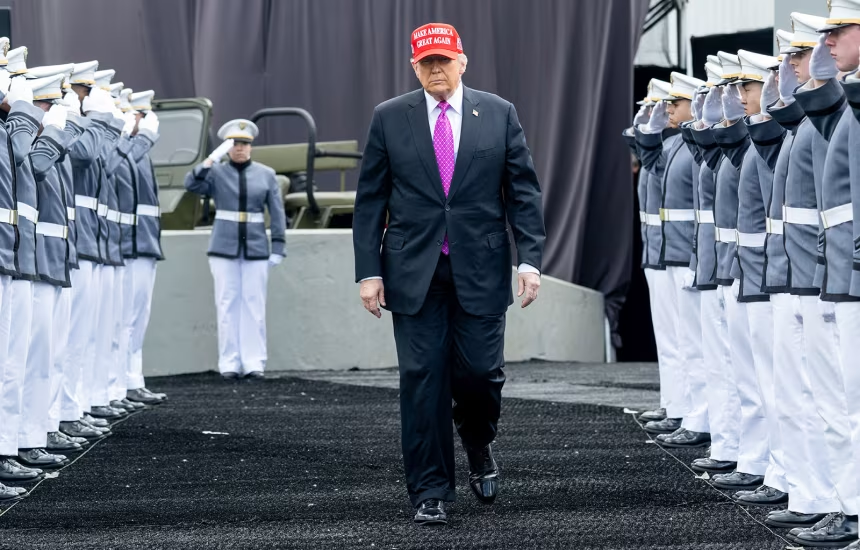
Anti-affirmative action group drops lawsuits against West Point and Air Force Academy after policy changes
Entities mentioned:
- Students for Fair Admissions (SFFA): Justice, Righteousness, Competitive spirit
- Donald Trump: Power, Control, Influence
- West Point: Duty, Professional pride, Obligation
- Air Force Academy: Duty, Professional pride, Obligation
- Pam Bondi: Righteousness, Influence, Control
- Edward Blum: Justice, Righteousness, Determination
- Supreme Court: Justice, Duty, Influence
- Biden administration: Unity, Influence, Duty
- Elizabeth Prelogar: Duty, Professional pride, Security
Article Assessment:
Credibility Score: 75/100
Bias Rating: 55/100 (Center)
Sentiment Score: 45/100
Authoritarianism Risk: 35/100 (Generally Democratic)
Bias Analysis:
The article presents multiple perspectives on the issue, including views from both sides of the affirmative action debate. While it gives slightly more space to the anti-affirmative action stance, it also includes counterarguments, maintaining a relatively balanced approach.
Key metric: Military Readiness and Diversity
As a social scientist, I analyze that this article highlights a significant shift in military academy admissions policies, moving away from considering race as a factor. This change, driven by the Trump administration and supported by anti-affirmative action groups, could potentially impact the diversity of the officer corps in the U.S. military. The dropping of lawsuits by Students for Fair Admissions (SFFA) suggests a victory for those opposing race-conscious admissions policies. However, this shift raises concerns about the military's ability to maintain a diverse officer corps that reflects the enlisted ranks and the broader population. The article presents competing viewpoints on the importance of diversity in military leadership, with the Biden administration previously arguing for its critical role in national security. This policy change may have long-term implications for military cohesion, leadership representation, and overall effectiveness, potentially affecting the key metric of Military Readiness and Diversity.
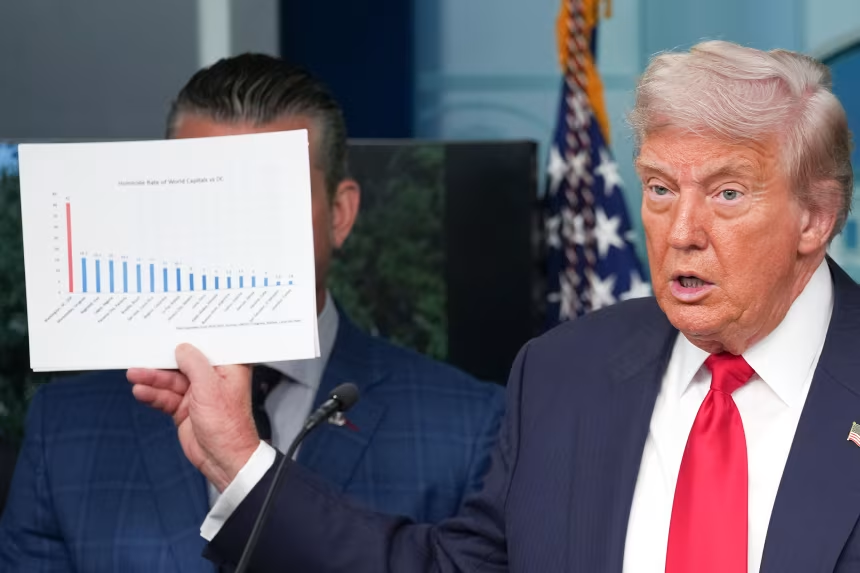
Fact check: Violent crime in DC has fallen in 2024 and 2025 after a 2023 spike
Entities mentioned:
- Donald Trump: Power, Control, Influence
- Washington, DC: Security, Self-preservation, Unity
- Jeff Asher: Professional pride, Duty, Curiosity
- Adam Gelb: Professional pride, Duty, Curiosity
- Council on Criminal Justice: Professional pride, Duty, Influence
- Ed Martin: Loyalty, Duty, Professional pride
- Washington police union: Self-preservation, Influence, Professional pride
Article Assessment:
Credibility Score: 85/100
Bias Rating: 45/100 (Center)
Sentiment Score: 55/100
Authoritarianism Risk: 35/100 (Generally Democratic)
Bias Analysis:
The article presents a balanced view, providing data and expert opinions that contradict the President's claims. While it leans slightly left by challenging Trump's statements, it maintains objectivity by acknowledging uncertainties and including various perspectives.
Key metric: Violent Crime Rate
As a social scientist, I analyze that this article primarily focuses on the discrepancy between President Trump's claims about rising crime in Washington, DC, and the actual crime statistics. The data presented shows a clear decline in violent crime, including homicides and carjackings, since a spike in 2023. This trend aligns with national patterns of decreasing violent crime. The article challenges the President's narrative by providing concrete statistics and expert opinions, highlighting the importance of accurate data representation in policy discussions. The dispute over data manipulation adds a layer of complexity to the interpretation of crime statistics, though multiple independent sources support the declining trend. This situation underscores the potential for political motivations to influence the presentation and interpretation of crime data, which can have significant implications for public policy and resource allocation in law enforcement.
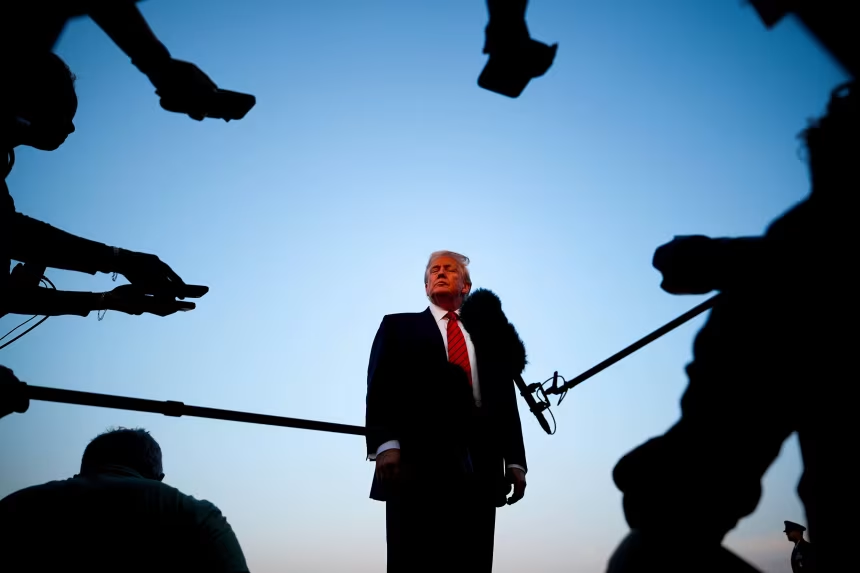
Trump has been on a roll for the ages — but blowback could be looming
Entities mentioned:
- Donald Trump: Power, Control, Legacy
- Robert Kennedy Jr.: Ambition, Influence, Professional pride
- Vladimir Putin: Power, Control, Influence
- Mark Kelly: Duty, Justice, Security
Article Assessment:
Credibility Score: 65/100
Bias Rating: 35/100 (Lean Left)
Sentiment Score: 30/100
Authoritarianism Risk: 65/100 (Authoritarian Tendencies)
Bias Analysis:
The article leans left in its framing, emphasizing potential negative consequences of Trump's policies and using language that is often critical of the administration. While it includes some factual information, the tone and selection of points suggest a skeptical view of Trump's presidency.
Key metric: Presidential Approval Rating
As a social scientist, I analyze that this article portrays a presidency marked by aggressive policy implementation and consolidation of power. Trump's actions across trade, immigration, and domestic policy are described as far-reaching and potentially risky. The article suggests that while Trump has achieved significant policy wins, there may be looming consequences that could impact his approval ratings and political standing. The piece highlights concerns about economic repercussions from tariffs, humanitarian issues in immigration enforcement, and potential backlash against legislative actions. It also touches on Trump's foreign policy approach, particularly with Russia, and its possible implications for global politics and U.S. alliances. The article implies that Trump's governance style, characterized by personal will and leverage, may be approaching a critical juncture where political and policy outcomes could shift public opinion.
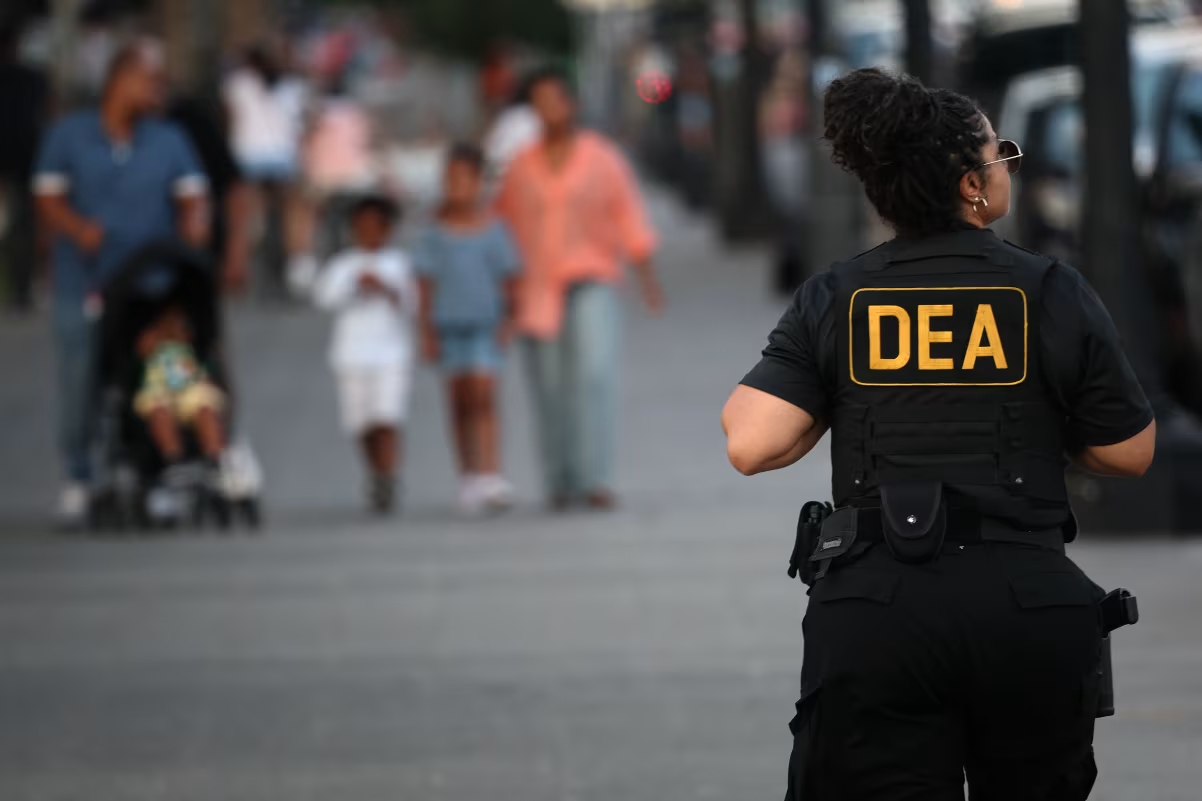
Trump’s Washington, DC, crackdown is a political stunt. But it could take a much darker turn
Entities mentioned:
- Donald Trump: Power, Control, Ambition
- Muriel Bowser: Duty, Self-preservation, Professional pride
- Pete Hegseth: Loyalty, Ambition, Influence
- Pam Bondi: Loyalty, Power, Influence
- Kash Patel: Loyalty, Power, Influence
- Greggory Pemberton: Professional pride, Security, Duty
- Karen Bass: Righteousness, Duty, Wariness
Article Assessment:
Credibility Score: 75/100
Bias Rating: 35/100 (Lean Left)
Sentiment Score: 30/100
Authoritarianism Risk: 70/100 (Authoritarian Tendencies)
Bias Analysis:
The article leans left in its framing, emphasizing potential authoritarian risks and presenting Trump's actions in a critical light. However, it does attempt to provide some balance by including perspectives from Trump supporters and acknowledging real crime concerns.
Key metric: Democratic Institutions and Norms
As a social scientist, I analyze that this article highlights a concerning trend of President Trump using exaggerated claims of crises to justify expanding executive power and militarizing civilian functions. The deployment of federal troops to Washington, DC, based on questionable crime statistics, represents a potential erosion of local autonomy and democratic norms. This action, combined with other recent power grabs mentioned in the article, suggests a pattern of centralizing authority and bypassing traditional checks and balances. The contrast between Trump's rhetoric and actual crime data, as well as the strategic responses from local officials like Mayor Bowser, illustrates the tension between federal overreach and local governance. This situation raises significant questions about the long-term implications for federalism, separation of powers, and the potential for authoritarian drift in American democracy.
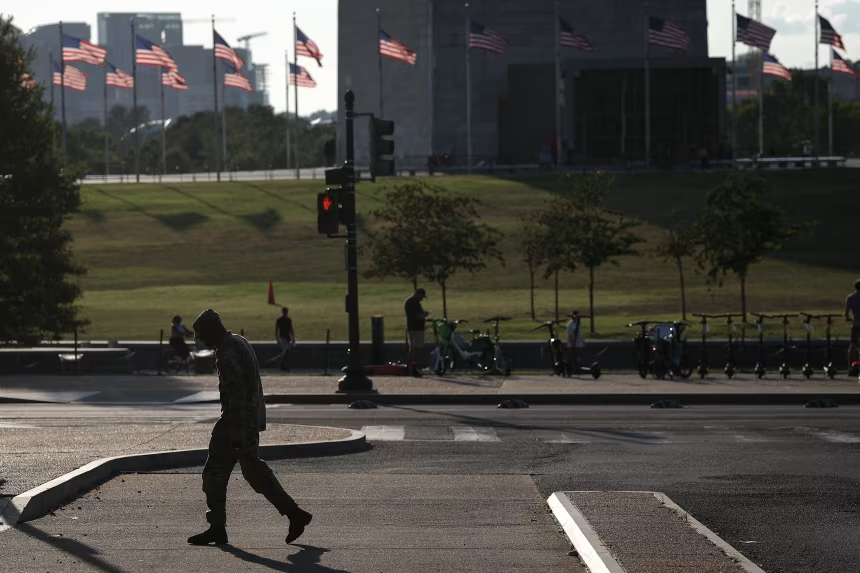
Trump deployed the National Guard and declared federal control of DC police. Here’s how he is able to do it
Entities mentioned:
- Donald Trump: Power, Control, Legacy
- DC National Guard: Duty, Obligation, Security
- Washington, DC Police Department: Security, Professional pride, Duty
- US Congress: Control, Duty, Influence
- Muriel Bowser: Indignation, Self-preservation, Duty
- Greggory Pemberton: Professional pride, Security, Loyalty
- Federal Bureau of Investigation (FBI): Duty, Security, Professional pride
Article Assessment:
Credibility Score: 75/100
Bias Rating: 55/100 (Center)
Sentiment Score: 35/100
Authoritarianism Risk: 65/100 (Authoritarian Tendencies)
Bias Analysis:
The article presents multiple perspectives and includes factual data, showing an attempt at balanced reporting. However, there's a slight lean towards questioning the necessity of Trump's actions, potentially indicating a slight center-left bias.
Key metric: Federal-State Power Balance
As a social scientist, I analyze that this article highlights a significant shift in the federal-state power balance, particularly in Washington, DC. Trump's unprecedented move to take control of DC's police department and deploy the National Guard demonstrates an expansion of federal authority in local affairs. This action, while legally permissible under the Home Rule Act, raises concerns about the erosion of local autonomy and the potential for abuse of presidential power. The justification for this intervention appears to be based on crime rates, although the article notes that crime has actually been declining in recent years. This discrepancy between the stated rationale and statistical reality suggests potential political motivations behind the decision. The move also sets a precedent that could impact future federal-state relations and the balance of power in other cities, despite the unique legal status of Washington, DC. The reaction from local officials, particularly Mayor Bowser, indicates tension between local and federal authorities, which could have long-term implications for governance and policy implementation in the capital.

White House lands on Trump-Putin summit location as officials race to prepare for historic Alaska meeting
Entities mentioned:
- President Donald Trump: Ambition, Power, Legacy
- Vladimir Putin: Power, Influence, Control
- White House officials: Duty, Professional pride, Security
- Secretary of State Marco Rubio: Duty, Influence, Professional pride
- John Bolton: Wariness, Criticism, Influence
- President Joe Biden: Duty, Security, Influence
- Steve Witkoff: Loyalty, Influence, Duty
- Volodymyr Zelensky: Security, Influence, Self-preservation
Article Assessment:
Credibility Score: 70/100
Bias Rating: 55/100 (Center)
Sentiment Score: 45/100
Authoritarianism Risk: 35/100 (Generally Democratic)
Bias Analysis:
The article presents multiple perspectives, including critics of the summit. However, it leans slightly towards emphasizing concerns and potential risks, while still maintaining a relatively balanced approach.
Key metric: International Relations and Diplomacy
As a social scientist, I analyze that this summit between Trump and Putin represents a significant shift in US-Russia relations, potentially impacting global geopolitics. The rushed nature of the preparations and the choice of location in Alaska suggest an unconventional approach to diplomacy. The one-on-one format raises concerns about transparency and accountability. The exclusion of Ukraine's President Zelensky from direct participation could affect the balance of power discussions regarding the ongoing conflict. This meeting may influence international perceptions of US foreign policy and its stance towards Russia, potentially altering alliances and diplomatic strategies globally.