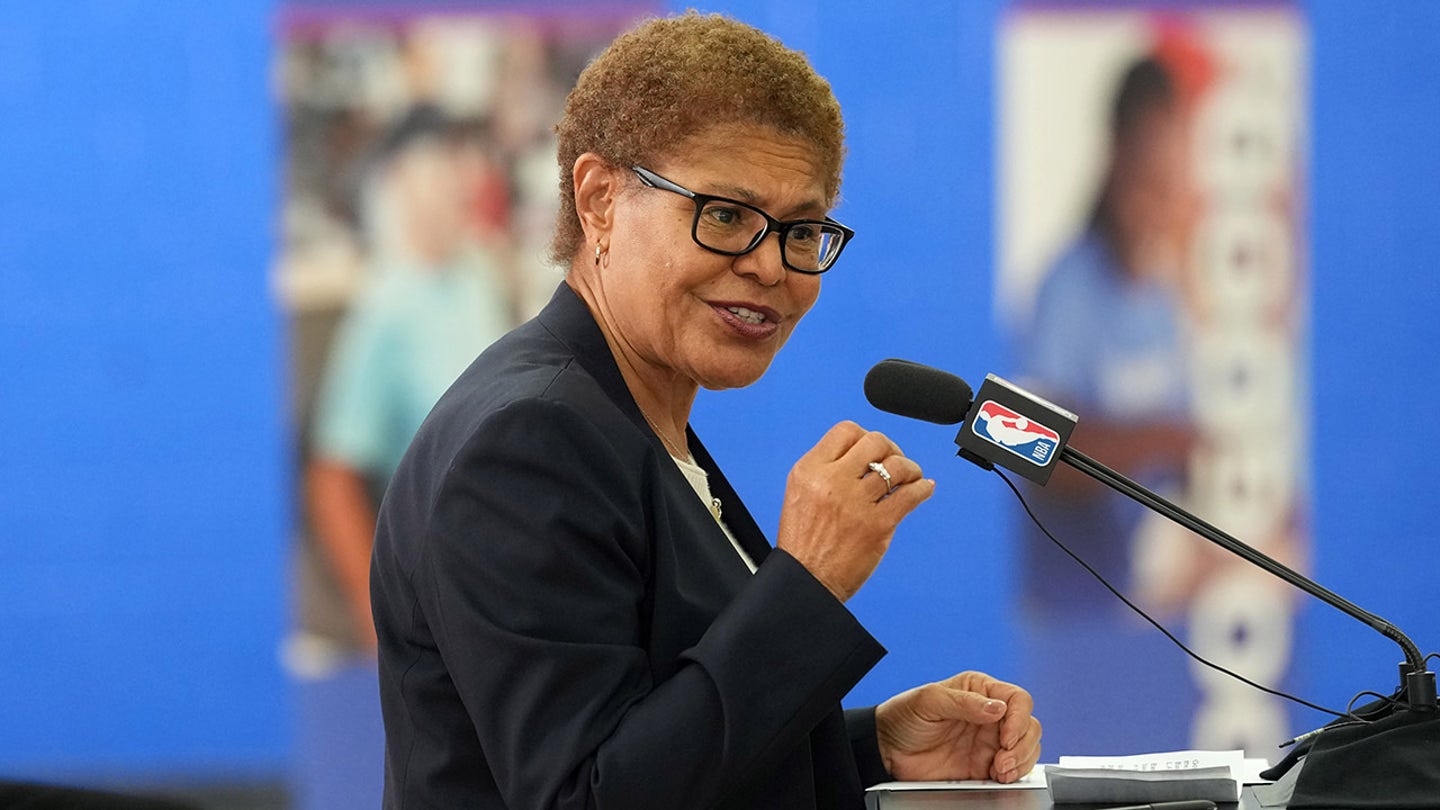
Mayor calls on Los Angeles Olympics chief to resign amid Epstein controversy
Entities mentioned:
- Karen Bass: Righteousness, Moral outrage, Professional pride
- Casey Wasserman: Self-preservation, Legacy, Influence
- LA 2028 Olympics Committee: Unity, Professional pride, Loyalty
Article Assessment:
Credibility Score: 75/100
Bias Rating: 55/100 (Center)
Sentiment Score: 30/100
Authoritarianism Risk: 35/100 (Generally Democratic)
Bias Analysis:
The article presents multiple viewpoints, including Bass's call for resignation and the committee's defense of Wasserman. It provides context and background information, maintaining a relatively balanced approach.
Key metric: US Global Reputation
Ladies and gentlemen, we've got a MAJOR SHAKEUP in the Olympic arena! Mayor Karen Bass is throwing a Hail Mary pass, calling for LA 2028 Olympics chief Casey Wasserman to hit the showers over his Epstein file appearance. This is a FOURTH QUARTER MOVE that could change the whole game plan for the Los Angeles Olympics! Wasserman's been playing defense, selling his talent agency faster than a running back dodging tackles. But let me tell you something - this Olympics committee is circling the wagons, defending their quarterback like he's Tom Brady in the Super Bowl. It's TEAM LOYALTY vs. PUBLIC PRESSURE, folks, and the clock is ticking! The US Global Reputation is on the line here - we're talking about our country's chance to host a world-class event, and right now, it looks like we're fumbling the ball!
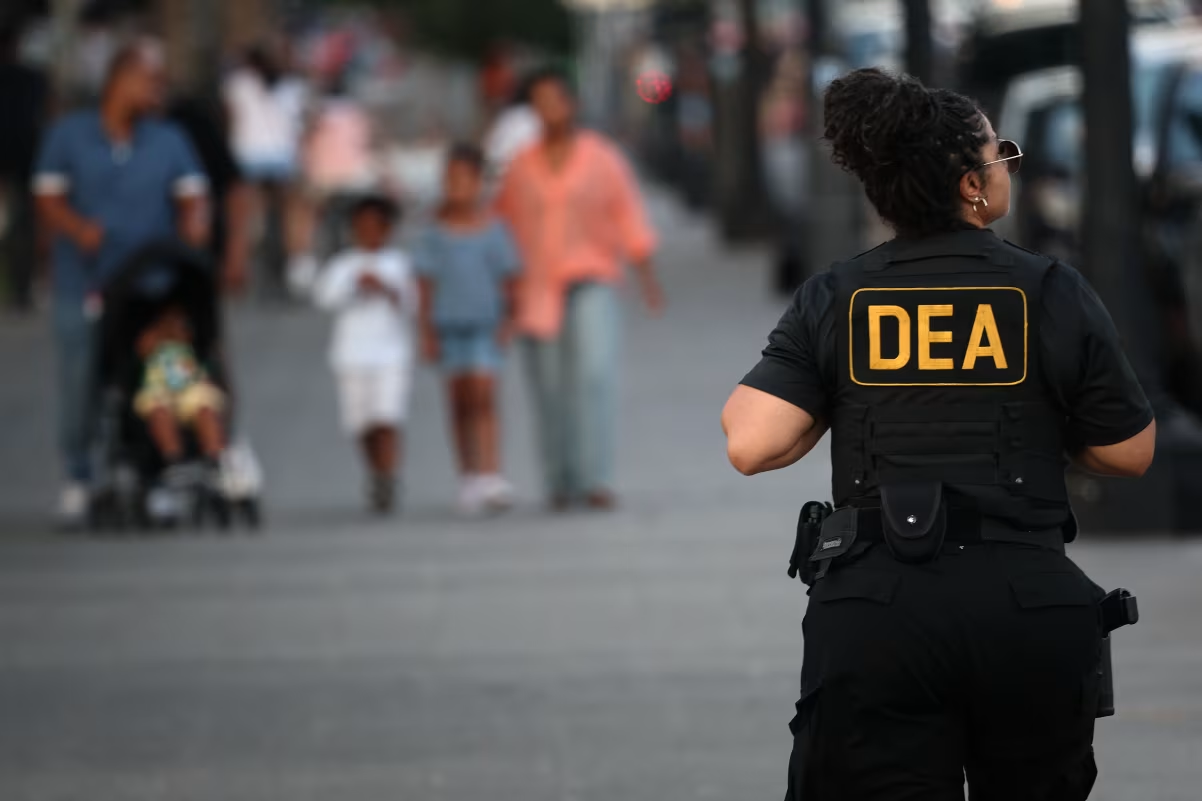
Trump’s Washington, DC, crackdown is a political stunt. But it could take a much darker turn
Entities mentioned:
- Donald Trump: Power, Control, Ambition
- Muriel Bowser: Duty, Self-preservation, Professional pride
- Pete Hegseth: Loyalty, Ambition, Influence
- Pam Bondi: Loyalty, Power, Influence
- Kash Patel: Loyalty, Power, Influence
- Greggory Pemberton: Professional pride, Security, Duty
- Karen Bass: Righteousness, Duty, Wariness
Article Assessment:
Credibility Score: 75/100
Bias Rating: 35/100 (Lean Left)
Sentiment Score: 30/100
Authoritarianism Risk: 70/100 (Authoritarian Tendencies)
Bias Analysis:
The article leans left in its framing, emphasizing potential authoritarian risks and presenting Trump's actions in a critical light. However, it does attempt to provide some balance by including perspectives from Trump supporters and acknowledging real crime concerns.
Key metric: Democratic Institutions and Norms
As a social scientist, I analyze that this article highlights a concerning trend of President Trump using exaggerated claims of crises to justify expanding executive power and militarizing civilian functions. The deployment of federal troops to Washington, DC, based on questionable crime statistics, represents a potential erosion of local autonomy and democratic norms. This action, combined with other recent power grabs mentioned in the article, suggests a pattern of centralizing authority and bypassing traditional checks and balances. The contrast between Trump's rhetoric and actual crime data, as well as the strategic responses from local officials like Mayor Bowser, illustrates the tension between federal overreach and local governance. This situation raises significant questions about the long-term implications for federalism, separation of powers, and the potential for authoritarian drift in American democracy.
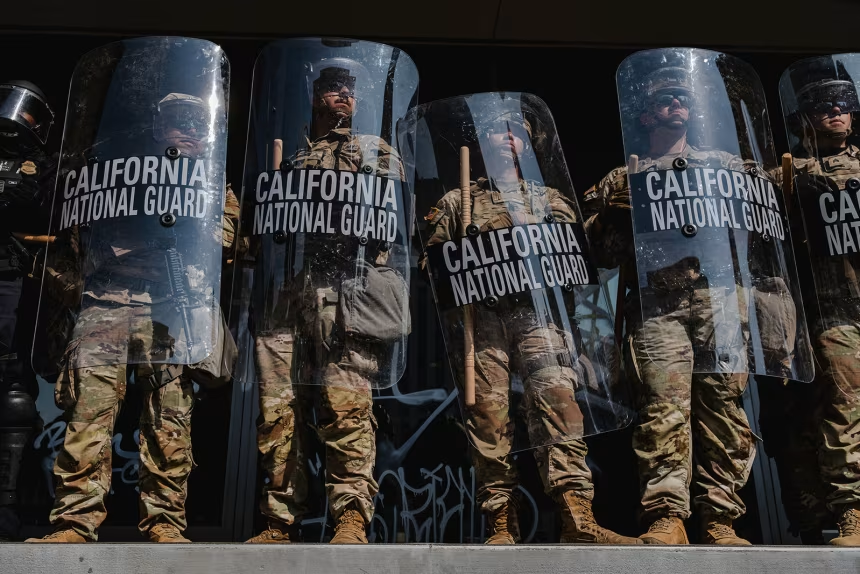
Trump’s threats of using military on US soil are getting more real
Entities mentioned:
- Donald Trump: Power, Control, Security
- US Military: Duty, Security, Obligation
- Gavin Newsom: Competitive spirit, Righteousness
- Karen Bass: Duty, Security
- Mark Esper: Duty, Professional pride
- Stephen Miller: Control, Security
Article Assessment:
Credibility Score: 75/100
Bias Rating: 35/100 (Lean Left)
Sentiment Score: 25/100
Authoritarianism Risk: 70/100 (Authoritarian Tendencies)
Bias Analysis:
The article leans left in its framing, emphasizing concerns about Trump's actions and their potential authoritarian implications. While it presents factual information, the tone and selection of quotes suggest a critical stance towards the administration's policies.
Key metric: Civilian Control of Military
As a social scientist, I analyze that this article highlights a concerning trend towards the potential erosion of civilian control over the military in the United States. President Trump's repeated suggestions and actions aimed at deploying military forces for domestic law enforcement purposes represent a significant departure from historical norms and potentially challenge the foundational principle of civilian control. This shift could have far-reaching implications for the balance of power within the US government and the role of the military in domestic affairs. The article suggests a gradual escalation in both rhetoric and action, which may be testing public and institutional tolerance for such measures. This trend, if continued, could lead to a redefinition of the military's domestic role and potentially alter the relationship between civilian leadership and military forces in ways that may be difficult to reverse.