
‘A literal gut punch’: Missouri workers devastated by Republican repeal of paid sick leave
Entities mentioned:
- Bill Thompson: Self-preservation, Justice, Moral outrage
- Missouri Republicans: Power, Control, Loyalty
- Missouri chamber of commerce and industry: Greed, Influence, Control
- Richard Eiker: Justice, Moral outrage, Self-preservation
- Richard von Glahn: Justice, Moral outrage, Influence
- Mike Kehoe: Loyalty, Power, Control
- Ray McCarty: Influence, Greed, Self-preservation
Article Assessment:
Credibility Score: 75/100
Bias Rating: 35/100 (Lean Left)
Sentiment Score: 25/100
Authoritarianism Risk: 40/100 (Generally Democratic)
Bias Analysis:
The article leans left in its framing, focusing primarily on the perspectives of workers and labor advocates. While it includes some opposing viewpoints, they are given less prominence and depth compared to pro-worker arguments.
Key metric: Labor Force Participation Rate
As a social scientist, I analyze that the repeal of the paid sick leave mandate in Missouri will likely have a negative impact on the Labor Force Participation Rate. The article highlights how the lack of paid sick leave forces workers to choose between their health and financial stability, potentially leading to reduced workforce participation, especially among vulnerable populations. The repeal may disproportionately affect lower-income workers, women, and those with health issues or caregiving responsibilities. This could result in increased absenteeism, lower productivity, and higher turnover rates, all of which can contribute to a decrease in overall labor force participation. The strong public support for the original mandate (58% approval) suggests that a significant portion of the workforce recognizes the importance of paid sick leave, and its repeal may lead to dissatisfaction and potential labor disputes. The article also points to research showing that paid sick leave policies can improve workforce participation, particularly for women, which further supports the potential negative impact of this repeal on the Labor Force Participation Rate.
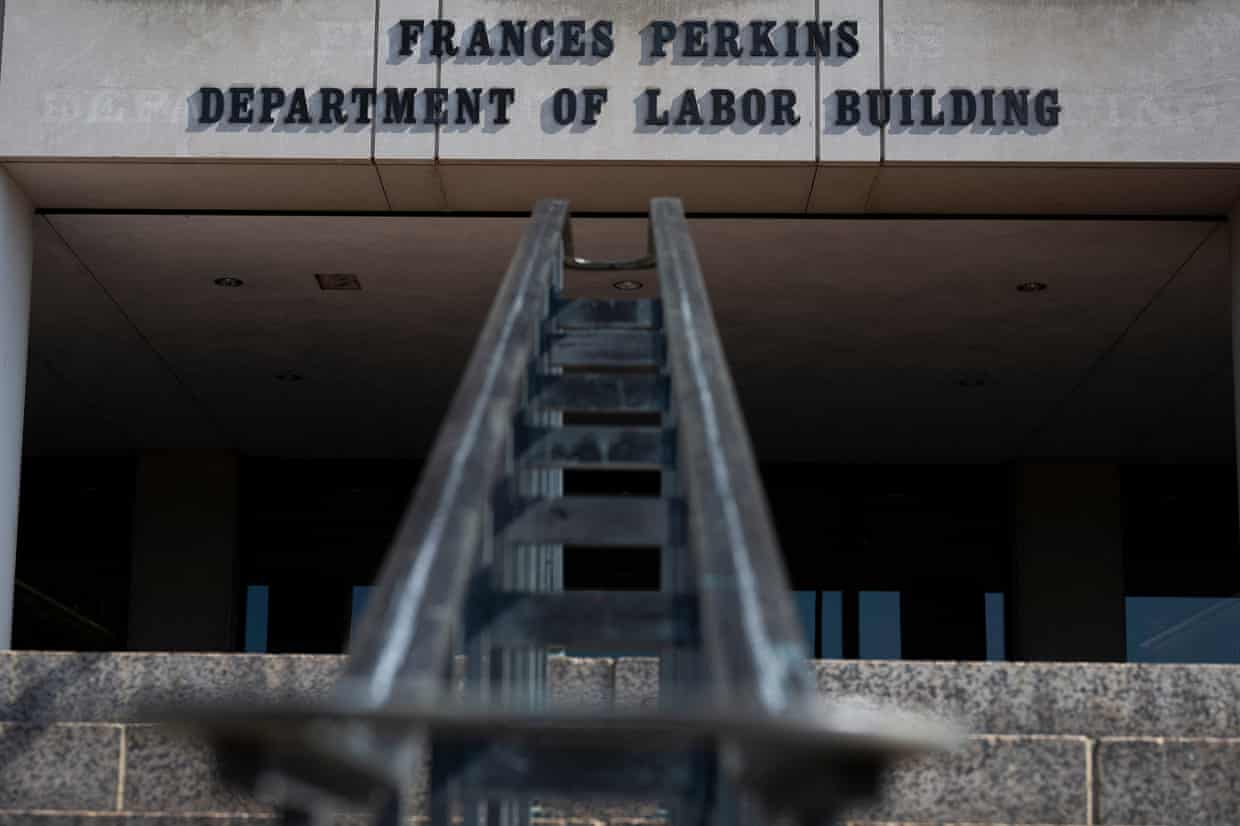
New Trump labor official has history of racist, sexist and conspiratorial posts
Entities mentioned:
- Jessica Bowman: Ambition, Loyalty, Influence
- US Department of Labor: Duty, Control, Professional pride
- Trump administration: Power, Control, Loyalty
- Bureau of International Labor Affairs: Duty, Justice, Influence
- Republican Liberty Caucus: Influence, Loyalty, Freedom
- Kamala Harris: Ambition, Power, Recognition
- Laura Loomer: Influence, Loyalty, Recognition
- Indivisible: Influence, Unity, Justice
Article Assessment:
Credibility Score: 75/100
Bias Rating: 35/100 (Lean Left)
Sentiment Score: 25/100
Authoritarianism Risk: 55/100 (Mixed/Neutral)
Bias Analysis:
The article leans left in its framing, focusing heavily on criticisms of the Trump administration and Republican-affiliated individuals. While it presents factual information, the selection of content and tone suggest a critical stance towards conservative policies and appointments.
Key metric: Government Integrity Index
As a social scientist, I analyze that this article highlights significant concerns about the appointment of Jessica Bowman to a key position in the US Department of Labor. Her history of racist, sexist, and conspiratorial social media posts raises questions about the vetting process and the priorities of the current administration. This appointment could potentially undermine the credibility and effectiveness of the Bureau of International Labor Affairs, whose mission involves ensuring fair treatment of workers globally. The dissemination of conspiracy theories and false claims about election rigging by a government official may contribute to eroding public trust in democratic institutions. Furthermore, the dramatic budget cuts to the department under the current administration, coupled with the appointment of officials with questionable qualifications and extreme views, suggest a potential shift in labor policy that could have far-reaching implications for workers' rights and international labor standards.

Nobody In White House Sure Who Guy Praying Over Trump Is
Entities mentioned:
- Donald Trump: Power, Control, Recognition
- White House: Security, Control, Loyalty
- Mysterious Stranger: Influence, Righteousness, Control
- Administration Official: Duty, Wariness, Self-preservation
- Press Secretary: Loyalty, Control, Indignation
- Secret Service: Security, Duty, Wariness
Article Assessment:
Credibility Score: 30/100
Bias Rating: 35/100 (Lean Left)
Sentiment Score: 25/100
Authoritarianism Risk: 65/100 (Authoritarian Tendencies)
Bias Analysis:
The article leans left, using satire to criticize the Trump administration. It portrays the administration as chaotic and hostile to transparency, reflecting a negative bias towards conservative leadership.
Key metric: Government Transparency and Accountability
As a social scientist, I analyze that this satirical article highlights concerns about transparency, security protocols, and decision-making processes within the highest levels of government. The presence of an unidentified individual with apparent influence over the President raises questions about vetting procedures and the potential for undue religious influence in governance. The administration's reported hostility towards media inquiries further underscores issues of accountability and press freedom. The absurd elements, such as snake-handling and speaking in tongues, serve to amplify concerns about rational leadership and separation of church and state. The article's conclusion, suggesting the appointment of this unknown figure to a critical economic position, pointedly criticizes perceived incompetence and arbitrary decision-making in high-level appointments.

Timeline Of Trump’s Battle With Harvard
Entities mentioned:
- Donald Trump: Power, Control, Revenge
- Harvard University: Self-preservation, Professional pride, Influence
- Justice Department: Duty, Loyalty, Control
- Tim Cook: Competitive spirit, Ambition, Innovation
- Apple: Competitive spirit, Influence, Greed
Article Assessment:
Credibility Score: 25/100
Bias Rating: 30/100 (Lean Left)
Sentiment Score: 30/100
Authoritarianism Risk: 70/100 (Authoritarian Tendencies)
Bias Analysis:
The article leans left, mocking Trump and conservative policies. It presents exaggerated scenarios that paint the administration in a negative light, while portraying Harvard as resistant to governmental pressure.
Key metric: Economic Competitiveness
As a social scientist, I analyze that this satirical article presents a fictional timeline of escalating tensions between President Trump and Harvard University, as well as an unrelated segment about Apple. The exaggerated conflict portrays governmental overreach and abuse of power, potentially impacting academic freedom and international relations. The Apple segment satirizes trade tensions and manufacturing challenges. Both parts highlight concerns about executive power, education policy, and economic competitiveness. The absurdist nature of the content serves to critique real-world political and economic issues through humor.
- Read more about Timeline Of Trump’s Battle With Harvard
- Log in to post comments

Trump Pardons Tom Sandoval
Entities mentioned:
- Donald Trump: Power, Control, Recognition
- Tom Sandoval: Self-preservation, Recognition, Ambition
- Brittany Trumble: Professional pride, Loyalty, Influence
- Ariana Madix: Revenge, Justice, Self-respect
- Raquel Leviss: Ambition, Recognition, Competitive spirit
Article Assessment:
Credibility Score: 30/100
Bias Rating: 40/100 (Lean Left)
Sentiment Score: 35/100
Authoritarianism Risk: 55/100 (Mixed/Neutral)
Bias Analysis:
The article leans slightly left, mocking Trump's use of pardons and associating him with trivial celebrity culture. The satirical nature and choice of target suggest a critique of right-wing politics, though presented through absurdist humor.
Key metric: Public Trust in Government
As a social scientist, I analyze that this article, while satirical, highlights the potential for abuse of presidential pardoning powers and the trivialization of important governmental functions. The fictional scenario of pardoning a reality TV star for personal indiscretions suggests a blurring of entertainment and politics, which could erode public trust in government institutions and processes. This type of content, even as satire, may contribute to public cynicism about the integrity of political leadership and the proper use of executive powers, potentially impacting the broader metric of public trust in government.
- Read more about Trump Pardons Tom Sandoval
- Log in to post comments

Something Forbidden Stirs Deep Within Trump After He Sees Political Cartoon Depicting Him As Chicken
Entities mentioned:
- Donald Trump: Power, Recognition, Self-preservation
- White House advisers: Duty, Loyalty, Anxiety
- Department of Agriculture: Obligation, Professional pride, Wariness
- American Journal Of Sociology: Curiosity, Professional pride, Recognition
- Andrew Singh: Curiosity, Recognition, Professional pride
Article Assessment:
Credibility Score: 30/100
Bias Rating: 30/100 (Lean Left)
Sentiment Score: 25/100
Authoritarianism Risk: 35/100 (Generally Democratic)
Bias Analysis:
The article leans left, evident in its mocking portrayal of Trump and critique of technological inconveniences. The exaggerated, satirical nature of the content indicates a clear bias against the current administration and modern digital practices.
Key metric: Public Trust in Government
As a social scientist, I analyze that this satirical article uses absurdist humor to critique President Trump's behavior and the increasing technological burden on average Americans. The first part mocks Trump's narcissism and erratic behavior, while the second highlights the frustration with modern digital security measures. Both sections could potentially impact public trust in government by portraying leadership as unstable and technology as an unnecessary burden. The juxtaposition of these unrelated topics in a single article further emphasizes the absurdist nature of the piece, potentially undermining serious public discourse on either subject.

DOJ Removes All Mentions Of Justice From Website
Entities mentioned:
- Department of Justice: Control, Power, Loyalty
- Donald Trump: Power, Control, Revenge
- Pam Bondi: Loyalty, Power, Control
- Lindsey Graham: Loyalty, Power, Influence
- Joe Biden: Justice, Duty, Legacy
Article Assessment:
Credibility Score: 15/100
Bias Rating: 20/100 (Extreme Left)
Sentiment Score: 10/100
Authoritarianism Risk: 90/100 (Totalitarian Risk)
Bias Analysis:
The article exhibits extreme left-wing bias through its hyperbolic portrayal of the Trump administration and use of inflammatory language. It presents an unrealistic scenario without credible sources, using satire to criticize right-wing policies.
Key metric: Rule of Law Index
As a social scientist, I analyze that this article, if factual, would represent a severe deterioration in the US Rule of Law Index. The described actions of removing all mentions of justice, fairness, and integrity from the Department of Justice website and firing employees associated with civil rights legislation would significantly undermine the principles of checks and balances, equal treatment under the law, and protection of fundamental rights. Such actions would likely lead to a drastic decline in the US's standing in global rule of law rankings, potentially placing it closer to authoritarian regimes. This would have far-reaching implications for democratic institutions, civil liberties, and international relations.

Trump Urges Supporters To Move On From Societal Disdain For Pedophilia
Entities mentioned:
- Donald Trump: Self-preservation, Control, Power
- MAGA base: Loyalty, Righteousness, Moral outrage
- Jeffrey Epstein: Power, Control, Greed
Article Assessment:
Credibility Score: 15/100
Bias Rating: 20/100 (Extreme Left)
Sentiment Score: 10/100
Authoritarianism Risk: 75/100 (Authoritarian Tendencies)
Bias Analysis:
The article presents an extremely negative portrayal of Trump with inflammatory, unsubstantiated claims. The language and framing suggest a strong anti-Trump bias, characteristic of far-left or deliberately provocative satire sources.
Key metric: Public Trust in Government
As a social scientist, I analyze that this article, if genuine, would significantly erode public trust in government. The alleged statements by a sitting president attempting to normalize pedophilia would likely cause widespread outrage and moral disgust across political spectrums. This could lead to a severe crisis of confidence in leadership, potentially destabilizing political institutions and social norms. However, the extreme nature of the claims and lack of verifiable sources raise serious doubts about the article's authenticity, potentially representing deliberate misinformation designed to inflame public opinion and sow discord.

AG Informed Trump His Name Tattooed All Over Epstein’s Body
Entities mentioned:
- Donald Trump: Self-preservation, Power, Control
- Pam Bondi: Duty, Loyalty, Professional pride
- Jeffrey Epstein: Influence, Power, Recognition
- Bill Gates: Self-preservation, Influence, Legacy
- Alan Dershowitz: Self-preservation, Professional pride, Influence
- House subcommittee: Justice, Duty, Moral outrage
Article Assessment:
Credibility Score: 15/100
Bias Rating: 30/100 (Lean Left)
Sentiment Score: 25/100
Authoritarianism Risk: 35/100 (Generally Democratic)
Bias Analysis:
The article leans left in its criticism of Trump and other conservative figures. It presents unverified, sensational claims that primarily target right-wing personalities, suggesting a left-leaning bias in its approach to political figures and scandals.
Key metric: Public Trust in Government
As a social scientist, I analyze that this article, if true, would significantly impact public trust in government. The alleged close association between a former president and a convicted sex trafficker, as symbolized by the tattoos, could severely undermine confidence in political leadership. This story intersects with ongoing investigations and public concern about elite networks and potential abuses of power. However, the outlandish nature of the claims and the lack of verifiable sources raise serious questions about the article's credibility and purpose. It appears designed to shock and generate controversy rather than inform, potentially contributing to erosion of trust in media and further polarization of public discourse.

Trump Sues Safeway Circular For False Ham Claims
Entities mentioned:
- Donald Trump: Indignation, Pride, Control
- Safeway: Professional pride, Competitive spirit
- White House: Loyalty, Duty
- Joe Biden: Competitive spirit, Legacy
Article Assessment:
Credibility Score: 25/100
Bias Rating: 55/100 (Center)
Sentiment Score: 30/100
Authoritarianism Risk: 65/100 (Authoritarian Tendencies)
Bias Analysis:
The article is clearly satirical, mocking Trump's behavior. However, it doesn't explicitly favor either political side, instead focusing on the absurdity of the situation.
Key metric: Consumer Price Index
As a social scientist, I analyze that this satirical article, while fictional, reflects ongoing tensions between Trump and the media, as well as his tendency to make exaggerated claims about his economic impact. The absurd nature of suing a grocery circular over ham prices underscores Trump's combative relationship with any perceived criticism or contradiction of his statements. The mention of Biden and grocery prices suggests continued political rivalry and attempts to contrast economic performance between administrations. This piece, though humorous, touches on real themes of media distrust, economic messaging, and political posturing that can impact public perception of consumer prices and economic health.