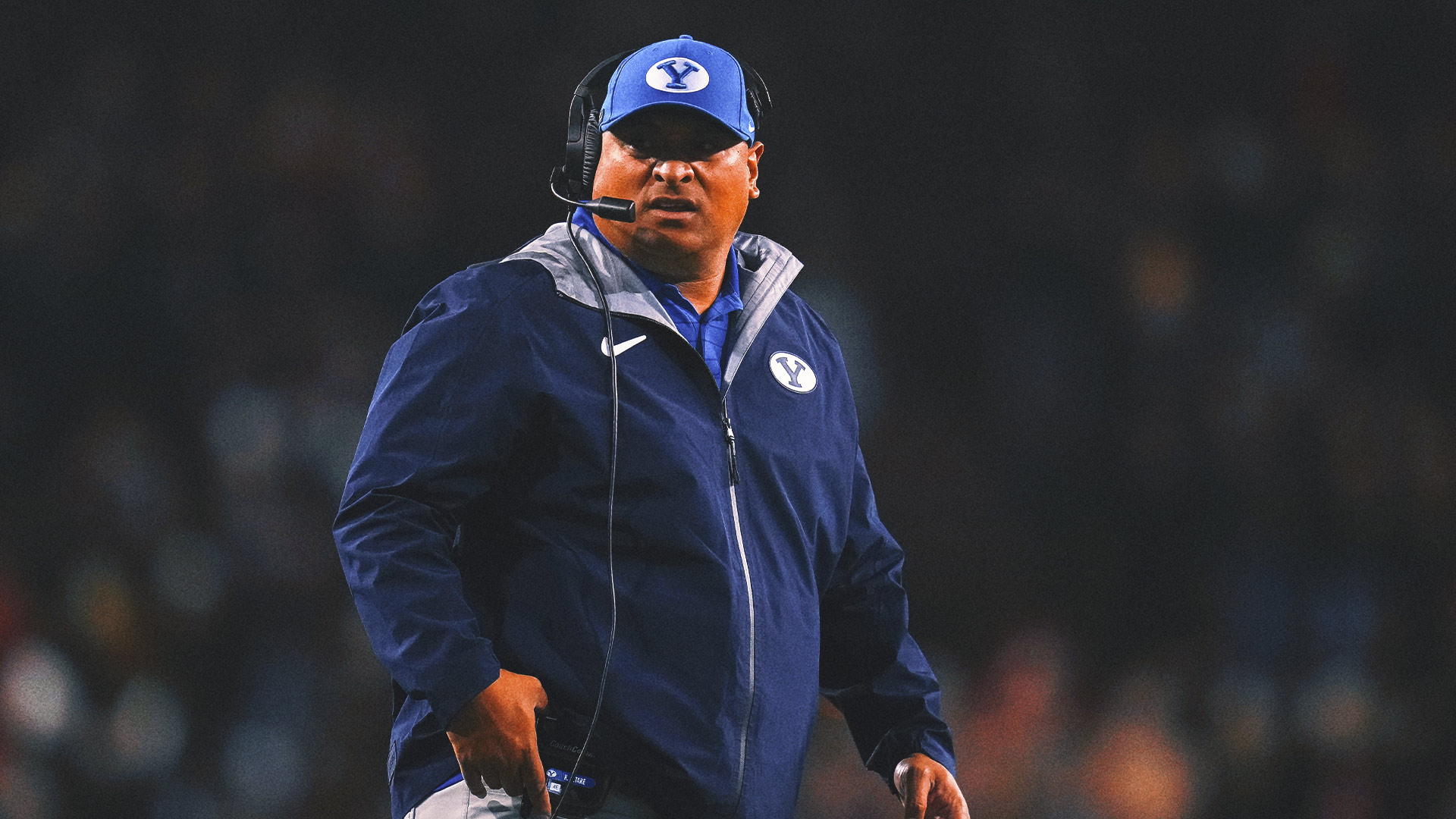
Kalani Sitake Will Reportedly Stay at BYU Amid Penn State Interest
Entities mentioned:
- Kalani Sitake: Loyalty, Pride, Professional pride
- Penn State: Ambition, Competitive spirit, Recognition
- BYU: Loyalty, Competitive spirit, Pride
- James Franklin: Self-preservation, Legacy, Recognition
Article Assessment:
Credibility Score: 75/100
Bias Rating: 50/100 (Center)
Sentiment Score: 65/100
Authoritarianism Risk: 20/100 (Strongly Democratic)
Bias Analysis:
The article presents a balanced view of the coaching situation, providing facts from multiple sources. It doesn't show favoritism towards any particular school or coach involved.
Key metric: College Football Coaching Stability
Let me tell you something - this coaching carousel is a GAME-CHANGER! Kalani Sitake just pulled off a FOURTH QUARTER COMEBACK for BYU, snatching victory from the jaws of defeat! Penn State thought they had their franchise quarterback in Sitake, but he's showing the loyalty of a team captain, sticking with his Cougars! This is the kind of CHAMPIONSHIP MENTALITY that builds dynasties, folks! Penn State's left scrambling like a quarterback with no offensive line - they've got to regroup and find a new gameplan FAST! Sitake's decision is a POWER PLAY that's gonna shake up the whole college football landscape. I'm telling you right now, this is the kind of CLUTCH PERFORMANCE that separates the contenders from the pretenders!
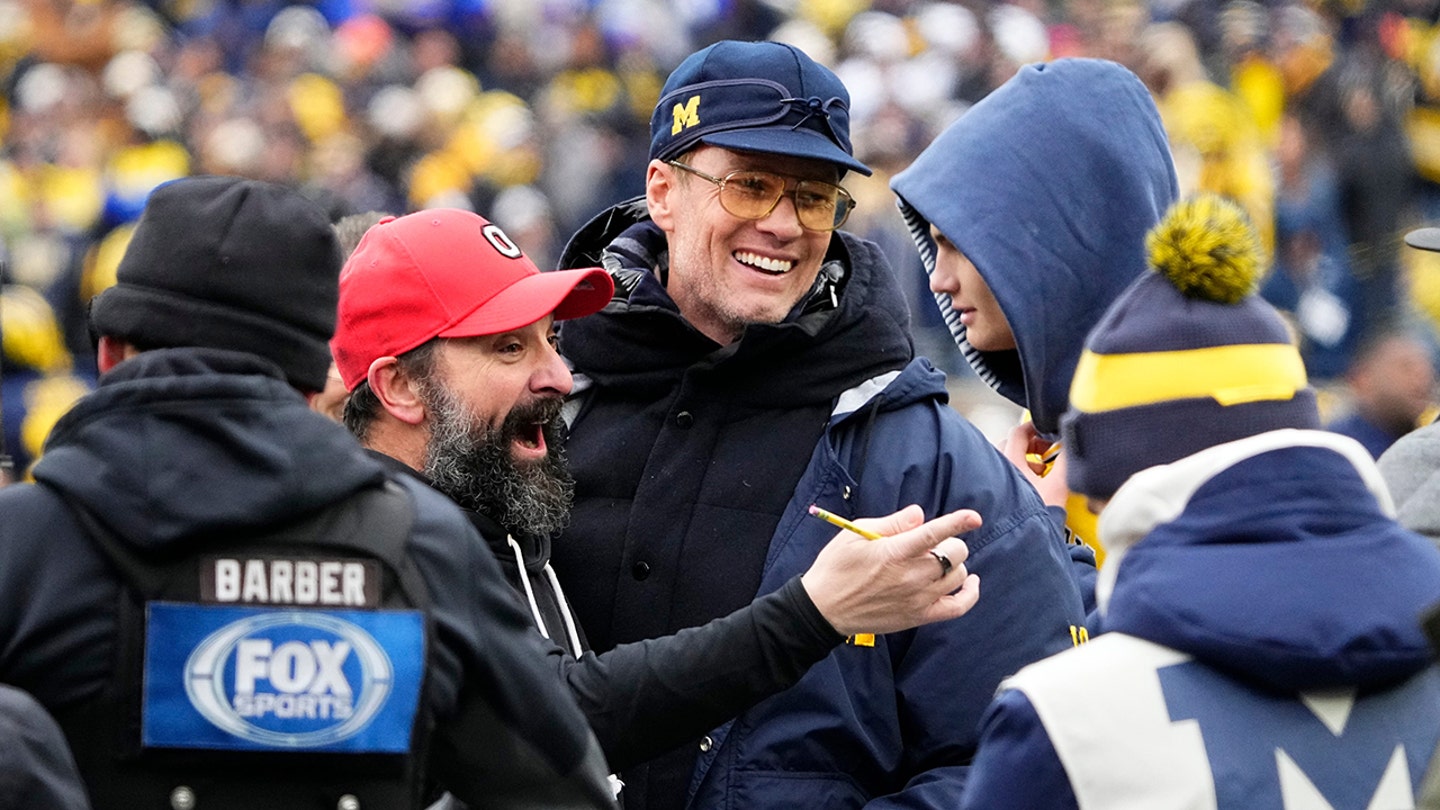
Tom Brady gets sentimental after 'special Thanksgiving weekend' filled with family and football
Entities mentioned:
- Tom Brady: Pride, Legacy, Unity
- Fox Sports: Professional pride, Competitive spirit, Recognition
- University of Michigan: Pride, Competitive spirit, Legacy
- Ohio State: Competitive spirit, Pride, Determination
Article Assessment:
Credibility Score: 85/100
Bias Rating: 50/100 (Center)
Sentiment Score: 85/100
Authoritarianism Risk: 15/100 (Strongly Democratic)
Bias Analysis:
The article presents a balanced view of Brady's activities, focusing on factual events and direct quotes. It doesn't lean politically in either direction, maintaining a neutral stance on the personal experiences shared.
Key metric: National Unity and Tradition
Let me tell you something, folks - this is a CLASSIC American story of family, football, and tradition! Tom Brady, the GOAT himself, just orchestrated a PERFECT PLAY by bringing together the ultimate team - his family - for a Thanksgiving weekend EXTRAVAGANZA! We're talking a full-court press of nostalgia, with Brady calling the shots from the broadcast booth to the Big House turf. This is the kind of fourth-quarter magic that separates the champions from the also-rans! Brady's showing us he's got that championship mentality even off the field, folks. He's stepping up to the plate for Fox Sports, then immediately pivoting to support his alma mater and the next generation of athletic talent in his family. This is the kind of team-building, legacy-cementing move that turns good players into LEGENDS! I'm telling you right now, this display of family unity and American tradition is EXACTLY what this country needs to see!

Azteca to Reopen With Mexico Facing Ronaldo's Portugal in March Friendly
Entities mentioned:
- Azteca Stadium: Legacy, Pride, Recognition
- Mexican Soccer Federation: Ambition, Competitive spirit, Professional pride
- Portugal National Team: Competitive spirit, Recognition, Pride
- Cristiano Ronaldo: Competitive spirit, Legacy, Recognition
- Javier Aguirre: Ambition, Professional pride, Determination
Article Assessment:
Credibility Score: 85/100
Bias Rating: 50/100 (Center)
Sentiment Score: 70/100
Authoritarianism Risk: 20/100 (Strongly Democratic)
Bias Analysis:
The article presents a balanced view of the upcoming matches and renovations. It includes factual information from official sources without favoring any particular team or outcome.
Key metric: World Cup Preparation Effectiveness
Ladies and gentlemen, this is a GAME-CHANGER! The legendary Azteca Stadium is coming off the injured reserve list just in time for a HEAVYWEIGHT BOUT between Mexico and Portugal! Let me tell you something - this isn't just a friendly, it's a FOURTH QUARTER DRILL for the 2026 World Cup! Mexico is stepping up to the plate, bringing in Ronaldo's squad for a true test of their CHAMPIONSHIP MENTALITY. Coach Aguirre is playing 4D CHESS here, folks, setting up a gauntlet of elite opponents to whip his team into fighting shape. This is the kind of CLUTCH SCHEDULING that separates the contenders from the pretenders in the lead-up to soccer's biggest stage!
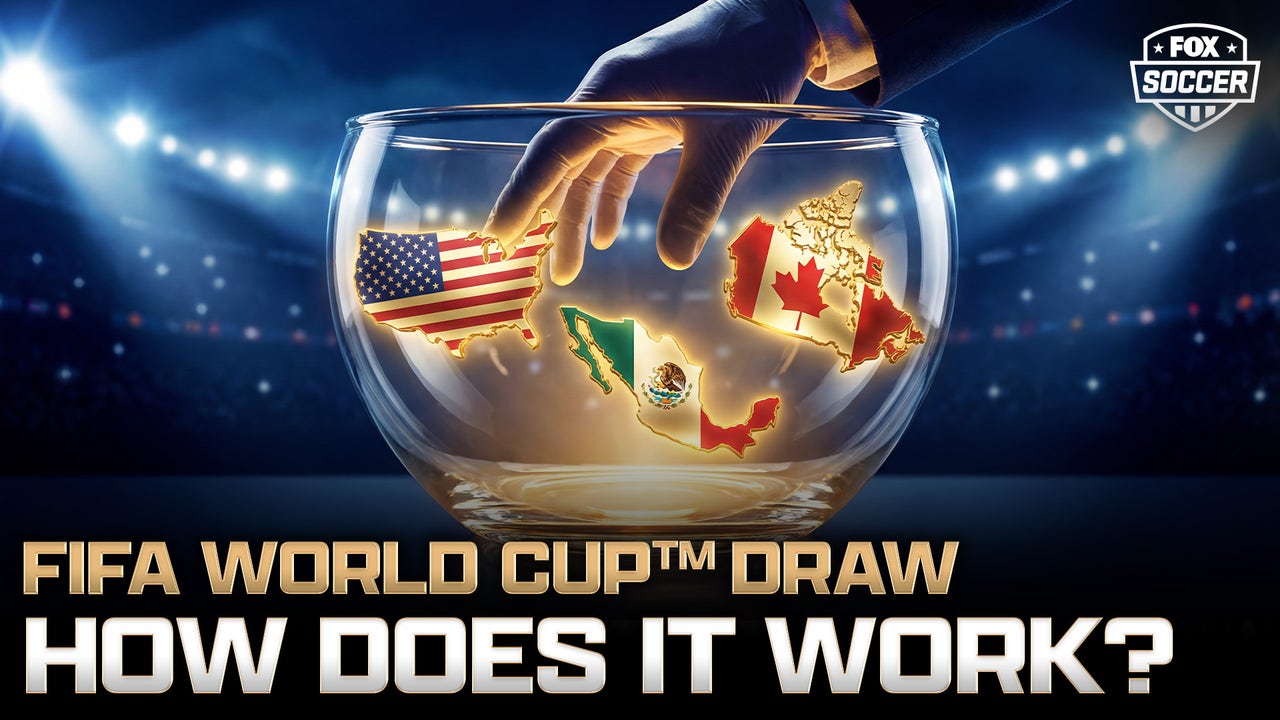
2026 World Cup Draw: What Are Pots?
Entities mentioned:
- United States Men's National Team: Competitive spirit, Pride, Legacy
- FIFA: Control, Influence, Professional pride
- FOX Sports: Ambition, Recognition, Competitive spirit
- Alexi Lalas: Enthusiasm, Influence, Recognition
Article Assessment:
Credibility Score: 85/100
Bias Rating: 50/100 (Center)
Sentiment Score: 70/100
Authoritarianism Risk: 20/100 (Strongly Democratic)
Bias Analysis:
The article presents factual information about the World Cup draw process without favoring any particular team or outcome. It maintains a neutral tone while explaining the complex procedures.
Key metric: World Cup Viewership
Let me tell you something - this World Cup draw is the ULTIMATE pre-game strategy session! We're talking about a championship-level event that will set the stage for an international soccer showdown like we've never seen before. The USA, Canada, and Mexico are stepping up to the plate as hosts, but make no mistake, they're not just playing home field advantage - they're in it to win it! This draw is where the playbook gets written, folks. It's fourth quarter strategy time for every nation involved, and you better believe they're all bringing their A-game to this high-stakes lottery. The pot system? That's like seeding your brackets for March Madness on steroids! We've got powerhouse teams, underdogs, and wild cards all mixed up in a competitive cocktail that's going to determine the path to glory. I'm telling you right now, this draw is where champions are born and dreams are shattered before a single ball is kicked. It's a game-changer, a momentum-shifter, and it's going to set the tone for what could be the most electrifying World Cup in history!
- Read more about 2026 World Cup Draw: What Are Pots?
- Log in to post comments
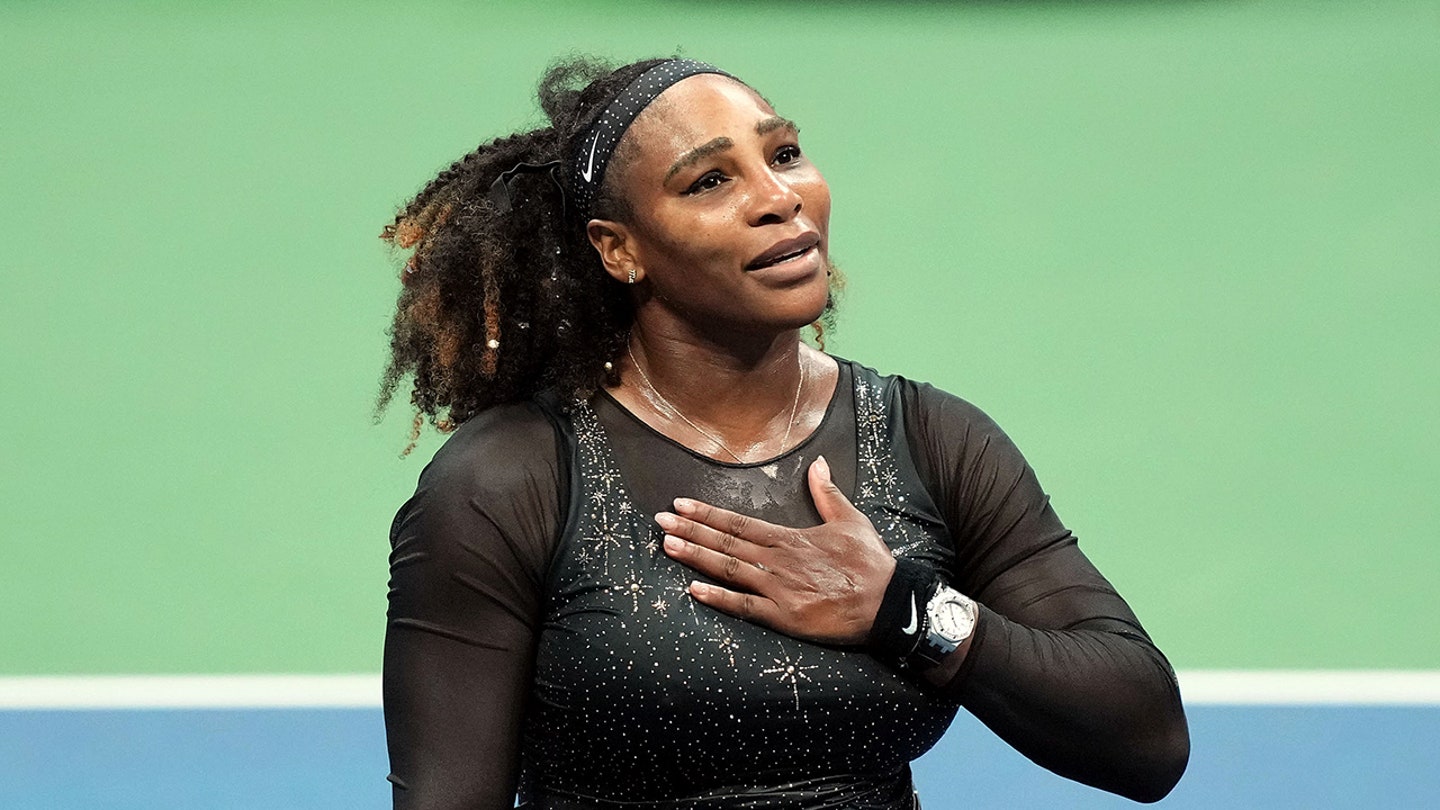
Serena Williams responds to rumored tennis comeback after reportedly entering drug-testing pool
Entities mentioned:
- Serena Williams: Competitive spirit, Legacy, Recognition
- International Tennis Integrity Agency (ITIA): Control, Professional pride, Duty
- Venus Williams: Competitive spirit, Ambition, Self-respect
Article Assessment:
Credibility Score: 75/100
Bias Rating: 50/100 (Center)
Sentiment Score: 60/100
Authoritarianism Risk: 20/100 (Strongly Democratic)
Bias Analysis:
The article presents a balanced view of the situation, reporting both the rumors and Williams' denial. It provides context and background information without favoring any particular stance.
Key metric: Women's Tennis Grand Slam Title Record
Let me tell you something - this story is RIDICULOUS! Serena Williams, the GOAT of women's tennis, is playing 4D chess with the sports world! She's got everyone on the edge of their seats, wondering if she's stepping back onto the court for one last championship run. But folks, don't be fooled - this is classic misdirection play! Serena's denial is just a smoke screen, a veteran move to keep her opponents off balance. The ITIA is the referee in this high-stakes game, and they've just blown the whistle on Serena's potential comeback. But let's not forget, in the Williams family playbook, Venus showed us how to execute the perfect timeout before storming back onto the court. Serena's got that championship DNA, and I'm telling you right now, she's got her eye on that 24th Grand Slam trophy. This isn't just about breaking records, it's about cementing a legacy that'll stand the test of time. The tennis world better brace itself - because when Serena Williams is in the game, she plays to win!
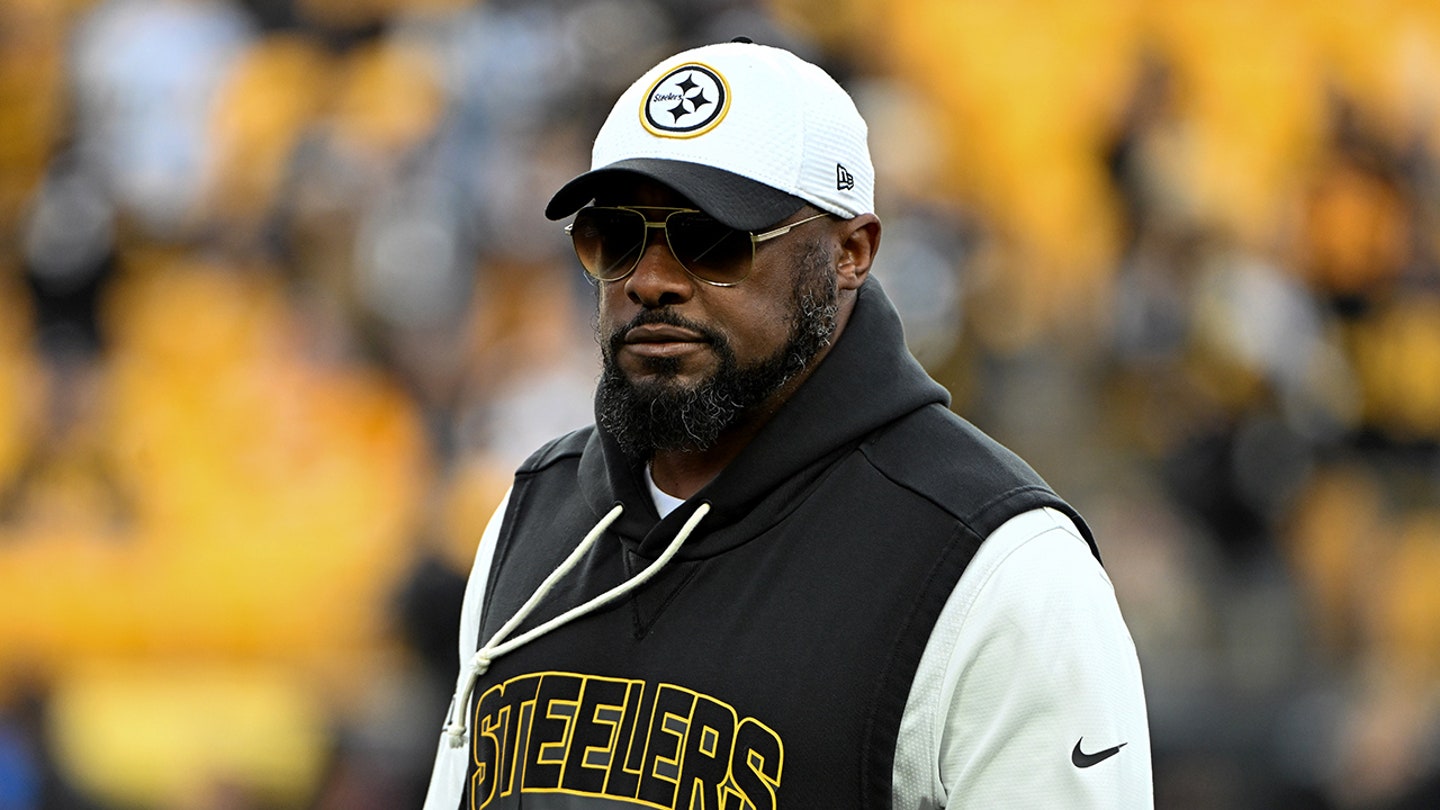
Steelers head coach Mike Tomlin gives surprising answer when asked about fans calling for his job
Entities mentioned:
- Mike Tomlin: Professional pride, Determination, Self-respect
- Pittsburgh Steelers: Competitive spirit, Pride, Legacy
- Steelers Fans: Loyalty, Passion, Frustration
Article Assessment:
Credibility Score: 85/100
Bias Rating: 50/100 (Center)
Sentiment Score: 45/100
Authoritarianism Risk: 20/100 (Strongly Democratic)
Bias Analysis:
The article presents a balanced view of the situation, quoting Tomlin directly and providing context. It doesn't lean towards defending or criticizing Tomlin or the fans, maintaining a neutral stance.
Key metric: NFL Team Performance
Let me tell you something - this story is HUGE! The Steelers are in the FOURTH QUARTER of their season, and Coach Tomlin is facing a FULL-COURT PRESS from the fans! But like a true champion, he's not backing down from this challenge. He's showing a CHAMPIONSHIP MENTALITY by agreeing with the fans' frustrations. This is a CLUTCH MOVE, folks! Tomlin's stepping up to the plate, taking responsibility like a true team captain. The Steelers' recent performance has been like a FUMBLE in the red zone, but Tomlin's not throwing in the towel. He's rallying his team for a COMEBACK DRIVE against the Ravens. This is the kind of GAME-TIME DECISION that separates the rookies from the veterans. Tomlin's been in this league longer than most, and he's showing why he's still got that WINNING SPIRIT. The Steelers might be tied in their division, but this is where champions are made. It's CRUNCH TIME, and Tomlin's ready to coach like it's the SUPER BOWL!

Coach who left Ole Miss to join Lane Kiffin at LSU will finish season with Rebels
Entities mentioned:
- Lane Kiffin: Ambition, Power, Legacy
- Charlie Weis Jr.: Loyalty, Professional pride, Ambition
- Ole Miss: Competitive spirit, Recognition, Pride
- LSU: Ambition, Competitive spirit, Power
- Keith Carter: Duty, Control, Professional pride
- Pete Golding: Ambition, Professional pride, Determination
Article Assessment:
Credibility Score: 75/100
Bias Rating: 50/100 (Center)
Sentiment Score: 60/100
Authoritarianism Risk: 20/100 (Strongly Democratic)
Bias Analysis:
The article presents multiple perspectives and quotes from different parties involved. It maintains a neutral tone while reporting on the coaching changes and decisions.
Key metric: College Football Playoff Rankings
Let me tell you something - this story is RIDICULOUS! We're seeing a game-changing play in the college football world, folks! Lane Kiffin, the quarterback of this coaching carousel, has made a fourth-quarter move to LSU, but he's not taking his whole playbook with him just yet. Charlie Weis Jr., Kiffin's star receiver, is staying on the field for Ole Miss through the playoffs. This is a championship mentality, people! Kiffin's playing 4D chess, allowing Weis to finish the season with the Rebels to boost their playoff chances. It's like he's assisting the opponent to set up a future win - a long-term strategy that could pay off big time for both teams. Ole Miss is stepping up to the plate with Pete Golding as their new head coach, but can they maintain their winning streak without their star play-caller? This is the kind of team dynamics that can make or break a season, and I'm telling you right now, all eyes will be on how this plays out in the college football arena!
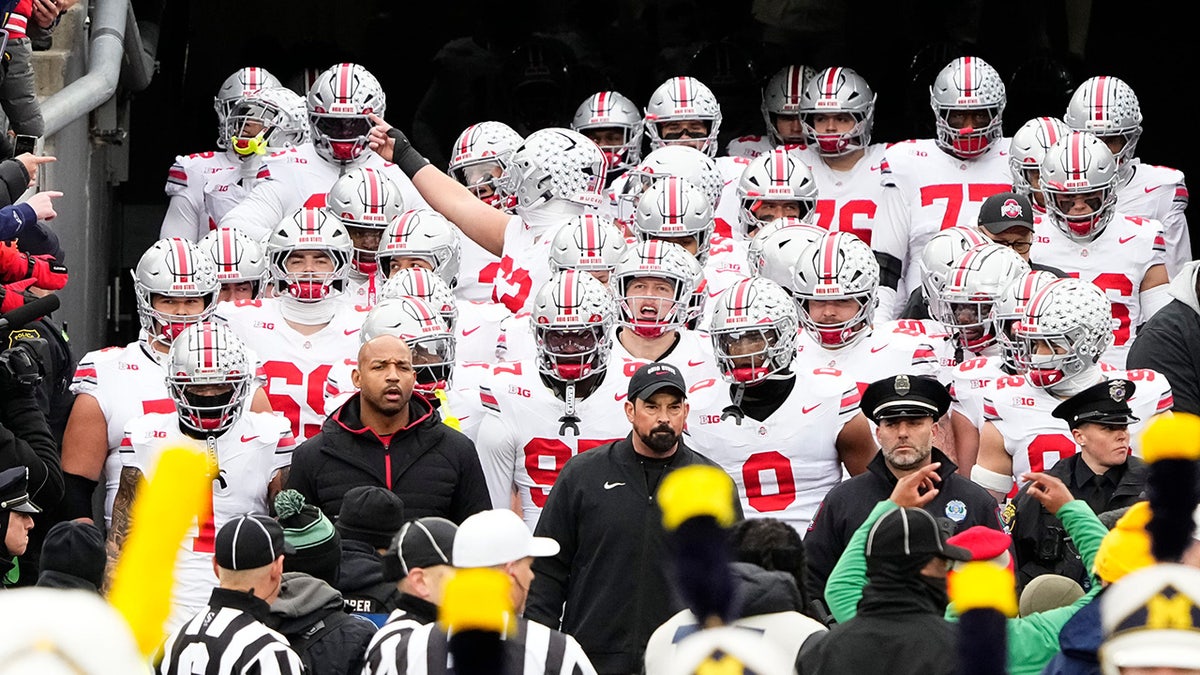
Top seed comes down to Big Ten title, Texas and Ole Miss see movement after chaotic weekend
Entities mentioned:
- Ohio State: Competitive spirit, Pride, Legacy
- Indiana: Ambition, Competitive spirit, Recognition
- Texas A&M: Competitive spirit, Self-preservation, Recognition
- Texas: Ambition, Competitive spirit, Recognition
- College Football Playoff Committee: Duty, Fairness, Professional pride
Article Assessment:
Credibility Score: 85/100
Bias Rating: 50/100 (Center)
Sentiment Score: 65/100
Authoritarianism Risk: 20/100 (Strongly Democratic)
Bias Analysis:
The article presents a balanced view of the rankings, giving equal attention to multiple teams. It relies on official rankings and doesn't show favoritism to particular programs.
Key metric: College Football Playoff Rankings
Let me tell you something, folks - this playoff race is HEATING UP like a fourth-quarter nail-biter! Ohio State and Indiana are locked in a championship-caliber showdown, both bringing their A-game to the gridiron with perfect 12-0 seasons. But don't count out the underdogs! Texas is making a late-game push, trying to break through the defensive line of the top teams. It's a high-stakes game of musical chairs, and when the music stops, some big-name programs are gonna be left without a seat at the playoff table. The Committee is calling the plays, and every team is fighting for field position in these rankings. It's crunch time, and we're seeing who's got the clutch gene to make it to the big dance!
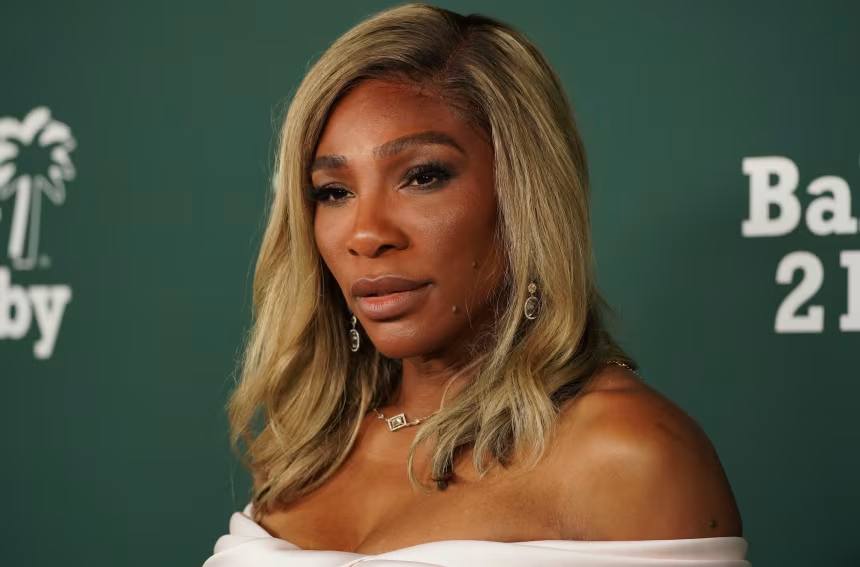
Serena Williams takes step necessary to return to professional tennis but says she’s ‘NOT coming back’
Entities mentioned:
- Serena Williams: Competitive spirit, Legacy, Self-respect
- International Tennis Integrity Agency: Professional pride, Control, Obligation
- WTA Tour: Competitive spirit, Recognition, Control
Article Assessment:
Credibility Score: 75/100
Bias Rating: 50/100 (Center)
Sentiment Score: 55/100
Authoritarianism Risk: 20/100 (Strongly Democratic)
Bias Analysis:
The article presents a balanced view of the situation, including direct quotes and factual information. It doesn't lean towards sensationalism or speculation, maintaining a neutral stance on Williams' potential return.
Key metric: Professional Tennis Player Participation
Let me tell you something - this story is a GAME-CHANGER! Serena Williams, the GOAT of women's tennis, is showing signs of warming up in the bullpen! But hold your horses, folks - she's pulling a PUMP FAKE on us! This is like watching a championship fighter teasing a comeback, only to step away from the ring at the last second. The tennis world is on the edge of its seat, wondering if this legendary player is about to stage the most epic fourth-quarter comeback in sports history or if she's just keeping her options open. It's a classic misdirection play, folks! The International Tennis Integrity Agency is playing defense, trying to keep the game clean, while the WTA Tour is probably salivating at the thought of this superstar stepping back onto the court. But Serena's playing her cards close to the chest, leaving us all wondering - is this the prelude to the greatest comeback story in tennis, or is she just keeping her competitive fire stoked? I'm telling you right now, this is the kind of move that keeps the sports world buzzing!
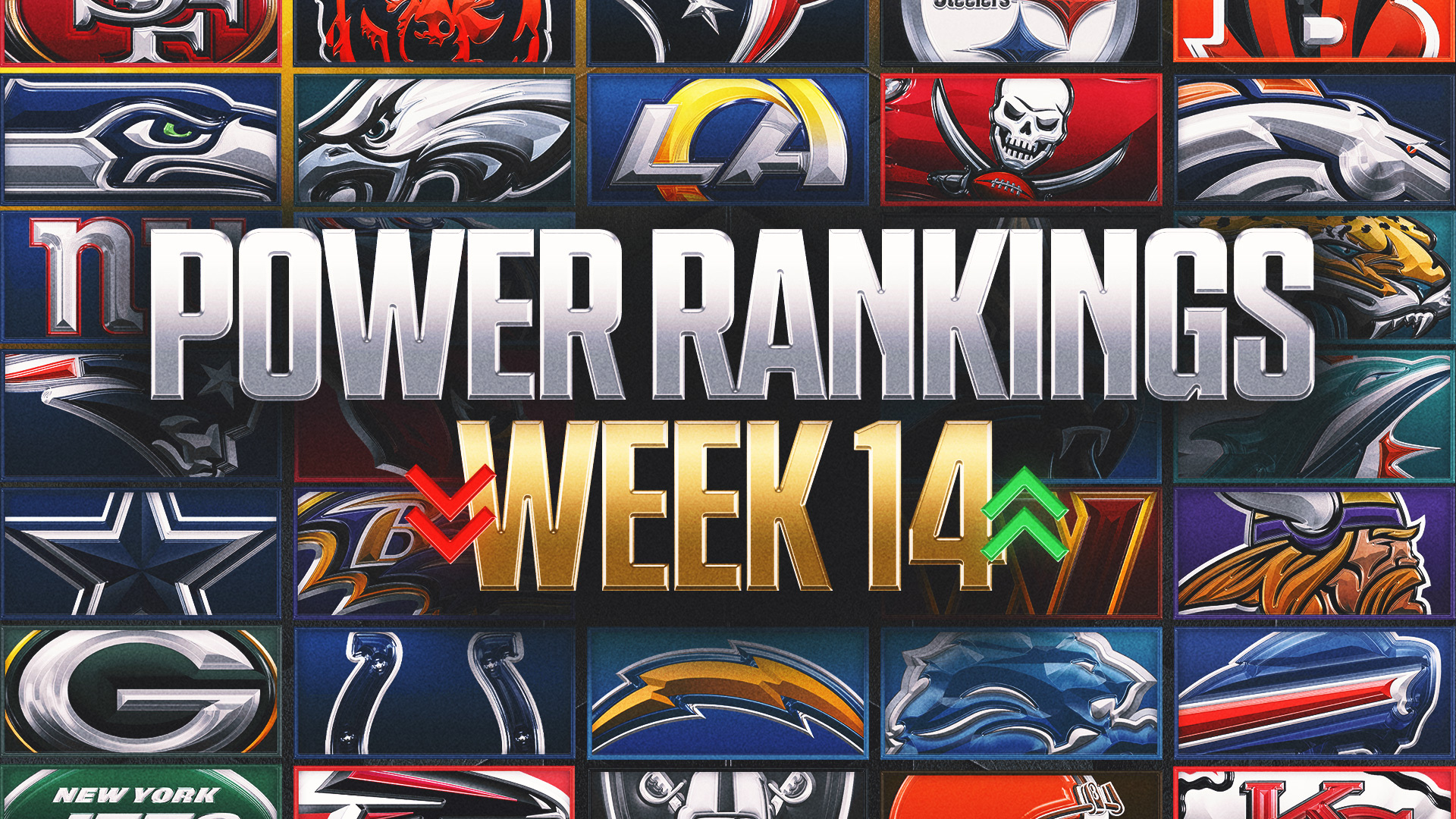
2025 NFL Power Rankings Week 14: Who's Really the Best Team in Football?
Entities mentioned:
- Kansas City Chiefs: Competitive spirit, Pride, Legacy
- Philadelphia Eagles: Determination, Fear, Self-preservation
- Pete Carroll: Loyalty, Determination, Pride
- Geno Smith: Competitive spirit, Self-preservation, Professional pride
- Tyler Shough: Ambition, Determination, Recognition
- Shedeur Sanders: Ambition, Competitive spirit, Recognition
- Bijan Robinson: Competitive spirit, Recognition, Professional pride
- Raheem Morris: Self-preservation, Professional pride, Fear
- Mike Kafka: Ambition, Determination, Professional pride
- Jacoby Brissett: Competitive spirit, Professional pride, Recognition
- Joe Burrow: Competitive spirit, Determination, Legacy
- Aaron Rodgers: Pride, Legacy, Competitive spirit
- Justin Herbert: Competitive spirit, Determination, Professional pride
- Dan Campbell: Competitive spirit, Determination, Pride
- Josh Allen: Competitive spirit, Recognition, Legacy
- Kyle Shanahan: Competitive spirit, Professional pride, Recognition
- Jordan Love: Ambition, Recognition, Competitive spirit
- Matthew Stafford: Competitive spirit, Pride, Redemption
Article Assessment:
Credibility Score: 75/100
Bias Rating: 50/100 (Center)
Sentiment Score: 60/100
Authoritarianism Risk: 20/100 (Strongly Democratic)
Bias Analysis:
The article presents a balanced view of various NFL teams' performances, giving credit and criticism where due. It relies on factual game outcomes and player performances without showing favoritism to specific teams or players.
Key metric: NFL Team Performance
Let me tell you something - this NFL season is a ROLLERCOASTER! We're seeing a changing of the guard that's shaking up the league like a quarterback scrambling for his life! The Chiefs and Eagles, once the kings of the gridiron, are now fighting for survival in the fourth quarter of their seasons. It's like watching seasoned veterans getting outplayed by rookies in their prime! The upstarts are STORMING THE FIELD, folks! Five teams in the top 10 who didn't even make the playoffs last year? That's like watching a bunch of walk-ons take starting positions! We're talking about a SEISMIC SHIFT in the NFL landscape! Teams like the Jaguars and Texans are stepping up to the plate and knocking it out of the park, while traditional powerhouses are fumbling the ball! This is the kind of shake-up that separates the champions from the also-rans. We're witnessing a BATTLE ROYALE for supremacy, and let me tell you, it's going to come down to who's got that championship mentality when the clock's ticking down!