
USA Gymnastics and Olympic sports watchdog failed to stop coach’s sexual abuse, lawsuits allege
Entities mentioned:
- USA Gymnastics: Self-preservation, Control, Professional pride
- US Center for SafeSport: Duty, Control, Professional pride
- Sean Gardner: Power, Control, Self-preservation
- Chow's Gymnastics and Dance Institute: Self-preservation, Professional pride, Recognition
- Liang 'Chow' Qiao: Legacy, Professional pride, Self-preservation
Article Assessment:
Credibility Score: 75/100
Bias Rating: 45/100 (Center)
Sentiment Score: 25/100
Authoritarianism Risk: 20/100 (Strongly Democratic)
Bias Analysis:
The article presents multiple perspectives, including statements from involved parties. It relies on court documents and official statements, maintaining a relatively neutral stance while reporting serious allegations.
Key metric: Athlete Safety and Protection
Let me tell you something - this story is a GAME-CHANGER in the world of gymnastics! We're seeing a major fumble by USA Gymnastics and SafeSport, folks. They dropped the ball BIG TIME on protecting these young athletes. It's like they were asleep at the wheel while a predator was running loose on the field! This is a classic case of the defense completely breaking down, leaving the most vulnerable players wide open to attack. The lawsuits are coming in hot, like a full-court press, putting immense pressure on these organizations to step up their game. It's fourth quarter, the clock is ticking, and USA Gymnastics needs to make some serious adjustments to their playbook if they want to regain any trust. This is a pivotal moment that could reshape the entire landscape of athlete protection in gymnastics. It's do or die time for these governing bodies - they need to show they've got what it takes to be true champions for these athletes, or they might find themselves benched indefinitely!
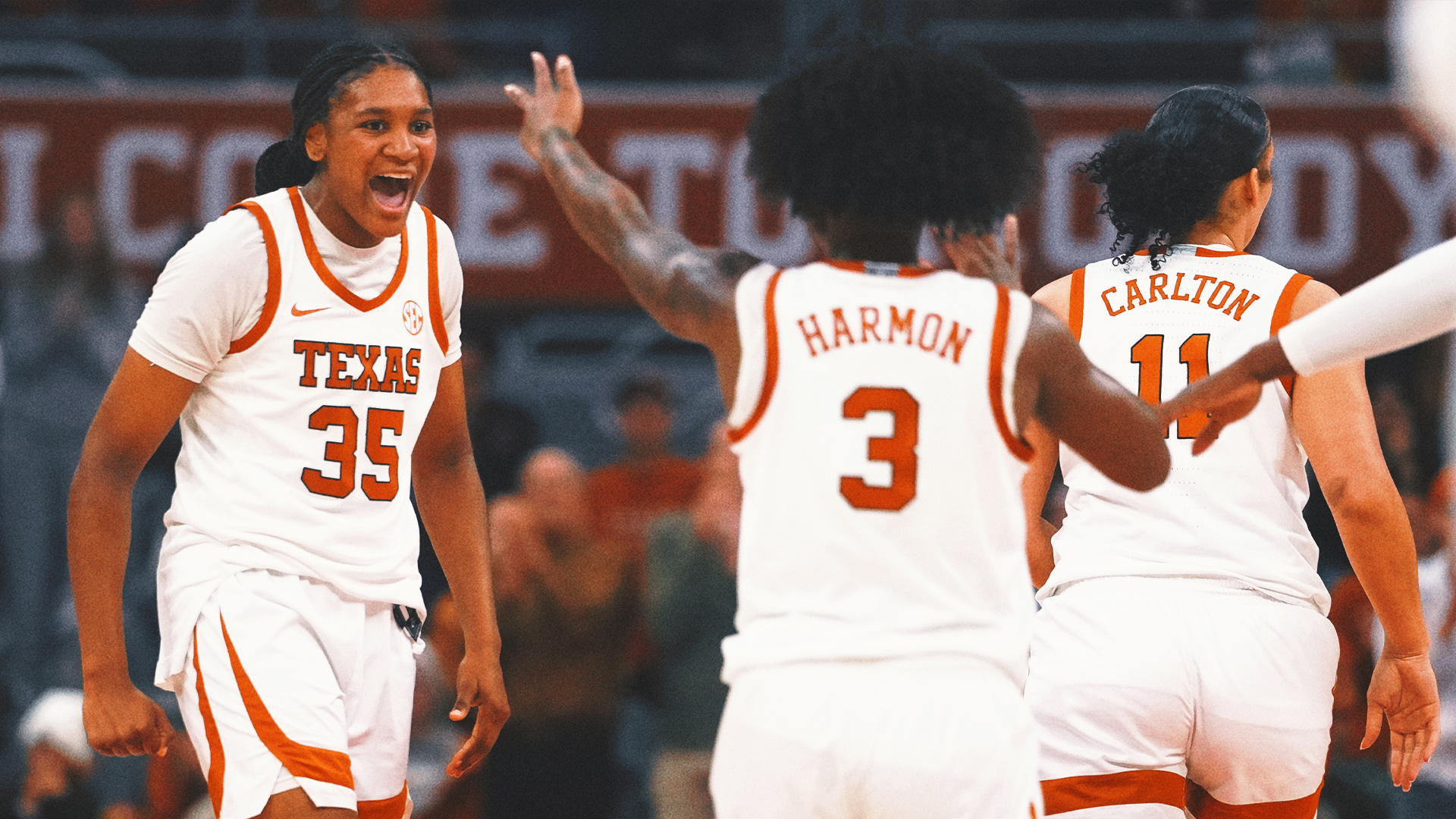
Women's CBK Top 25: Texas Jumps to No. 2 After Defeating UCLA and South Carolina
Entities mentioned:
- Texas Longhorns: Ambition, Competitive spirit, Recognition
- UConn Huskies: Competitive spirit, Legacy, Pride
- South Carolina Gamecocks: Determination, Competitive spirit, Ambition
- UCLA Bruins: Competitive spirit, Pride, Ambition
- LSU Tigers: Competitive spirit, Recognition, Pride
Article Assessment:
Credibility Score: 85/100
Bias Rating: 50/100 (Center)
Sentiment Score: 75/100
Authoritarianism Risk: 15/100 (Strongly Democratic)
Bias Analysis:
The article presents factual information from reputable sources like AP polls and game results. It gives balanced coverage to multiple teams and conferences without favoring any particular program.
Key metric: NCAA Women's Basketball Rankings
Let me tell you something, folks - this is CHAMPIONSHIP CALIBER action we're seeing! The Texas Longhorns are coming in HOT, stepping up to the plate and knocking it out of the park against not one, but TWO top-three teams! That's the kind of CLUTCH PERFORMANCE that separates the contenders from the pretenders. UConn's still holding onto that top spot like a championship belt, but Texas is showing they've got the grit and determination of a true title contender. South Carolina and UCLA? They're licking their wounds, but don't count them out - these powerhouses know how to bounce back from a tough loss. And let's not forget LSU - they're putting up video game numbers, folks! Over 100 points in eight straight games? That's not just breaking records, that's SHATTERING them! The NCAA women's basketball landscape is a BATTLEFIELD right now, and I'm telling you, it's anybody's game as we head into the heart of the season!
CBK Top 25: Michigan No. 3, Michigan State, Iowa State Move Into Top 10
Entities mentioned:
- Michigan: Competitive spirit, Ambition, Recognition
- Michigan State: Competitive spirit, Determination, Pride
- Iowa State: Competitive spirit, Ambition, Recognition
- Purdue: Competitive spirit, Pride, Legacy
- Arizona: Competitive spirit, Ambition, Recognition
- Dusty May: Ambition, Professional pride, Legacy
Article Assessment:
Credibility Score: 85/100
Bias Rating: 50/100 (Center)
Sentiment Score: 75/100
Authoritarianism Risk: 15/100 (Strongly Democratic)
Bias Analysis:
The article presents a balanced view of multiple teams' performances and rankings. It relies on official AP poll data and quotes from players, maintaining a neutral stance.
Key metric: NCAA Men's Basketball Rankings
Let me tell you something, folks - this week's rankings are a GAME-CHANGER! The Michigan Wolverines are charging up the court like a team possessed, leaping to No. 3 with the agility of a point guard on a fast break. They're not just winning, they're DOMINATING - we're talking a 110-point margin of victory in three games! That's like dropping a triple-double every night! Meanwhile, Michigan State and Iowa State are making power moves, muscling their way into the top 10 like they're boxing out for a rebound. Purdue and Arizona are holding onto their top spots with an iron grip, but make no mistake - this is turning into a full-court press of a season. Every team is fighting for position, and it's only the first quarter! I'm telling you right now, if Michigan keeps playing with this championship mentality, they might just cut down the nets come March!
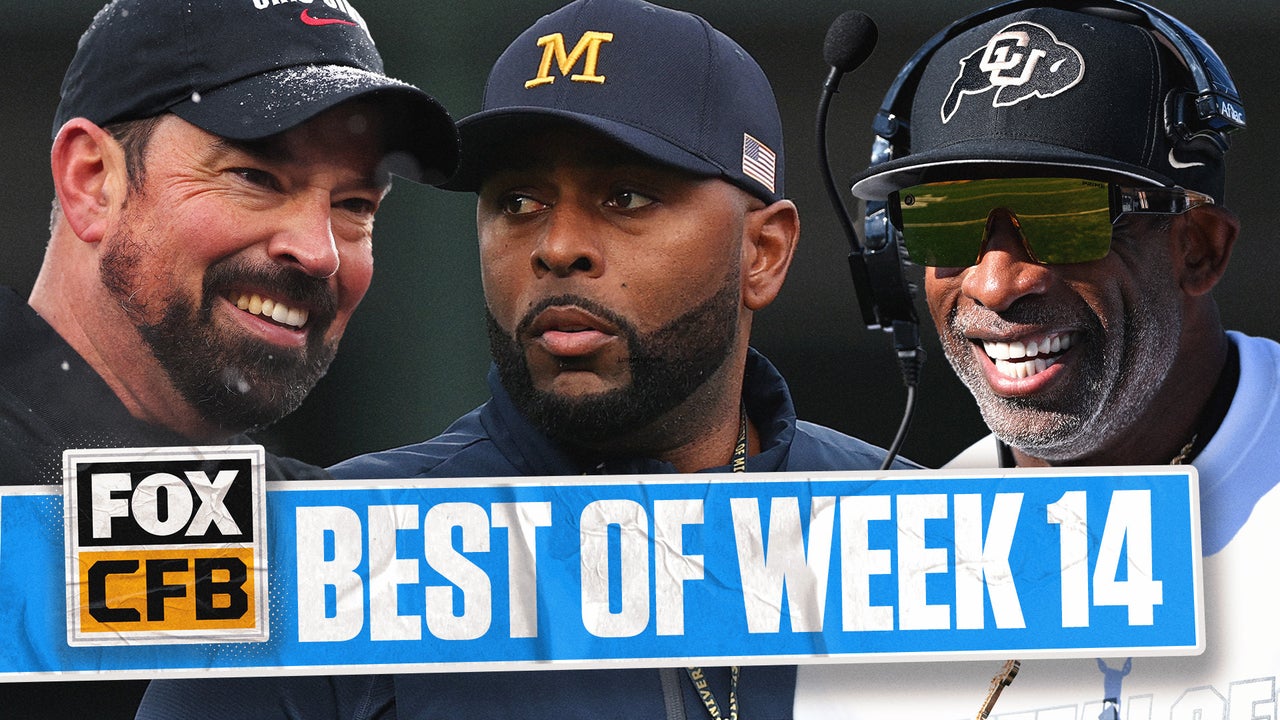
Indiana vs Ohio State: How to Watch 2025 Big Ten Championship, Prediction, Streaming, TV Channel
Entities mentioned:
- Indiana Hoosiers: Competitive spirit, Determination, Recognition
- Ohio State Buckeyes: Competitive spirit, Pride, Legacy
- Fernando Mendoza: Ambition, Recognition, Professional pride
- Julian Sayin: Competitive spirit, Professional pride, Recognition
- Curt Cignetti: Determination, Competitive spirit, Professional pride
Article Assessment:
Credibility Score: 75/100
Bias Rating: 50/100 (Center)
Sentiment Score: 70/100
Authoritarianism Risk: 20/100 (Strongly Democratic)
Bias Analysis:
The article presents a balanced view of both teams, giving equal attention to their strengths. It includes factual information and historical context without favoring either side.
Key metric: NCAA Football Championship Odds
Let me tell you something, folks - this Big Ten Championship matchup is shaping up to be an ABSOLUTE BARNBURNER! We've got two undefeated heavyweights stepping into the ring, and I'm telling you right now, this is going to be a fourth-quarter slugfest for the ages! The Hoosiers are bringing their high-octane offense to the table, averaging a whopping 44.3 points per game - that's like having a team full of Hail Mary specialists! But don't count out the Buckeyes' defense - they're only allowing 7.8 points per game, which is like having a defensive line made of brick walls! This is a true clash of titans, with Indiana's unstoppable force meeting Ohio State's immovable object. We've got Heisman contenders facing off in a battle of the quarterbacks - Mendoza vs. Sayin - two gunslingers ready to air it out in what could be a career-defining showdown. Coach Cignetti is bringing that championship mentality, looking to upset the favored Buckeyes and prove that his team belongs in the big leagues. This is the kind of game that separates the contenders from the pretenders, folks, and I guarantee you'll be on the edge of your seat until the final whistle blows!

Eagles fans vandalize coordinator's home with eggs after team gets booed off field at home, police say
Entities mentioned:
- Kevin Patullo: Professional pride, Self-preservation, Determination
- Philadelphia Eagles: Competitive spirit, Pride, Ambition
- Nick Sirianni: Loyalty, Control, Professional pride
- Jalen Hurts: Competitive spirit, Legacy, Ambition
- Saquon Barkley: Competitive spirit, Recognition, Ambition
- A.J. Brown: Recognition, Competitive spirit, Self-respect
Article Assessment:
Credibility Score: 75/100
Bias Rating: 50/100 (Center)
Sentiment Score: 30/100
Authoritarianism Risk: 20/100 (Strongly Democratic)
Bias Analysis:
The article presents a balanced view of the Eagles' struggles, including multiple perspectives and statistical data. It doesn't lean towards blaming any single individual or factor for the team's performance issues.
Key metric: NFL Team Offensive Performance
Let me tell you something, folks - this is RIDICULOUS! The Philadelphia Eagles are in a fourth-quarter slump, and their offense is fumbling the ball big time! Kevin Patullo, their offensive coordinator, is getting egged on - literally - as fans take their frustrations to his home turf. This team that once soared like champions is now struggling to even get off the ground. Jalen Hurts, last year's MVP, is playing like he's stuck in quicksand, while Saquon Barkley, once a rushing tornado, is now barely a breeze. And don't get me started on A.J. Brown - this star receiver is creating more drama in the locker room than yards on the field! Coach Sirianni needs to huddle up and create a new game plan FAST, or this Eagles team might just find themselves watching the playoffs from the sidelines. I'm telling you right now, if they don't turn this ship around, they'll be facing a long, cold offseason of discontent!
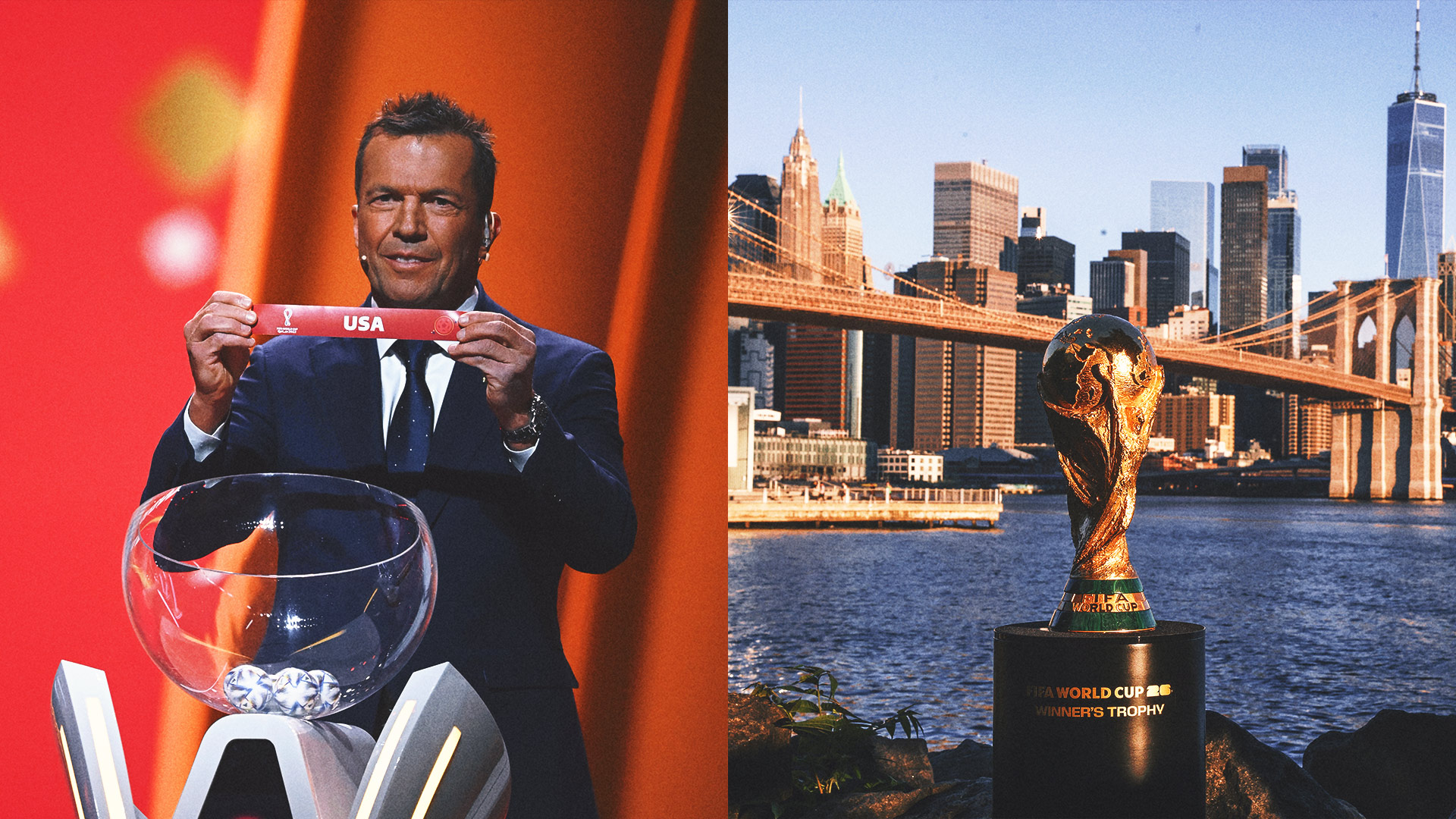
2026 World Cup Draw: How to Watch? How Does It Work? What Are Pots?
Entities mentioned:
- FIFA: Control, Influence, Legacy
- United States: Pride, Competitive spirit, Recognition
- Canada: Pride, Competitive spirit, Recognition
- Mexico: Pride, Competitive spirit, Recognition
Article Assessment:
Credibility Score: 85/100
Bias Rating: 50/100 (Center)
Sentiment Score: 70/100
Authoritarianism Risk: 30/100 (Generally Democratic)
Bias Analysis:
The article presents a factual overview of the World Cup draw process without favoring any particular team or region. It maintains a neutral tone while explaining the procedures and logistics.
Key metric: World Cup Participation
Ladies and gentlemen, we're in for a BLOCKBUSTER event! The 2026 World Cup draw is shaping up to be a game-changer, with FIFA calling the shots like a seasoned coach. Let me tell you something - this isn't just any old tournament, it's the BIGGEST World Cup in history! We've got 48 teams stepping up to the plate, ready to leave it all on the field. The hosts - USA, Canada, and Mexico - are already in prime position, but the rest of the field is still wide open. This draw is like the draft day of all draft days, determining who faces off in the group stages. It's a high-stakes game of chance that could make or break a team's championship dreams. The pots are like divisions in a league, and FIFA's using their rankings to seed these teams like a master strategist. This is where the rubber meets the road, folks - every ball drawn is a potential game-changer. We're talking about a tournament that will separate the contenders from the pretenders, and it all starts with this crucial draw. Get ready for some edge-of-your-seat action as we see which powerhouses might clash early and which underdogs might have a cinderella run to the knockout stages!
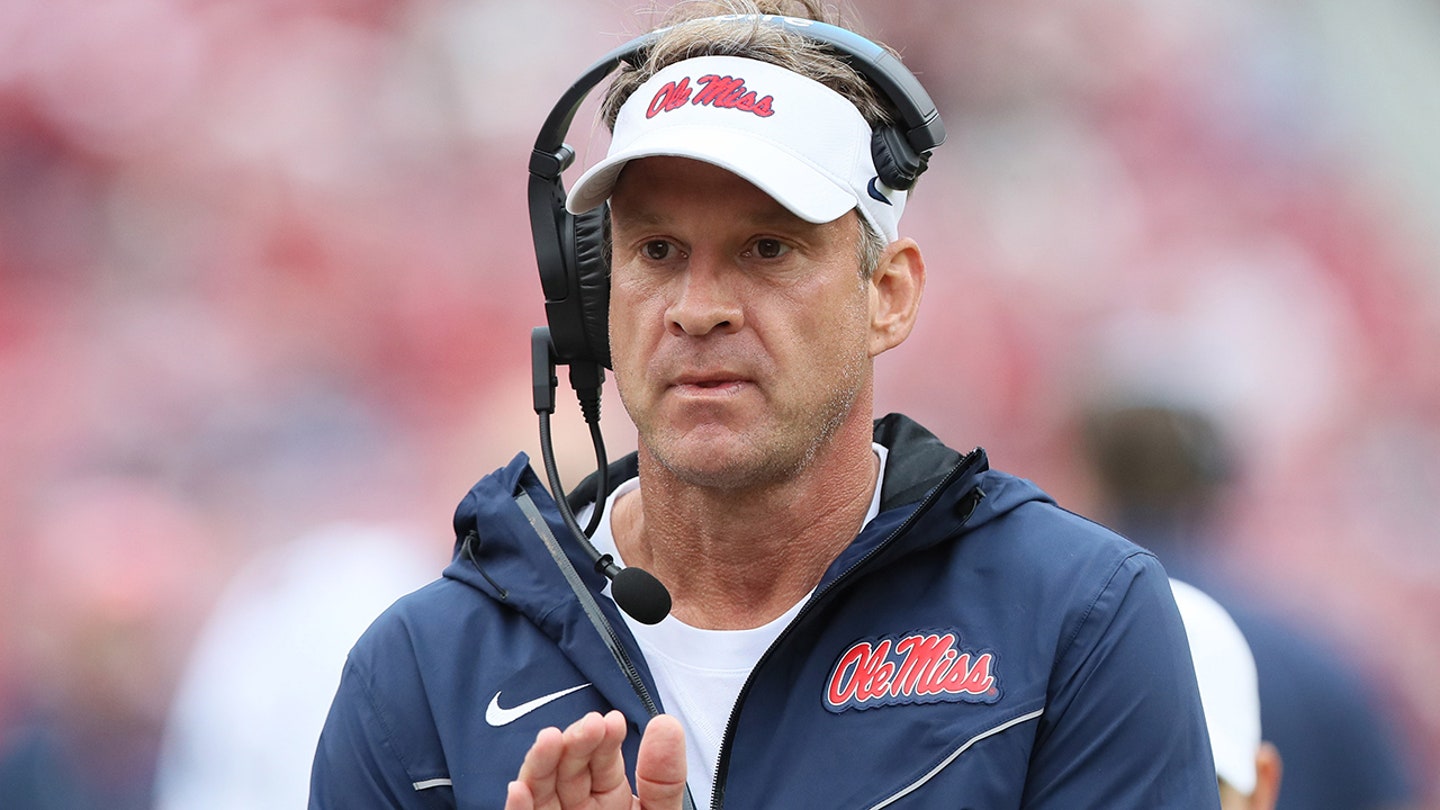
Lane Kiffin posts cryptic message day after taking LSU head-coaching job
Entities mentioned:
- Lane Kiffin: Ambition, Competitive spirit, Legacy
- Ole Miss: Pride, Competitive spirit, Recognition
- LSU Tigers: Ambition, Competitive spirit, Legacy
- Keith Carter: Professional pride, Duty, Competitive spirit
- Pete Carroll: Influence, Legacy, Professional pride
- Nick Saban: Legacy, Influence, Professional pride
- Pete Golding: Ambition, Competitive spirit, Professional pride
Article Assessment:
Credibility Score: 75/100
Bias Rating: 50/100 (Center)
Sentiment Score: 55/100
Authoritarianism Risk: 20/100 (Strongly Democratic)
Bias Analysis:
The article presents a balanced view of Kiffin's decision, including quotes from multiple perspectives. It doesn't lean towards praising or criticizing the move, maintaining a neutral stance.
Key metric: NCAA Football Coaching Changes
Let me tell you something - this coaching change is a GAME-CHANGER! Lane Kiffin has just executed the coaching equivalent of a Hail Mary pass, folks! He's leaving Ole Miss in the fourth quarter of their most promising season to suit up for LSU. This is the kind of high-stakes play that can rewrite the entire landscape of college football. Kiffin's move is like a star quarterback demanding a trade right before the Super Bowl - it's RIDICULOUS! But in this competitive arena, you've got to strike while the iron is hot. LSU is betting big that Kiffin can coach them back to championship form, while Ole Miss is now scrambling like a team that just lost its MVP. This is the kind of fourth-quarter drama that separates the champions from the also-rans, and I'm telling you right now, we're going to be talking about this play for years to come!

Lane Kiffin has had the college football world on the edge of its seat for years. The latest drama unfolded last weekend
Entities mentioned:
- Lane Kiffin: Ambition, Competitive spirit, Recognition
- LSU: Competitive spirit, Pride, Ambition
- Florida: Competitive spirit, Pride, Legacy
- Ole Miss: Competitive spirit, Pride, Self-preservation
Article Assessment:
Credibility Score: 75/100
Bias Rating: 50/100 (Center)
Sentiment Score: 65/100
Authoritarianism Risk: 20/100 (Strongly Democratic)
Bias Analysis:
The article presents a balanced view of Kiffin's career, including both successes and controversies. It doesn't appear to favor any particular school or outcome in the coaching decision.
Key metric: College Football Playoff Rankings
Let me tell you something - this story is RIDICULOUS! Lane Kiffin is the MVP of the coaching carousel, and he's got the whole college football world playing his game! We're talking fourth quarter, two-minute drill stuff here, folks. Kiffin's been running a no-huddle offense on these schools, keeping them guessing like a masterful quarterback reading the defense. LSU, Florida, and Ole Miss are all in a full-court press trying to land this coaching free agent. It's a high-stakes recruiting battle, and Kiffin's calling all the audibles. He's got a championship mentality and these programs are desperate to have him lead their teams to the promised land. I'm telling you right now, whoever lands Kiffin is going to feel like they just won the national title!
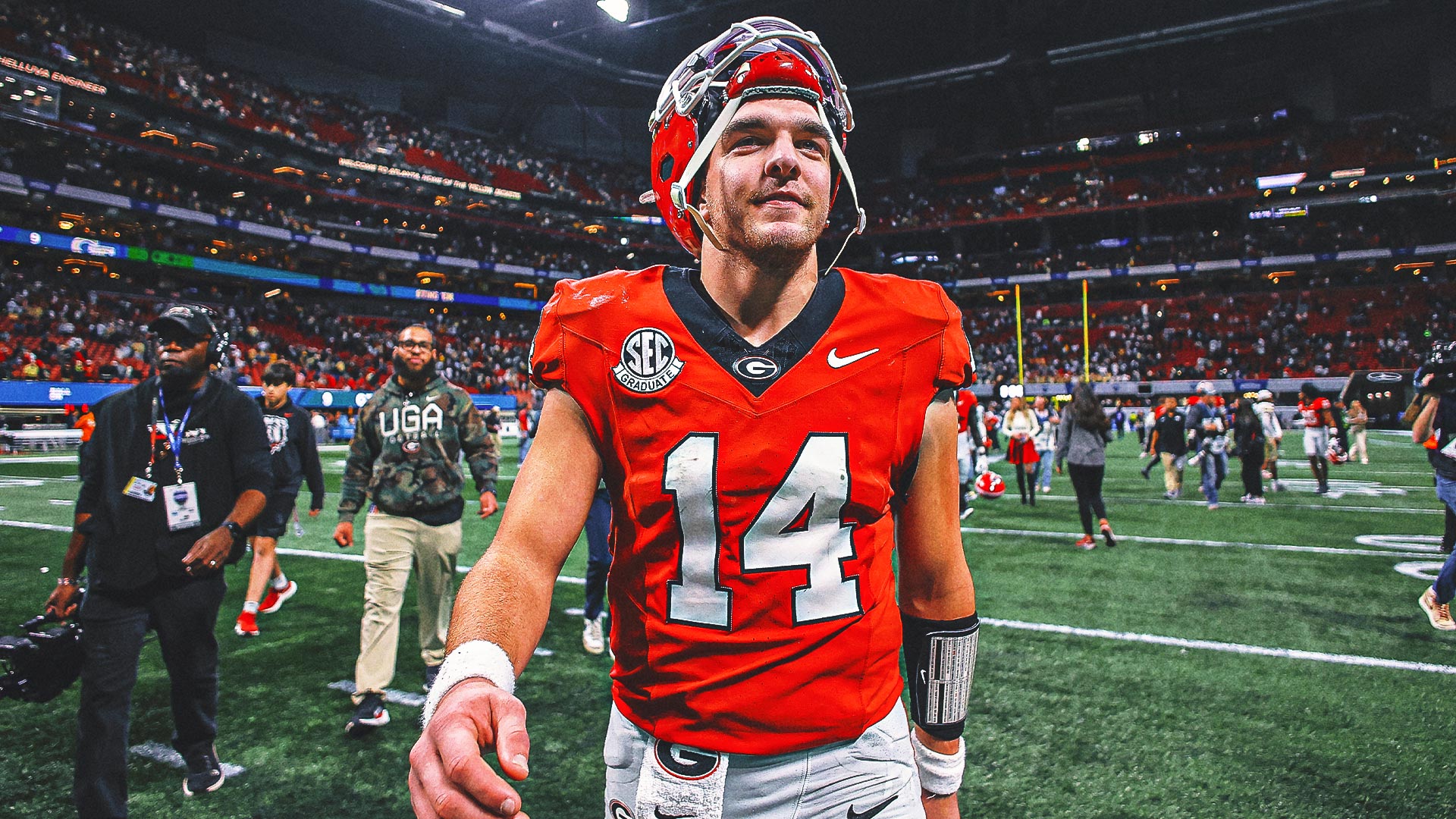
AP Top 25: Georgia Up to No. 3 Behind Ohio State, Indiana In Big Shuffle
Entities mentioned:
- Ohio State: Competitive spirit, Pride, Legacy
- Indiana: Ambition, Determination, Recognition
- Georgia: Competitive spirit, Pride, Ambition
- Texas Tech: Ambition, Recognition, Competitive spirit
- Texas A&M: Pride, Determination, Competitive spirit
- Group of 5 conferences: Recognition, Ambition, Competitive spirit
Article Assessment:
Credibility Score: 85/100
Bias Rating: 50/100 (Center)
Sentiment Score: 65/100
Authoritarianism Risk: 15/100 (Strongly Democratic)
Bias Analysis:
The article presents a straightforward reporting of poll rankings without evident political slant. It gives equal attention to various teams and conferences, maintaining a neutral stance.
Key metric: College Football Rankings
Let me tell you something - this poll shake-up is a GAME-CHANGER! We're seeing some serious fourth-quarter moves as teams jockey for playoff position. Ohio State and Indiana are in a championship deadlock at the top, but Georgia and Oregon are breathing down their necks, ready to blitz if either stumbles. Texas Tech is the Cinderella story here, folks, coming out of nowhere to crash the top 5 party! Meanwhile, Texas A&M took a hard hit, getting sacked right out of the top 5. And don't sleep on those Group of 5 underdogs - they're showing up in force, proving they can play with the big boys. This is what college football is all about - every week is do-or-die, and these teams are leaving it all on the field!
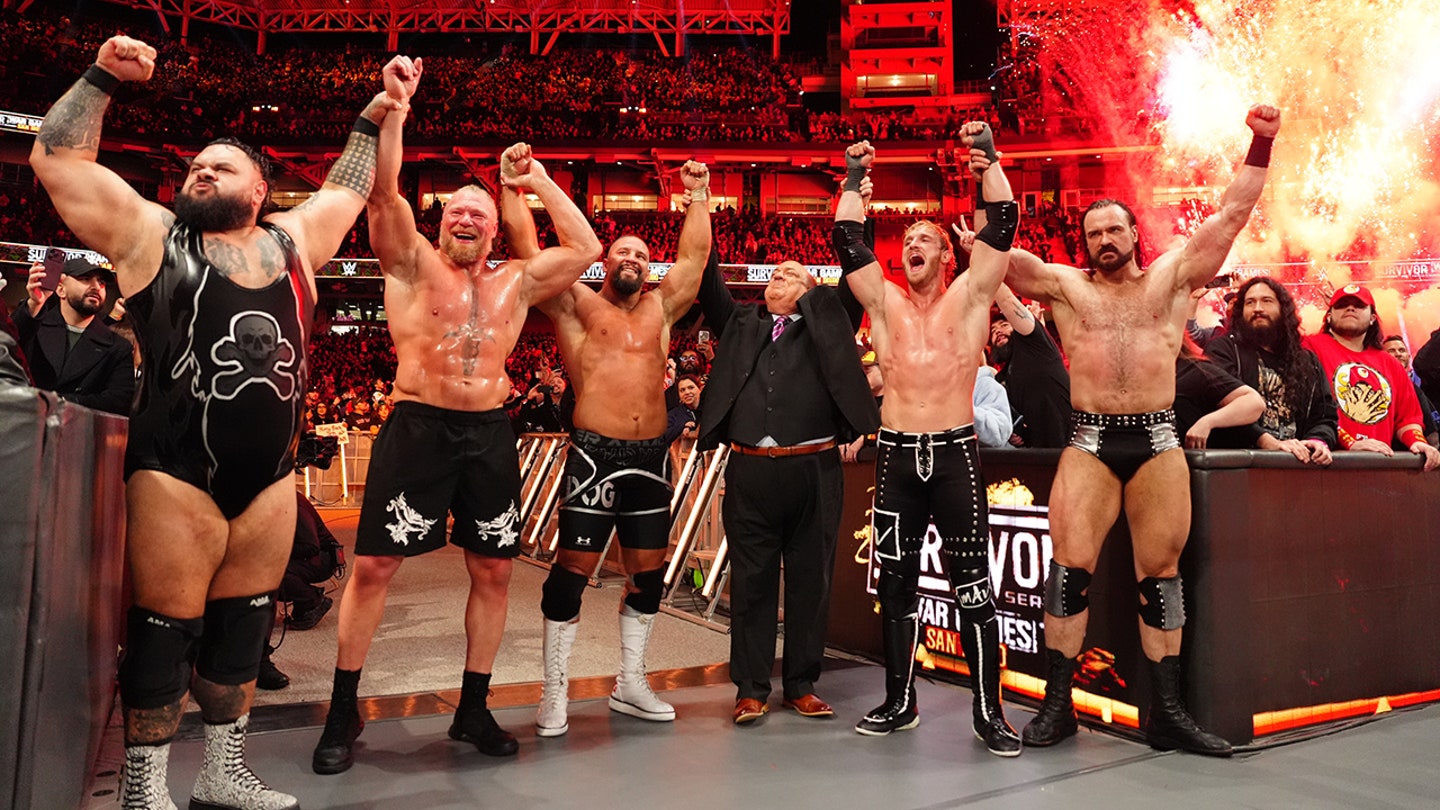
Mystery attacker interrupts men's WarGames match as Liv Morgan returns to help Dominik Mysterio
Entities mentioned:
- WWE: Competitive spirit, Recognition, Legacy
- Dominik Mysterio: Ambition, Competitive spirit, Recognition
- Liv Morgan: Revenge, Competitive spirit, Recognition
- John Cena: Legacy, Pride, Professional pride
- Roman Reigns: Power, Pride, Competitive spirit
- CM Punk: Competitive spirit, Recognition, Revenge
Article Assessment:
Credibility Score: 75/100
Bias Rating: 50/100 (Center)
Sentiment Score: 70/100
Authoritarianism Risk: 15/100 (Strongly Democratic)
Bias Analysis:
The article presents a balanced recap of events without favoring specific wrestlers or outcomes. It objectively reports on the matches and surprises without editorializing.
Key metric: Pro Wrestling Viewership and Engagement
Let me tell you something - this WarGames match was an ABSOLUTE SLUGFEST! We're talking championship-level intensity here, folks! The WWE ring became a battleground, with each competitor bringing their A-game like it was the Super Bowl of wrestling. Dominik Mysterio, that young upstart, pulled off a HUGE upset against the veteran John Cena - talk about a changing of the guard! And don't even get me started on that mystery attacker - that's the kind of fourth-quarter surprise that can change the entire game! Liv Morgan's heel turn? That's like a star player switching teams mid-season! I'm telling you right now, this kind of drama and action is what keeps the WWE in the major leagues of entertainment!