The Combined Payouts for CFB's Fired Coaches Has Reached A Record-Breaking Number
Entities mentioned:
- College Football Programs: Competitive spirit, Ambition, Legacy
- Fired Coaches: Self-preservation, Professional pride, Recognition
- University Administrators: Ambition, Pressure to perform, Control
Article Assessment:
Credibility Score: 75/100
Bias Rating: 55/100 (Center)
Sentiment Score: 30/100
Authoritarianism Risk: 35/100 (Generally Democratic)
Bias Analysis:
The article presents factual information about coach firings and buyouts. While it doesn't overtly favor any side, the focus on the high costs could be seen as slightly critical of the current system.
Key metric: College Football Program Success
Let me tell you something - this coaching carousel is RIDICULOUS! We're seeing a FULL COURT PRESS of firings that's shattering records like a homerun derby gone wild! These programs are playing high-stakes poker with their futures, betting big on fresh blood to lead their teams to the promised land. It's a brutal game of musical chairs, folks, where even legendary coaches are getting SACKED faster than a rookie quarterback! The pressure to perform is cranked up to 11, and these schools are treating their sideline generals like they're expendable rookies. This is the kind of fourth-quarter desperation play that could either lead to a Cinderella story or leave these programs fumbling in the dark for years to come. I'm telling you right now, the college football landscape is experiencing an EARTHQUAKE of change that's going to reshape the competitive terrain for seasons to come!
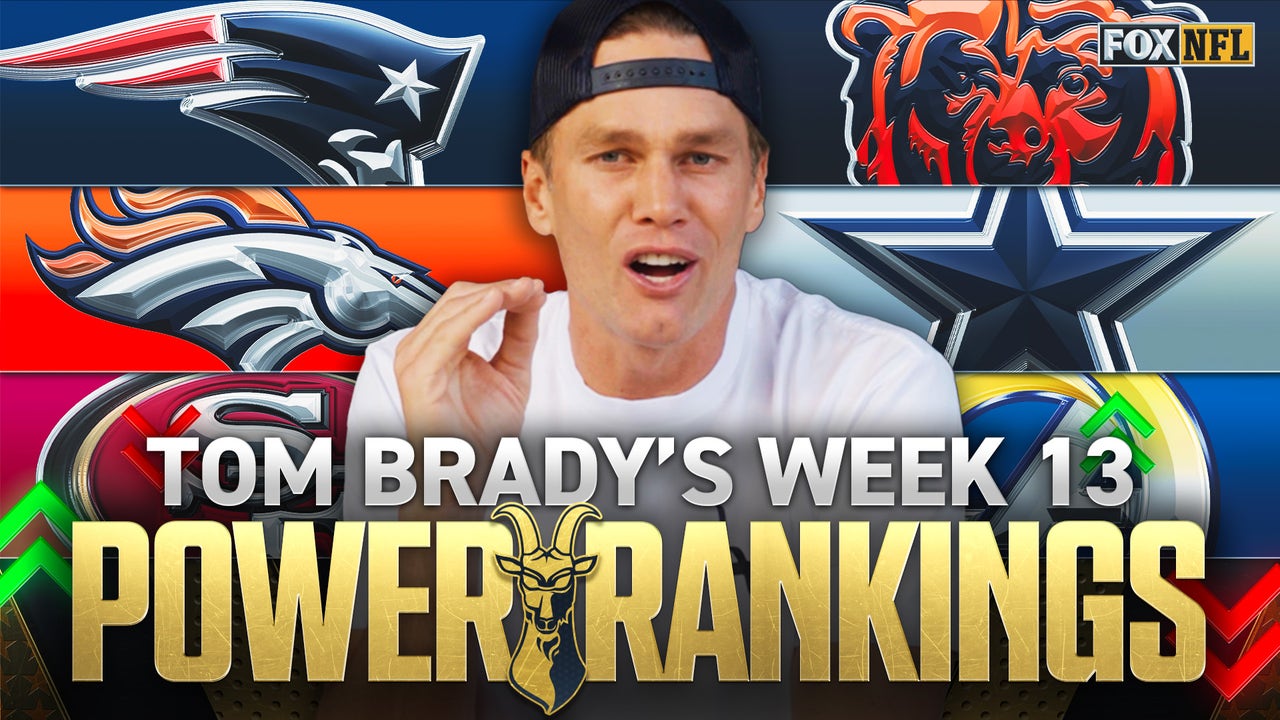
Tom Brady's NFL Power Rankings: Cowboys Make First Appearance; Rams Fall From No. 1
Entities mentioned:
- Tom Brady: Competitive spirit, Recognition, Professional pride
- Dallas Cowboys: Ambition, Competitive spirit, Redemption
- Philadelphia Eagles: Determination, Pride, Self-preservation
- Green Bay Packers: Competitive spirit, Ambition, Legacy
- Seattle Seahawks: Competitive spirit, Ambition, Recognition
- Denver Broncos: Determination, Unity, Competitive spirit
- New England Patriots: Redemption, Pride, Competitive spirit
Article Assessment:
Credibility Score: 75/100
Bias Rating: 50/100 (Center)
Sentiment Score: 65/100
Authoritarianism Risk: 20/100 (Strongly Democratic)
Bias Analysis:
The article presents a balanced view of multiple teams' performances without favoring any particular franchise. Tom Brady's analysis, while subjective, is based on recent game outcomes and doesn't show clear bias towards specific teams.
Key metric: NFL Team Performance
Let me tell you something - this power ranking shake-up is RIDICULOUS! The Dallas Cowboys are stepping up to the plate, folks, making their first appearance in Brady's elite squad. Meanwhile, the Eagles are fumbling the ball, dropping out of the top 10 faster than a receiver with butterfingers! But hold onto your helmets, because the real MVP here is the New England Patriots, coming out of nowhere to claim the championship belt at number one! It's like they've found their second wind in the fourth quarter of the season. The Broncos are showing that clutch gene, pulling out an overtime victory that could be the momentum swing they need heading into the playoffs. And don't sleep on the Seahawks - they're playing with that championship mentality that could make them the team to beat in the NFC. I'm telling you right now, this league is more competitive than a CrossFit Games final, and every week is like a new round in the ultimate athletic showdown!
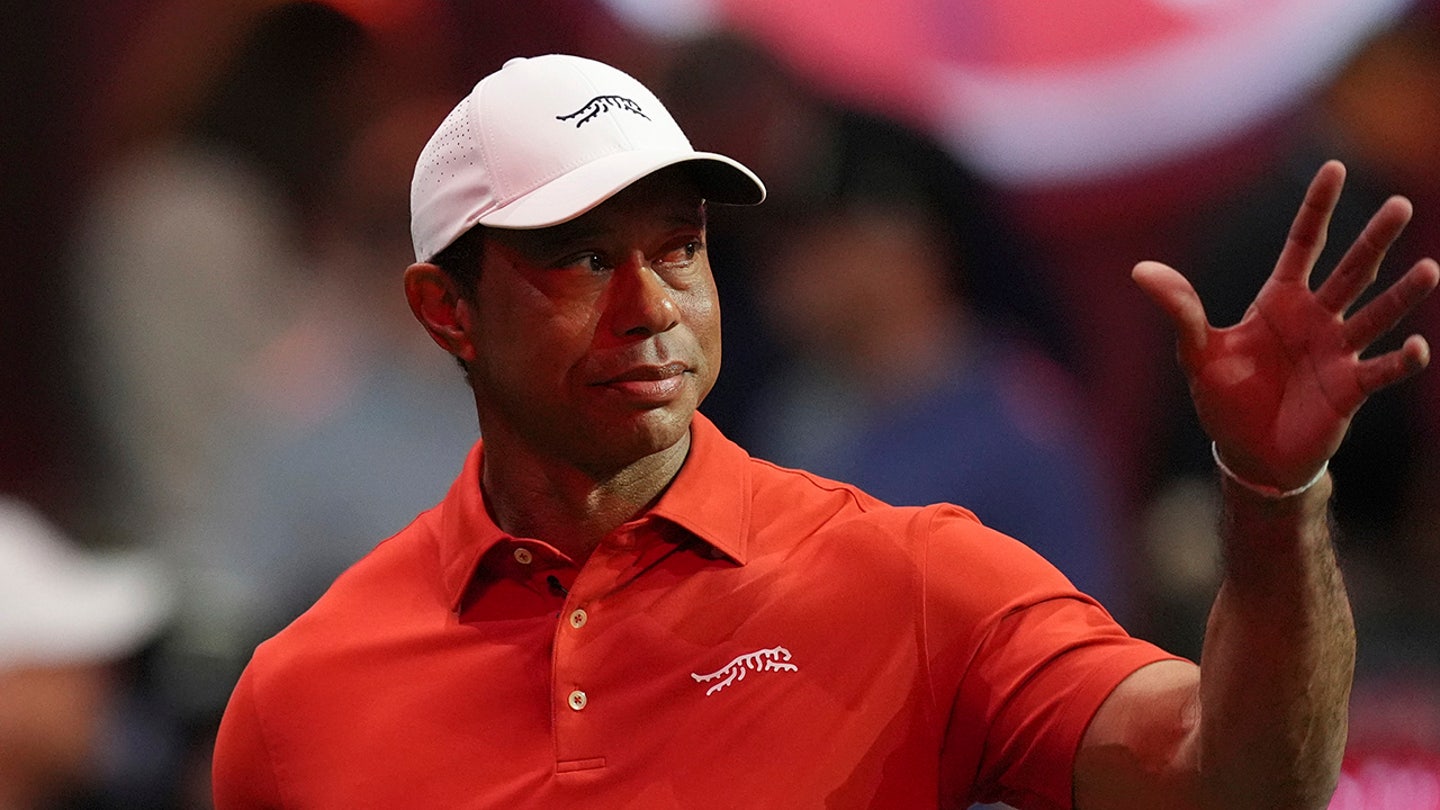
Tiger Woods offers first public comments since latest back surgery amid growing concern over golf return
Entities mentioned:
- Tiger Woods: Determination, Competitive spirit, Legacy
- PGA Tour: Professional pride, Recognition, Influence
- Jack Nicklaus: Legacy, Pride, Recognition
Article Assessment:
Credibility Score: 85/100
Bias Rating: 50/100 (Center)
Sentiment Score: 45/100
Authoritarianism Risk: 15/100 (Strongly Democratic)
Bias Analysis:
The article presents a balanced view of Woods' situation, including both his challenges and his determination. It relies on direct quotes and factual information without leaning towards sensationalism or undue optimism.
Key metric: Golf Major Championship Wins
Let me tell you something - this story is RIDICULOUS! Tiger Woods, the GOAT of golf, is in the fight of his life against Father Time and his own body! We're talking about a warrior who's been through SEVEN back surgeries, folks! That's like coming back from seven season-ending injuries in other sports! But Tiger's not throwing in the towel - he's stepping up to the tee with the heart of a champion! This is a fourth-quarter comeback like we've never seen before! Woods is battling not just for another win, but for his LEGACY! He's chasing the great Jack Nicklaus in the majors count, and let me tell you, this is a neck-and-neck race that's going down to the wire! The PGA Tour is on the edge of its seat, waiting to see if their star player can make it back to the green. This isn't just a comeback - it's the ultimate test of an athlete's will to win!
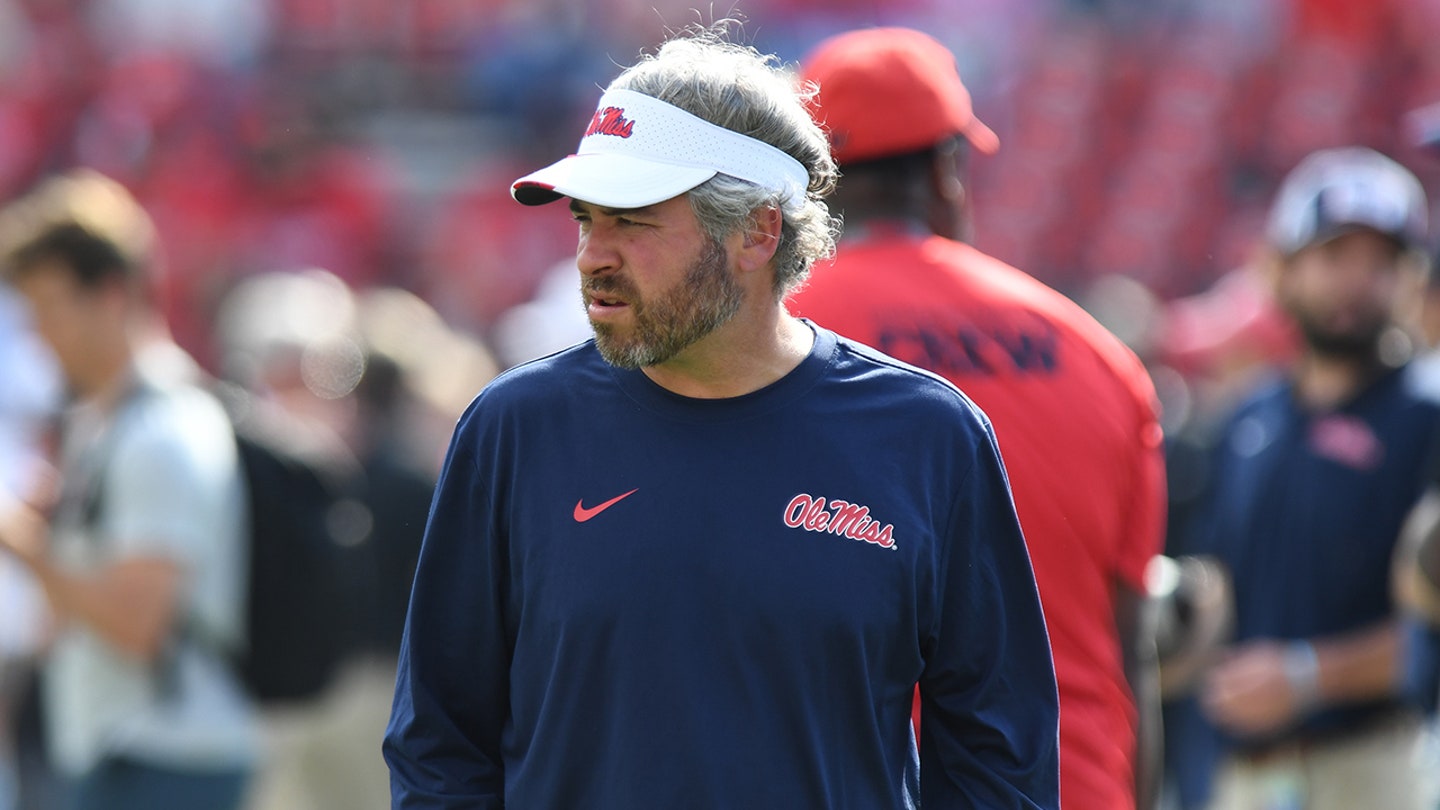
Former ESPN star blasts Ole Miss after Pete Golding revealed as Lane Kiffin’s chosen successor
Entities mentioned:
- Lane Kiffin: Ambition, Recognition, Legacy
- Pete Golding: Ambition, Professional pride, Determination
- Bomani Jones: Indignation, Competitive spirit, Moral outrage
- Ole Miss: Competitive spirit, Pride, Legacy
- LSU: Competitive spirit, Ambition, Recognition
Article Assessment:
Credibility Score: 75/100
Bias Rating: 50/100 (Center)
Sentiment Score: 55/100
Authoritarianism Risk: 20/100 (Strongly Democratic)
Bias Analysis:
The article presents a balanced view of the coaching change, including multiple perspectives. It reports facts about the situation without favoring either Ole Miss or LSU.
Key metric: College Football Playoff Rankings
Let me tell you something - this coaching change is a GAME-CHANGER! We're seeing a major power play in the SEC, folks! Lane Kiffin has made a fourth-quarter move, leaving Ole Miss high and dry as he takes his championship mentality to LSU. But hold on to your helmets - Ole Miss isn't throwing in the towel! They're promoting from within, putting Pete Golding in as their new quarterback... I mean head coach! This is a Hail Mary pass if I've ever seen one! Bomani Jones is coming off the top rope with some fighting words about Golding's appearance, adding fuel to this already blazing rivalry. The Rebels are sitting pretty at 11-1, but can Golding step up to the plate and lead this team to the promised land of the College Football Playoff? This is the kind of high-stakes drama that makes college football the ultimate competitive arena! I'm telling you right now, all eyes will be on Golding as he takes the reins of this powerhouse program. It's fourth and goal, and the clock is ticking!

FIFA World Cup 2026 Draw: Heidi Klum, Kevin Hart to Co-Host Star-Studded Event
Entities mentioned:
- FIFA: Pride, Influence, Legacy
- Heidi Klum: Recognition, Enthusiasm, Professional pride
- Kevin Hart: Recognition, Enthusiasm, Professional pride
- U.S. men's national team: Competitive spirit, Pride, Ambition
- FOX Sports: Competitive spirit, Recognition, Influence
Article Assessment:
Credibility Score: 85/100
Bias Rating: 50/100 (Center)
Sentiment Score: 75/100
Authoritarianism Risk: 15/100 (Strongly Democratic)
Bias Analysis:
The article presents a balanced view of the event, focusing on factual information about hosts and participants. It doesn't lean towards favoring any particular team or nation.
Key metric: International Sports Prestige
Let me tell you something, folks - this World Cup draw is shaping up to be the SUPER BOWL of soccer events! We've got an ALL-STAR lineup taking the field for this high-stakes matchup. Heidi Klum and Kevin Hart are stepping up to the plate as our power hitters, ready to knock this event out of the park! The U.S. men's national team is in the starting lineup, and you better believe they're bringing their A-game to this global championship. FOX Sports is playing offense with a dream team of broadcasters, looking to dominate the airwaves like a well-oiled machine. This isn't just a draw, people - it's the kickoff to the biggest tournament in the world, and every country is fighting for position like it's fourth and goal!

USA Pre-World Cup Friendlies: Belgium, Ronaldo's Portugal, Germany
Entities mentioned:
- United States Men's National Soccer Team: Competitive spirit, Pride, Determination
- Belgium National Soccer Team: Competitive spirit, Pride, Recognition
- Portugal National Soccer Team: Competitive spirit, Pride, Legacy
- Germany National Soccer Team: Competitive spirit, Pride, Legacy
- Cristiano Ronaldo: Competitive spirit, Legacy, Recognition
Article Assessment:
Credibility Score: 85/100
Bias Rating: 50/100 (Center)
Sentiment Score: 70/100
Authoritarianism Risk: 15/100 (Strongly Democratic)
Bias Analysis:
The article presents factual information about upcoming soccer matches without evident political lean. It maintains a neutral tone in reporting schedules and potential player appearances.
Key metric: World Cup Preparedness
Let me tell you something, folks - this is HUGE! The USA is stepping up to the plate with a POWERHOUSE lineup of pre-World Cup friendlies! We're talking about a CHAMPIONSHIP CALIBER warm-up schedule here! The American squad is going toe-to-toe with some of soccer's heaviest hitters - Belgium, Ronaldo's Portugal, and the German JUGGERNAUTS! This is the kind of high-stakes practice that separates the contenders from the pretenders! Coach Pochettino is throwing his team into the deep end, and I'm telling you right now, this is the kind of fourth-quarter strategy that builds WINNERS! The USA is showing they're not here to play games - they're here to COMPETE! And with Ronaldo potentially making his return to American soil, we could be in for some FIREWORKS! This is the kind of pre-tournament gauntlet that forges CHAMPIONS, folks!

Clippers abruptly part ways with NBA star Chris Paul in stunning late-night move
Entities mentioned:
- Chris Paul: Legacy, Professional pride, Self-respect
- Los Angeles Clippers: Competitive spirit, Ambition, Pride
- Lawrence Frank: Professional pride, Duty, Loyalty
Article Assessment:
Credibility Score: 75/100
Bias Rating: 45/100 (Center)
Sentiment Score: 35/100
Authoritarianism Risk: 20/100 (Strongly Democratic)
Bias Analysis:
The article presents a balanced view of the situation, quoting both Paul and team management. It sticks to factual reporting without obvious partisan leanings.
Key metric: NBA Team Performance
Let me tell you something - this story is RIDICULOUS! The Clippers just threw a Hail Mary pass in the fourth quarter, benching their veteran quarterback Chris Paul! This is a GAME-CHANGING move that could make or break their season. Paul, a future Hall of Famer, has been struggling to put points on the board, and the Clippers' championship dreams are slipping away faster than a fumbled football. They're sitting at 5-16, folks - that's like being down 30 points with 2 minutes left in the game! Lawrence Frank is stepping up to the plate, taking responsibility for this underperforming roster. But let's be real - sending Paul home is like subbing out your star player in the final seconds of a tied game. It's a risky play that could either salvage their season or send them spiraling into the losers' bracket. I'm telling you right now, all eyes will be on the Clippers to see if this shocking trade deadline move pays off or if they've just forfeited their chance at a comeback!
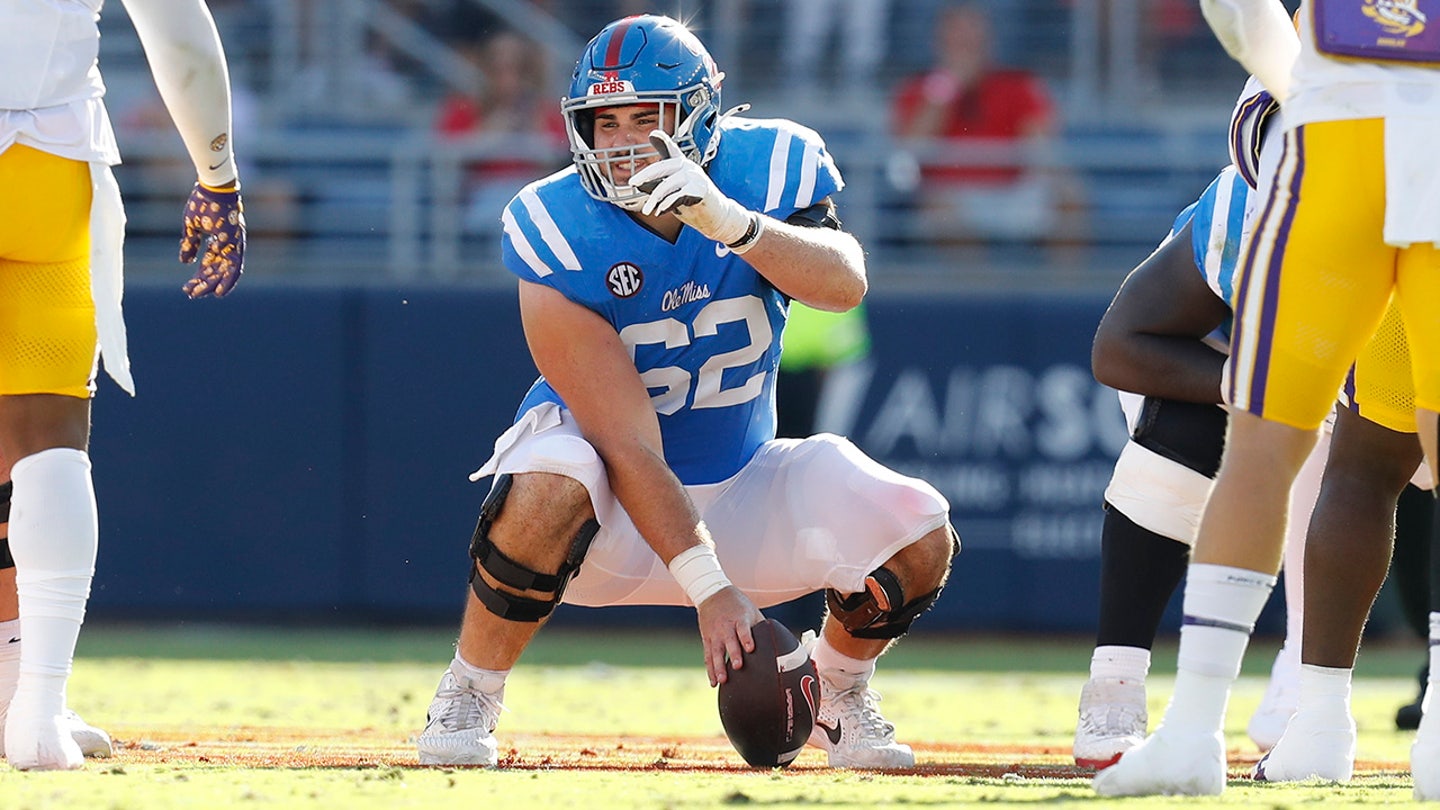
Ole Miss players push back on Lane Kiffin’s claim that team asked AD to let him finish season with Rebels
Entities mentioned:
- Lane Kiffin: Ambition, Self-preservation, Legacy
- Ole Miss Players: Loyalty, Indignation, Unity
- Keith Carter: Control, Professional pride, Duty
- LSU: Competitive spirit, Ambition, Recognition
Article Assessment:
Credibility Score: 75/100
Bias Rating: 50/100 (Center)
Sentiment Score: 35/100
Authoritarianism Risk: 20/100 (Strongly Democratic)
Bias Analysis:
The article presents multiple perspectives, including Kiffin's claims and players' rebuttals. It maintains a neutral tone, balancing the narrative without favoring either side.
Key metric: College Football Playoff Rankings
Let me tell you something - this story is RIDICULOUS! We've got a real FOURTH QUARTER DRAMA unfolding here, folks! Lane Kiffin, the once-star quarterback of the Ole Miss squad, has just pulled a STUNNING LATERAL PASS to LSU, leaving his old team in the dust! But wait - his former offensive line is PUSHING BACK HARD, calling an audible on Kiffin's claims! This is the kind of locker room tension that can make or break a championship run! The Rebels are now in a CRUCIAL DEFENSIVE STANCE, trying to maintain team unity as they head into the playoffs. Meanwhile, LSU has just scored a MAJOR RECRUITMENT VICTORY, snagging a top-tier coach in a move that could shift the balance of power in the SEC! This is the kind of high-stakes play that separates the contenders from the pretenders, and I'm telling you right now, the College Football Playoff rankings are about to see some SERIOUS SHAKE-UPS!

2026 NCAA Tournament Projections: Purdue, Michigan Among Mike DeCourcy’s No. 1 Seeds
Entities mentioned:
- Mike DeCourcy: Professional pride, Influence, Recognition
- Duke: Competitive spirit, Pride, Legacy
- Purdue: Ambition, Determination, Recognition
- Michigan: Competitive spirit, Pride, Legacy
- Arizona: Ambition, Competitive spirit, Recognition
- Tom Izzo: Competitive spirit, Legacy, Professional pride
Article Assessment:
Credibility Score: 75/100
Bias Rating: 50/100 (Center)
Sentiment Score: 70/100
Authoritarianism Risk: 15/100 (Strongly Democratic)
Bias Analysis:
The article presents a balanced view of multiple conferences and teams. It relies on expert analysis without favoring specific programs or conferences unduly.
Key metric: NCAA Men's Basketball Tournament Rankings
Let me tell you something - this bracket projection is a GAME-CHANGER! Mike DeCourcy is stepping up to the plate early, giving us a championship-level look at the NCAA tournament landscape. The powerhouse programs are flexing their muscles, with Duke, Purdue, Michigan, and Arizona dominating the court like they're in the fourth quarter of the Final Four! These teams are showing a true championship mentality, leaving other programs in the dust. But don't count out the underdogs! We've got teams like Nebraska coming out of nowhere with an undefeated record - talk about a Cinderella story in the making! The Big Ten and Big 12 are tag-teaming the competition, each sending a whopping 10 teams to the big dance. This is the kind of lineup that keeps coaches up at night, folks! It's early in the season, but these projections are setting the stage for what could be the most competitive March Madness we've seen in years. I'm telling you right now, every game counts, and these teams are playing like there's no tomorrow!
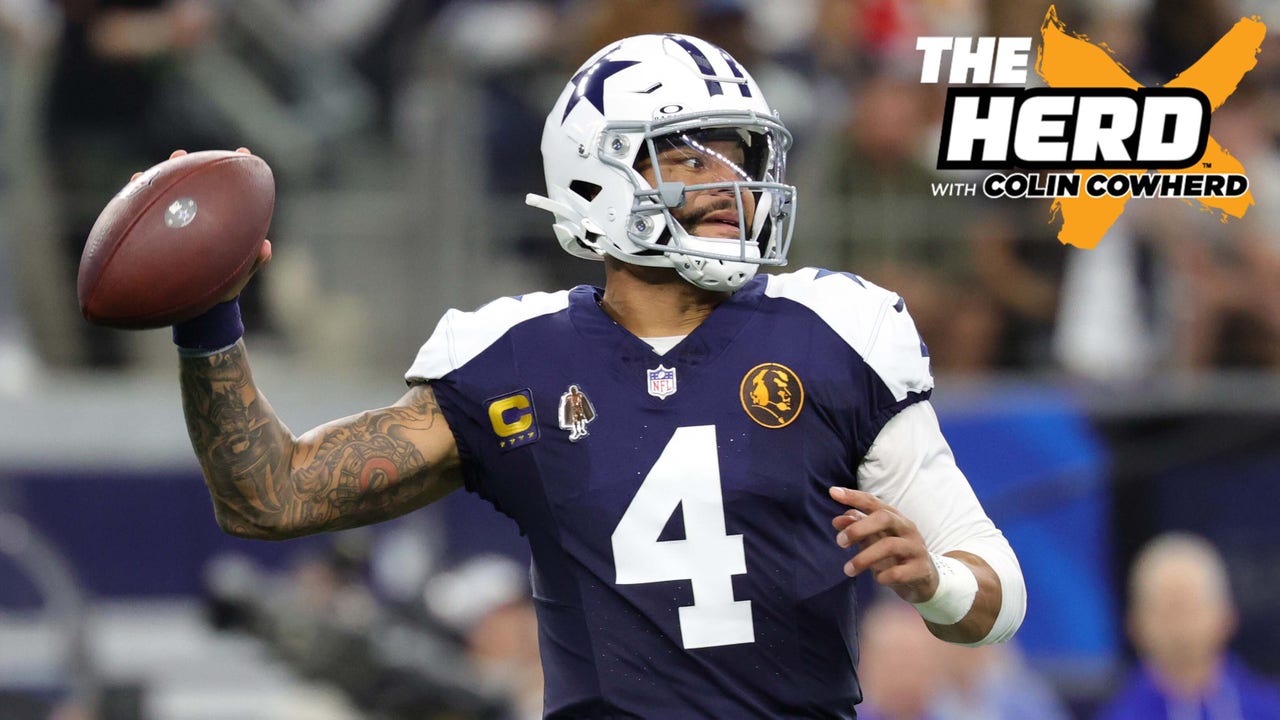
Herd Hierarchy Week 14: Patriots or Broncos Best in AFC? Cowboys Over Eagles?
Entities mentioned:
- Colin Cowherd: Professional pride, Influence, Recognition
- Philadelphia Eagles: Competitive spirit, Pride, Self-preservation
- Denver Broncos: Determination, Competitive spirit, Recognition
- New England Patriots: Ambition, Legacy, Competitive spirit
Article Assessment:
Credibility Score: 70/100
Bias Rating: 50/100 (Center)
Sentiment Score: 65/100
Authoritarianism Risk: 20/100 (Strongly Democratic)
Bias Analysis:
The article presents a balanced view of multiple teams, giving praise and criticism where due. While there's clear favoritism towards certain teams, it's presented as personal opinion rather than fact.
Key metric: NFL Team Rankings
Let me tell you something - this NFL season is turning into a CHAMPIONSHIP SLUGFEST! The defending champs, the Philadelphia Eagles, are stumbling like a boxer on the ropes, while the Denver Broncos are making a Cinderella run that's got everyone asking - are they contenders or pretenders? But folks, don't count out Bill Belichick and his New England Patriots. They're playing with that CHAMPIONSHIP DNA, executing plays like a well-oiled machine. It's fourth quarter time in the NFL, and teams are either stepping up to the plate or heading to the showers. The Patriots are showing that winning mentality, but can they go the distance? I'm telling you right now, this playoff race is going to come down to who wants it more, who's got that killer instinct when the clock's winding down. It's gut-check time for these NFL gladiators!