
‘Looming over the city like gods’: the men who changed New York for better and worse
Entities mentioned:
- Jonathan Mahler: Curiosity, Professional pride, Legacy
- Ed Koch: Ambition, Pride, Legacy
- Rudy Giuliani: Ambition, Power, Control
- David Dinkins: Justice, Unity, Legacy
- Donald Trump: Power, Recognition, Greed
- Al Sharpton: Justice, Influence, Recognition
- Larry Kramer: Moral outrage, Justice, Determination
- Linda Fairstein: Justice, Professional pride, Revenge
Article Assessment:
Credibility Score: 75/100
Bias Rating: 45/100 (Center)
Sentiment Score: 50/100
Authoritarianism Risk: 25/100 (Generally Democratic)
Bias Analysis:
The article presents a balanced view of historical events and figures, offering both positive and negative aspects of key personalities. While it leans slightly left in its framing of social issues, it maintains a generally neutral tone in its historical analysis.
Key metric: Urban Social Cohesion
As a social scientist, I analyze that this article provides a comprehensive historical overview of New York City's political and social landscape from 1986 to 1990, drawing parallels to current issues. The narrative highlights the cyclical nature of urban challenges, particularly focusing on political power dynamics, racial tensions, and economic disparities. The author's examination of key figures like Ed Koch, Rudy Giuliani, and Donald Trump illustrates how personal ambitions and the pursuit of attention can shape a city's trajectory. The article underscores the complexities of urban governance, showing how leaders' decisions can have long-lasting impacts on social cohesion and economic development. This historical perspective offers valuable insights into the ongoing challenges of maintaining social unity and equitable progress in large, diverse urban centers.
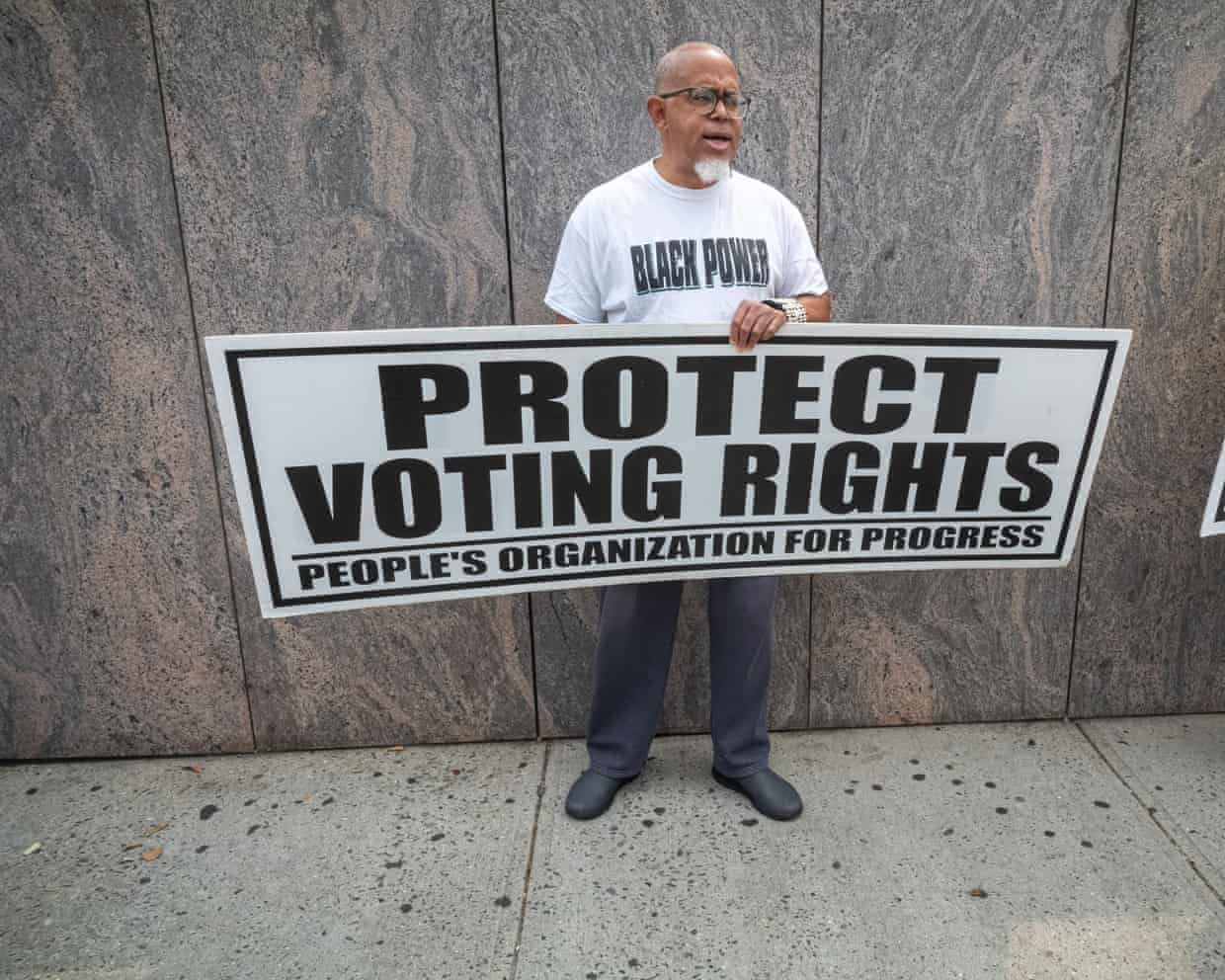
Some Democrats want to use gerrymandering. That’s a bad idea
Entities mentioned:
- Democrats: Power, Justice, Ambition
- Republicans: Power, Control, Competitive spirit
- U.S. Congress: Power, Control, Legacy
- Trump: Power, Control, Ambition
Article Assessment:
Credibility Score: 65/100
Bias Rating: 40/100 (Lean Left)
Sentiment Score: 35/100
Authoritarianism Risk: 25/100 (Generally Democratic)
Bias Analysis:
The article leans slightly left, criticizing Republican gerrymandering more heavily and expressing concerns about Trump's influence. However, it also critiques Democratic strategies, maintaining some balance.
Key metric: Electoral Representation Fairness
As a social scientist, I analyze that this article highlights the complex issues surrounding gerrymandering and its impact on fair representation in the U.S. political system. The piece argues against the use of gerrymandering by Democrats, pointing out its potential backfire through 'dummymandering'. It also critically examines the 1929 Reapportionment Act, suggesting that increasing the number of House representatives could mitigate gerrymandering effects and improve representation. The analysis extends to the Electoral College system, proposing that more House seats would make it more representative of the population. The article concludes by questioning whether Democrats should take a more aggressive stance against perceived authoritarianism, reflecting the tension between maintaining democratic norms and combating perceived threats to democracy.
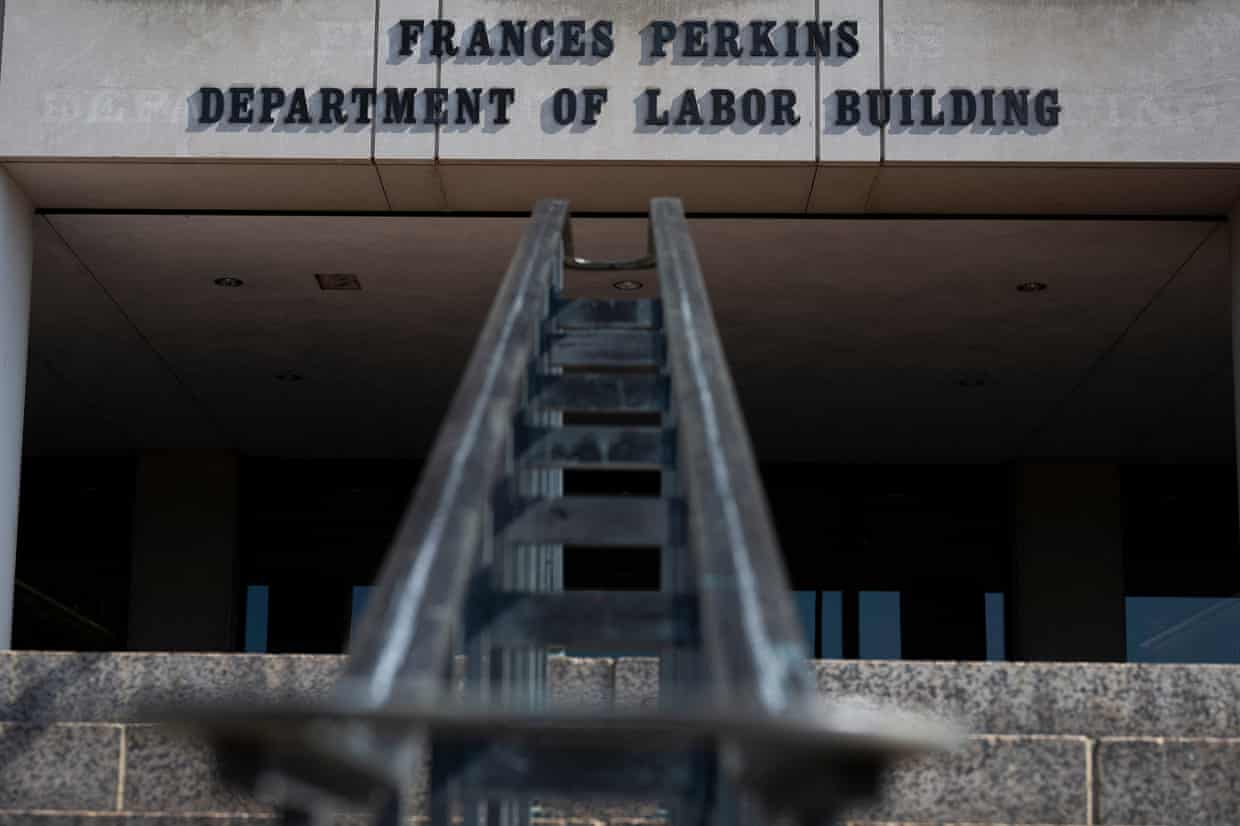
New Trump labor official has history of racist, sexist and conspiratorial posts
Entities mentioned:
- Jessica Bowman: Ambition, Loyalty, Influence
- US Department of Labor: Duty, Control, Professional pride
- Trump administration: Power, Control, Loyalty
- Bureau of International Labor Affairs: Duty, Justice, Influence
- Republican Liberty Caucus: Influence, Loyalty, Freedom
- Kamala Harris: Ambition, Power, Recognition
- Laura Loomer: Influence, Loyalty, Recognition
- Indivisible: Influence, Unity, Justice
Article Assessment:
Credibility Score: 75/100
Bias Rating: 35/100 (Lean Left)
Sentiment Score: 25/100
Authoritarianism Risk: 55/100 (Mixed/Neutral)
Bias Analysis:
The article leans left in its framing, focusing heavily on criticisms of the Trump administration and Republican-affiliated individuals. While it presents factual information, the selection of content and tone suggest a critical stance towards conservative policies and appointments.
Key metric: Government Integrity Index
As a social scientist, I analyze that this article highlights significant concerns about the appointment of Jessica Bowman to a key position in the US Department of Labor. Her history of racist, sexist, and conspiratorial social media posts raises questions about the vetting process and the priorities of the current administration. This appointment could potentially undermine the credibility and effectiveness of the Bureau of International Labor Affairs, whose mission involves ensuring fair treatment of workers globally. The dissemination of conspiracy theories and false claims about election rigging by a government official may contribute to eroding public trust in democratic institutions. Furthermore, the dramatic budget cuts to the department under the current administration, coupled with the appointment of officials with questionable qualifications and extreme views, suggest a potential shift in labor policy that could have far-reaching implications for workers' rights and international labor standards.

Timeline Of Trump’s Battle With Harvard
Entities mentioned:
- Donald Trump: Power, Control, Revenge
- Harvard University: Self-preservation, Professional pride, Influence
- Justice Department: Duty, Loyalty, Control
- Tim Cook: Competitive spirit, Ambition, Innovation
- Apple: Competitive spirit, Influence, Greed
Article Assessment:
Credibility Score: 25/100
Bias Rating: 30/100 (Lean Left)
Sentiment Score: 30/100
Authoritarianism Risk: 70/100 (Authoritarian Tendencies)
Bias Analysis:
The article leans left, mocking Trump and conservative policies. It presents exaggerated scenarios that paint the administration in a negative light, while portraying Harvard as resistant to governmental pressure.
Key metric: Economic Competitiveness
As a social scientist, I analyze that this satirical article presents a fictional timeline of escalating tensions between President Trump and Harvard University, as well as an unrelated segment about Apple. The exaggerated conflict portrays governmental overreach and abuse of power, potentially impacting academic freedom and international relations. The Apple segment satirizes trade tensions and manufacturing challenges. Both parts highlight concerns about executive power, education policy, and economic competitiveness. The absurdist nature of the content serves to critique real-world political and economic issues through humor.
- Read more about Timeline Of Trump’s Battle With Harvard
- Log in to post comments

Trump Pardons Tom Sandoval
Entities mentioned:
- Donald Trump: Power, Control, Recognition
- Tom Sandoval: Self-preservation, Recognition, Ambition
- Brittany Trumble: Professional pride, Loyalty, Influence
- Ariana Madix: Revenge, Justice, Self-respect
- Raquel Leviss: Ambition, Recognition, Competitive spirit
Article Assessment:
Credibility Score: 30/100
Bias Rating: 40/100 (Lean Left)
Sentiment Score: 35/100
Authoritarianism Risk: 55/100 (Mixed/Neutral)
Bias Analysis:
The article leans slightly left, mocking Trump's use of pardons and associating him with trivial celebrity culture. The satirical nature and choice of target suggest a critique of right-wing politics, though presented through absurdist humor.
Key metric: Public Trust in Government
As a social scientist, I analyze that this article, while satirical, highlights the potential for abuse of presidential pardoning powers and the trivialization of important governmental functions. The fictional scenario of pardoning a reality TV star for personal indiscretions suggests a blurring of entertainment and politics, which could erode public trust in government institutions and processes. This type of content, even as satire, may contribute to public cynicism about the integrity of political leadership and the proper use of executive powers, potentially impacting the broader metric of public trust in government.
- Read more about Trump Pardons Tom Sandoval
- Log in to post comments

Musk Weighs Return To Politics After 60th Death On ‘Elden Ring Nightreign’ Tutorial
Entities mentioned:
- Elon Musk: Ambition, Recognition, Self-respect
- FromSoft: Professional pride, Influence, Competitive spirit
- Donald Trump: Power, Influence, Recognition
- NASA: Professional pride, Duty, Curiosity
Article Assessment:
Credibility Score: 30/100
Bias Rating: 40/100 (Lean Left)
Sentiment Score: 35/100
Authoritarianism Risk: 25/100 (Generally Democratic)
Bias Analysis:
The article leans slightly left, mocking a prominent right-wing figure and implying criticism of wealthy individuals in politics. However, the satire is relatively mild and focuses more on individual foibles than explicit political commentary.
Key metric: Public Trust in Government
As a social scientist, I analyze that this satirical article highlights the perceived disconnect between high-profile public figures and their responsibilities. The portrayal of Elon Musk struggling with a video game while contemplating political involvement suggests a critique of the revolving door between business and politics, as well as questioning the competence and motivations of wealthy individuals in public service roles. This narrative could potentially impact public trust in government by reinforcing skepticism about the qualifications and commitment of those in or seeking positions of power.

No One Sure Why Kristi Noem Wearing Firefighter Helmet, Night-Vision Goggles, High Heels, Wet Suit
Entities mentioned:
- Kristi Noem: Recognition, Influence, Ambition
- Department of Homeland Security: Security, Control, Duty
Article Assessment:
Credibility Score: 30/100
Bias Rating: 40/100 (Lean Left)
Sentiment Score: 35/100
Authoritarianism Risk: 25/100 (Generally Democratic)
Bias Analysis:
The article leans slightly left, mocking a Republican official. The satirical tone and exaggerated portrayal suggest a critical stance towards the current administration, particularly targeting conservative leadership.
Key metric: Public Trust in Government
As a social scientist, I analyze that this article, while satirical in nature, could impact public perception of government officials and their competence. The portrayal of a high-ranking official in an absurd, seemingly unprofessional attire may contribute to a decline in public trust in government institutions. The exaggerated and nonsensical depiction of Noem's outfit could be interpreted as a commentary on perceived disconnect between government officials and practical realities of their roles. This satirical approach might reinforce existing skepticism about government effectiveness and decision-making processes.

GOP Lawmakers Clarify Their Hate-Filled Rhetoric Only Meant To Stoke Fundraising
Entities mentioned:
- Republican members of Congress: Greed, Power, Self-preservation
- National Republican Congressional Committee: Influence, Control, Ambition
- Democratic lawmakers: Self-preservation, Justice, Unity
Article Assessment:
Credibility Score: 55/100
Bias Rating: 30/100 (Lean Left)
Sentiment Score: 25/100
Authoritarianism Risk: 65/100 (Authoritarian Tendencies)
Bias Analysis:
The article leans left, presenting Republican actions in a highly critical light without balancing perspectives. The satirical tone and selective framing of GOP statements suggest a left-leaning editorial stance.
Key metric: Political Polarization Index
As a social scientist, I analyze that this article highlights the dangerous intersection of inflammatory political rhetoric and fundraising tactics. The GOP's clarification attempts to distance themselves from violence while simultaneously continuing to use divisive language. This approach likely exacerbates political polarization, potentially increasing distrust in democratic institutions and normalizing extreme rhetoric for financial gain. The implied connection between fundraising strategies and real-world violence raises serious ethical concerns about the state of political discourse and its societal impacts.

Allergic Swelling Leaves Kristi Noem’s Face Completely Recognizable
Entities mentioned:
- Kristi Noem: Recognition, Self-preservation, Ambition
- Leo (zodiac sign): Curiosity, Enthusiasm, Wariness
Article Assessment:
Credibility Score: 30/100
Bias Rating: 45/100 (Center)
Sentiment Score: 55/100
Authoritarianism Risk: 20/100 (Strongly Democratic)
Bias Analysis:
The article appears politically neutral, poking fun at a political figure without clear partisan leaning. The use of zodiac signs and absurdist humor suggests entertainment rather than serious political commentary.
Key metric: Public Trust in Government
As a social scientist, I analyze that this satirical article has minimal impact on any serious US performance metric. The use of a political figure in a joke horoscope blends entertainment with politics, potentially affecting public perception of leadership, but in a very minor way. The article's absurdist humor may contribute to a general sense of irreverence towards political figures, slightly eroding public trust in government, but the effect is likely negligible due to the clearly non-serious nature of the content.

Trump Still Polling Well With Working-Class American Pedophiles
Entities mentioned:
- Donald Trump: Power, Influence, Recognition
- Working-class American pedophiles: Self-preservation, Fear, Greed
- Lily Willis: Professional pride, Duty, Curiosity
- Democratic strategists: Ambition, Power, Fear
Article Assessment:
Credibility Score: 25/100
Bias Rating: 20/100 (Extreme Left)
Sentiment Score: 20/100
Authoritarianism Risk: 35/100 (Generally Democratic)
Bias Analysis:
The article exhibits extreme left bias through its use of shocking satire to criticize Trump and his supporters. It employs deliberately offensive content to portray Trump's base in the worst possible light, clearly indicating a strong anti-Trump stance.
Key metric: Political Polarization
As a social scientist, I analyze that this satirical article uses extreme and controversial subject matter to highlight political divisions and the perceived moral bankruptcy of certain political strategies. The piece implies a critique of Trump's base and suggests a cynical view of political maneuvering, where even the most morally reprehensible groups are considered as potential voting blocs. This hyperbolic approach aims to shock readers and provoke thought about the nature of political support and the lengths to which politicians might go to maintain power. However, the use of such inflammatory content risks further polarizing audiences and potentially trivializing serious issues like child exploitation.