
‘It’s bush league’: Florida law enforcement agencies aren’t happy with how ICE is recruiting local officers
Entities mentioned:
- Immigration and Customs Enforcement (ICE): Ambition, Control, Power
- Florida law enforcement agencies: Professional pride, Loyalty, Indignation
- Madison Sheahan: Duty, Determination, Ambition
- Kristi Noem: Ambition, Influence, Control
- Charles Ramsey: Professional pride, Duty, Wariness
- Pinellas County Sheriff's Office: Indignation, Professional pride, Loyalty
- John Mina: Professional pride, Self-respect, Determination
- Grady Judd: Indignation, Professional pride, Loyalty
Article Assessment:
Credibility Score: 75/100
Bias Rating: 55/100 (Center)
Sentiment Score: 35/100
Authoritarianism Risk: 45/100 (Mixed/Neutral)
Bias Analysis:
The article presents multiple perspectives, including those critical of ICE and those supporting stricter immigration enforcement. While it gives more space to critics of ICE's tactics, it also includes ICE's viewpoint and factual information about their recruitment efforts.
Key metric: Immigration Enforcement Effectiveness
As a social scientist, I analyze that this article highlights a growing tension between federal and local law enforcement agencies regarding immigration enforcement. ICE's aggressive recruitment tactics, while aimed at bolstering their ranks to meet political demands, are causing friction with local agencies who feel their partnerships are being exploited. This conflict could potentially undermine the effectiveness of immigration enforcement by straining relationships between ICE and local law enforcement, leading to reduced cooperation and information sharing. The substantial financial incentives offered by ICE also raise concerns about brain drain from local agencies, which could impact their overall performance and community safety efforts. This situation reflects broader challenges in balancing federal immigration priorities with local law enforcement needs and resources.
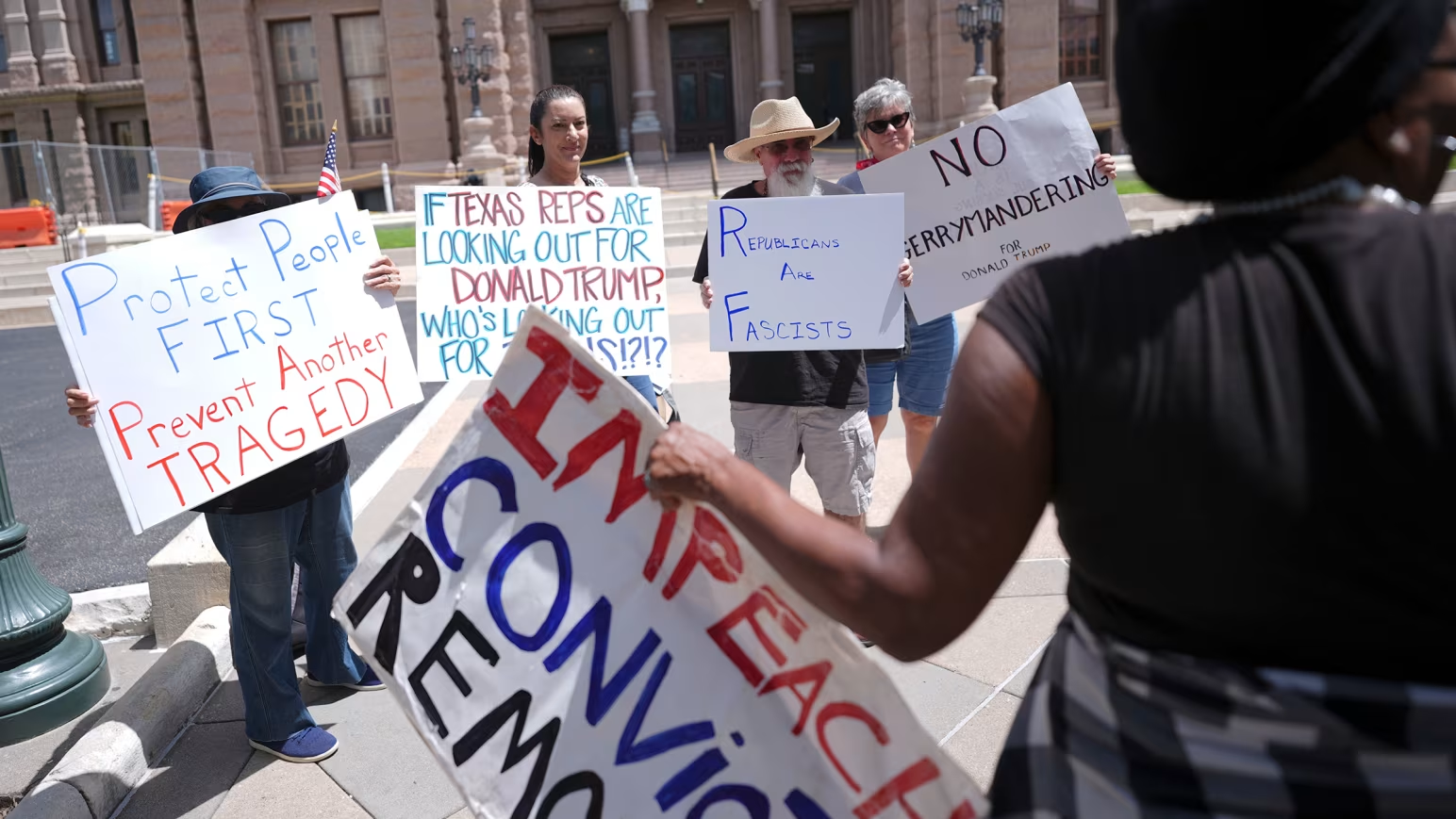
Republicans want to game the next election. Could Democrats get ‘ruthless’ to respond?
Entities mentioned:
- Republicans: Power, Control, Competitive spirit
- Democrats: Power, Justice, Competitive spirit
- Donald Trump: Power, Control, Ambition
- Ron DeSantis: Ambition, Power, Competitive spirit
- Mike Johnson: Power, Control, Loyalty
- Beto O'Rourke: Ambition, Power, Determination
- Gavin Newsom: Power, Competitive spirit, Ambition
- Hakeem Jeffries: Power, Competitive spirit, Justice
Article Assessment:
Credibility Score: 75/100
Bias Rating: 45/100 (Center)
Sentiment Score: 35/100
Authoritarianism Risk: 65/100 (Authoritarian Tendencies)
Bias Analysis:
The article presents views from both Republican and Democratic perspectives, providing a relatively balanced account. However, there's a slight lean towards criticizing Republican actions more heavily, while presenting Democratic responses as reactive.
Key metric: Electoral Integrity
As a social scientist, I analyze that this article highlights a significant threat to electoral integrity in the United States. The attempts by Republicans to redraw congressional districts mid-decade, and the potential Democratic response, could severely undermine the fairness and representativeness of the electoral system. This practice of partisan gerrymandering, if implemented, would likely lead to increased political polarization, reduced competitiveness in elections, and a disconnect between the popular vote and seat allocation. The potential abandonment of nonpartisan redistricting commissions in Democratic-controlled states like California could further erode public trust in the electoral process. This situation reflects a dangerous escalation in partisan tactics that prioritize short-term political gain over long-term democratic stability. The article also underscores the importance of nationwide standards for redistricting to ensure fair representation and maintain the integrity of the electoral system.
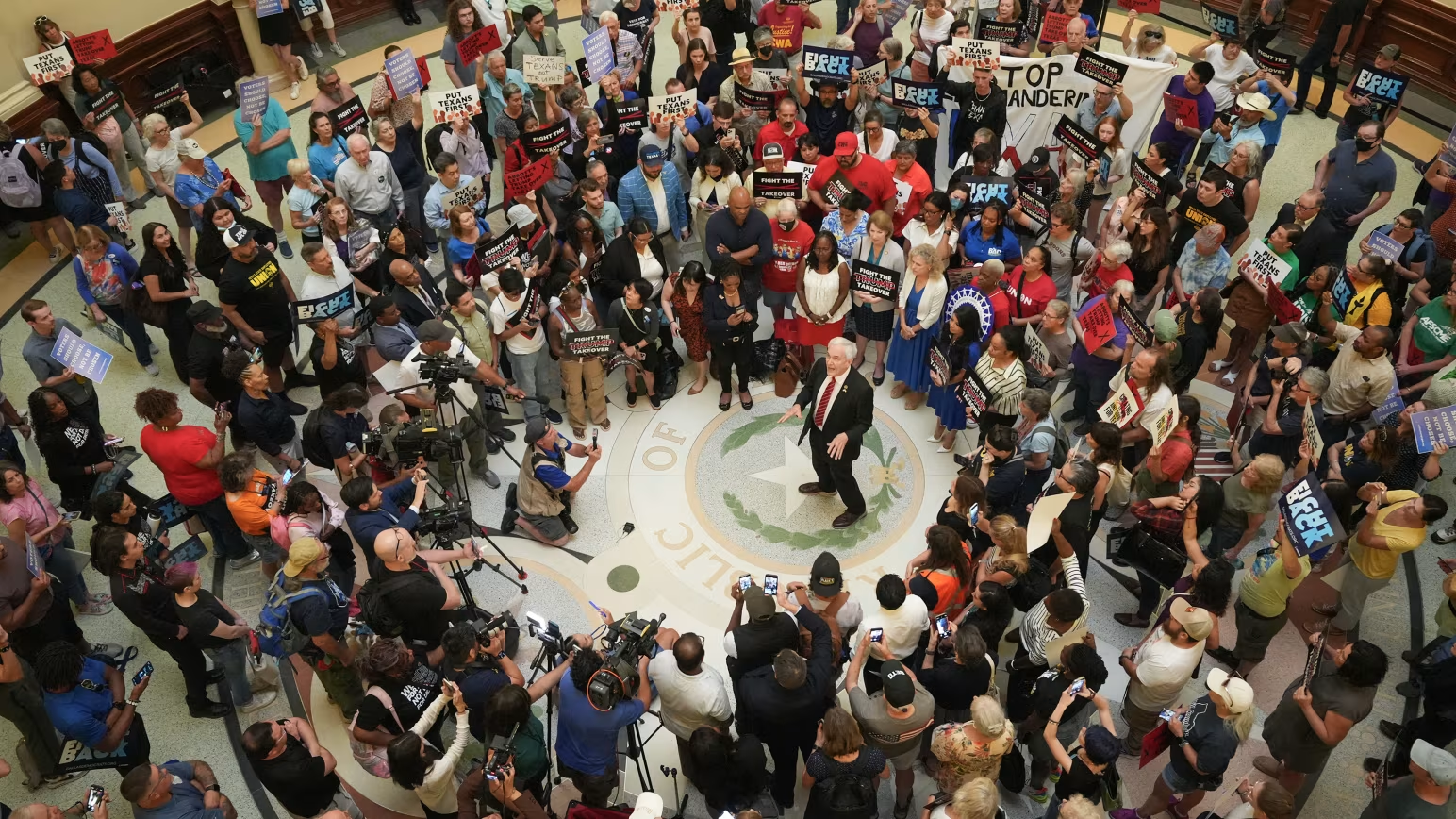
Why Trump’s Texas battle over the House could end up affecting every American
Entities mentioned:
- Donald Trump: Power, Control, Ambition
- Democratic Party: Competitive spirit, Self-preservation, Justice
- Republican Party: Power, Control, Competitive spirit
- Texas State Lawmakers (Democratic): Righteousness, Determination, Resistance
- Kathy Hochul: Competitive spirit, Determination, Power
- Gavin Newsom: Ambition, Competitive spirit, Justice
- Greg Abbott: Loyalty, Power, Control
- Mike Johnson: Power, Loyalty, Control
Article Assessment:
Credibility Score: 65/100
Bias Rating: 35/100 (Lean Left)
Sentiment Score: 30/100
Authoritarianism Risk: 55/100 (Mixed/Neutral)
Bias Analysis:
The article leans slightly left, focusing more on Democratic perspectives and strategies. While it mentions Republican actions, it frames them more negatively and gives more space to Democratic justifications.
Key metric: Electoral Integrity
As a social scientist, I analyze that this article highlights a significant escalation in the ongoing battle over redistricting and its impact on electoral integrity in the United States. The Democrats' shift towards more aggressive tactics in response to Republican gerrymandering efforts in Texas represents a potential turning point in how both parties approach electoral map-drawing. This development could have far-reaching consequences for the balance of power in the House of Representatives and the overall health of American democracy. The article suggests that Democrats are abandoning previous commitments to nonpartisan redistricting commissions in favor of a more combative approach, mirroring Republican tactics. This shift indicates a growing concern among Democrats about losing ground in the electoral landscape and a willingness to engage in similar practices they have previously criticized. The potential for a 'race to the bottom' in gerrymandering could further erode public trust in the electoral system and exacerbate political polarization. The focus on Texas as a battleground for this issue underscores the state's importance in national politics and its role as a bellwether for broader trends in electoral strategy.
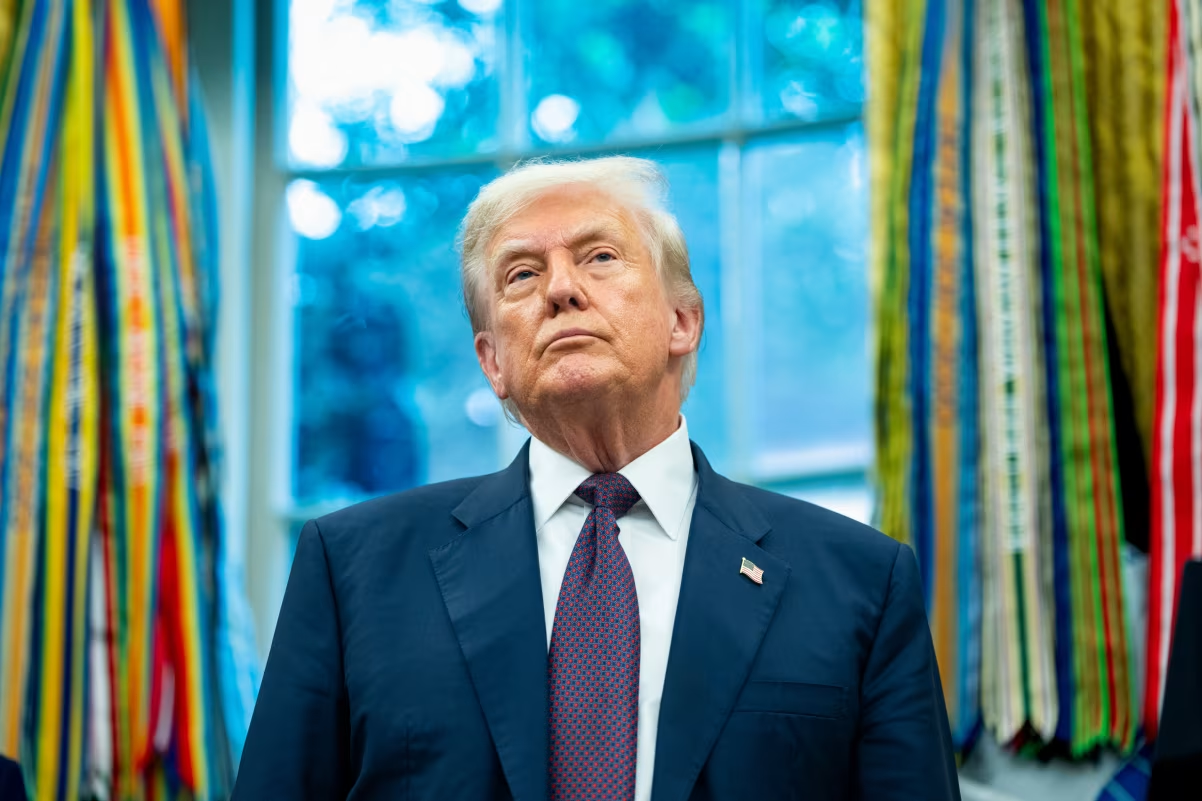
Trump may be forging progress in Ukraine or walking into Putin’s trap
Entities mentioned:
- Donald Trump: Ambition, Recognition, Legacy
- Vladimir Putin: Power, Control, Self-preservation
- Steve Witkoff: Duty, Influence, Loyalty
- Volodymyr Zelensky: Determination, Self-preservation, Unity
- David Salvo: Professional pride, Wariness, Duty
- John Bolton: Wariness, Professional pride, Duty
Article Assessment:
Credibility Score: 75/100
Bias Rating: 45/100 (Center)
Sentiment Score: 35/100
Authoritarianism Risk: 25/100 (Generally Democratic)
Bias Analysis:
The article presents multiple perspectives and voices, including critics of Trump's approach. While it leans slightly skeptical of Trump's optimism, it also acknowledges potential benefits, maintaining a relatively balanced stance.
Key metric: US Diplomatic Influence
As a social scientist, I analyze that this article highlights the complex interplay between US diplomatic efforts and the ongoing Ukraine conflict. Trump's approach to ending the war through direct engagement with Putin raises questions about the effectiveness and potential risks of such high-level diplomacy. The article suggests that while Trump's optimism about a potential breakthrough is high, there are significant doubts about Putin's true intentions and the likelihood of a genuine peace process. This situation could significantly impact US diplomatic influence, as the outcome of these proposed meetings could either enhance or diminish America's role in resolving international conflicts. The article also underscores the delicate balance between taking diplomatic risks and potentially being manipulated by adversaries, which could have long-lasting implications for US foreign policy and global stability.
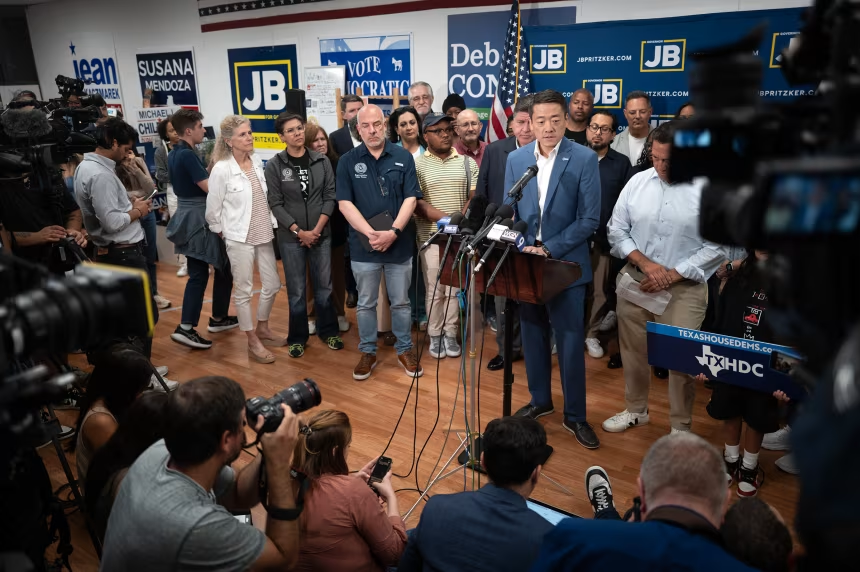
The FBI has been asked to help locate Texas House Democrats. One state lawmaker says officials would be breaking the law
Entities mentioned:
- Gene Wu: Determination, Righteousness, Self-preservation
- Texas House Democrats: Justice, Loyalty, Self-preservation
- Dustin Burrows: Control, Power, Duty
- John Cornyn: Ambition, Power, Competitive spirit
- Greg Abbott: Control, Power, Determination
- Ken Paxton: Ambition, Power, Competitive spirit
- JB Pritzker: Righteousness, Loyalty, Unity
- FBI: Duty, Control, Obligation
Article Assessment:
Credibility Score: 75/100
Bias Rating: 55/100 (Center)
Sentiment Score: 30/100
Authoritarianism Risk: 65/100 (Authoritarian Tendencies)
Bias Analysis:
The article presents multiple viewpoints and quotes from both Republican and Democratic figures. While it gives slightly more space to Democratic perspectives, it also includes detailed explanations of Republican actions and motivations.
Key metric: Political Polarization Index
As a social scientist, I analyze that this article highlights the intensifying political polarization in Texas and by extension, the United States. The use of extreme measures such as civil arrest warrants and attempts to involve federal law enforcement in a state legislative matter indicate a breakdown in normal democratic processes. This escalation of tactics could further erode trust in democratic institutions and increase partisan animosity. The involvement of multiple states and the potential use of federal resources in what is essentially an internal state issue also points to the nationalization of local politics, a trend that often exacerbates polarization. The contrasting approaches of different administrations (Bush vs. current) to similar situations also underscores how partisan politics is increasingly influencing the application of federal power.

Indiana’s Republican leaders won’t commit to redistricting after Vance visit
Entities mentioned:
- JD Vance: Power, Influence, Ambition
- Mike Braun: Wariness, Self-preservation, Loyalty
- Donald Trump: Power, Control, Ambition
- Todd Huston: Wariness, Self-preservation, Duty
- Rodric Bray: Wariness, Self-preservation, Duty
- Mitch Daniels: Righteousness, Legacy, Influence
- Frank Mrvan: Self-preservation, Determination, Duty
- André Carson: Self-preservation, Duty, Justice
- Matt Pierce: Justice, Moral outrage, Duty
Article Assessment:
Credibility Score: 75/100
Bias Rating: 45/100 (Center)
Sentiment Score: 35/100
Authoritarianism Risk: 65/100 (Authoritarian Tendencies)
Bias Analysis:
The article presents multiple viewpoints, including those of Republicans and Democrats. While it highlights the controversial nature of the redistricting effort, it maintains a relatively balanced tone, providing context and background information.
Key metric: Electoral Integrity
As a social scientist, I analyze that this article highlights a critical juncture in American democratic processes, specifically focusing on redistricting efforts in Indiana. The push for mid-cycle redistricting by the Trump administration threatens to undermine electoral integrity and further polarize the political landscape. This move, if successful, could significantly alter the balance of power in the U.S. House of Representatives, potentially swinging two Democratic seats to Republican control. The resistance from some Indiana Republican leaders, including former Governor Mitch Daniels, suggests a conflict between party loyalty and maintaining democratic norms. This situation exemplifies the broader national trend of intensifying partisan gerrymandering, which risks eroding public trust in electoral processes and representative democracy. The potential special session for redistricting also raises questions about the use of public resources for partisan gain. The Democrats' limited power to oppose such moves in Indiana further underscores the importance of checks and balances in maintaining democratic integrity.

What to expect next in Texas’ redistricting standoff and whether Democrats can be expelled
Entities mentioned:
- Texas Republicans: Power, Control, Loyalty
- Texas Democrats: Justice, Righteousness, Determination
- Gov. Greg Abbott: Power, Control, Ambition
- President Donald Trump: Power, Influence, Competitive spirit
- Vice President JD Vance: Ambition, Loyalty, Influence
- Dustin Burrows: Duty, Control, Loyalty
- Ken Paxton: Loyalty, Power, Ambition
- Gene Wu: Righteousness, Duty, Justice
- Brian Harrison: Ambition, Competitive spirit, Loyalty
- Ramón Romero: Justice, Righteousness, Determination
- Lulu Flores: Determination, Justice, Duty
- Richard Peña Raymond: Unity, Duty, Pragmatism
- Chad Dunn: Justice, Professional pride, Righteousness
- Quinn Yeargain: Professional pride, Curiosity, Justice
Article Assessment:
Credibility Score: 75/100
Bias Rating: 45/100 (Center)
Sentiment Score: 35/100
Authoritarianism Risk: 60/100 (Mixed/Neutral)
Bias Analysis:
The article presents both Republican and Democratic perspectives, quoting multiple sources from each side. While it leans slightly towards the Democratic viewpoint by giving more space to their justifications, it still maintains a relatively balanced approach.
Key metric: Electoral Integrity
As a social scientist, I analyze that this redistricting standoff in Texas highlights the intense political polarization and the struggle for power between Republicans and Democrats. The GOP's efforts to redraw districts in their favor and the Democrats' attempts to block this process by leaving the state demonstrate the high stakes of redistricting in shaping future electoral outcomes. This conflict raises significant concerns about the fairness of the electoral process and the potential for gerrymandering to undermine democratic representation. The legal threats and potential removal of elected officials further escalate the situation, potentially setting dangerous precedents for political retaliation. This redistricting battle in Texas could have far-reaching implications for electoral integrity across the United States, as other states watch and potentially follow suit in their own redistricting processes.
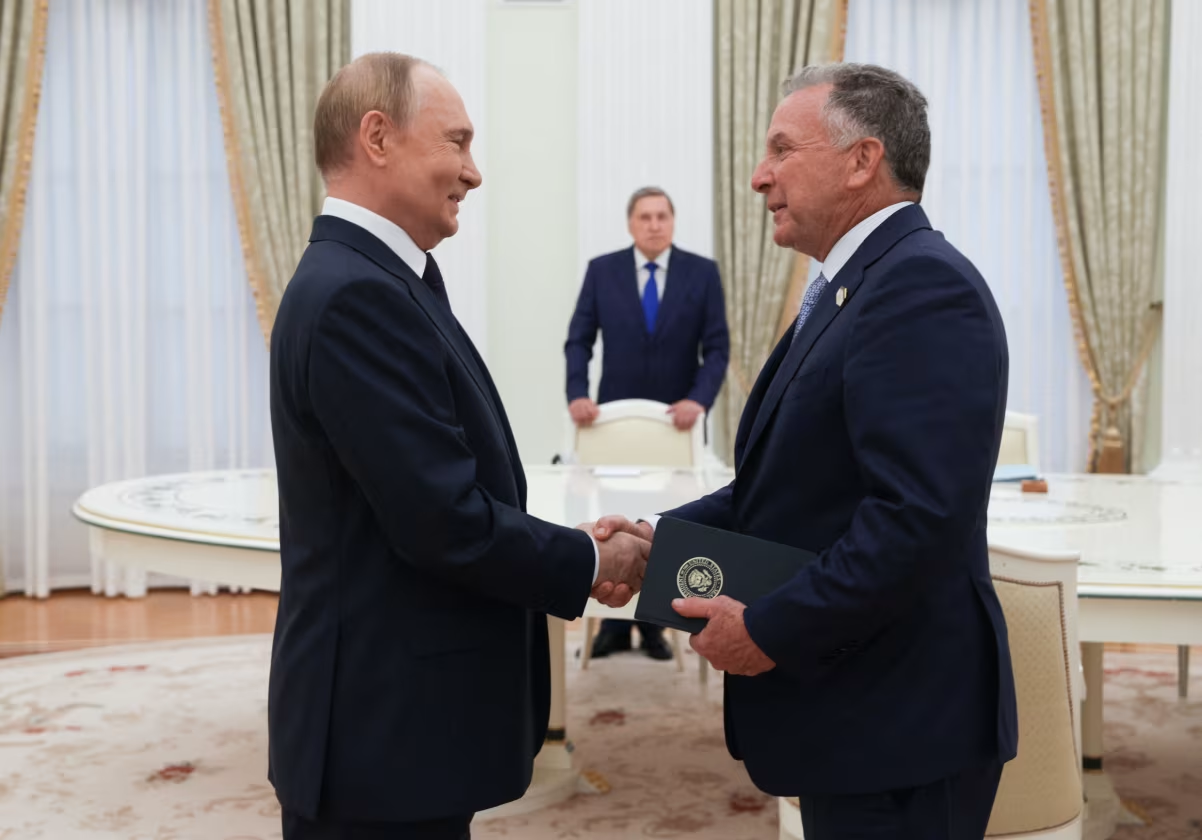
Witkoff meets with Putin as Trump’s sanctions threat looms
Entities mentioned:
- Donald Trump: Power, Control, Determination
- Steve Witkoff: Duty, Influence, Ambition
- Vladimir Putin: Power, Control, Self-preservation
- Volodymyr Zelensky: Self-preservation, Determination, Unity
- Kirill Dmitriev: Duty, Loyalty, Influence
- Dmitry Medvedev: Loyalty, Influence, Power
- Marco Rubio: Professional pride, Influence, Duty
- Scott Bessent: Duty, Influence, Professional pride
- Xi Jinping: Power, Influence, Unity
- Keith Kellogg: Duty, Influence, Professional pride
Article Assessment:
Credibility Score: 75/100
Bias Rating: 45/100 (Center)
Sentiment Score: 35/100
Authoritarianism Risk: 25/100 (Generally Democratic)
Bias Analysis:
The article presents multiple perspectives and cites various sources, including state media and unnamed officials. While it leans slightly towards a US-centric view, it attempts to provide balanced coverage of the complex situation.
Key metric: International Relations Score
As a social scientist, I analyze that this article highlights the complex dynamics of international relations, particularly between the US and Russia. The potential for new sanctions against Russia and the diplomatic efforts to avoid them demonstrate the delicate balance of power and negotiation in global politics. Trump's approach, combining threats of sanctions with diplomatic outreach, reflects a strategy of creating leverage. The involvement of other countries like China and India in Russian energy purchases adds layers of complexity to the situation. This diplomatic dance has significant implications for global stability, economic relations, and the ongoing conflict in Ukraine.
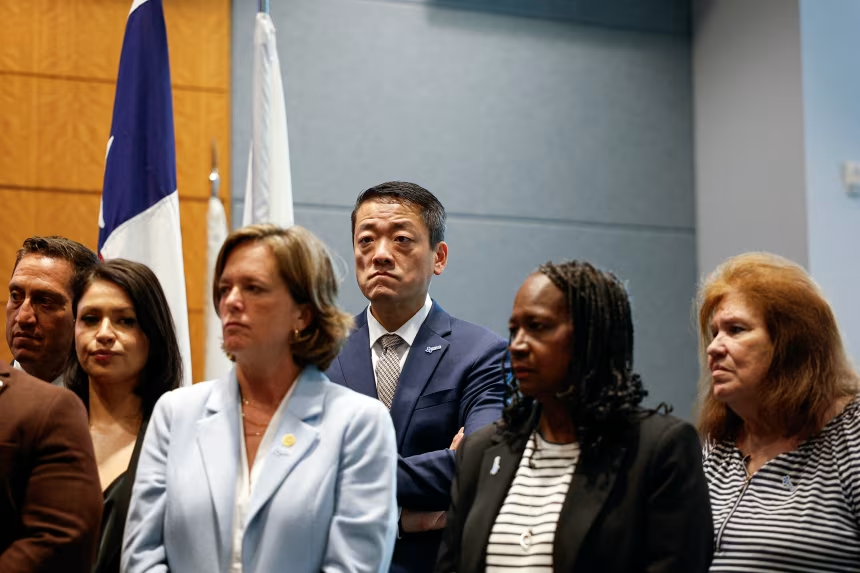
Texas House Dems faced potential bomb threat in Illinois, police say
Entities mentioned:
- Texas House Democrats: Determination, Justice, Duty
- St. Charles Police: Duty, Security, Professional pride
- Gene Wu: Unity, Determination, Security
- Ramón Romero: Unity, Determination, Security
- Barbara Gervin Hawkins: Unity, Determination, Security
- John Bucy: Determination, Justice, Indignation
- Ann Johnson: Determination, Justice, Indignation
- Ken Paxton: Power, Control, Righteousness
- JB Pritzker: Security, Duty, Justice
- Texas House Republicans: Power, Control, Competitive spirit
Article Assessment:
Credibility Score: 75/100
Bias Rating: 45/100 (Center)
Sentiment Score: 35/100
Authoritarianism Risk: 40/100 (Generally Democratic)
Bias Analysis:
The article presents statements from multiple sides, including Democrats and law enforcement. However, it gives more space to Democratic perspectives, which slightly tilts the overall tone.
Key metric: Political Polarization Index
As a social scientist, I analyze that this incident highlights the increasing political polarization in the United States, particularly in Texas. The evacuation of Texas House Democrats due to a bomb threat while in another state for a quorum break demonstrates the escalating tensions between political parties. The rhetoric used by officials, such as the Texas Attorney General's statement to 'hunt down' the Democrats, contributes to a climate of fear and hostility. This event may further entrench partisan divisions, potentially impacting legislative processes and democratic norms. The incident also raises concerns about the safety of elected officials and the potential chilling effect on political participation and discourse.

Trump administration to reinstall two Confederate statues
Entities mentioned:
- Trump administration: Control, Legacy, Pride
- Donald Trump: Power, Legacy, Influence
- US National Park Service: Duty, Obligation, Professional pride
- Pete Hegseth: Loyalty, Righteousness, Influence
- Glenn Youngkin: Pride, Legacy, Influence
- Biden administration: Justice, Unity, Righteousness
- Eleanor Holmes Norton: Justice, Moral outrage, Determination
Article Assessment:
Credibility Score: 75/100
Bias Rating: 55/100 (Center)
Sentiment Score: 35/100
Authoritarianism Risk: 65/100 (Authoritarian Tendencies)
Bias Analysis:
The article presents multiple viewpoints, including those supporting and opposing the reinstatement of Confederate monuments. However, there's a slight lean towards critical perspectives of the action, particularly in the detailed explanation of the monuments' controversial aspects.
Key metric: Social Cohesion
As a social scientist, I analyze that this article highlights a significant regression in social progress and national unity. The reinstatement of Confederate monuments, particularly in the aftermath of widespread protests against racial injustice, signals a deliberate attempt to reassert narratives that many view as supportive of systemic racism. This action is likely to exacerbate existing social tensions, potentially leading to decreased trust in government institutions and increased polarization among different demographic groups. The justification of these actions through executive orders and reinterpretations of historical narratives suggests a concerning trend towards using governmental power to shape public memory and national identity in ways that may marginalize certain communities. This could have long-term implications for social cohesion, civic engagement, and the collective understanding of American history.