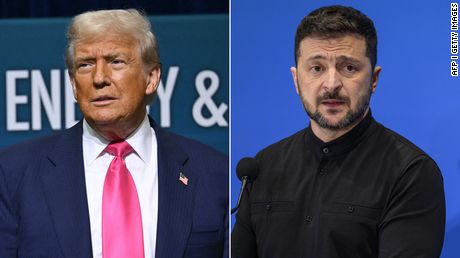
White House hasn’t ruled out Zelensky being in Alaska during Trump-Putin meeting on Friday
Entities mentioned:
- Donald Trump: Power, Legacy, Recognition
- Vladimir Putin: Power, Control, Influence
- JD Vance: Duty, Loyalty, Influence
- Volodymyr Zelensky: Self-preservation, Determination, Unity
- European leaders: Security, Influence, Unity
- Steve Witkoff: Duty, Influence, Professional pride
- Friedrich Merz: Unity, Influence, Security
- Marco Rubio: Duty, Influence, Professional pride
Article Assessment:
Credibility Score: 75/100
Bias Rating: 45/100 (Center)
Sentiment Score: 35/100
Authoritarianism Risk: 40/100 (Generally Democratic)
Bias Analysis:
The article presents multiple perspectives, including those of US, European, and Ukrainian officials, providing a balanced view. While it highlights concerns about Trump's approach, it also includes the administration's stance, maintaining a relatively neutral tone.
Key metric: International Diplomacy Effectiveness
As a social scientist, I analyze that this article highlights a significant shift in diplomatic dynamics surrounding the Russia-Ukraine conflict. The sudden announcement of a Trump-Putin meeting without clear inclusion of Ukraine or European allies raises concerns about the US's approach to resolving the conflict. This development could potentially impact the effectiveness of international diplomacy by sidelining key stakeholders and altering established negotiation frameworks. The rushed nature of the summit and the lack of transparency about its contents have prompted a flurry of diplomatic activity from European leaders, indicating a potential weakening of transatlantic cooperation. The exclusion of Zelensky from initial plans could undermine Ukraine's position and sovereignty in peace negotiations. This situation tests the cohesion of Western allies and their ability to present a united front in dealing with Russia, which could have long-term implications for global geopolitical balance and conflict resolution strategies.

Trump says he’ll be feeling out Putin as US officials rush to finalize details of Alaska summit
Entities mentioned:
- Donald Trump: Ambition, Legacy, Power
- Vladimir Putin: Power, Control, Influence
- Volodymyr Zelensky: Self-preservation, Justice, Determination
- Mark Rutte: Unity, Duty, Security
- Oksana Markarova: Duty, Loyalty, Unity
- Steve Witkoff: Duty, Influence, Ambition
- JD Vance: Duty, Influence, Ambition
- Lindsey Graham: Influence, Loyalty, Duty
- Friedrich Merz: Unity, Influence, Security
Article Assessment:
Credibility Score: 75/100
Bias Rating: 45/100 (Center)
Sentiment Score: 35/100
Authoritarianism Risk: 35/100 (Generally Democratic)
Bias Analysis:
The article presents multiple viewpoints and sources, including Trump, European leaders, and Ukrainian officials. While it leans slightly towards skepticism of Trump's approach, it generally maintains a balanced tone, providing context and varied perspectives.
Key metric: International Diplomacy Effectiveness
As a social scientist, I analyze that this article highlights the complex dynamics of international diplomacy surrounding the Russia-Ukraine conflict. Trump's approach to the summit with Putin demonstrates a high-stakes gamble in personal diplomacy, potentially bypassing traditional diplomatic channels. The exclusion of Zelensky from direct talks raises concerns about Ukraine's agency in its own future. European leaders' insistence on Ukraine's involvement and specific conditions for peace talks indicates a potential rift between US and European approaches. The rush to organize the summit and the lack of clear objectives suggest a potentially risky diplomatic strategy. The article also reveals the delicate balance of power and influence among world leaders, with each actor motivated by a mix of national interests, personal legacy, and geopolitical considerations.
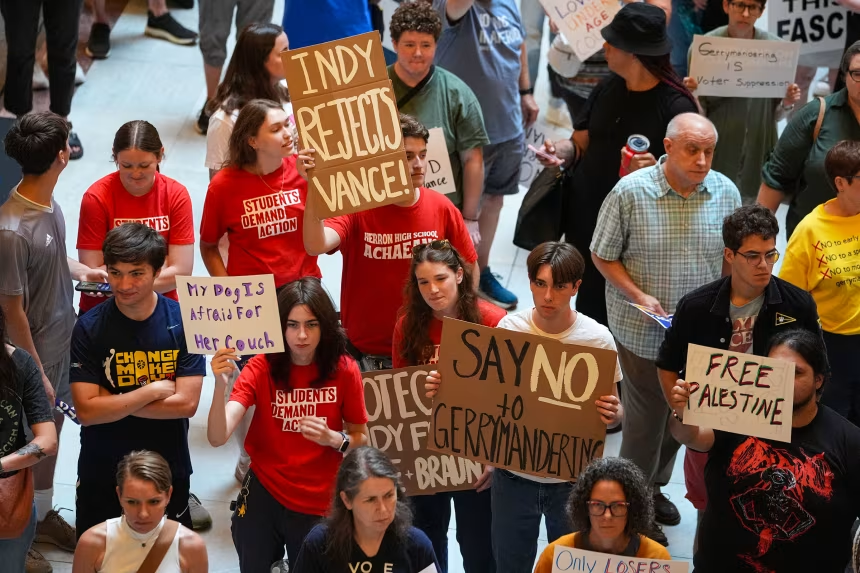
Republicans are going outside of Texas to try to redraw more US House seats
Entities mentioned:
- National Republicans: Power, Control, Competitive spirit
- Donald Trump: Power, Influence, Revenge
- JD Vance: Influence, Loyalty, Ambition
- GOP state lawmakers: Self-preservation, Wariness, Loyalty
- Democrats: Self-preservation, Justice, Competitive spirit
- Mike Braun: Wariness, Self-preservation, Loyalty
- Ralph Norman: Ambition, Competitive spirit, Power
- Nancy Mace: Self-preservation, Wariness, Professional pride
- Jim Clyburn: Self-preservation, Justice, Loyalty
- Mike Kehoe: Loyalty, Power, Competitive spirit
- Emanuel Cleaver: Self-preservation, Justice, Determination
- Daniel Perez: Power, Influence, Loyalty
- Ron DeSantis: Power, Ambition, Control
Article Assessment:
Credibility Score: 75/100
Bias Rating: 45/100 (Center)
Sentiment Score: 45/100
Authoritarianism Risk: 65/100 (Authoritarian Tendencies)
Bias Analysis:
The article presents a relatively balanced view, including perspectives from both Republicans and Democrats. While it focuses more on Republican strategies, it also mentions potential drawbacks and opposition, indicating an attempt at neutrality.
Key metric: Congressional Seat Distribution
As a social scientist, I analyze that this article highlights a concerted effort by Republican leadership to redraw congressional districts in multiple states to gain more GOP-friendly seats ahead of the 2026 midterm elections. This strategy, seemingly driven by Trump and his allies, aims to consolidate Republican power in the House of Representatives. The approach faces several challenges, including potential legal issues, resistance from some GOP state lawmakers, and the risk of spreading Republican votes too thin. The article showcases the tension between national party goals and local political realities, as well as the ongoing debate over the fairness and legality of redistricting practices. This redistricting push could significantly impact the balance of power in Congress and potentially alter the representation of minority communities, raising important questions about democratic representation and the long-term implications of partisan gerrymandering.
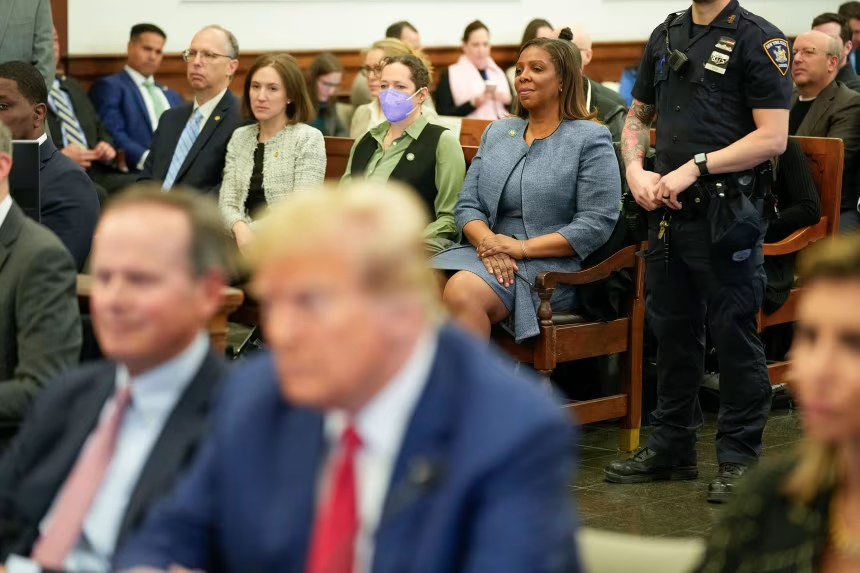
Justice Department opens investigation into New York attorney general who won civil fraud case against Trump
Entities mentioned:
- Justice Department: Power, Control, Justice
- Letitia James: Justice, Determination, Professional pride
- Donald Trump: Revenge, Self-preservation, Power
- Abbe Lowell: Loyalty, Righteousness, Indignation
- Trump Organization: Self-preservation, Greed, Power
- National Rifle Association: Self-preservation, Influence, Power
- Alina Habba: Loyalty, Ambition, Professional pride
- Wayne LaPierre: Greed, Power, Self-preservation
Article Assessment:
Credibility Score: 70/100
Bias Rating: 40/100 (Lean Left)
Sentiment Score: 30/100
Authoritarianism Risk: 65/100 (Authoritarian Tendencies)
Bias Analysis:
The article leans slightly left, presenting the investigation as potentially politically motivated. While it includes multiple perspectives, the framing and source selection appear more sympathetic to James' position.
Key metric: Rule of Law Index
As a social scientist, I analyze that this article highlights a concerning trend of potential political retaliation within the US justice system. The investigation into Letitia James, who successfully prosecuted a civil fraud case against Trump, raises questions about the separation of powers and the independence of the judiciary. This action could significantly impact the Rule of Law Index, as it suggests a possible abuse of executive power to target political opponents. The timing and nature of the investigation, coupled with similar probes into other Trump critics, indicate a pattern that could erode public trust in governmental institutions and the fair application of justice. This situation may lead to a decrease in the US Rule of Law Index score, particularly in factors related to constraints on government powers and absence of corruption.

4 possible outcomes of a gerrymandering battle royale
Entities mentioned:
- Texas Republicans: Power, Control, Competitive spirit
- Democrats: Justice, Competitive spirit, Power
- Donald Trump: Power, Control, Ambition
- Supreme Court: Justice, Duty, Influence
- Texas Democrats: Justice, Determination, Righteousness
- John Cornyn: Power, Loyalty, Competitive spirit
- Kevin Kiley: Justice, Duty, Self-preservation
- Mike Lawler: Justice, Duty, Self-preservation
Article Assessment:
Credibility Score: 75/100
Bias Rating: 45/100 (Center)
Sentiment Score: 30/100
Authoritarianism Risk: 65/100 (Authoritarian Tendencies)
Bias Analysis:
The article presents multiple perspectives and potential outcomes, indicating an attempt at balanced reporting. However, there's a slight lean towards criticizing Republican actions, which is balanced by acknowledging potential Democratic responses.
Key metric: Democratic Index
As a social scientist, I analyze that this article highlights a significant threat to the democratic process in the United States through the escalation of partisan gerrymandering. The potential for a 'gerrymandering arms race' could lead to instability in representative democracy, as districts may be redrawn more frequently for political gain rather than to reflect population changes. This practice undermines the principle of fair representation and could further polarize the political landscape. The article suggests that this trend could result in a continuous cycle of retaliatory redistricting, potentially eroding public trust in the electoral system and weakening the connection between representatives and their constituents. The proposed solutions, such as legislative action or political standoffs, seem unlikely to succeed in the current partisan climate, indicating a potential long-term negative impact on the Democratic Index of the United States.
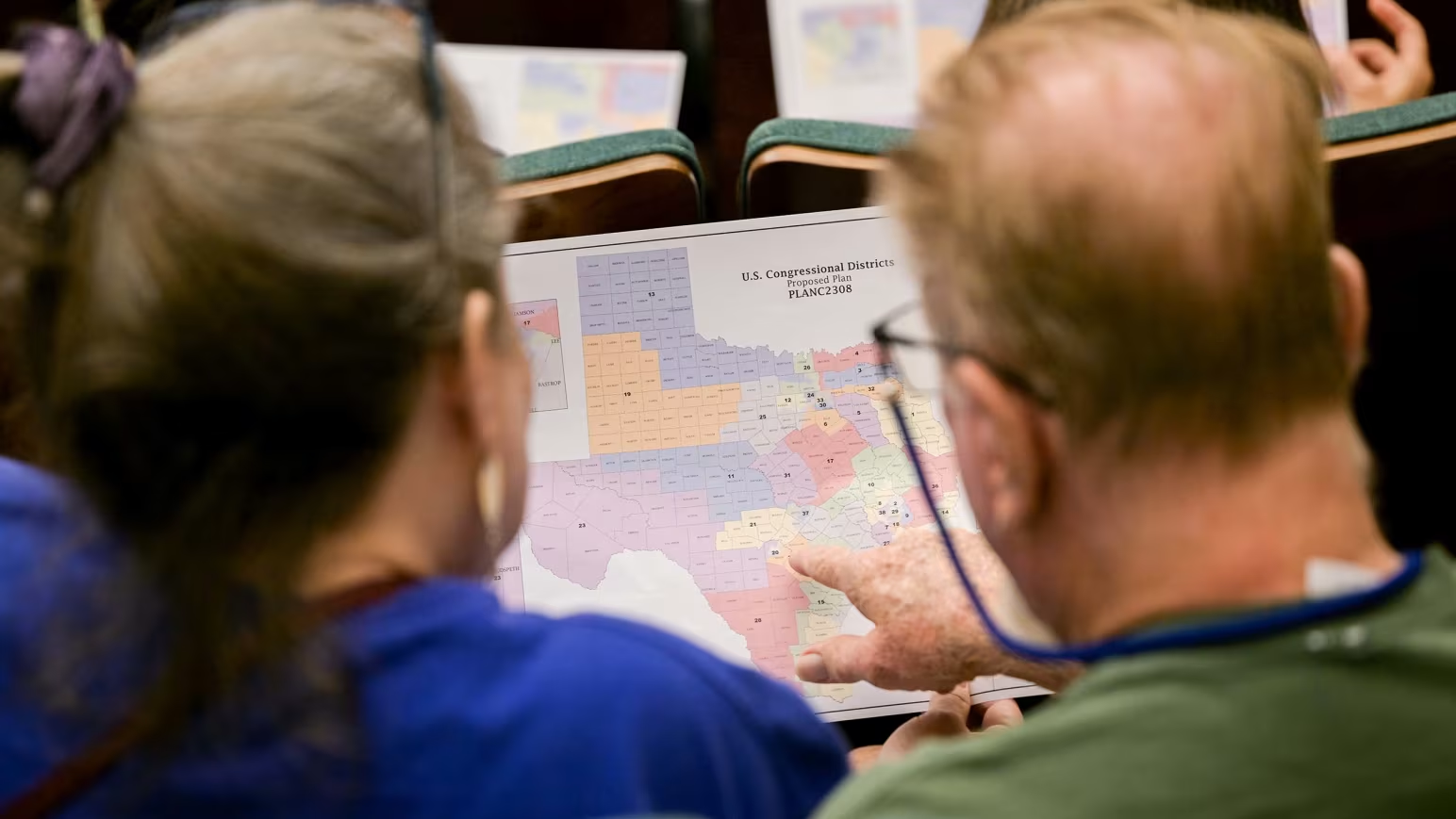
Democrats delay Texas redistricting again, escalating a standoff with GOP leaders
Entities mentioned:
- Texas Democrats: Justice, Determination, Moral outrage
- Texas Republicans: Power, Control, Ambition
- Gov. Greg Abbott: Power, Determination, Control
- House Speaker Dustin Burrows: Power, Control, Duty
- Attorney General Ken Paxton: Power, Ambition, Control
- Sen. John Cornyn: Power, Ambition, Loyalty
- Beto O'Rourke: Justice, Influence, Moral outrage
- Gov. Gavin Newsom: Competitive spirit, Power, Justice
- Gov. JB Pritzker: Justice, Moral outrage, Unity
Article Assessment:
Credibility Score: 75/100
Bias Rating: 55/100 (Center)
Sentiment Score: 30/100
Authoritarianism Risk: 65/100 (Authoritarian Tendencies)
Bias Analysis:
The article presents perspectives from both Democrats and Republicans, quoting multiple sources from each side. While it gives slightly more space to Democratic viewpoints, it also includes Republican justifications and actions, maintaining a relatively balanced approach.
Key metric: Voting Rights and Electoral Integrity
As a social scientist, I analyze that this article highlights a significant political conflict in Texas over redistricting, which has broader implications for national electoral politics. The standoff between Democrats and Republicans demonstrates the high stakes of redistricting in determining future political control. The Democrats' decision to deny quorum by leaving the state reflects the intensity of the conflict and their limited options within the legislative process. The Republicans' aggressive response, including threats of arrest and financial penalties, indicates the importance they place on passing their preferred maps. This conflict is part of a larger national trend of partisan redistricting battles, with potential ripple effects in other states. The involvement of federal officials and out-of-state governors further emphasizes the national significance of this state-level dispute. The conflict raises concerns about the fairness of the redistricting process and its impact on democratic representation, potentially eroding public trust in electoral systems and exacerbating political polarization.
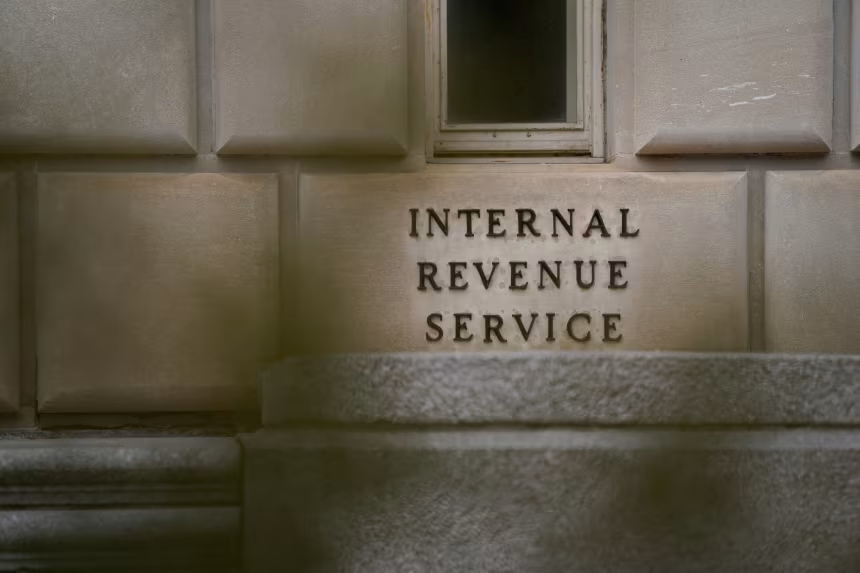
IRS begins sharing sensitive taxpayer data with immigration authorities to find undocumented migrants
Entities mentioned:
- Internal Revenue Service (IRS): Duty, Obligation, Wariness
- Department of Homeland Security (DHS): Control, Security, Determination
- President Donald Trump: Power, Control, Influence
- Treasury Department: Duty, Obligation, Cooperation
- Immigration and Customs Enforcement (ICE): Control, Security, Determination
- White House: Power, Control, Influence
- Billy Long: Professional pride, Duty
- Undocumented immigrants: Self-preservation, Security, Fear
Article Assessment:
Credibility Score: 75/100
Bias Rating: 55/100 (Center)
Sentiment Score: 35/100
Authoritarianism Risk: 65/100 (Authoritarian Tendencies)
Bias Analysis:
The article presents multiple perspectives, including government actions and potential impacts on immigrants. While it leans slightly critical of the policy, it includes official statements and balancing viewpoints, maintaining a relatively centrist approach.
Key metric: Immigration Enforcement Effectiveness
As a social scientist, I analyze that this data-sharing initiative between the IRS and DHS represents a significant shift in immigration enforcement strategy. The collaboration aims to enhance the government's ability to locate and potentially deport undocumented immigrants, which could substantially impact the Immigration Enforcement Effectiveness metric. However, the initial results (less than 5% match rate) suggest limited immediate effectiveness. This approach may have unintended consequences, such as eroding trust in the IRS among immigrant communities and potentially reducing voluntary tax compliance. The policy also raises ethical concerns about the use of sensitive tax information for purposes beyond its original intent, which could have broader implications for citizen privacy and government data use.
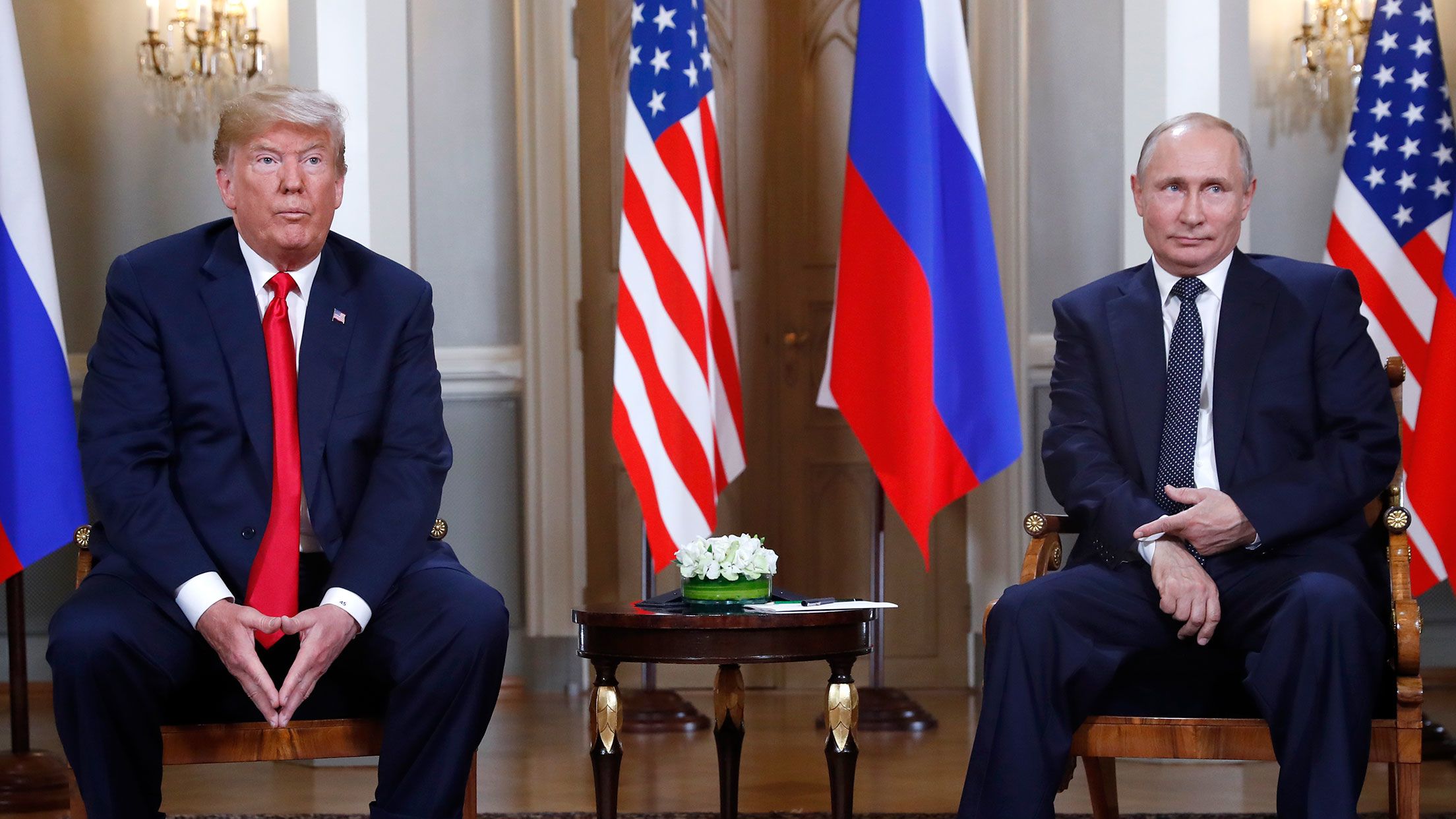
Trump says he’ll meet Putin in Alaska next week
Entities mentioned:
- Donald Trump: Ambition, Power, Legacy
- Vladimir Putin: Power, Control, Influence
- Volodymyr Zelensky: Determination, Loyalty, Self-preservation
- Steve Witkoff: Duty, Influence, Obligation
- Marco Rubio: Duty, Influence, Professional pride
- Yury Ushakov: Duty, Loyalty, Professional pride
Article Assessment:
Credibility Score: 75/100
Bias Rating: 45/100 (Center)
Sentiment Score: 45/100
Authoritarianism Risk: 55/100 (Mixed/Neutral)
Bias Analysis:
The article presents multiple viewpoints and sources, including Trump, Putin, Zelensky, and European officials. It maintains a relatively neutral tone, though it does highlight some concerns about the proposed peace deal.
Key metric: International Relations and Diplomacy
As a social scientist, I analyze that this article highlights a significant shift in US-Russia relations and potential global geopolitical dynamics. The proposed meeting between Trump and Putin, along with the suggested peace deal for Ukraine, could have far-reaching implications for international diplomacy, territorial sovereignty, and the balance of power in Eastern Europe. The article reveals complex negotiations involving multiple stakeholders, each with their own motivations and constraints. The potential territorial concessions from Ukraine are particularly contentious and could set a dangerous precedent for future conflicts. The article also underscores the tensions between realpolitik approaches to conflict resolution and principles of national sovereignty and international law.

Paxton and Cornyn, facing off for Senate, use their official powers in Texas redistricting fight
Entities mentioned:
- Ken Paxton: Power, Ambition, Control
- John Cornyn: Power, Competitive spirit, Self-preservation
- Texas House Democrats: Justice, Righteousness, Determination
- Greg Abbott: Control, Power, Determination
- Beto O'Rourke: Justice, Influence, Recognition
- Dustin Burrows: Control, Duty, Determination
Article Assessment:
Credibility Score: 75/100
Bias Rating: 55/100 (Center)
Sentiment Score: 30/100
Authoritarianism Risk: 65/100 (Authoritarian Tendencies)
Bias Analysis:
The article presents perspectives from both Republican and Democratic sides, quoting various officials. While it gives slightly more space to Republican actions, it also includes Democratic responses, maintaining a relatively balanced approach.
Key metric: Political Polarization Index
As a social scientist, I analyze that this article highlights the intensifying political polarization in Texas, particularly surrounding the redistricting issue. The use of official powers by both Republican and Democratic figures to pressure or support the absent Democrats demonstrates an escalation of partisan tactics. This situation likely increases the Political Polarization Index by showcasing the widening gap between parties and the willingness to use extraordinary measures to achieve political goals. The involvement of federal agencies (FBI) in a state matter further emphasizes the nationalization of local political disputes, potentially exacerbating divisions. The article also illustrates how this conflict is shaping future political races, suggesting long-term impacts on partisan dynamics in Texas and potentially nationally.
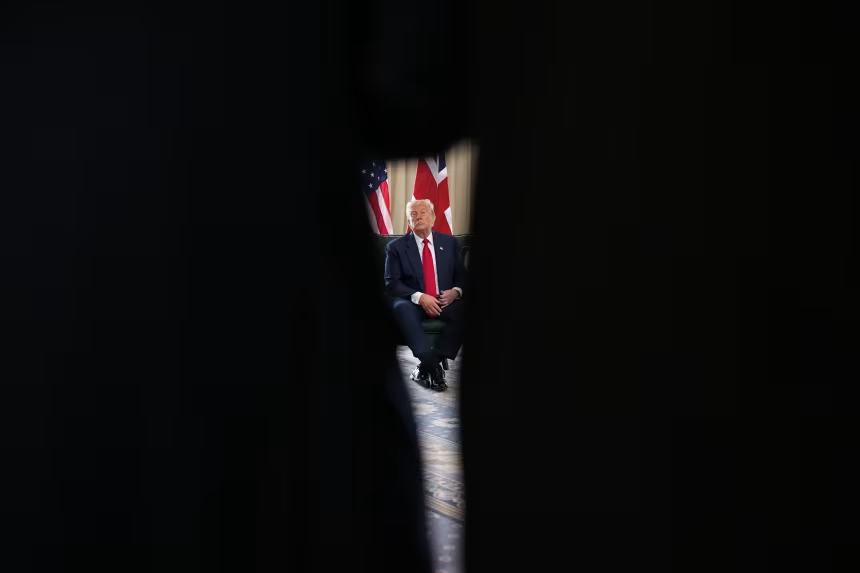
Trump’s legal retribution tour is getting more blatant
Entities mentioned:
- Donald Trump: Revenge, Power, Control
- Pam Bondi: Loyalty, Duty, Ambition
- Letitia James: Justice, Determination, Professional pride
- Adam Schiff: Justice, Duty, Moral outrage
- Barack Obama: Legacy, Duty, Self-preservation
- James Comey: Duty, Justice, Self-preservation
- John Brennan: Duty, Professional pride, Self-preservation
- Liz Cheney: Duty, Moral outrage, Justice
- Eugene Vindman: Duty, Moral outrage, Justice
- Alexander Vindman: Duty, Moral outrage, Justice
- Jack Smith: Justice, Duty, Professional pride
- Miles Taylor: Moral outrage, Duty, Justice
- Christopher Krebs: Duty, Professional pride, Justice
Article Assessment:
Credibility Score: 70/100
Bias Rating: 35/100 (Lean Left)
Sentiment Score: 25/100
Authoritarianism Risk: 65/100 (Authoritarian Tendencies)
Bias Analysis:
The article leans left in its framing, presenting Trump's actions in a critical light. While it presents factual information, the tone and selection of examples suggest a skeptical view of the Trump administration's motivations.
Key metric: Rule of Law Index
As a social scientist, I analyze that this article highlights a concerning pattern of potential retaliatory legal actions against individuals who have previously investigated or criticized former President Trump. This systematic targeting of political opponents and investigators through the legal system poses a significant threat to the Rule of Law Index in the United States. Such actions can erode public trust in the justice system, discourage whistleblowers and investigators from coming forward, and potentially lead to a chilling effect on political dissent. The apparent use of legal mechanisms for political retaliation undermines the principle of equal application of the law and suggests a troubling trend towards weaponizing the justice system for personal or political gain. This could have long-lasting implications for the strength and independence of democratic institutions in the country.