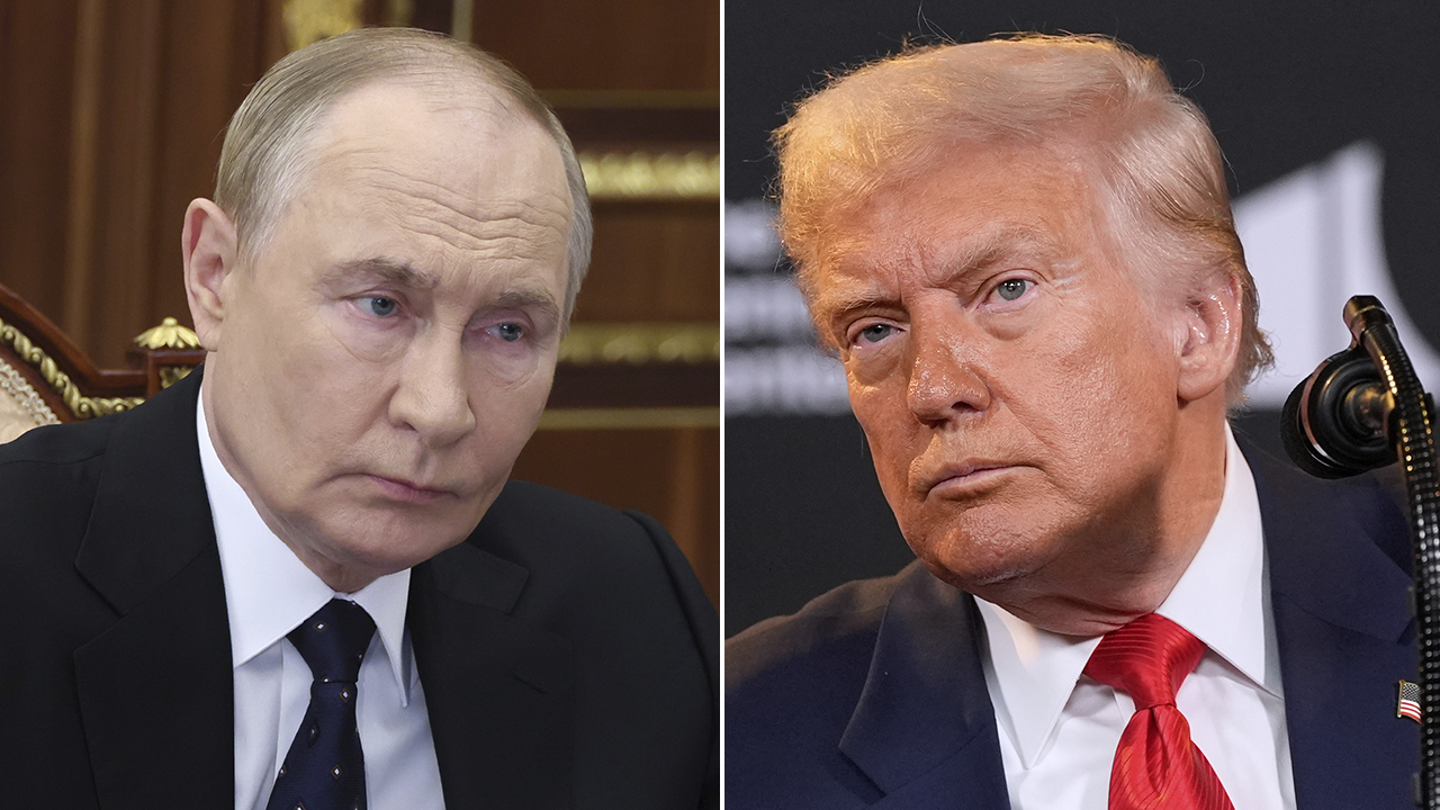
Trump threatens 'very severe' consequences if Russia doesn't agree to end Ukraine war
Entities mentioned:
- Donald Trump: Power, Influence, Recognition
- Vladimir Putin: Power, Control, Self-preservation
- Joe Biden: Duty, Influence, Legacy
- Volodymyr Zelenskyy: Determination, Unity, Justice
- Russia: Power, Control, Self-preservation
- Ukraine: Self-preservation, Freedom, Justice
- United States: Influence, Security, Duty
Article Assessment:
Credibility Score: 70/100
Bias Rating: 55/100 (Center)
Sentiment Score: 30/100
Authoritarianism Risk: 35/100 (Generally Democratic)
Bias Analysis:
The article presents multiple perspectives, including Trump's, Zelenskyy's, and implied Russian actions. While it focuses more on Trump's statements, it provides context and counterpoints, maintaining a relatively balanced approach.
Key metric: International Diplomacy Effectiveness
As a social scientist, I analyze that this article highlights the complex dynamics of international diplomacy and conflict resolution. Trump's threat of 'very severe consequences' for Russia demonstrates an attempt to leverage U.S. power in negotiations, but also reveals a potential lack of concrete strategy. The mention of previous ineffective conversations with Putin suggests limitations in diplomatic efforts. Zelenskyy's statement reinforces the ongoing nature of the conflict and the need for coordinated international pressure. The article indicates a challenging diplomatic landscape where threats and negotiations have yet to yield significant progress in ending the Ukraine war, impacting the U.S.'s perceived effectiveness in international conflict resolution.
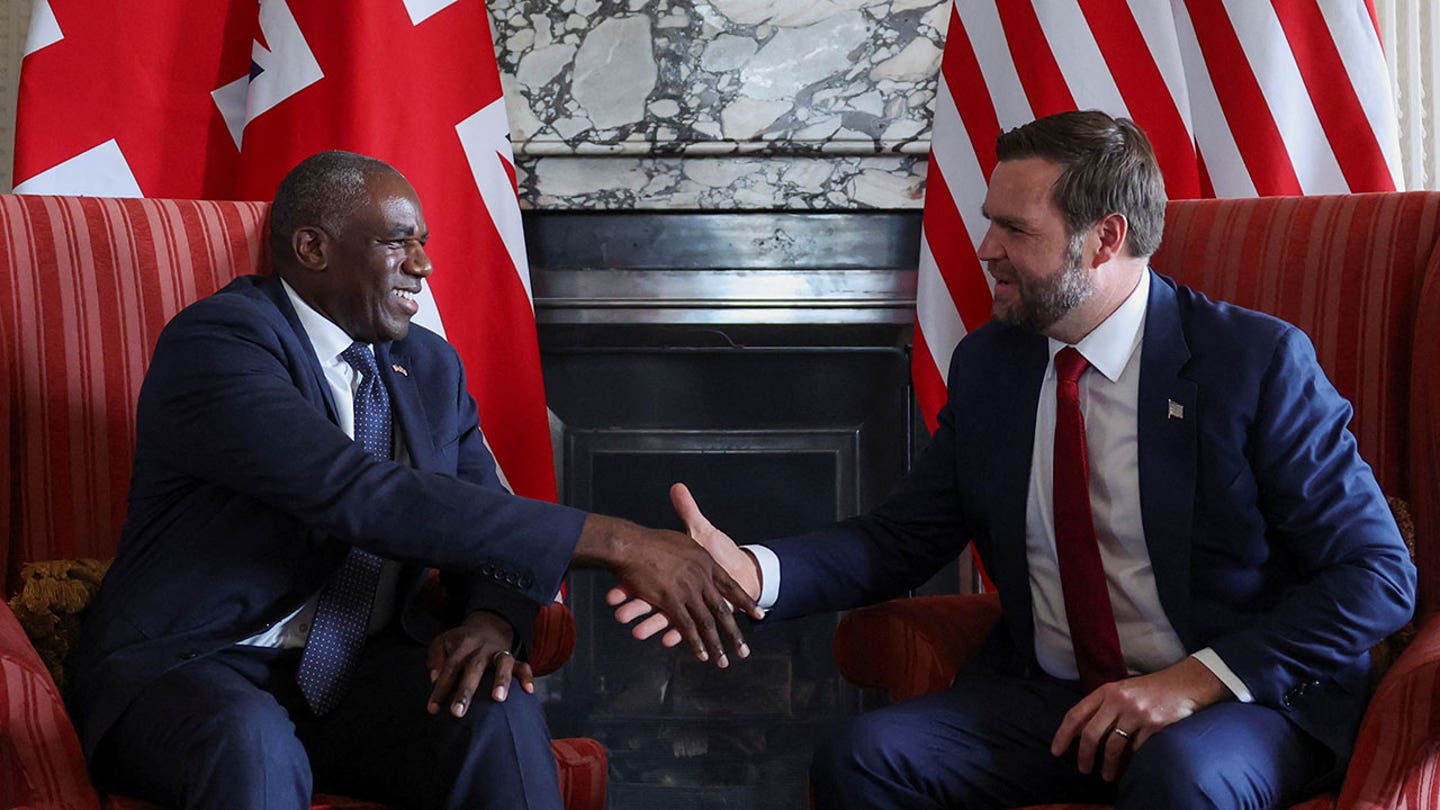
Vance: Adversaries are ‘afraid’ of US military, and that makes tough talks like Putin possible
Entities mentioned:
- JD Vance: Influence, Righteousness, Power
- Donald Trump: Power, Recognition, Control
- Vladimir Putin: Power, Control, Self-preservation
- U.S. Military: Duty, Professional pride, Deterrence
- European leaders: Security, Unity, Self-preservation
- Volodymyr Zelenskyy: Determination, Self-preservation, Unity
Article Assessment:
Credibility Score: 70/100
Bias Rating: 65/100 (Lean Right)
Sentiment Score: 55/100
Authoritarianism Risk: 45/100 (Mixed/Neutral)
Bias Analysis:
The article leans right, focusing heavily on the Trump administration's perspective and Vance's militaristic rhetoric. It presents a unilateral view of negotiations and U.S. strength, with limited counterbalancing viewpoints or critical analysis of the approach.
Key metric: U.S. Global Military Influence
As a social scientist, I analyze that this article emphasizes the perceived strength of the U.S. military as a key factor in international negotiations, particularly regarding the Russia-Ukraine conflict. Vice President Vance's rhetoric suggests a shift towards a more assertive foreign policy stance, leveraging military prowess as a negotiation tool. The administration's approach appears to be recalibrating U.S. involvement in the Ukraine conflict, pushing for greater European responsibility. This stance could potentially impact U.S. global military influence by altering the dynamics of NATO alliances and the perception of U.S. commitment to European security. The emphasis on bilateral talks between Trump and Putin, bypassing multilateral frameworks, indicates a potential realignment of diplomatic strategies that could have far-reaching consequences for U.S. global military positioning and influence.
DAVID MARCUS: Trump understands that safety is for every citizen, not just the lucky few
Entities mentioned:
- Donald Trump: Ambition, Power, Legacy
- Democrats: Competitive spirit, Loyalty, Control
- Sen. Sheldon Whitehouse: Righteousness, Loyalty, Indignation
- Rep. Eric Swalwell: Competitive spirit, Recognition, Influence
- Rudy Giuliani: Determination, Legacy, Professional pride
- Mayor Muriel Bowser: Duty, Security, Pragmatism
Article Assessment:
Credibility Score: 45/100
Bias Rating: 75/100 (Lean Right)
Sentiment Score: 65/100
Authoritarianism Risk: 65/100 (Authoritarian Tendencies)
Bias Analysis:
The article heavily favors Trump's perspective and criticizes Democrats, using loaded language and selective examples. It presents a one-sided view of the crime situation and policy responses, aligning closely with right-wing talking points.
Key metric: Violent Crime Rate
As a social scientist, I analyze that this article focuses on President Trump's initiative to address crime in Washington D.C., framing it as a bold and necessary action. The article draws parallels to historical figures and past successful crime reduction efforts, particularly Rudy Giuliani's work in New York City. It portrays Democrats as obstructionist and out of touch with the realities of crime, while painting Trump as a decisive leader addressing a critical issue. The emphasis on public safety as a fundamental right and governmental responsibility is central to the article's argument. This initiative could potentially impact the violent crime rate in D.C. and, by extension, influence national crime statistics and policies. However, the article's strong partisan framing and lack of diverse perspectives limit its comprehensive analysis of the complex factors contributing to urban crime rates.
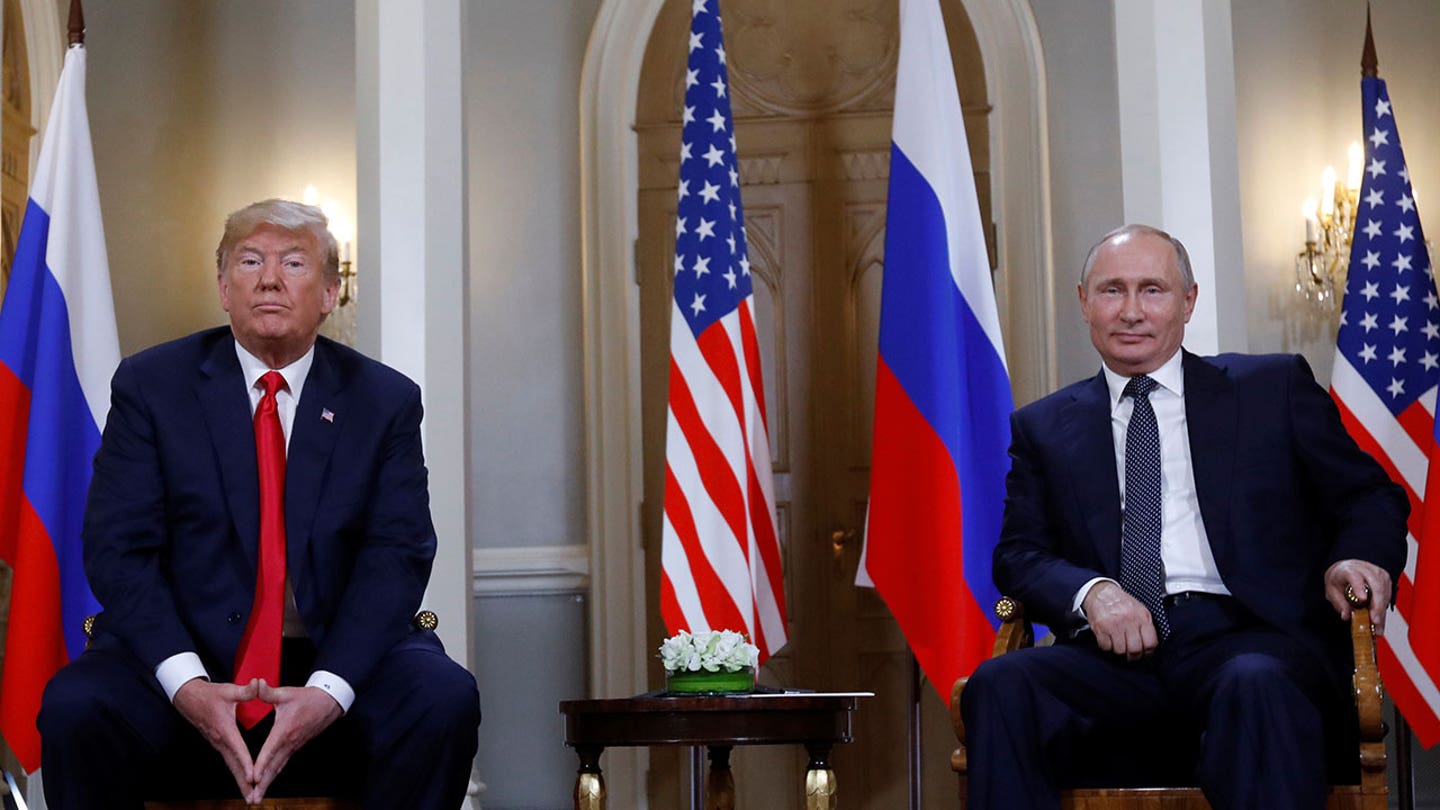
What we know about Trump’s meeting with Vladimir Putin in Alaska
Entities mentioned:
- Donald Trump: Ambition, Legacy, Power
- Vladimir Putin: Power, Control, Influence
- Volodymyr Zelenskyy: Determination, Righteousness, Self-preservation
- Karoline Leavitt: Duty, Loyalty, Professional pride
- Kaja Kallas: Security, Unity, Justice
- Dan Hoffman: Professional pride, Wariness, Curiosity
- Kirill Dmitriev: Influence, Loyalty, Pride
- Recep Tayyip Erdoğan: Influence, Recognition, Power
Article Assessment:
Credibility Score: 75/100
Bias Rating: 55/100 (Center)
Sentiment Score: 45/100
Authoritarianism Risk: 35/100 (Generally Democratic)
Bias Analysis:
The article presents multiple perspectives and quotes from various sources, indicating an attempt at balanced reporting. However, there's a slight lean towards emphasizing Western viewpoints and concerns, particularly those of Ukraine and its allies.
Key metric: International Relations and Diplomacy
As a social scientist, I analyze that this article highlights a significant diplomatic event with potential far-reaching consequences for international relations, particularly regarding the ongoing conflict in Ukraine. The proposed meeting between Trump and Putin in Alaska represents a high-stakes attempt at conflict resolution, bypassing traditional diplomatic channels and raising questions about the roles of other key stakeholders, especially Ukraine and European allies. The article underscores the complexities of international negotiations, the delicate balance of power dynamics, and the potential risks and opportunities in direct leader-to-leader diplomacy. It also reflects the ongoing tensions between national interests, territorial integrity, and the challenges of achieving lasting peace in a complex geopolitical landscape.
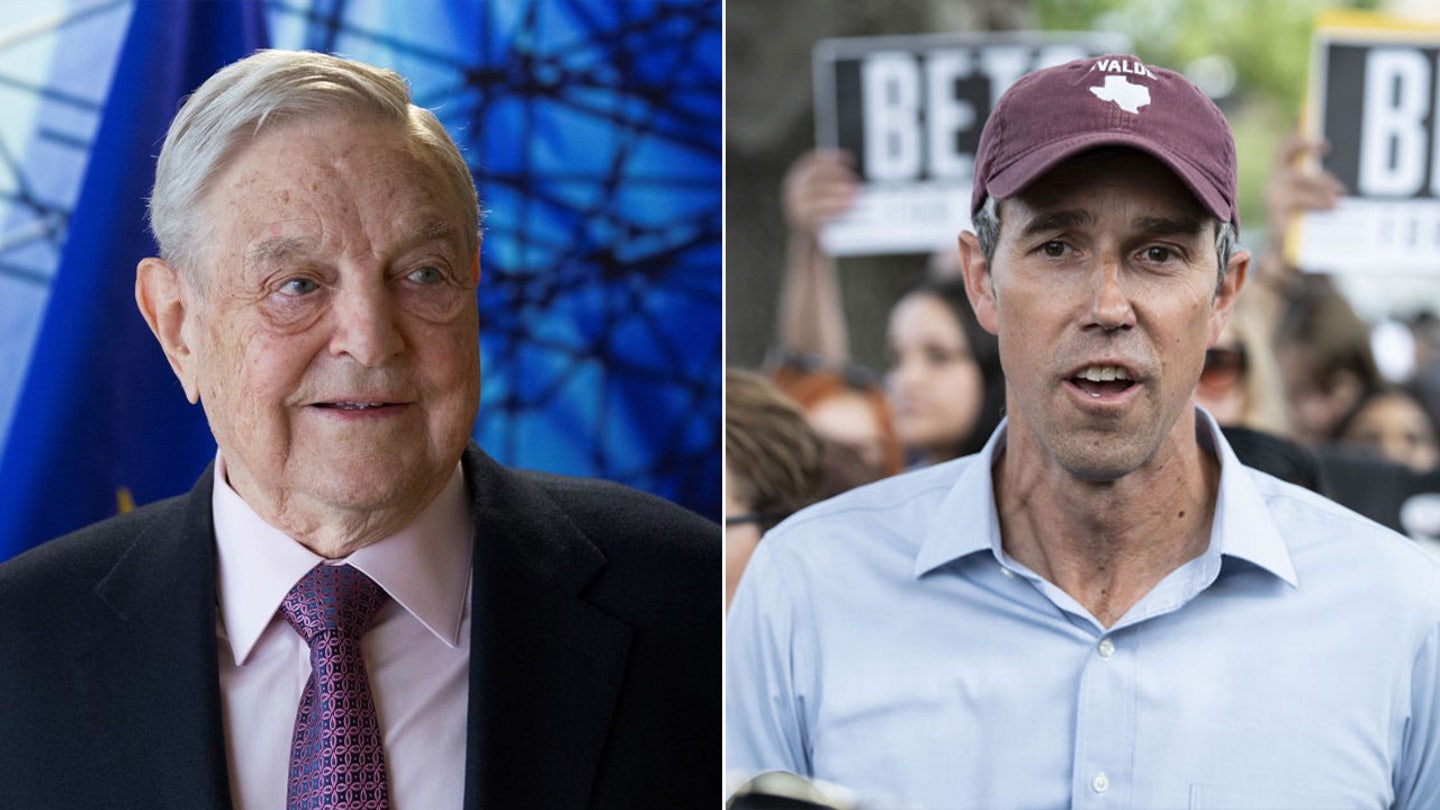
O'Rourke, Soros-linked groups face call for DOJ probe over alleged funding of Texas Dem walkout
Entities mentioned:
- John Cornyn: Justice, Duty, Righteousness
- Beto O'Rourke: Influence, Power, Unity
- George Soros: Influence, Power, Legacy
- Texas Democrats: Determination, Righteousness, Moral outrage
- Greg Abbott: Control, Power, Duty
- Ken Paxton: Ambition, Justice, Competitive spirit
- Department of Justice: Justice, Duty, Control
Article Assessment:
Credibility Score: 65/100
Bias Rating: 75/100 (Lean Right)
Sentiment Score: 30/100
Authoritarianism Risk: 55/100 (Mixed/Neutral)
Bias Analysis:
The article leans right, evidenced by its 'FIRST ON FOX' claim and focus on Republican perspectives. It presents Democratic actions negatively while highlighting Republican efforts to investigate and stop them.
Key metric: Political Polarization Index
As a social scientist, I analyze that this article highlights increasing political polarization in Texas and nationally. The conflict over redistricting and the dramatic actions taken by Texas Democrats to prevent it demonstrate deep partisan divides. The involvement of high-profile political figures and PACs in funding and supporting these actions further intensifies the polarization. The calls for federal investigation into the funding of the Democrats' exodus suggest a potential escalation of the conflict beyond state borders, which could contribute to broader national political tensions. This situation may lead to decreased trust in democratic processes and institutions, potentially impacting voter turnout and civic engagement in future elections.
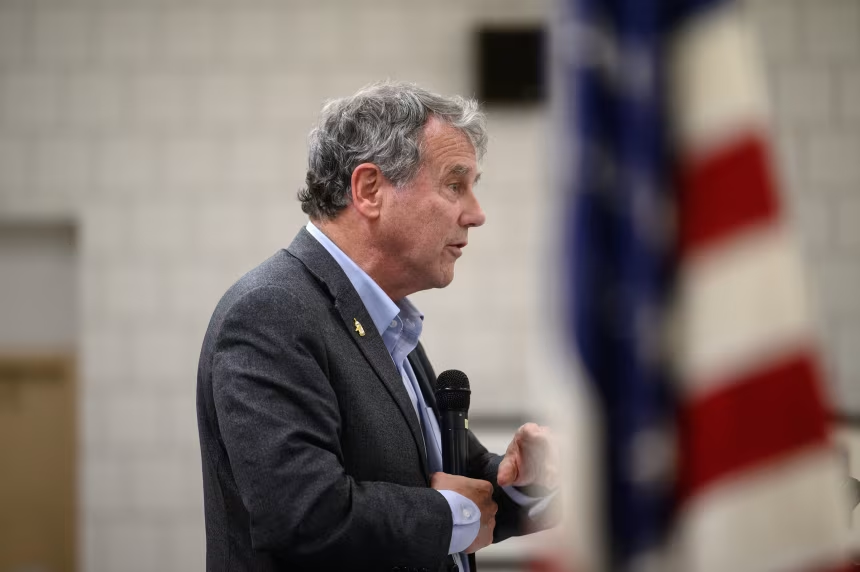
Sherrod Brown to run for US Senate in 2026, hoping to win back Ohio seat
Entities mentioned:
- Sherrod Brown: Ambition, Determination, Revenge
- Jon Husted: Power, Loyalty, Self-preservation
- Democratic Party: Power, Control, Unity
- Republican Party: Power, Control, Competitive spirit
- Mike DeWine: Loyalty, Power, Control
- JD Vance: Ambition, Power, Influence
- Roy Cooper: Ambition, Influence, Duty
- Donald Trump: Power, Influence, Control
- Cory Gardner: Loyalty, Competitive spirit, Power
Article Assessment:
Credibility Score: 75/100
Bias Rating: 45/100 (Center)
Sentiment Score: 50/100
Authoritarianism Risk: 20/100 (Strongly Democratic)
Bias Analysis:
The article presents information from both Democratic and Republican perspectives, giving a balanced view of the Senate race. While it focuses more on Brown's decision, it also includes Republican responses and mentions challenges faced by both parties.
Key metric: Senate Party Control
As a social scientist, I analyze that this article highlights the ongoing struggle for control of the US Senate, with Sherrod Brown's potential candidacy in Ohio representing a key battleground. The Democrats' uphill battle to gain Senate control is emphasized, reflecting the changing political landscape in states like Ohio. Brown's decision to run again after a previous defeat demonstrates the high stakes and personal motivations involved in these races. The article also underscores the importance of candidate recruitment and strategic planning by both parties in their efforts to secure or maintain Senate control. The mention of other competitive races and potential flips further illustrates the complex, multi-state nature of the battle for Senate majority. This situation could significantly impact legislative agendas, policy-making, and the balance of power between the executive and legislative branches in the coming years.
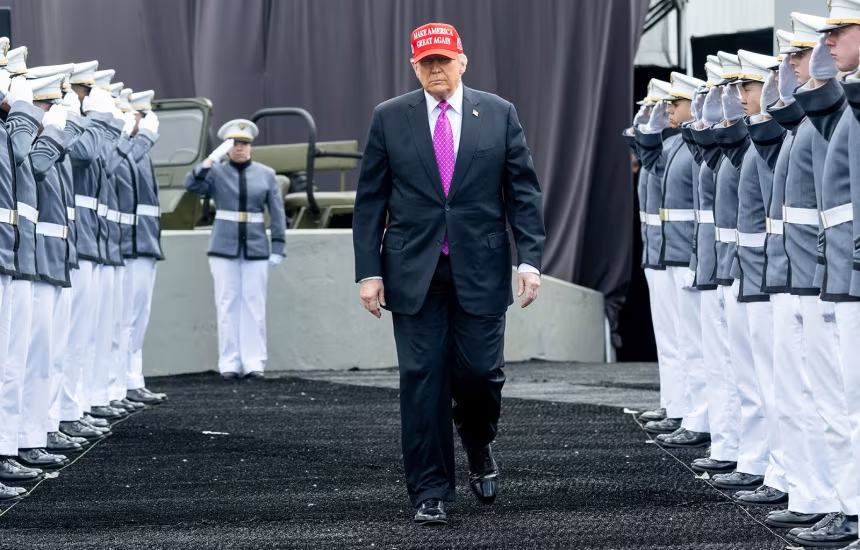
Anti-affirmative action group drops lawsuits against West Point and Air Force Academy after policy changes
Entities mentioned:
- Students for Fair Admissions (SFFA): Justice, Righteousness, Competitive spirit
- Donald Trump: Power, Control, Influence
- West Point: Duty, Professional pride, Obligation
- Air Force Academy: Duty, Professional pride, Obligation
- Pam Bondi: Righteousness, Influence, Control
- Edward Blum: Justice, Righteousness, Determination
- Supreme Court: Justice, Duty, Influence
- Biden administration: Unity, Influence, Duty
- Elizabeth Prelogar: Duty, Professional pride, Security
Article Assessment:
Credibility Score: 75/100
Bias Rating: 55/100 (Center)
Sentiment Score: 45/100
Authoritarianism Risk: 35/100 (Generally Democratic)
Bias Analysis:
The article presents multiple perspectives on the issue, including views from both sides of the affirmative action debate. While it gives slightly more space to the anti-affirmative action stance, it also includes counterarguments, maintaining a relatively balanced approach.
Key metric: Military Readiness and Diversity
As a social scientist, I analyze that this article highlights a significant shift in military academy admissions policies, moving away from considering race as a factor. This change, driven by the Trump administration and supported by anti-affirmative action groups, could potentially impact the diversity of the officer corps in the U.S. military. The dropping of lawsuits by Students for Fair Admissions (SFFA) suggests a victory for those opposing race-conscious admissions policies. However, this shift raises concerns about the military's ability to maintain a diverse officer corps that reflects the enlisted ranks and the broader population. The article presents competing viewpoints on the importance of diversity in military leadership, with the Biden administration previously arguing for its critical role in national security. This policy change may have long-term implications for military cohesion, leadership representation, and overall effectiveness, potentially affecting the key metric of Military Readiness and Diversity.
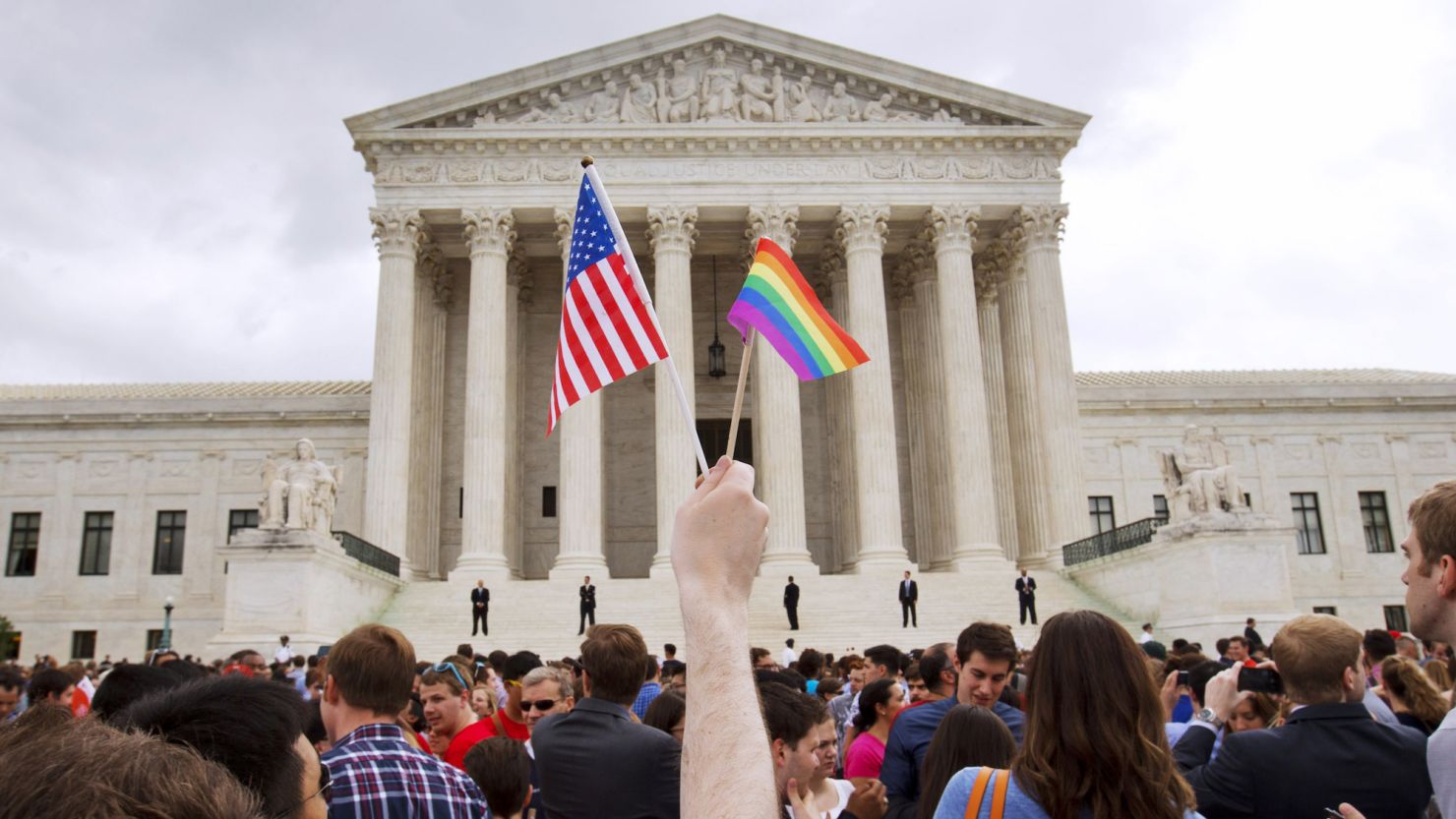
The Supreme Court blessed same-sex marriage 10 years ago. Is a backlash brewing?
Entities mentioned:
- Supreme Court: Justice, Power, Legacy
- Kim Davis: Righteousness, Moral outrage, Loyalty
- Mary Bonauto: Justice, Determination, Professional pride
- Donald Trump: Power, Influence, Self-preservation
- Southern Baptists: Righteousness, Moral outrage, Unity
- Justice Clarence Thomas: Justice, Control, Legacy
- Justice Samuel Alito: Justice, Control, Legacy
- Justice Neil Gorsuch: Justice, Duty, Professional pride
- Chief Justice John Roberts: Duty, Legacy, Wariness
- Kristen Soltis Anderson: Professional pride, Curiosity, Influence
Article Assessment:
Credibility Score: 75/100
Bias Rating: 45/100 (Center)
Sentiment Score: 55/100
Authoritarianism Risk: 30/100 (Generally Democratic)
Bias Analysis:
The article presents a balanced view, incorporating perspectives from both supporters and opponents of same-sex marriage. It relies on reputable sources and polling data, but slightly leans towards a pro-LGBTQ+ rights stance in its framing.
Key metric: LGBTQ+ Rights and Equality Index
As a social scientist, I analyze that this article highlights the significant progress made in LGBTQ+ rights, particularly same-sex marriage, over the past decade. However, it also points to emerging signs of potential backlash, especially from religious conservatives and certain Supreme Court justices. The article suggests a complex interplay between legal decisions, public opinion, and political maneuvering. While same-sex marriage has become widely accepted, there are efforts to challenge this progress, particularly through religious liberty arguments. The shifting focus to trans rights issues indicates an evolving landscape of LGBTQ+ rights debates. The potential for the Supreme Court to revisit the Obergefell decision, given its more conservative composition, presents a significant risk to the current status of marriage equality. This situation underscores the ongoing tension between progressive social change and conservative resistance, highlighting the fragility of civil rights gains and the importance of continued advocacy and vigilance in maintaining and expanding LGBTQ+ rights.
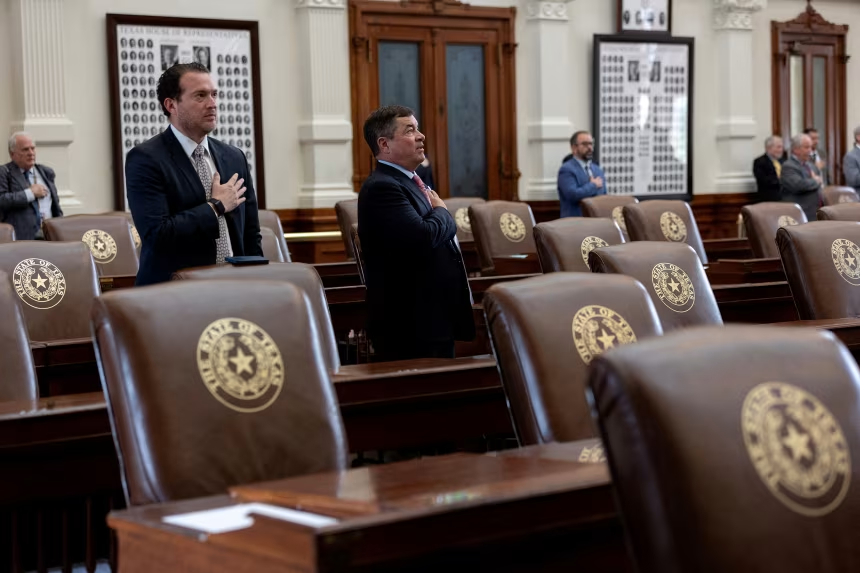
Texas Democrats weighing whether to return to state and end redistricting standoff, sources tell CNN
Entities mentioned:
- Texas Democratic lawmakers: Determination, Justice, Influence
- Texas Republicans: Power, Control, Ambition
- Rep. John Bucy: Righteousness, Duty, Influence
- Texas House Speaker Dustin Burrows: Control, Power, Duty
- Governor Greg Abbott: Determination, Power, Control
Article Assessment:
Credibility Score: 75/100
Bias Rating: 55/100 (Center)
Sentiment Score: 35/100
Authoritarianism Risk: 45/100 (Mixed/Neutral)
Bias Analysis:
The article presents both Democratic and Republican perspectives, quoting from multiple sources. While it gives slightly more space to Democratic viewpoints, it maintains a relatively neutral tone in describing the actions and motivations of both sides.
Key metric: Electoral Competitiveness
As a social scientist, I analyze that this standoff over redistricting in Texas highlights the intense political struggle for control over electoral maps, which directly impacts the balance of power in the U.S. House of Representatives. The Democrats' strategy of leaving the state to break quorum is a high-stakes move to prevent what they see as unfair gerrymandering. The Republicans' response, including the governor's threat of continuous special sessions, demonstrates the importance both parties place on this issue. This conflict underscores the broader national debate about redistricting and its effects on democratic representation, potentially influencing future electoral outcomes and the overall competitiveness of elections in Texas and, by extension, the nation.
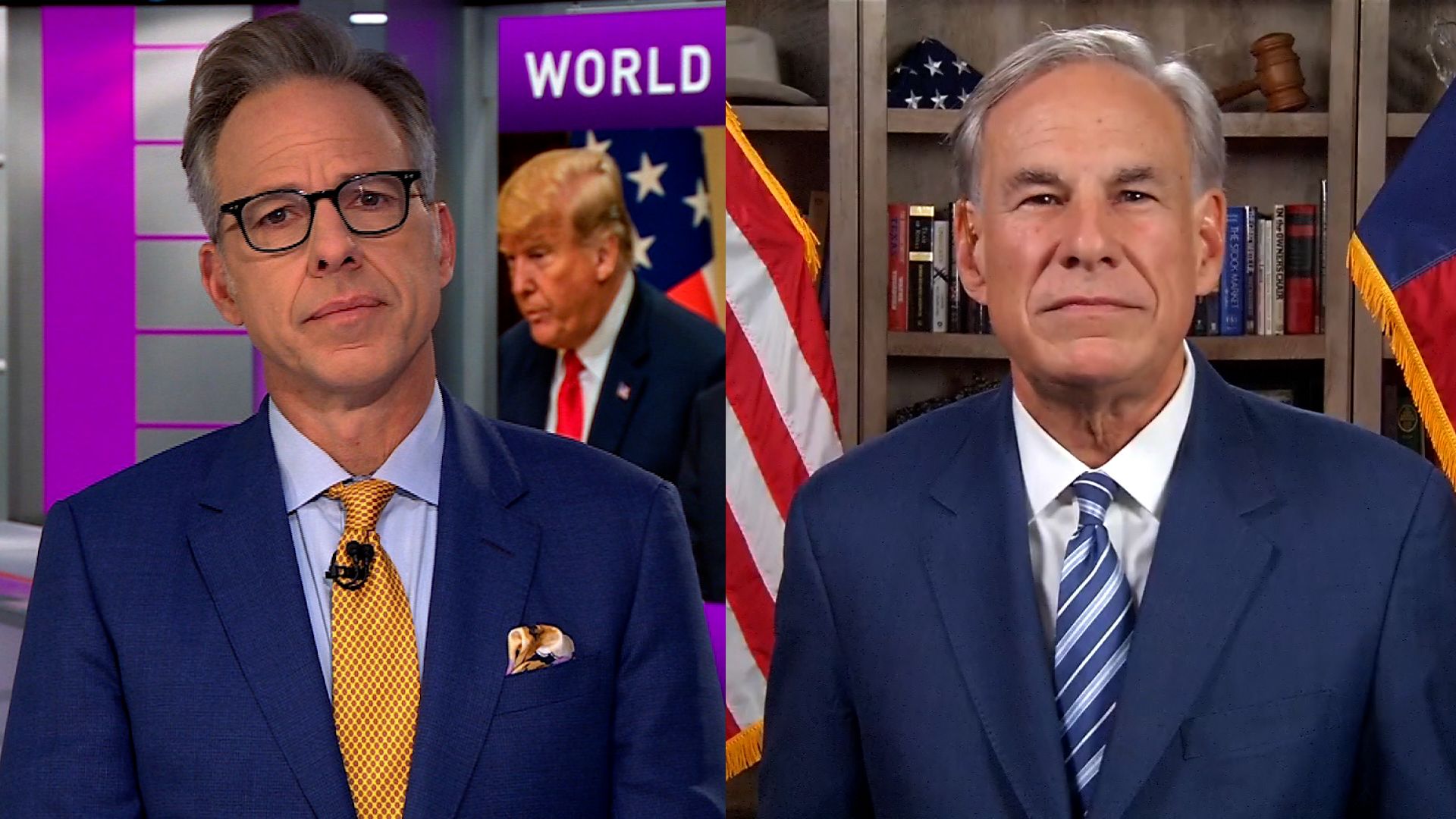
Texas Gov. Abbott decries ‘runaway Democrats’ as redistricting standoff enters its second week
Entities mentioned:
- Texas House Democrats: Justice, Righteousness, Determination
- Texas Republicans: Power, Control, Ambition
- Greg Abbott: Power, Control, Indignation
- Dustin Burrows: Duty, Determination, Control
- Gene Wu: Justice, Righteousness, Determination
- John Cornyn: Power, Control, Loyalty
- Beto O'Rourke: Justice, Influence, Unity
- Gavin Newsom: Power, Competitive spirit, Justice
- Dick Durbin: Justice, Unity, Righteousness
- Mihaela Plesa: Determination, Justice, Righteousness
- Rhetta Bowers: Determination, Justice, Self-preservation
Article Assessment:
Credibility Score: 75/100
Bias Rating: 55/100 (Center)
Sentiment Score: 30/100
Authoritarianism Risk: 65/100 (Authoritarian Tendencies)
Bias Analysis:
The article presents perspectives from both Democratic and Republican sides, giving voice to multiple viewpoints. However, there's slightly more space given to Democratic justifications and concerns, which nudges it just past center.
Key metric: Political Polarization Index
As a social scientist, I analyze that this article highlights a significant escalation in political polarization and partisan tactics in Texas, with potential national implications. The redistricting conflict demonstrates a growing willingness to use extreme measures to gain political advantage, including Democrats fleeing the state and Republicans considering unprecedented legal actions. This standoff not only affects Texas's legislative process but also has broader implications for national political representation and the balance of power in the U.S. House of Representatives. The involvement of other states and national figures suggests a widening of the conflict beyond Texas borders, potentially exacerbating national political divisions. The tactics employed by both sides, including attempts to track down lawmakers and potential retaliatory redistricting in other states, indicate a deterioration of political norms and an increase in confrontational strategies. This situation is likely to further erode public trust in democratic institutions and processes, contributing to a more polarized and contentious political environment nationwide.