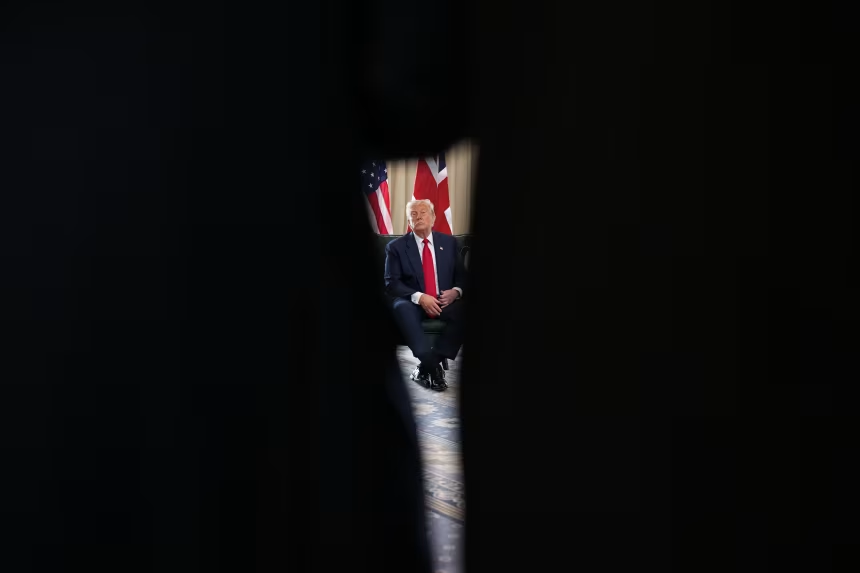
Trump’s legal retribution tour is getting more blatant
Entities mentioned:
- Donald Trump: Revenge, Power, Control
- Pam Bondi: Loyalty, Duty, Ambition
- Letitia James: Justice, Determination, Professional pride
- Adam Schiff: Justice, Duty, Moral outrage
- Barack Obama: Legacy, Duty, Self-preservation
- James Comey: Duty, Justice, Self-preservation
- John Brennan: Duty, Professional pride, Self-preservation
- Liz Cheney: Duty, Moral outrage, Justice
- Eugene Vindman: Duty, Moral outrage, Justice
- Alexander Vindman: Duty, Moral outrage, Justice
- Jack Smith: Justice, Duty, Professional pride
- Miles Taylor: Moral outrage, Duty, Justice
- Christopher Krebs: Duty, Professional pride, Justice
Article Assessment:
Credibility Score: 70/100
Bias Rating: 35/100 (Lean Left)
Sentiment Score: 25/100
Authoritarianism Risk: 65/100 (Authoritarian Tendencies)
Bias Analysis:
The article leans left in its framing, presenting Trump's actions in a critical light. While it presents factual information, the tone and selection of examples suggest a skeptical view of the Trump administration's motivations.
Key metric: Rule of Law Index
As a social scientist, I analyze that this article highlights a concerning pattern of potential retaliatory legal actions against individuals who have previously investigated or criticized former President Trump. This systematic targeting of political opponents and investigators through the legal system poses a significant threat to the Rule of Law Index in the United States. Such actions can erode public trust in the justice system, discourage whistleblowers and investigators from coming forward, and potentially lead to a chilling effect on political dissent. The apparent use of legal mechanisms for political retaliation undermines the principle of equal application of the law and suggests a troubling trend towards weaponizing the justice system for personal or political gain. This could have long-lasting implications for the strength and independence of democratic institutions in the country.
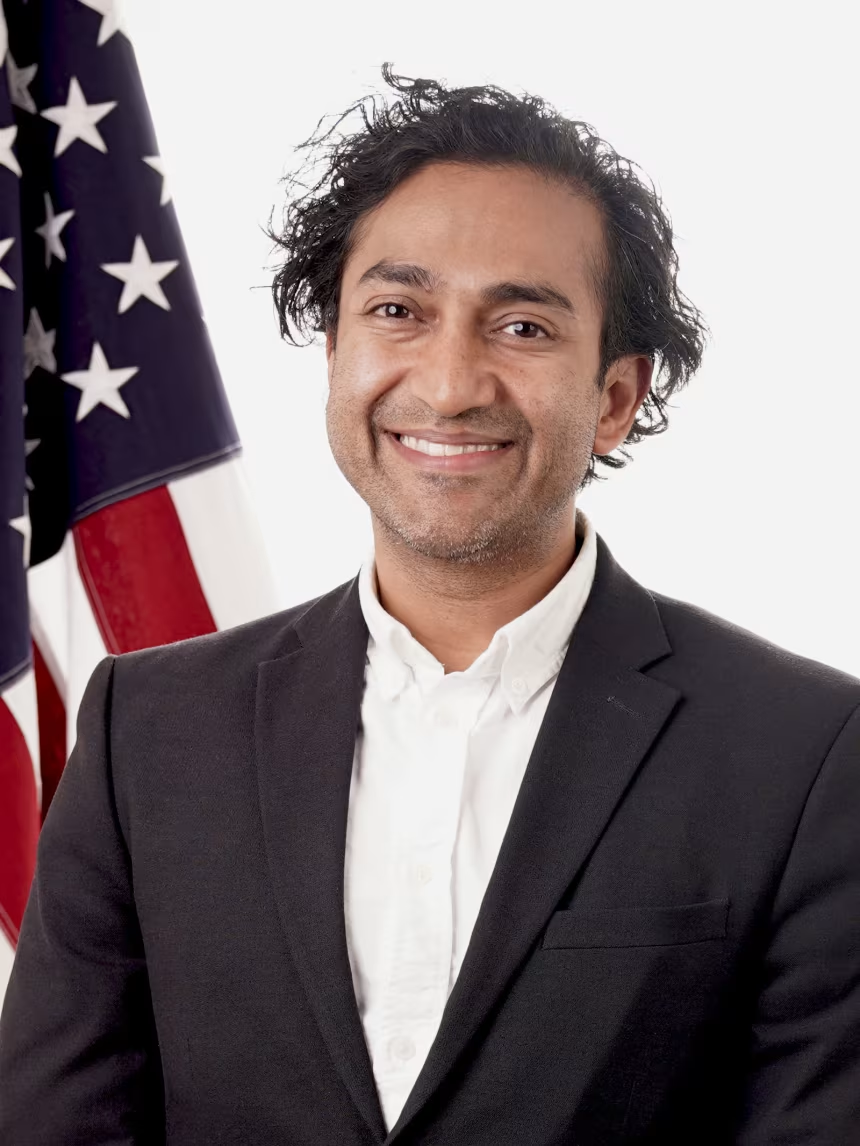
FDA official returns to agency after Loomer-led ouster
Entities mentioned:
- Dr. Vinay Prasad: Professional pride, Duty, Recognition
- US Food and Drug Administration (FDA): Duty, Public safety, Credibility
- Laura Loomer: Moral outrage, Influence, Righteousness
- White House: Control, Power, Influence
- President Donald Trump: Power, Legacy, Control
Article Assessment:
Credibility Score: 75/100
Bias Rating: 45/100 (Center)
Sentiment Score: 35/100
Authoritarianism Risk: 65/100 (Authoritarian Tendencies)
Bias Analysis:
The article presents multiple perspectives and cites various sources, including official statements and anonymous insiders. While it gives voice to critics of Dr. Prasad, it also provides context for his previous work and controversies, maintaining a relatively balanced approach.
Key metric: Public Trust in Government Institutions
As a social scientist, I analyze that this article highlights the complex interplay between politics, public health, and institutional integrity. Dr. Prasad's return to the FDA after a politically-motivated ouster demonstrates the tension between scientific expertise and political pressure. This situation potentially undermines public trust in the FDA's decision-making process and independence. The involvement of activist Laura Loomer and the White House in personnel decisions at a scientific agency raises concerns about the politicization of public health institutions. This event may have long-lasting effects on how the public perceives the FDA's ability to make unbiased, science-based decisions, particularly in critical areas such as vaccine approvals and drug regulations.