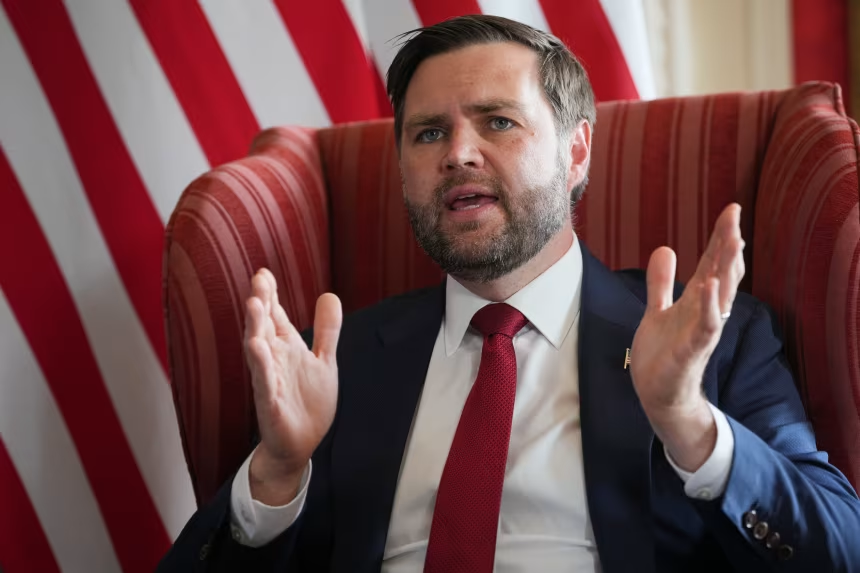
Vance calls out Democrats over Epstein files, reignites push for transparency
Entities mentioned:
- JD Vance: Loyalty, Righteousness, Competitive spirit
- Donald Trump: Transparency, Self-preservation, Power
- Democrats: Political opportunism, Control, Self-preservation
- Joe Biden: Self-preservation, Power, Control
- Jeffrey Epstein: Power, Control, Greed
- Justice Department: Duty, Transparency, Justice
- Pam Bondi: Duty, Justice, Professional pride
- Kash Patel: Duty, Professional pride, Loyalty
- House Oversight Committee: Justice, Transparency, Duty
Article Assessment:
Credibility Score: 65/100
Bias Rating: 65/100 (Lean Right)
Sentiment Score: 35/100
Authoritarianism Risk: 40/100 (Generally Democratic)
Bias Analysis:
The article leans right, primarily due to the prominence given to Vance's accusations against Democrats without equal space for rebuttal. While it includes some balancing information, the framing tends to favor the Trump administration's perspective.
Key metric: Government Transparency Index
As a social scientist, I analyze that this article highlights a complex political struggle over transparency and accountability in the Epstein case. The push for releasing documents is framed as a bipartisan issue, but with clear political motivations from both sides. The Trump administration, through Vance, is positioning itself as pro-transparency while accusing Democrats of inaction and possible connections to Epstein. This narrative serves to deflect criticism and potentially pre-empt damaging revelations. The Justice Department's moves towards releasing some information, along with the House Oversight Committee's subpoenas, indicate increasing pressure for disclosure. However, the conflicting accounts of White House meetings and the careful management of information release suggest ongoing tensions between transparency and potential political fallout. This situation may lead to incremental increases in government transparency, but also risks further polarization and erosion of public trust in institutions depending on how the information is ultimately handled and presented.
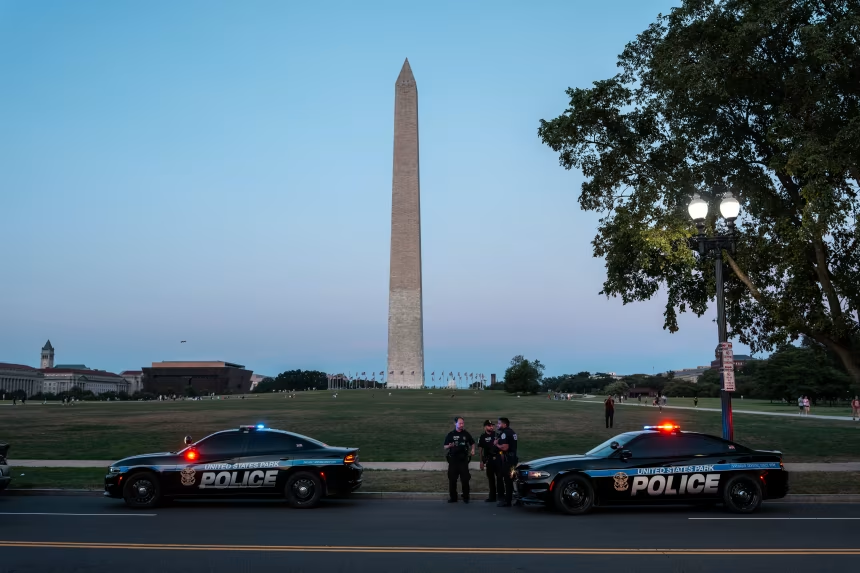
Trump zeroes in on federal takeover of DC as FBI patrols streets
Entities mentioned:
- Donald Trump: Control, Power, Influence
- Muriel Bowser: Self-preservation, Obligation, Unity
- FBI: Duty, Security, Professional pride
- DC National Guard: Duty, Security, Obligation
- DC Council: Self-preservation, Wariness, Obligation
- Jeanine Pirro: Loyalty, Recognition, Influence
Article Assessment:
Credibility Score: 75/100
Bias Rating: 45/100 (Center)
Sentiment Score: 35/100
Authoritarianism Risk: 65/100 (Authoritarian Tendencies)
Bias Analysis:
The article presents multiple perspectives and sources, including both Trump administration and local DC officials. While it highlights Trump's actions and statements prominently, it also provides context and counterpoints, maintaining a relatively balanced approach.
Key metric: Federal-Local Government Relations
As a social scientist, I analyze that this article highlights a significant shift in the power dynamics between federal and local government in Washington, DC. President Trump's threats to take over the city and deploy federal forces represent a potential erosion of local autonomy. Mayor Bowser's deferential approach, contrasting with her previous resistance, suggests a strategic adaptation to preserve some level of local control and cooperation. This situation could set a precedent for increased federal intervention in local affairs, particularly in politically sensitive areas. The lack of strong opposition from local officials may indicate a fear of retaliation or a calculated decision to maintain access to federal resources. This evolving relationship between federal and local authorities in DC could have broader implications for federalism and local governance across the United States.