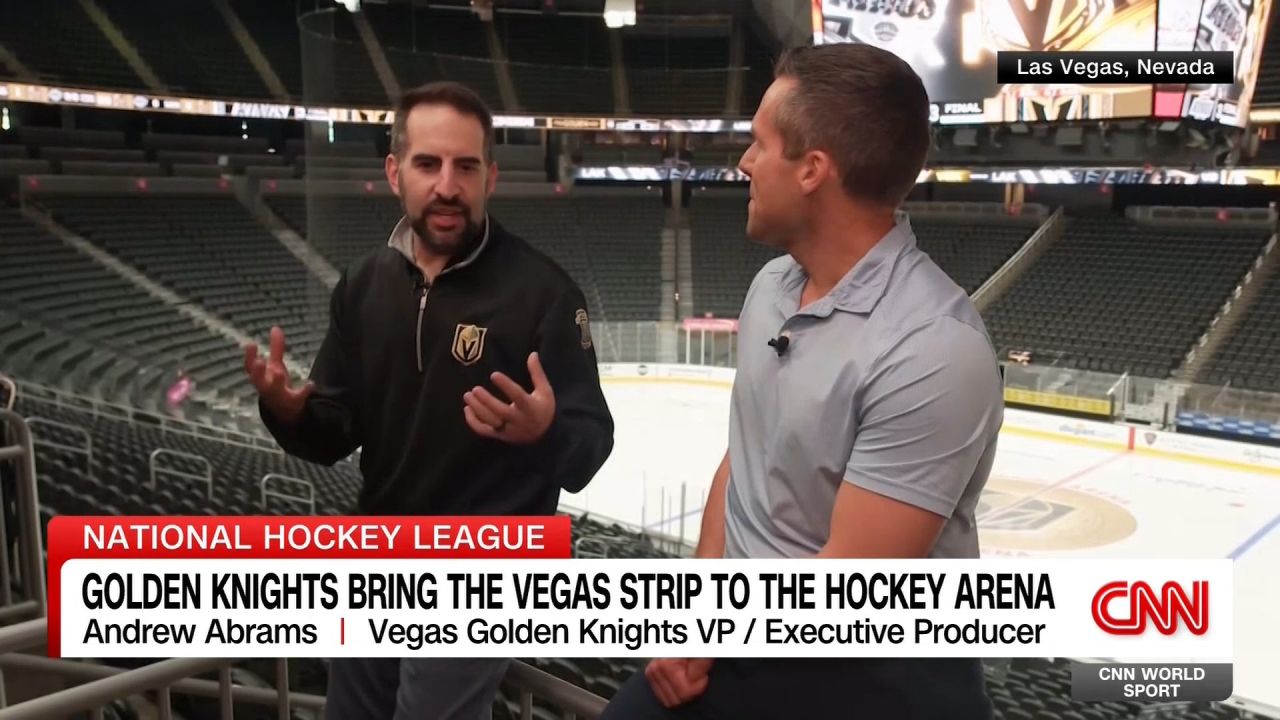
Golden Knights bring the Vegas Strip to the Hockey Arena
Entities mentioned:
- Golden Knights: Pride, Competitive spirit, Recognition
- Andy Scholes: Curiosity, Professional pride, Enthusiasm
- Andrew Abrams: Creativity, Professional pride, Legacy
Article Assessment:
Credibility Score: 75/100
Bias Rating: 45/100 (Center)
Sentiment Score: 75/100
Authoritarianism Risk: 20/100 (Strongly Democratic)
Bias Analysis:
The article presents a balanced view of the Golden Knights' pregame show, focusing on its uniqueness and longevity. While positive, it doesn't overly praise or criticize, maintaining a neutral stance typical of sports reporting.
Key metric: Fan Engagement
Let me tell you something - this is a GAME-CHANGER, folks! The Golden Knights aren't just playing hockey, they're revolutionizing the whole darn sport! This pregame show is like their secret weapon, their MVP off the ice. It's as if they've brought the bright lights of the Vegas Strip right into the arena, turning every game into a championship spectacle. I'm telling you right now, this team understands that winning isn't just about what happens on the ice - it's about capturing the hearts of the fans in those crucial moments before the puck even drops. They're not just competing against other teams, they're battling for the entertainment crown, and boy, are they coming out swinging! This is the kind of fourth-quarter move that separates the contenders from the pretenders in the cutthroat world of sports franchises. The Golden Knights have that championship mentality that extends beyond just playing the game - they're rewriting the playbook on how to dominate the entire fan experience!
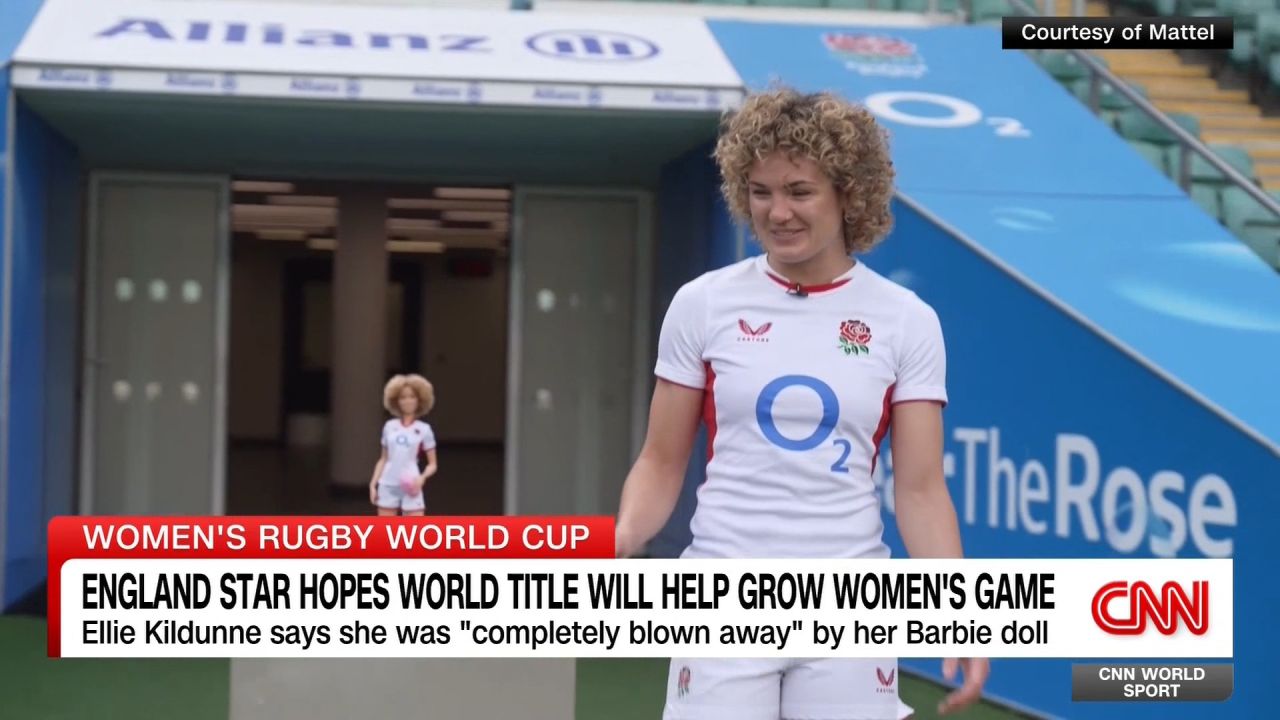
England star reflects on 2025 Rugby World Cup win and being honored with her own Barbie
Entities mentioned:
- Ellie Kildunne: Pride, Recognition, Legacy
- England Rugby Team: Competitive spirit, Unity, Legacy
- Barbie: Recognition, Influence, Legacy
Article Assessment:
Credibility Score: 85/100
Bias Rating: 50/100 (Center)
Sentiment Score: 90/100
Authoritarianism Risk: 15/100 (Strongly Democratic)
Bias Analysis:
The article presents a balanced view of the event, focusing on factual achievements and player reflections. There's no apparent political slant or favoritism towards any particular viewpoint.
Key metric: Women's Sports Participation Rate
Let me tell you something - this story is HUGE! The Red Roses have just pulled off a CHAMPIONSHIP PERFORMANCE for the ages! We're talking a 33-game win streak, folks - that's like pitching a perfect game in the World Series! Ellie Kildunne and her teammates stepped up to the plate and knocked it out of the park, securing their THIRD world title! But this isn't just about trophies, it's about CHANGING THE GAME! With record crowds and Barbie dolls, women's rugby is making a fourth-quarter push to revolutionize the sports landscape. Kildunne isn't just a player, she's become a ROLE MODEL, inspiring the next generation of athletes to suit up and hit the field. This is the kind of MOMENTUM that turns a sport into a MOVEMENT!