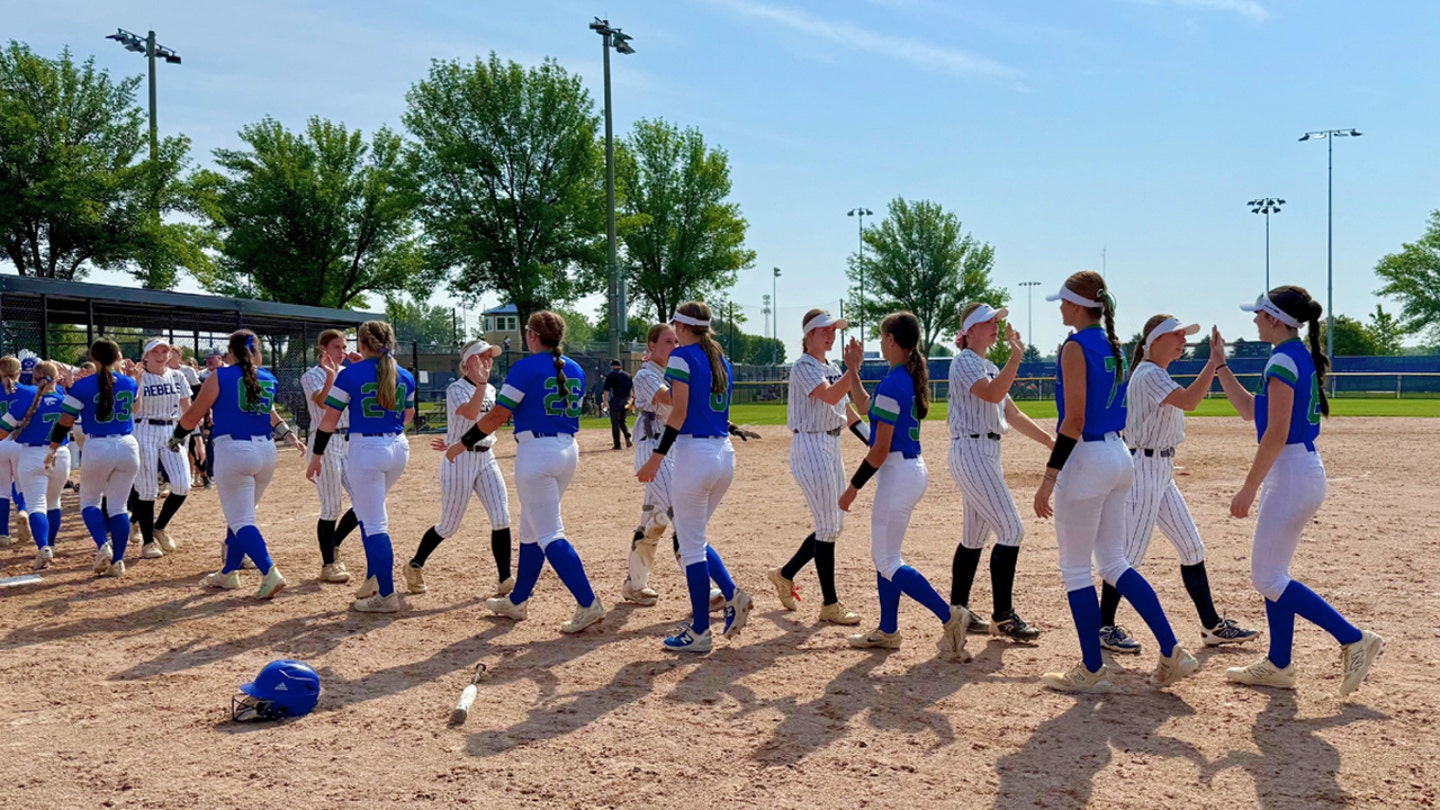
Minnesota attorney general says trans athletes in girls sports 'doesn't harm anyone' despite complaints
Entities mentioned:
- Keith Ellison: Righteousness, Justice, Influence
- School Board Members: Moral outrage, Duty, Protection
- Minnesota High School Girls: Competitive spirit, Fairness, Self-respect
- Donald Trump: Control, Power, Legacy
- U.S. Department of Education: Duty, Control, Influence
Article Assessment:
Credibility Score: 70/100
Bias Rating: 65/100 (Lean Right)
Sentiment Score: 30/100
Authoritarianism Risk: 35/100 (Generally Democratic)
Bias Analysis:
The article leans right, giving more voice to those opposing transgender athletes in girls' sports. While it includes Ellison's statements, it emphasizes opposing viewpoints and personal anecdotes from affected athletes.
Key metric: Gender Equality in Sports
Let me tell you something, folks - this is a FULL COURT PRESS situation! We've got a real clash of titans here, with Attorney General Ellison going head-to-head against a team of fired-up school board members. It's like watching a championship game where the rules are being rewritten mid-play! The transgender athlete issue is the ultimate power play, with Ellison acting like a veteran coach, trying to keep his team on the field despite challenges from the opposing bench. But make no mistake, the high school girls are the real MVPs here, stepping up to the plate and speaking out against what they see as an unfair advantage. They're showing true athletic spirit, refusing to back down even when faced with a seemingly unstoppable force. This is a classic David vs. Goliath matchup, folks, with the girls taking on the full might of the state's legal team. And let's not forget the federal government coming in with a buzzer-beater executive order, trying to change the game in the final quarter! I'm telling you right now, this is going to be a nail-biter right up to the final whistle!
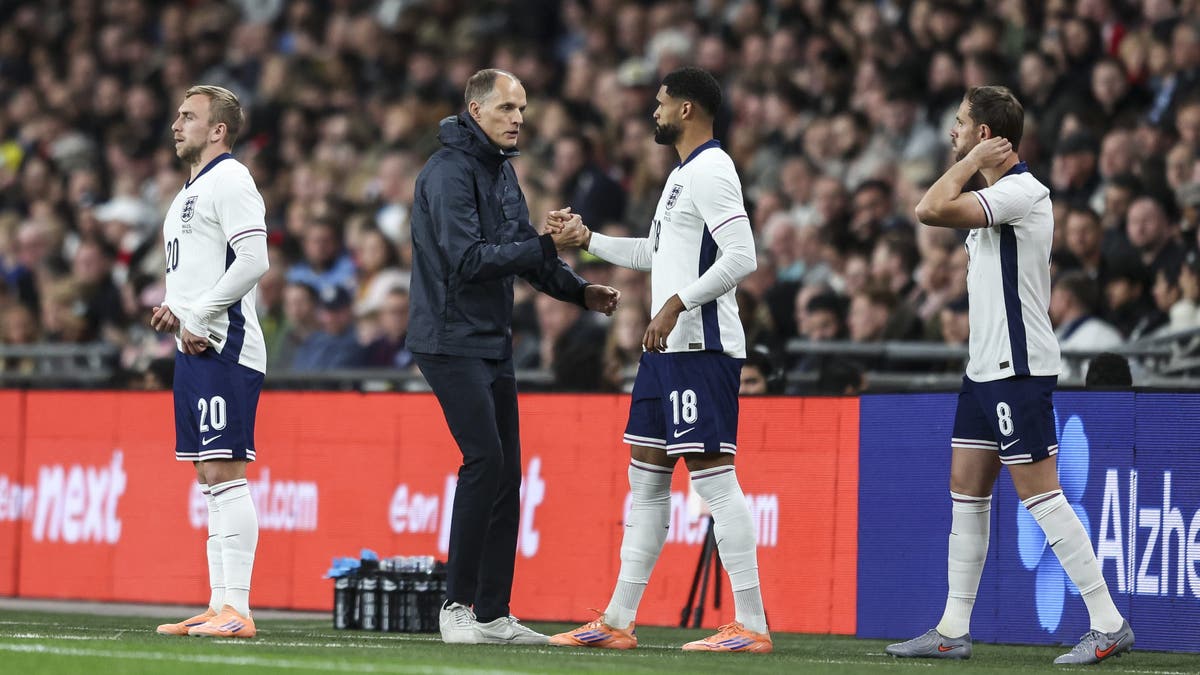
'We Do Miss Jude': Declan Rice Backs Bellingham for World Cup Campaign
Entities mentioned:
- Declan Rice: Loyalty, Competitive spirit, Unity
- Jude Bellingham: Ambition, Professional pride, Determination
- Thomas Tuchel: Control, Competitive spirit, Professional pride
- England National Team: Ambition, Unity, Pride
Article Assessment:
Credibility Score: 75/100
Bias Rating: 50/100 (Center)
Sentiment Score: 65/100
Authoritarianism Risk: 30/100 (Generally Democratic)
Bias Analysis:
The article presents balanced views from both Rice and Tuchel, giving equal weight to differing perspectives. It focuses on factual reporting of statements and team dynamics without favoring any particular stance.
Key metric: World Cup Qualification Chances
Let me tell you something, folks - this is a GAME-CHANGING moment for England's World Cup campaign! Declan Rice is stepping up to the plate like a true team captain, defending his teammate Jude Bellingham with the passion of a linebacker protecting his quarterback. It's fourth quarter strategy time, and Tuchel's benching of Bellingham is a bold defensive play that's got the whole soccer world buzzing! But make no mistake, Rice is calling an audible here, reminding everyone of Bellingham's MVP potential. This is the kind of locker room leadership that wins championships, people! The Three Lions are showing that championship mentality, building a DREAM TEAM that could go all the way. It's crunch time in the qualifiers, and England's depth chart is looking stronger than a heavyweight boxer in his prime. I'm telling you right now, if they can keep this team chemistry cooking, we might be looking at World Cup glory!