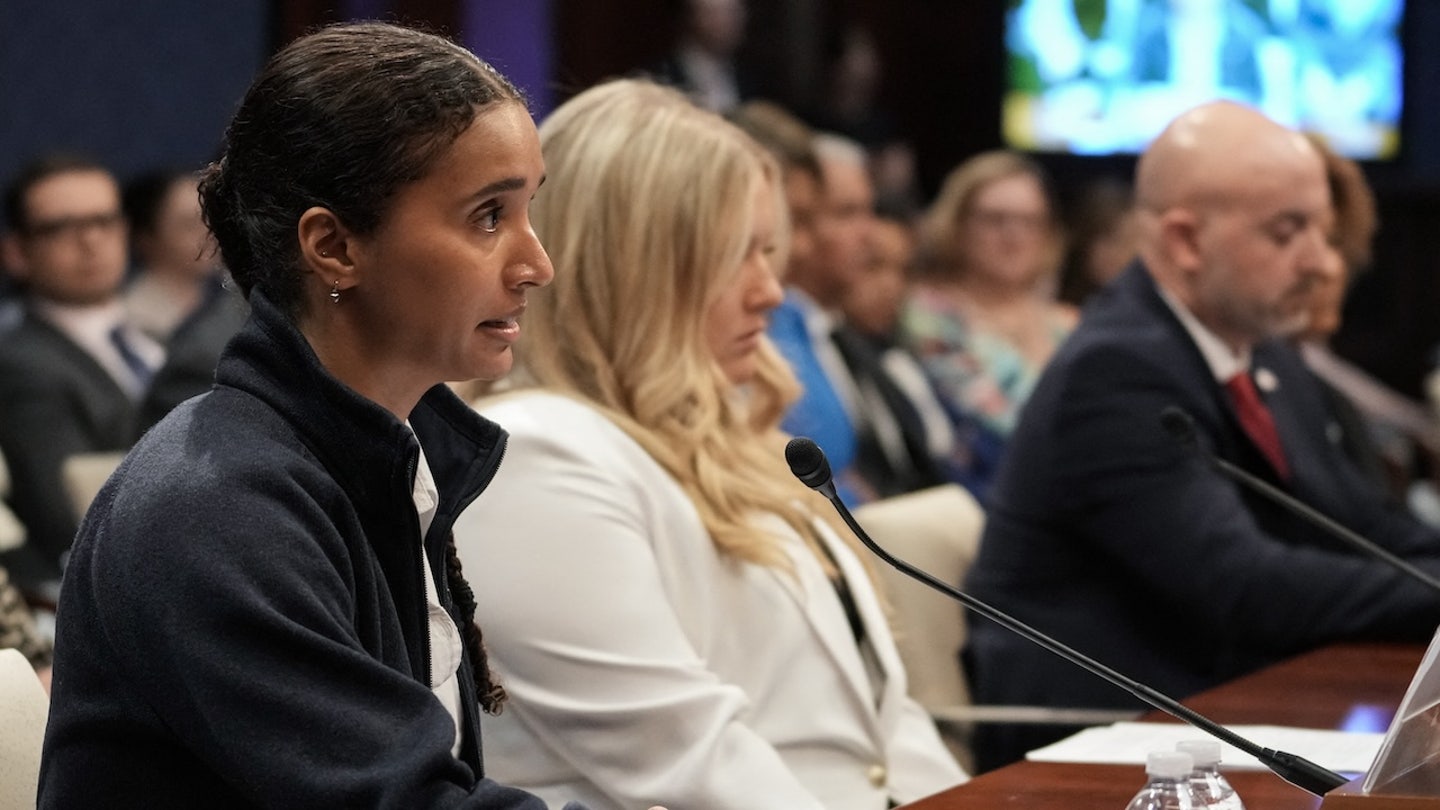
USA Fencing head replaced, former chair cites 'lawsuits' in decision to not seek re-election
Entities mentioned:
- USA Fencing: Professional pride, Unity, Self-preservation
- Damien Lehfeldt: Self-preservation, Duty, Recognition
- Scott Rodgers: Ambition, Competitive spirit, Pride
- Stephanie Turner: Justice, Moral outrage, Determination
- Andrey Geva: Justice, Indignation, Professional pride
- Abdel Salem: Justice, Indignation, Professional pride
Article Assessment:
Credibility Score: 75/100
Bias Rating: 55/100 (Center)
Sentiment Score: 35/100
Authoritarianism Risk: 30/100 (Generally Democratic)
Bias Analysis:
The article presents multiple viewpoints and cites various sources, indicating an attempt at balanced reporting. However, there's slightly more emphasis on the controversies and challenges faced by USA Fencing.
Key metric: Diversity and Inclusion in Sports
Let me tell you something - this story is RIDICULOUS! We're witnessing a full-court press in the world of fencing, folks! USA Fencing is playing defense like their gold medals depend on it, trying to parry attacks from all sides. The leadership shakeup is like a fourth-quarter substitution in a championship game - bringing in Scott Rodgers, a Paralympic athlete, to take the helm. This is a power play, people! It's clear that USA Fencing is trying to change their game plan after fumbling the ball on transgender athlete policies. Damien Lehfeldt, the former chair, is basically taking a knee and walking off the field, citing the intense pressure and legal blitzes he's facing. Meanwhile, fencers like Stephanie Turner are showing true competitive spirit, refusing to back down and pushing for a level playing field. This is a high-stakes match, and the future of fencing hangs in the balance. It's crunch time for USA Fencing, and they need to bring their A-game to overcome these hurdles and stick the landing on inclusivity. The clock is ticking, and all eyes are on how they'll perform in this crucial test of leadership and fairness!
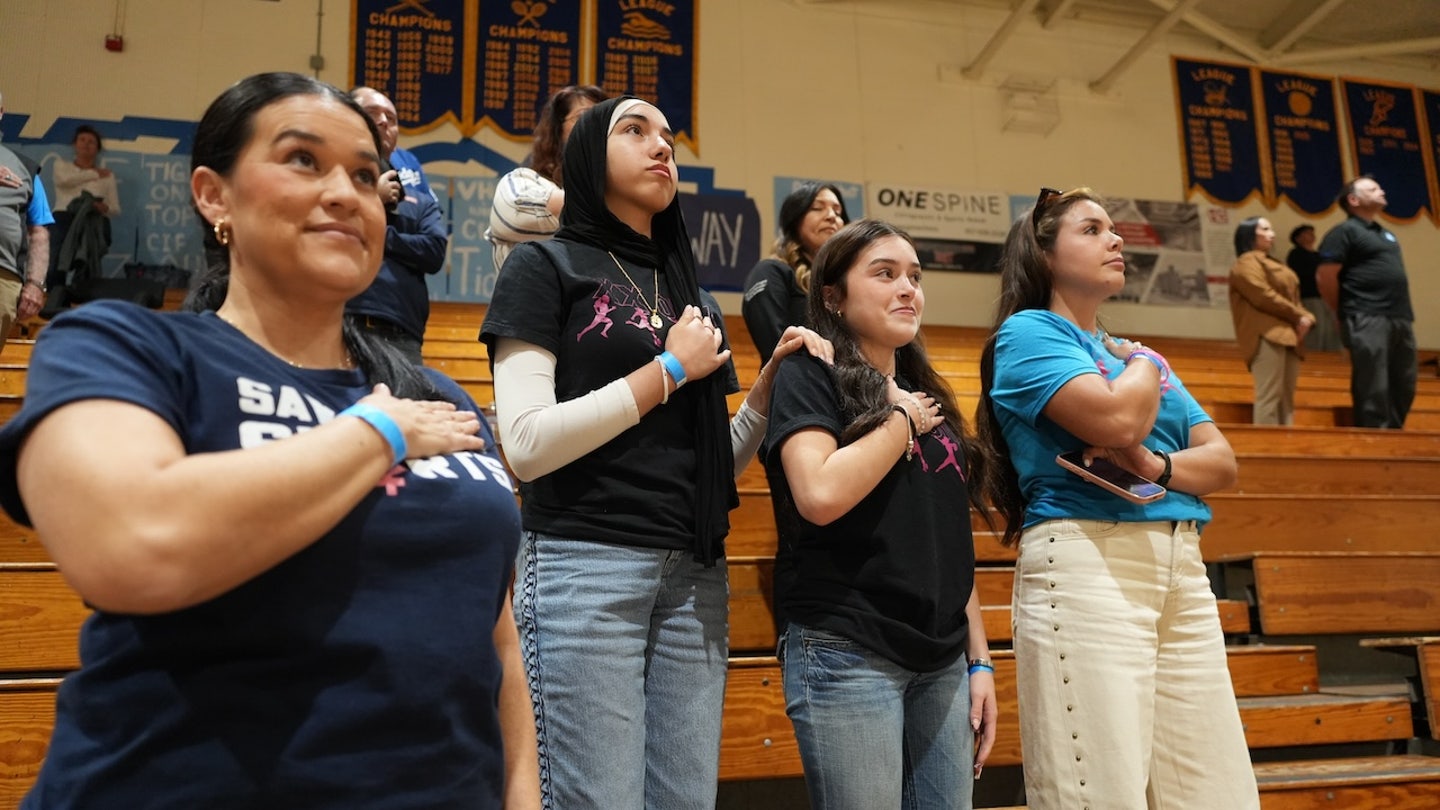
California female athletes open up on alleged treatment from high school after filing Title IX lawsuit
Entities mentioned:
- Hadeel Hazameh: Justice, Competitive spirit, Self-respect
- Alyssa McPherson: Justice, Competitive spirit, Self-respect
- Jurupa Valley High School: Control, Obligation, Unity
- Liana Manu (Coach): Control, Duty, Professional pride
- Trans Athlete: Competitive spirit, Self-respect, Recognition
Article Assessment:
Credibility Score: 65/100
Bias Rating: 70/100 (Lean Right)
Sentiment Score: 30/100
Authoritarianism Risk: 35/100 (Generally Democratic)
Bias Analysis:
The article leans right by focusing heavily on the perspective of the athletes opposing transgender participation. It gives more space to their viewpoint and experiences, while providing limited context from the other side.
Key metric: Gender Equality in Sports
Let me tell you something, folks - this is a GAME-CHANGING play in the world of high school athletics! We've got two star players, Hazameh and McPherson, who've stepped off the court in a bold move that's shaking up the entire league. They're not just sitting on the sidelines, they're taking their fight to the big leagues with a Title IX lawsuit that could rewrite the playbook for girls' sports across the nation! This is a fourth-quarter strategy that's got everyone on the edge of their seats. The coach's decision to bench these players from even sitting with their team? That's a technical foul if I've ever seen one! We're watching a high-stakes match where the rules of the game itself are being challenged. It's not just about one season or one championship - this is about the future of the whole sport! The tension in that gym was thicker than the air in a locker room after triple overtime. These young athletes are showing a championship mentality, folks, standing up for what they believe in even when it means facing off against their own team. This is the kind of grit and determination that separates the all-stars from the bench warmers!