
Fever's Lexie Hull says there's some 'level of jealousy' when it comes to her team
Entities mentioned:
- Lexie Hull: Ambition, Competitive spirit, Recognition
- Indiana Fever: Competitive spirit, Pride, Recognition
- Caitlin Clark: Competitive spirit, Ambition, Influence
- Stephanie White: Professional pride, Competitive spirit, Ambition
- WNBA: Recognition, Influence, Competitive spirit
Article Assessment:
Credibility Score: 75/100
Bias Rating: 55/100 (Center)
Sentiment Score: 65/100
Authoritarianism Risk: 20/100 (Strongly Democratic)
Bias Analysis:
The article presents a balanced view, quoting Hull directly while providing context. It doesn't overtly favor any side, maintaining a neutral stance on the competitive dynamics.
Key metric: WNBA League Competitiveness
Let me tell you something - this story is EXPLOSIVE! The Indiana Fever are stepping up to the plate in a BIG way, and Lexie Hull is calling out the competition! We're seeing a CHAMPIONSHIP MENTALITY from this squad as they face off against a league that's gunning for them. Hull's not pulling any punches, folks - she's laying it all out there about the JEALOUSY and INTENSITY they're facing. This is the kind of fourth quarter move that separates the contenders from the pretenders! The Fever have become the team to beat, and Hull's making it clear they're ready for all comers. It's a whole new ballgame with Caitlin Clark on the roster, and the rest of the league better bring their A-game because Indiana is NOT backing down. This is the kind of competitive fire that IGNITES a league and takes it to the next level!
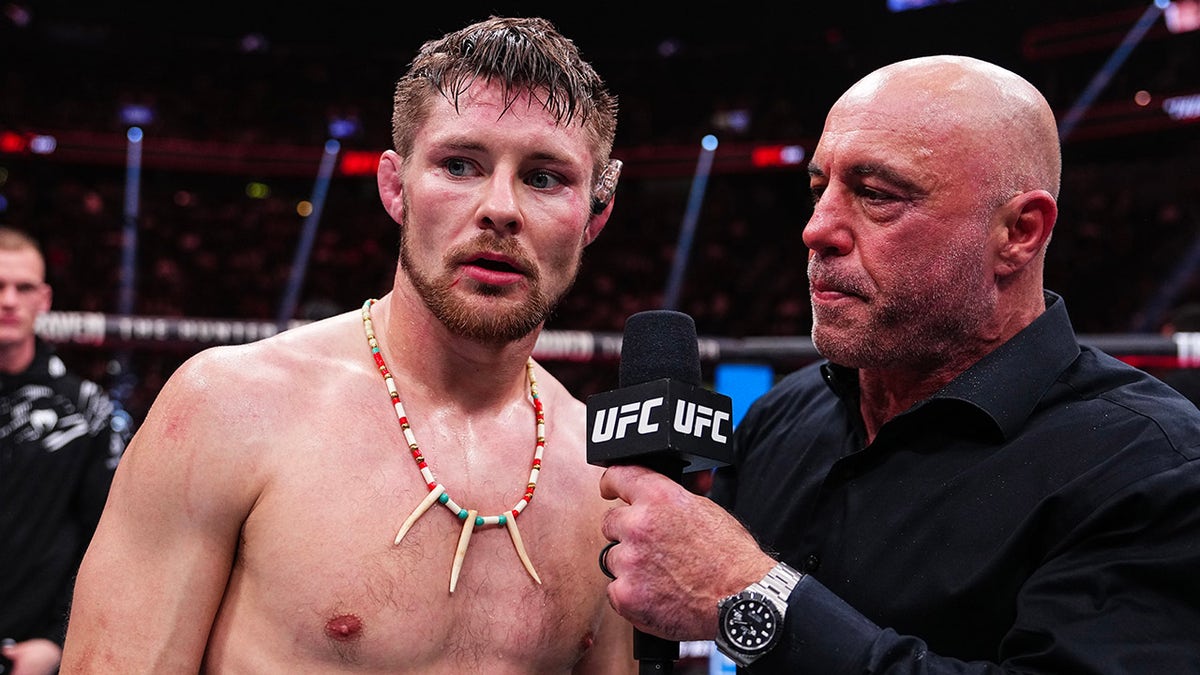
Controversial UFC fighter takes back his Trump support in wild rant: 'I was fooled'
Entities mentioned:
- Bryce Mitchell: Moral outrage, Righteousness, Indignation
- Donald Trump: Power, Influence, Legacy
- Elon Musk: Ambition, Influence, Recognition
Article Assessment:
Credibility Score: 65/100
Bias Rating: 55/100 (Center)
Sentiment Score: 30/100
Authoritarianism Risk: 35/100 (Generally Democratic)
Bias Analysis:
The article presents both Mitchell's previous and current views on Trump, showing some attempt at balance. However, the focus on controversial statements and religious references may slightly skew perceptions.
Key metric: Political Polarization Index
Ladies and gentlemen, we've got a SHOCKING REVERSAL in the political octagon! Bryce Mitchell, once a die-hard Trump supporter, has just executed a stunning takedown on the former president. This is a game-changing move that's sending shockwaves through the political arena! Mitchell's gone from being Trump's MVP to calling him the Antichrist - talk about a fourth-quarter twist! This fighter's new stance is like a knockout punch to Trump's base. We're seeing a major shift in the playbook here, folks. Mitchell's pulling no punches, accusing Trump of dropping the ball on key plays like the Epstein files and putting America on the bench. This is the kind of momentum swing that can turn the whole match around! Trump's team will need to huddle up and find a way to counter this unexpected offensive if they want to stay in the game. Remember, in politics just like in sports, it's not over till the final whistle blows!