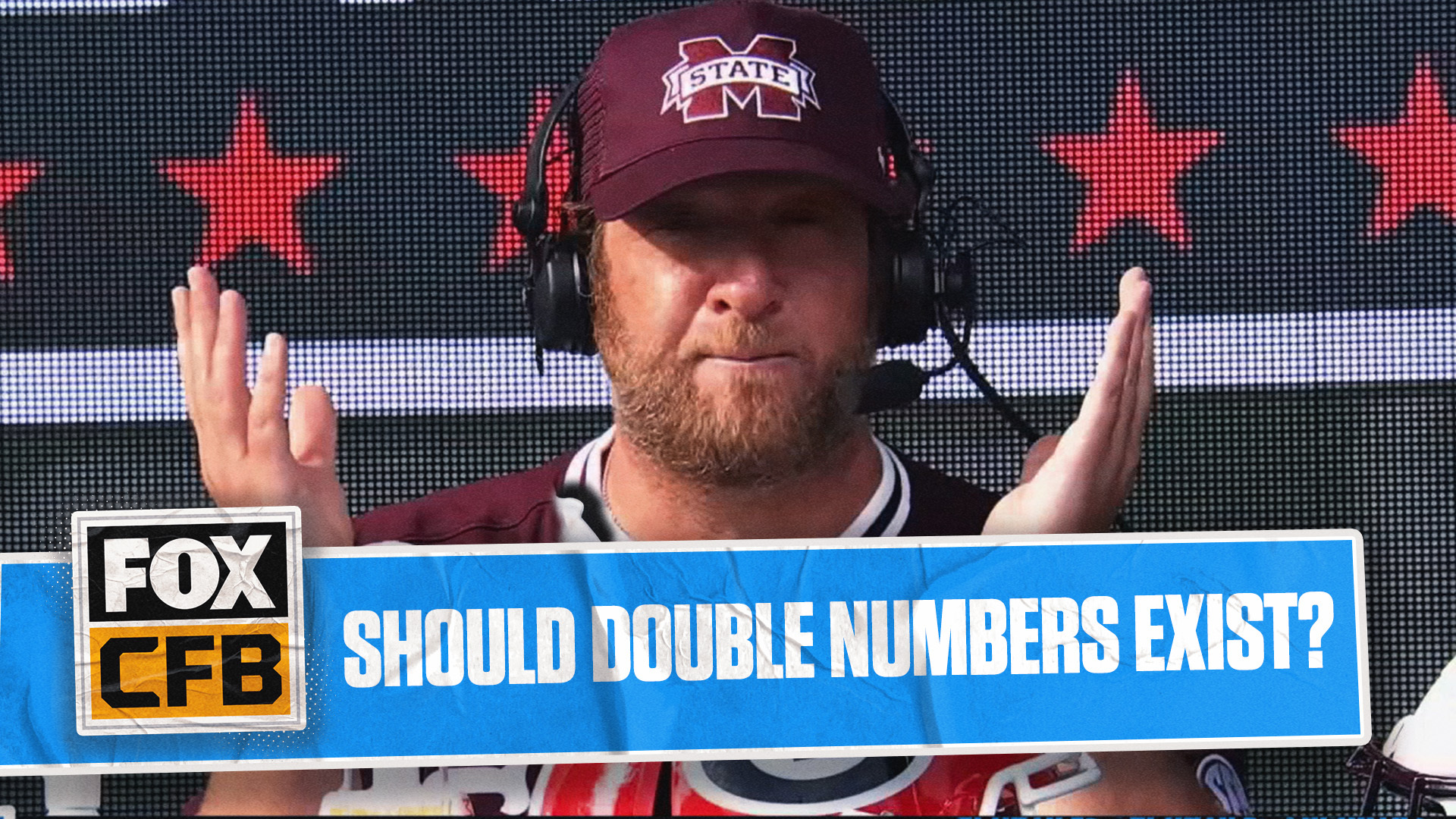
Dave Portnoy on USC, College Football Doubling Up Numbers: 'It's Got To Go'
Entities mentioned:
- Dave Portnoy: Moral outrage, Righteousness, Professional pride
- USC: Competitive spirit, Ambition, Recognition
- Matt Leinart: Loyalty, Competitive spirit, Pride
Article Assessment:
Credibility Score: 75/100
Bias Rating: 50/100 (Center)
Sentiment Score: 60/100
Authoritarianism Risk: 20/100 (Strongly Democratic)
Bias Analysis:
The article presents both sides of the argument, quoting Portnoy's criticism and Leinart's defense. It maintains a neutral stance, allowing readers to form their own opinions on the controversial play.
Key metric: College Football Integrity
Let me tell you something - this story is RIDICULOUS! We've got a MAJOR LEAGUE CONTROVERSY brewing in the college football arena, folks! USC just pulled off a TRICK PLAY that's got everyone crying foul! They're playing jersey swap like it's some kind of playground game, not a high-stakes collegiate showdown! Dave Portnoy, the Barstool Sports MVP, is stepping up to the plate and calling for an end to this double-number nonsense. He's firing fastballs at this practice, saying it's time to strike out these confusing tactics! But hold onto your helmets, because former USC quarterback Matt Leinart is showing true team spirit, defending his alma mater's playbook with a classic trash-talk counterattack! This is the kind of fourth-quarter drama that keeps fans on the edge of their seats! The integrity of the game is on the line, and we're watching a real clash of titans over the rules of engagement. It's championship mentality versus creative strategy, and I'm telling you right now, this debate is going into overtime!
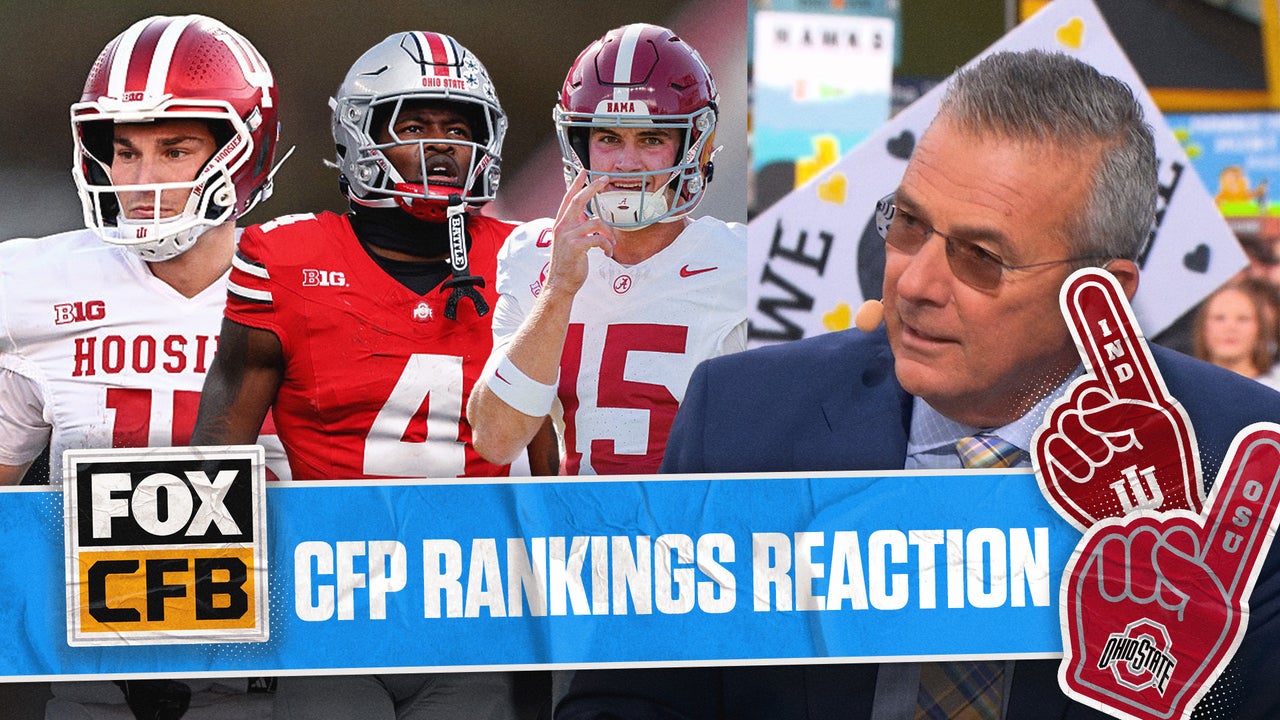
Parity Takes Center Stage: 'Big Noon Kickoff' Crew Sounds Off on First CFP Rankings
Entities mentioned:
- College Football Playoff Committee: Power, Control, Influence
- Big Noon Kickoff Crew: Enthusiasm, Professional pride, Influence
- Urban Meyer: Competitive spirit, Recognition, Curiosity
- Mark Ingram: Pride, Loyalty, Competitive spirit
- Brady Quinn: Righteousness, Indignation, Justice
- Matt Leinart: Enthusiasm, Competitive spirit, Recognition
- Chris Fallica: Determination, Professional pride, Influence
- Dave Portnoy: Enthusiasm, Competitive spirit, Recognition
Article Assessment:
Credibility Score: 75/100
Bias Rating: 50/100 (Center)
Sentiment Score: 70/100
Authoritarianism Risk: 20/100 (Strongly Democratic)
Bias Analysis:
The article presents multiple viewpoints from different analysts, balancing perspectives on various teams and conferences. While individual commentators show some bias, the overall piece maintains a relatively neutral stance.
Key metric: College Football Playoff Rankings
Let me tell you something - this College Football Playoff race is WIDE OPEN, folks! We're seeing a level playing field that's turning the whole season into one massive bowl game! The Big Noon Kickoff crew is bringing their A-game analysis, breaking down every move like it's the Super Bowl! Urban Meyer's scouting report on parity is a GAME-CHANGER - we're talking Cinderella stories left and right! Mark Ingram's carrying the ball for the Big 12, finally getting them into the endzone of respect! Brady Quinn's calling out the refs on this 'eye test' penalty, demanding justice on the field! Leinart's got his eye on the Big Ten championship belt, while Fallica's drawing up the perfect playbook for Texas to make a fourth-quarter comeback! And Portnoy? He's fired up like it's the two-minute drill, folks! This is the kind of wide-open competition that makes college football the GREATEST SHOW ON TURF!