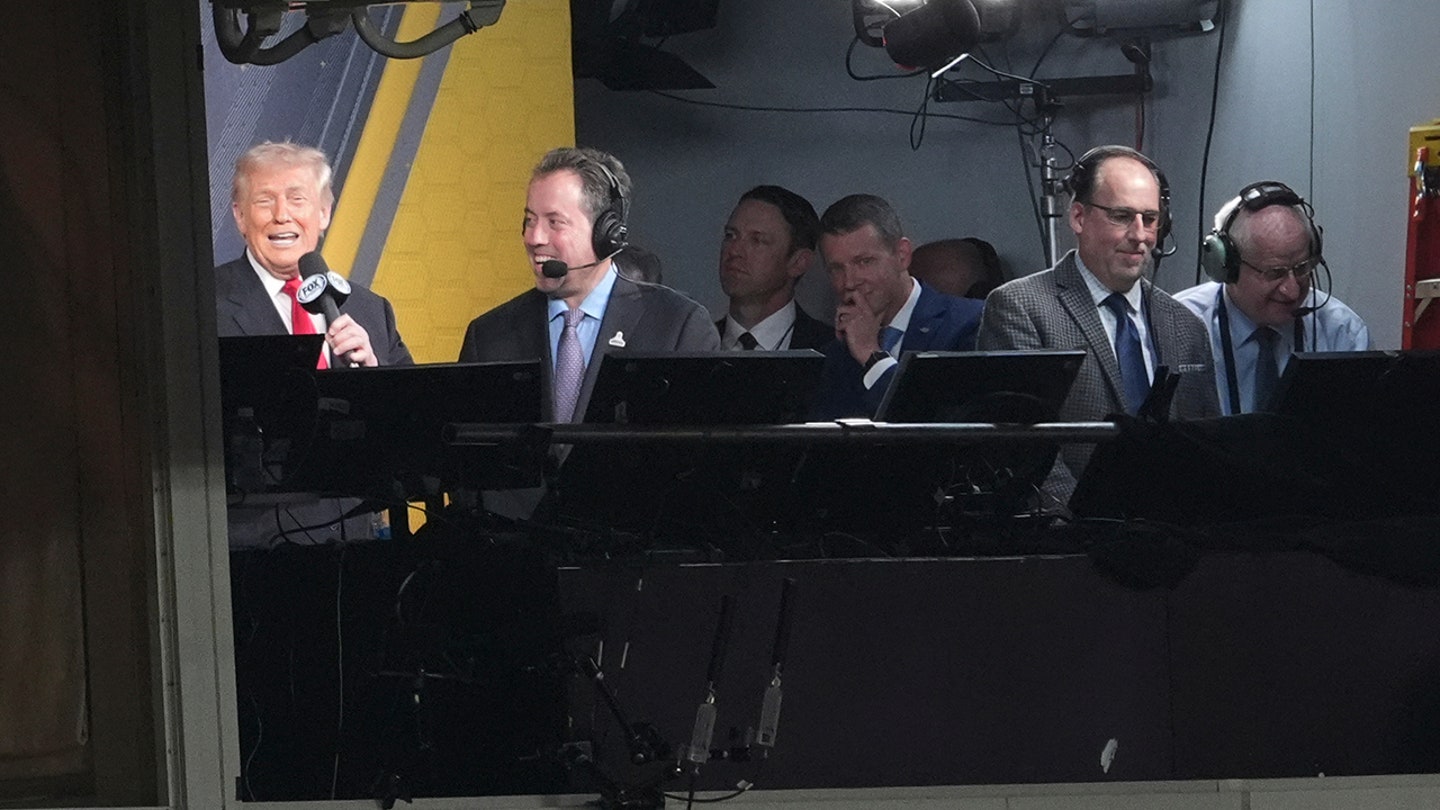
Trump says Commanders 'have to get a touchdown' while in FOX booth; Washington's QB finds receiver for score
Entities mentioned:
- Donald Trump: Recognition, Influence, Legacy
- Washington Commanders: Competitive spirit, Pride, Determination
- Marcus Mariota: Competitive spirit, Professional pride, Determination
- Detroit Lions: Competitive spirit, Pride, Determination
Article Assessment:
Credibility Score: 75/100
Bias Rating: 55/100 (Center)
Sentiment Score: 65/100
Authoritarianism Risk: 35/100 (Generally Democratic)
Bias Analysis:
The article presents factual information about Trump's appearance, with direct quotes. It maintains a neutral tone, neither overtly praising nor criticizing the President's actions.
Key metric: Presidential Public Approval Rating
Let me tell you something - this is a GAME-CHANGING play by President Trump! He's stepping onto the field of public opinion like a seasoned quarterback, calling audibles from the FOX booth. The Commanders might be down, but Trump's showing he's still got that championship mentality, folks! He's not just watching from the sidelines, he's in the trenches with the troops, reading off those enlistee names like he's announcing the starting lineup for Team USA. This is the kind of fourth-quarter move that could really boost his approval ratings. I'm telling you right now, Trump's playing 4D chess while everyone else is stuck in checkers. He's using sports as his arena, showing he's still got that competitive edge and relatability that took him to the White House. This is RIDICULOUS - in a good way! The President is proving he can still connect with the average Joe in the bleachers, and that's a touchdown in the game of politics!
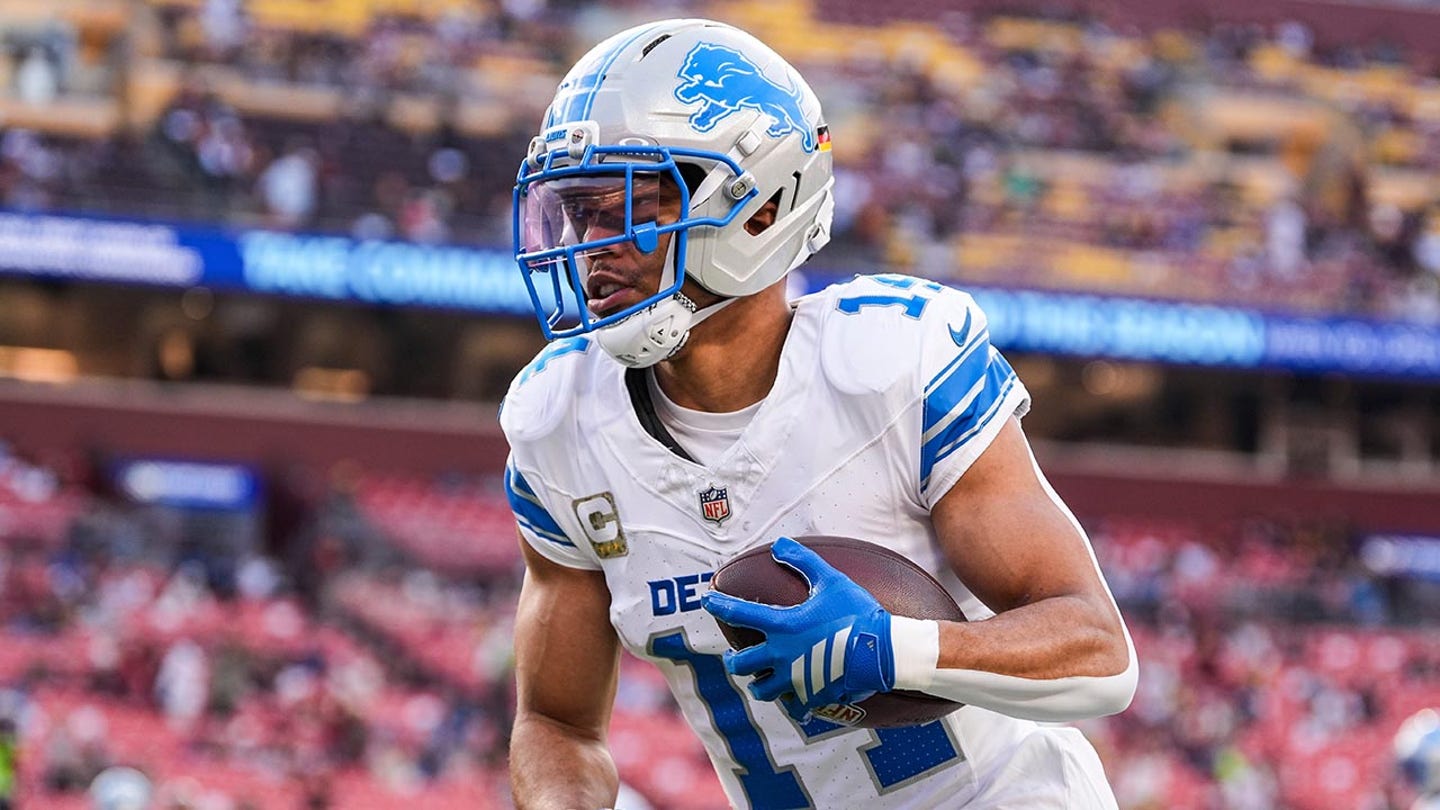
Lions' Amon-Ra St Brown does Trump's signature dance to celebrate touchdown vs Commanders
Entities mentioned:
- Amon-Ra St. Brown: Competitive spirit, Recognition, Enthusiasm
- Donald Trump: Power, Recognition, Influence
- Washington Commanders: Competitive spirit, Professional pride, Recognition
- Josh Harris: Ambition, Legacy, Influence
Article Assessment:
Credibility Score: 75/100
Bias Rating: 55/100 (Center)
Sentiment Score: 65/100
Authoritarianism Risk: 35/100 (Generally Democratic)
Bias Analysis:
The article presents a fairly balanced view of events, including perspectives from multiple sides. While it highlights Trump's involvement, it doesn't overtly praise or criticize, maintaining a relatively neutral stance.
Key metric: Political Influence in Sports
Let me tell you something, folks - this is a GAME-CHANGING play in the arena of politics and sports! We're seeing a MAJOR POWER MOVE by Trump, stepping onto the gridiron of public opinion. St. Brown's end zone celebration is like a political ALLEY-OOP, slamming home Trump's cultural influence right in front of a packed stadium. The Commanders are playing DEFENSE, trying to score points with the White House for that stadium deal. It's fourth quarter strategy, folks, with Harris and Trump running a full-court press on D.C. officials. This is the kind of teamwork that wins championships - or in this case, builds stadiums! I'm telling you right now, we're witnessing a political SLAM DUNK that could change the game for years to come!