'Colts Gave Up Way Too Much' in Sauce Gardner Trade, Says Charles Woodson
Entities mentioned:
- Indianapolis Colts: Ambition, Competitive spirit, Determination
- New York Jets: Self-preservation, Rebuilding, Future planning
- Sauce Gardner: Recognition, Professional pride, Ambition
- Charles Woodson: Professional pride, Expertise, Analytical thinking
Article Assessment:
Credibility Score: 75/100
Bias Rating: 50/100 (Center)
Sentiment Score: 60/100
Authoritarianism Risk: 20/100 (Strongly Democratic)
Bias Analysis:
The article presents balanced viewpoints from both teams' perspectives. It includes objective stats and expert analysis without favoring either side of the trade.
Key metric: NFL Team Performance
Let me tell you something - this trade is a GAME-CHANGER! The Colts are going ALL IN, folks! They're making a fourth quarter push that could take them all the way to the championship! But hold on to your helmets, because this might be a fumble! Charles Woodson is throwing the challenge flag, saying the Colts gave up too much of their future roster. It's a high-stakes gamble that could either be a touchdown or an interception. The Jets, on the other hand, are playing the long game, stockpiling draft picks like a team loading up on Gatorade before the big game. This is the kind of blockbuster trade that separates the contenders from the pretenders, and I'm telling you right now, it's going to shake up the league standings!
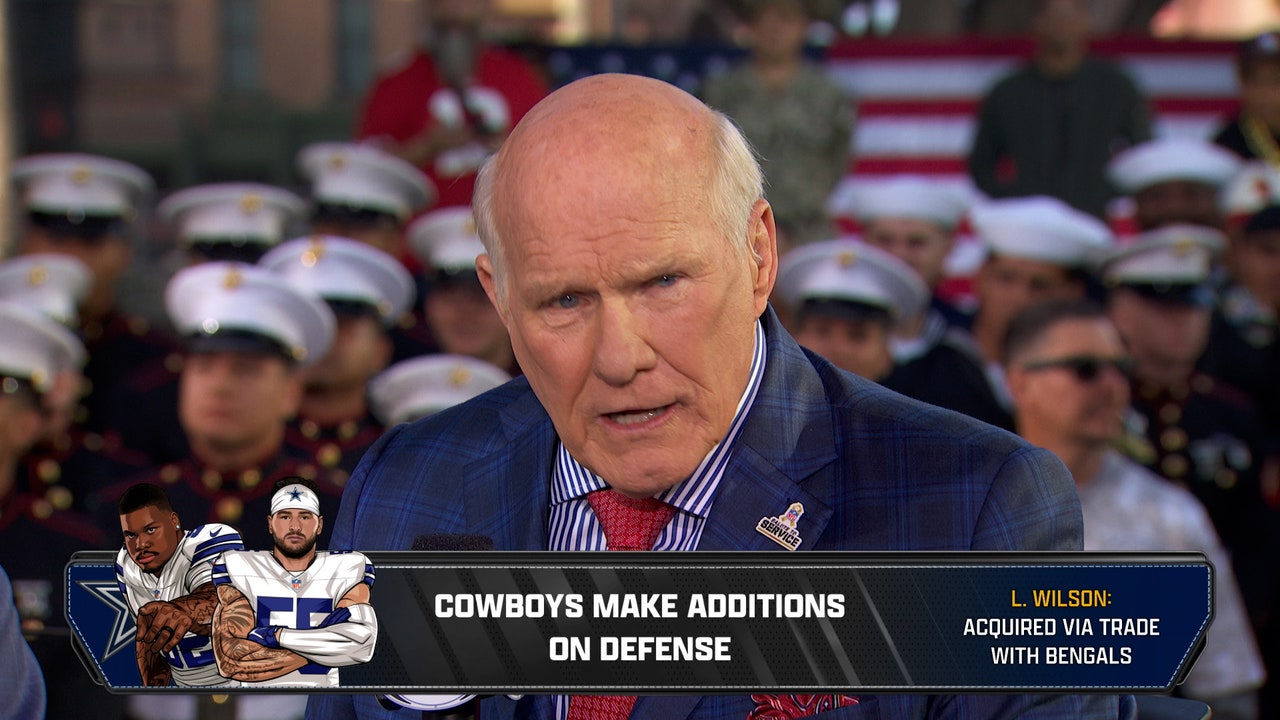
Terry Bradshaw Dislikes Cowboys' Deadline Deal: 'I Would Not Have Done That'
Entities mentioned:
- Terry Bradshaw: Professional pride, Competitive spirit, Righteousness
- Jerry Jones: Ambition, Competitive spirit, Legacy
- Dallas Cowboys: Competitive spirit, Ambition, Recognition
- Quinnen Williams: Professional pride, Ambition, Recognition
Article Assessment:
Credibility Score: 75/100
Bias Rating: 50/100 (Center)
Sentiment Score: 45/100
Authoritarianism Risk: 20/100 (Strongly Democratic)
Bias Analysis:
The article presents both positive and negative views on the trade, quoting multiple sources. It maintains a balanced approach, providing statistics and context without favoring one side.
Key metric: NFL Team Performance
Let me tell you something - this trade deadline drama is HEATING UP! The Cowboys are making fourth quarter moves, but Terry Bradshaw is throwing the challenge flag! He's saying Jerry Jones fumbled the ball on this one, folks. The Cowboys gave up MAJOR draft capital for Quinnen Williams, but Bradshaw thinks they're not even in the Super Bowl conversation. It's a Hail Mary play that could backfire! Williams is an All-Pro defensive titan, but can he be the game-changer Dallas needs to turn their losing season around? This is a high-stakes gamble that could make or break the Cowboys' championship dreams. Jerry Jones is playing 4D chess while Bradshaw's saying he should've stuck to checkers. It's a clash of titans in the football world, and I'm telling you right now, this story is far from over!