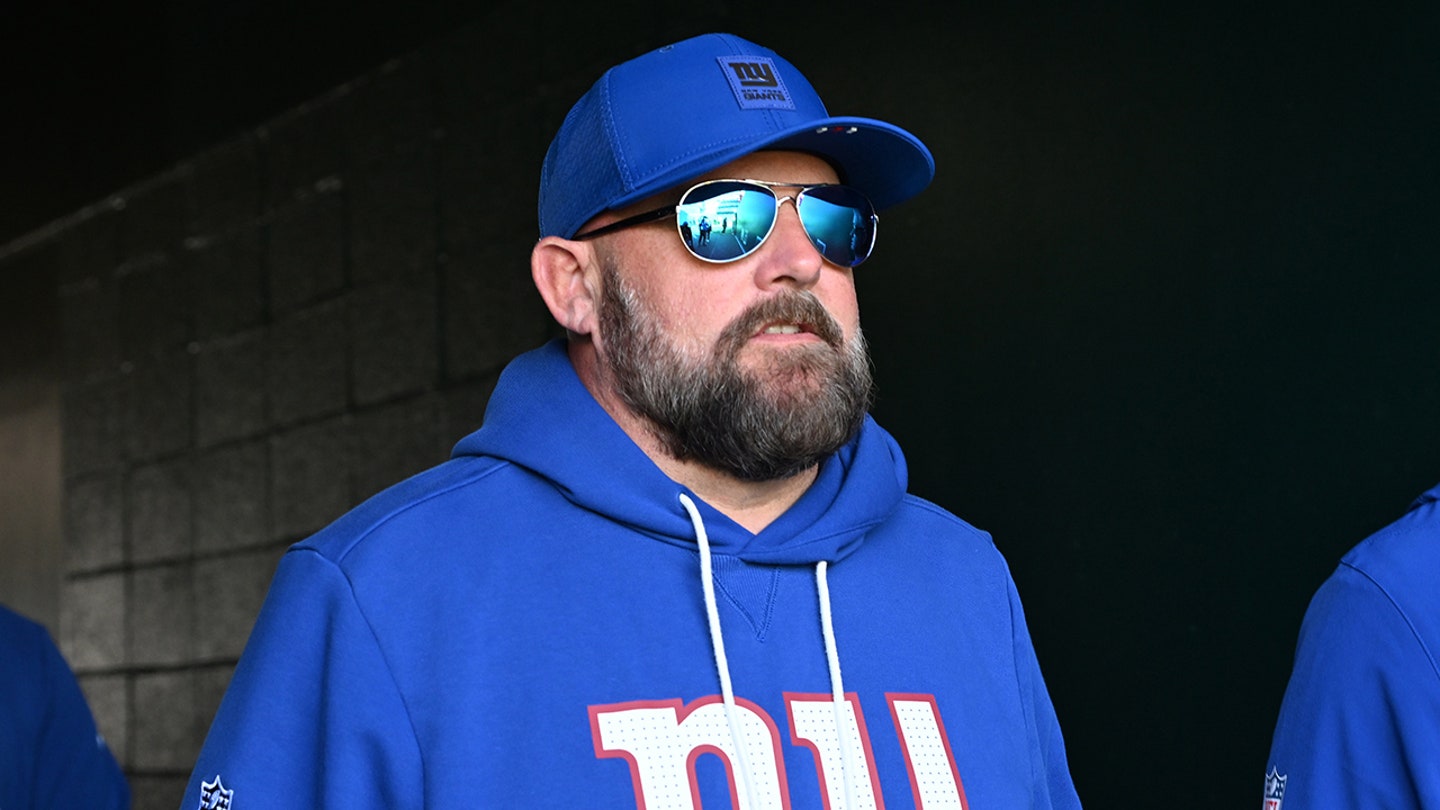
Reports: Giants part ways with head coach Brian Daboll
Entities mentioned:
- Brian Daboll: Ambition, Professional pride, Legacy
- New York Giants: Competitive spirit, Pride, Recognition
- John Mara and Steve Tisch: Determination, Competitive spirit, Legacy
- Mike Kafka: Ambition, Professional pride, Opportunity
Article Assessment:
Credibility Score: 75/100
Bias Rating: 50/100 (Center)
Sentiment Score: 35/100
Authoritarianism Risk: 20/100 (Strongly Democratic)
Bias Analysis:
The article presents a balanced view of the situation, providing factual information about the coaching change. It includes quotes from team management and contextual information about the team's performance.
Key metric: NFL Team Performance
Let me tell you something, folks - this is a GAME-CHANGING move by the New York Giants! They're pulling the trigger mid-season, showing they're not afraid to make tough calls when the scoreboard isn't in their favor. Daboll's coaching career with the Giants started off like a rookie sensation, taking the team to the playoffs in his debut season. But just like a sophomore slump, Year 2 has been nothing but fumbles and interceptions. The Giants' front office is showing championship mentality here, folks. They're not waiting for the clock to run out on the season - they're making fourth quarter adjustments to salvage what's left of their playoff hopes. This is the kind of bold strategy you see from teams hungry for that Lombardi Trophy. Mike Kafka is now stepping up to the plate as interim head coach, and let me tell you, he's got to come out swinging if he wants to turn this team around. The Giants are in a defensive stance right now, but with some fresh plays from the sidelines, they might just be able to mount a comeback in the second half of the season. I'm telling you right now, this is the kind of mid-game substitution that separates the contenders from the pretenders!
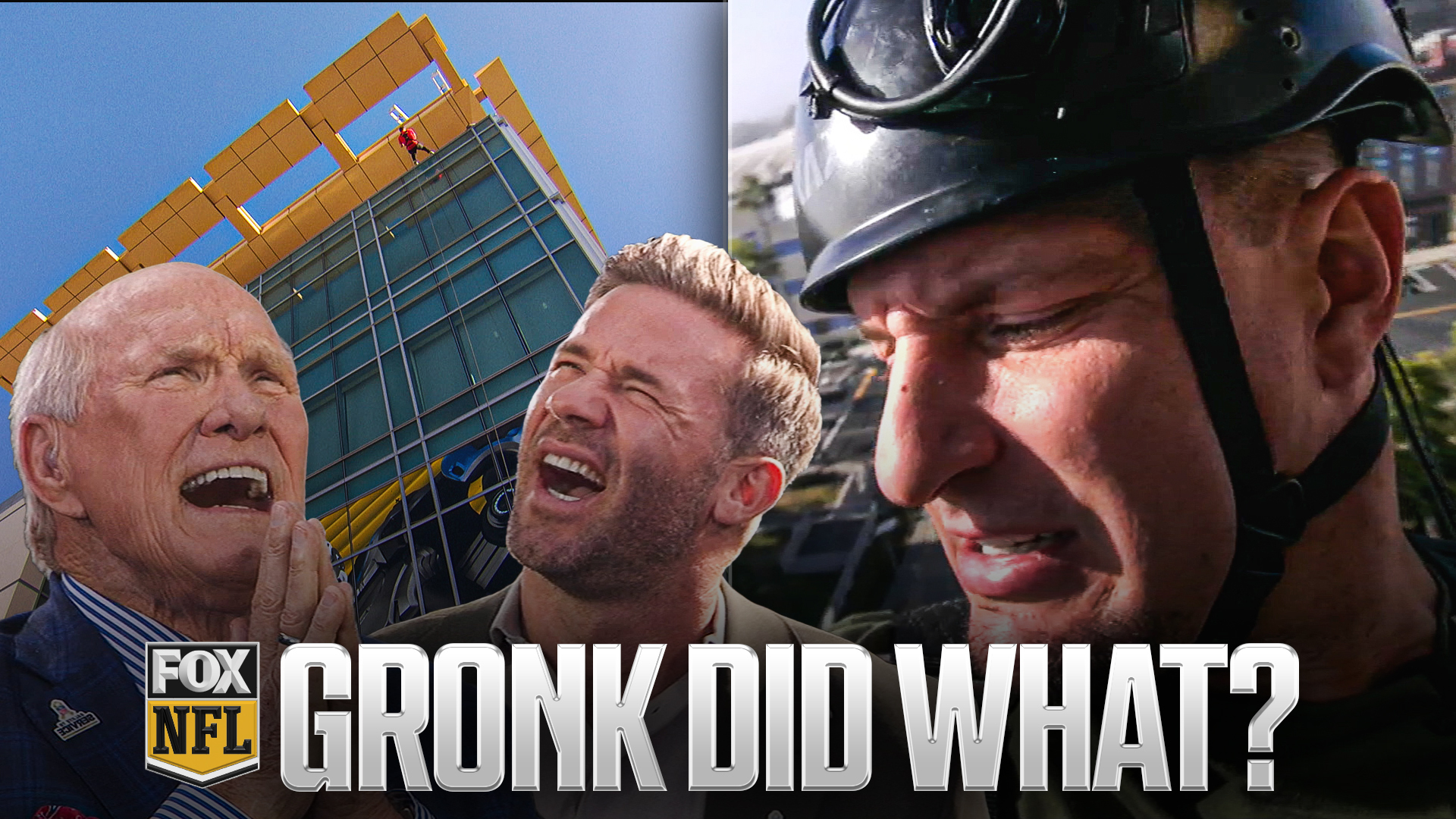
Rob Gronkowski Rappels Down 5-Story Building in Wild 'FOX NFL Sunday' Stunt
Entities mentioned:
- Rob Gronkowski: Competitive spirit, Recognition, Enthusiasm
- FOX NFL Sunday: Ambition, Professional pride, Recognition
- Veterans and Active Duty Service Members: Duty, Self-respect, Sacrifice
Article Assessment:
Credibility Score: 85/100
Bias Rating: 50/100 (Center)
Sentiment Score: 75/100
Authoritarianism Risk: 20/100 (Strongly Democratic)
Bias Analysis:
The article presents a straightforward account of the event without apparent political leanings. It focuses on describing the stunt and honoring veterans, maintaining a neutral stance.
Key metric: TV Ratings
Let me tell you something - this story is RIDICULOUS! Gronk just scored a TOUCHDOWN for FOX NFL Sunday with this GAME-CHANGING play! This guy's got the championship mentality, folks. He's not just sitting on the sidelines, he's STEPPING UP TO THE PLATE and rappelling down a 5-story building like it's the 4th quarter of the Super Bowl! This is the kind of GUTSY PERFORMANCE that separates the contenders from the pretenders. FOX is playing 4D chess here, folks, bringing in a STAR PLAYER like Gronk to honor our veterans. They're not just playing to win the day, they're playing to win the SEASON in the ratings game!