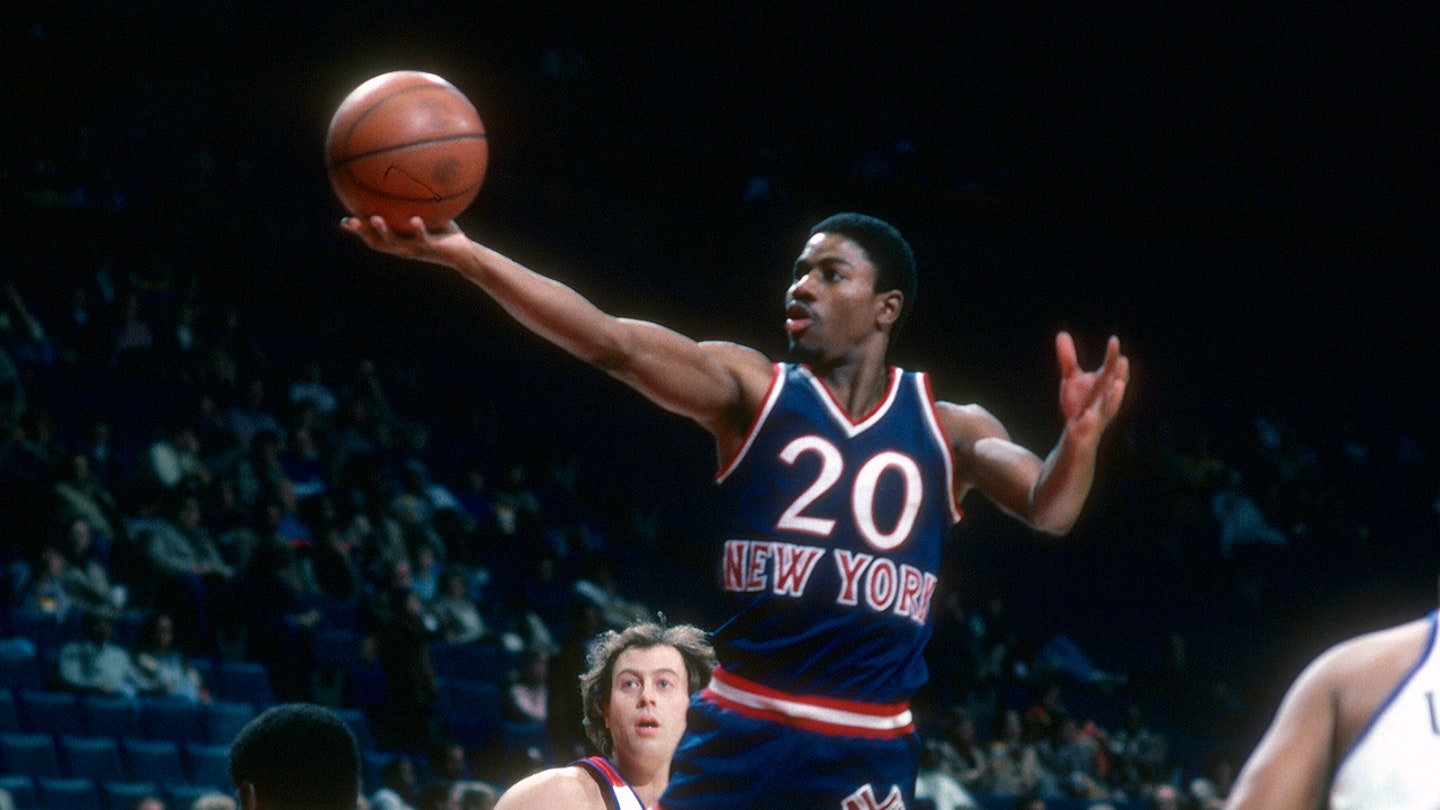
Ex-NBA star Michael Ray Richardson, who was banned for life by league, dead at 70
Entities mentioned:
- Michael Ray Richardson: Competitive spirit, Determination, Self-preservation
- NBA: Control, Professional pride, Justice
- New York Knicks: Loyalty, Recognition, Competitive spirit
- David Stern: Justice, Professional pride, Duty
Article Assessment:
Credibility Score: 75/100
Bias Rating: 50/100 (Center)
Sentiment Score: 40/100
Authoritarianism Risk: 35/100 (Generally Democratic)
Bias Analysis:
The article presents a balanced view of Richardson's career, highlighting both his accomplishments and controversies. It includes multiple perspectives, including Richardson's own claims about unfair treatment.
Key metric: NBA Player Longevity and Conduct
Let me tell you something - this story is a GAME-CHANGER! Michael Ray Richardson was a DEFENSIVE POWERHOUSE, folks, a true all-star player who could shut down opponents like a championship goalie! But just when he was at the top of his game, BAM! - he fumbled the ball with those drug violations. The NBA, playing hardball like a tough coach, threw the red flag and benched him for life. It's like watching a star quarterback get sacked on the biggest play of his career! Richardson tried to dodge and weave with overseas play, but he never made it back to the big leagues. This is a cautionary tale, sports fans - a reminder that even the most talented players can get knocked out of the game if they don't play by the rules. Richardson's career was a rollercoaster ride with more ups and downs than a championship series going to Game 7!
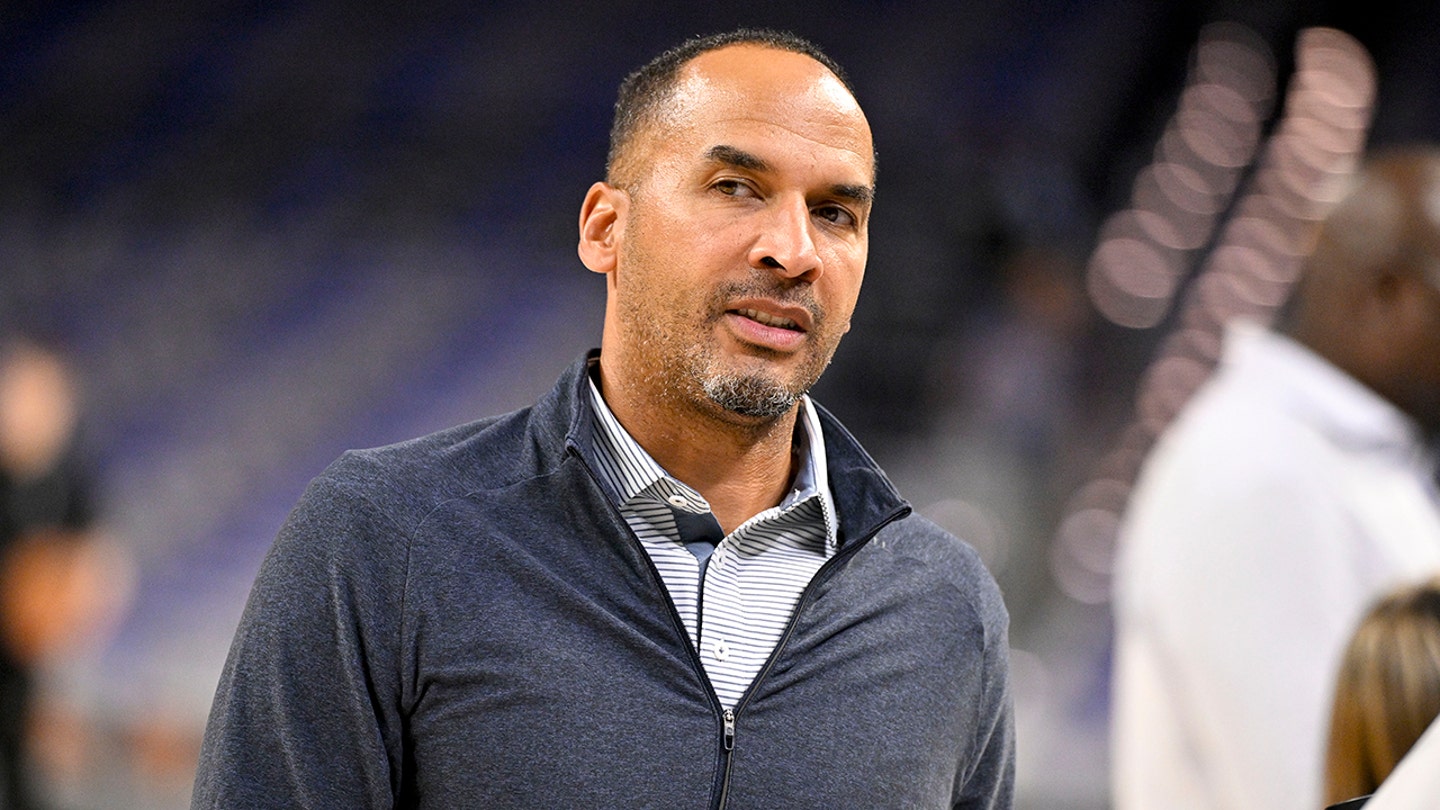
Mavericks fire general manager months after infamous Luka Doncic trade
Entities mentioned:
- Dallas Mavericks: Competitive spirit, Ambition, Recognition
- Nico Harrison: Self-preservation, Legacy, Professional pride
- Patrick Dumont: Ambition, Competitive spirit, Legacy
- Luka Doncic: Competitive spirit, Recognition, Ambition
- Jason Kidd: Professional pride, Competitive spirit, Loyalty
Article Assessment:
Credibility Score: 75/100
Bias Rating: 50/100 (Center)
Sentiment Score: 35/100
Authoritarianism Risk: 20/100 (Strongly Democratic)
Bias Analysis:
The article presents a balanced view of the situation, including quotes from multiple perspectives. It provides context and background information without showing clear favoritism to any side.
Key metric: NBA Team Performance
Let me tell you something - this is a GAME-CHANGING move! The Mavericks have just made a fourth-quarter substitution by benching their GM Nico Harrison. This front office shake-up is like calling a crucial timeout when you're down double digits! The infamous Doncic trade was Harrison's Hail Mary pass that fell incomplete, and now he's been sacked faster than a quarterback with a weak offensive line. I'm telling you right now, this franchise is in a full-court press to turn their season around. They're bringing in a dynamic duo of Finley and Riccardi as co-GMs, tag-teaming to get this struggling squad back on track. It's crunch time for the Mavs, and they're pulling out all the stops to avoid a season-long slump. This is the kind of bold strategy you see from a team with its back against the wall, fighting to stay relevant in the cutthroat Western Conference. The pressure is ON for this organization to step up to the plate and knock it out of the park with their next move!