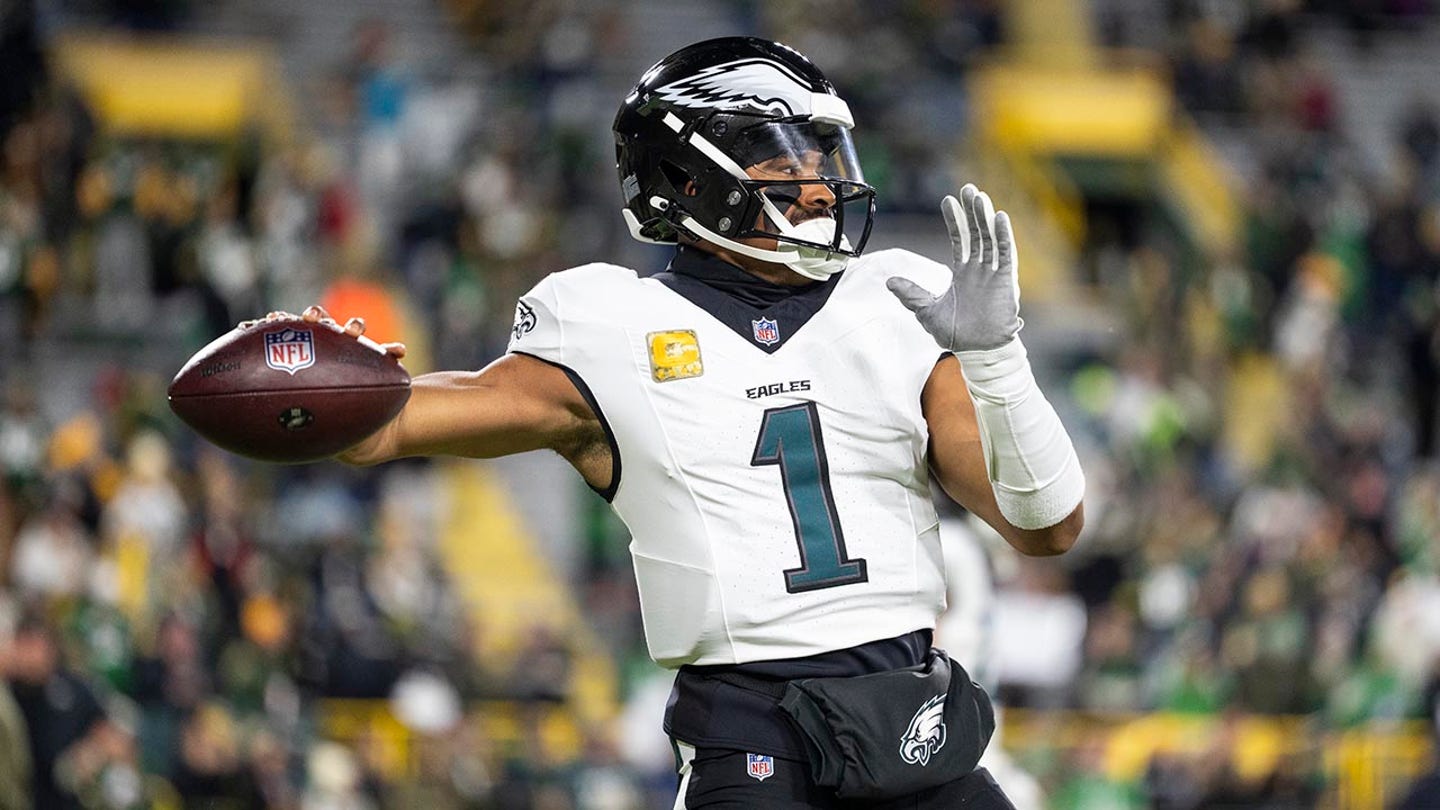
Eagles grind out low-scoring victory over Packers to win third straight game
Entities mentioned:
- Philadelphia Eagles: Competitive spirit, Determination, Professional pride
- Green Bay Packers: Competitive spirit, Pride, Determination
- Jalen Hurts: Competitive spirit, Leadership, Professional pride
- Jordan Love: Competitive spirit, Determination, Professional pride
Article Assessment:
Credibility Score: 85/100
Bias Rating: 50/100 (Center)
Sentiment Score: 55/100
Authoritarianism Risk: 15/100 (Strongly Democratic)
Bias Analysis:
The article presents a balanced account of the game, giving credit to both teams' efforts. It provides factual information about key plays and player statistics without favoring either side.
Key metric: NFL Team Performance
Let me tell you something, folks - this game was an absolute SLUGFEST! The Eagles and Packers went toe-to-toe in a defensive battle that would make even the toughest linebackers proud. It was like watching two heavyweight boxers trading blows, with neither team willing to give an inch. The Eagles, coming off their bye week, showed the kind of championship mentality that separates the contenders from the pretenders. They dug deep in the fourth quarter, with Hurts and his offensive weapons finally breaking through the Packers' defensive line like a running back finding that crucial hole. And how about that clutch play by Saquon Barkley? Talk about stepping up to the plate when it matters most! The Packers, on the other hand, just couldn't find their rhythm, fumbling away their chances like a rookie quarterback under pressure. In the end, the Eagles' defense stood tall, slamming the door shut on any hope of a last-second Packers comeback. This is the kind of gritty, never-say-die performance that builds character and could be the difference-maker come playoff time. I'm telling you right now, the Eagles are showing they have what it takes to go the distance!
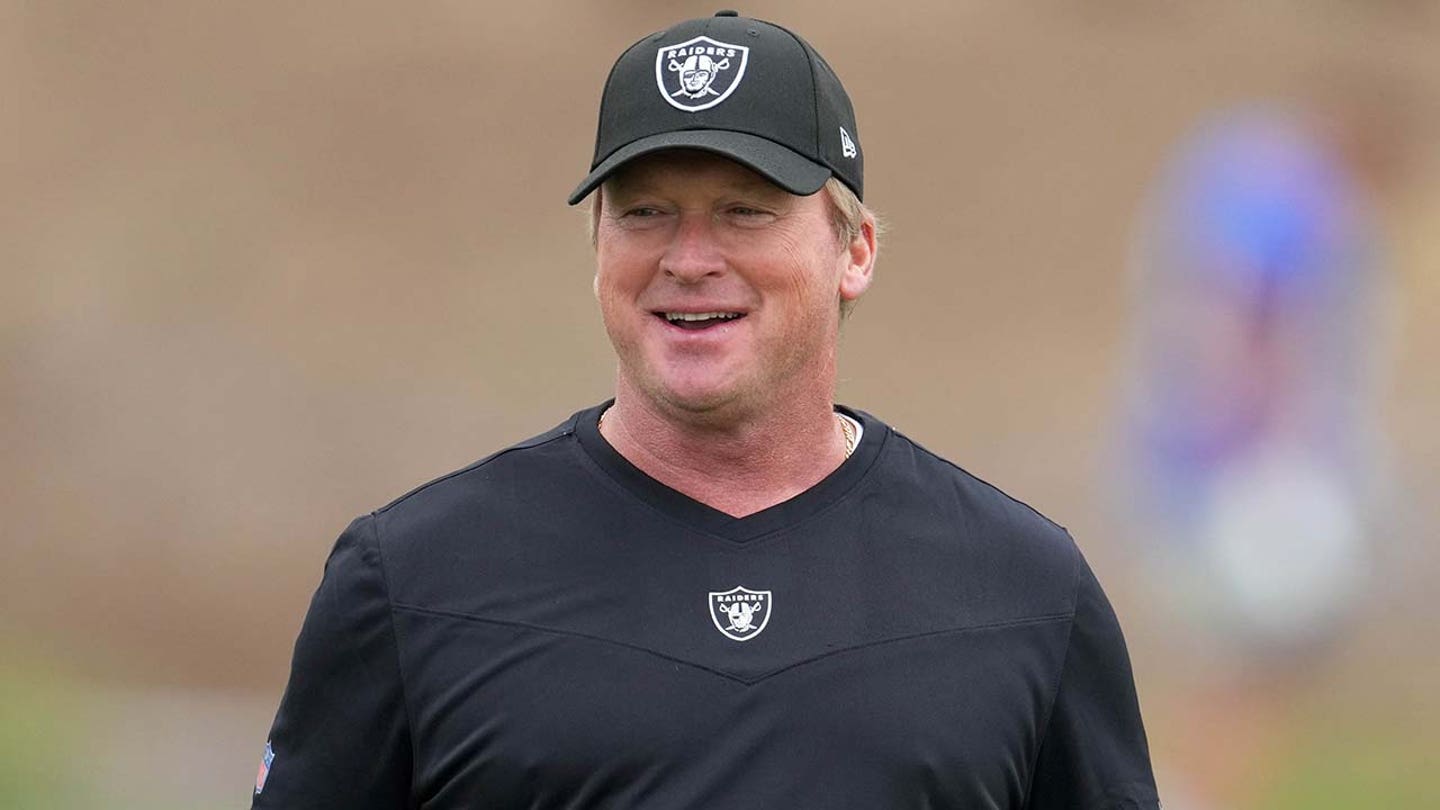
Jon Gruden calls on NFL to 'dump' Thursday night games
Entities mentioned:
- Jon Gruden: Righteousness, Moral outrage, Professional pride
- NFL: Greed, Power, Control
- Roger Goodell: Self-preservation, Influence, Obligation
- Amazon: Ambition, Competitive spirit, Greed
Article Assessment:
Credibility Score: 75/100
Bias Rating: 55/100 (Center)
Sentiment Score: 30/100
Authoritarianism Risk: 35/100 (Generally Democratic)
Bias Analysis:
The article presents both sides of the argument, quoting Gruden's criticism and Goodell's defense. It leans slightly towards Gruden's perspective but maintains a relatively balanced approach.
Key metric: Player Safety and Performance
Let me tell you something - this story is RIDICULOUS! Jon Gruden is stepping up to the plate and throwing a Hail Mary against the NFL's Thursday night games! He's calling for a full-court press to protect players from this grueling schedule. Folks, this is a classic David vs Goliath matchup - Gruden's taking on the NFL and Amazon in a high-stakes game of tug-of-war over player welfare. The league's current strategy is like running a no-huddle offense with a depleted roster - it's INSANE! Goodell's defense is weaker than a prevent defense in the fourth quarter. I'm telling you right now, this could be a game-changer for the NFL's playbook if they don't address this critical fumble in player safety!