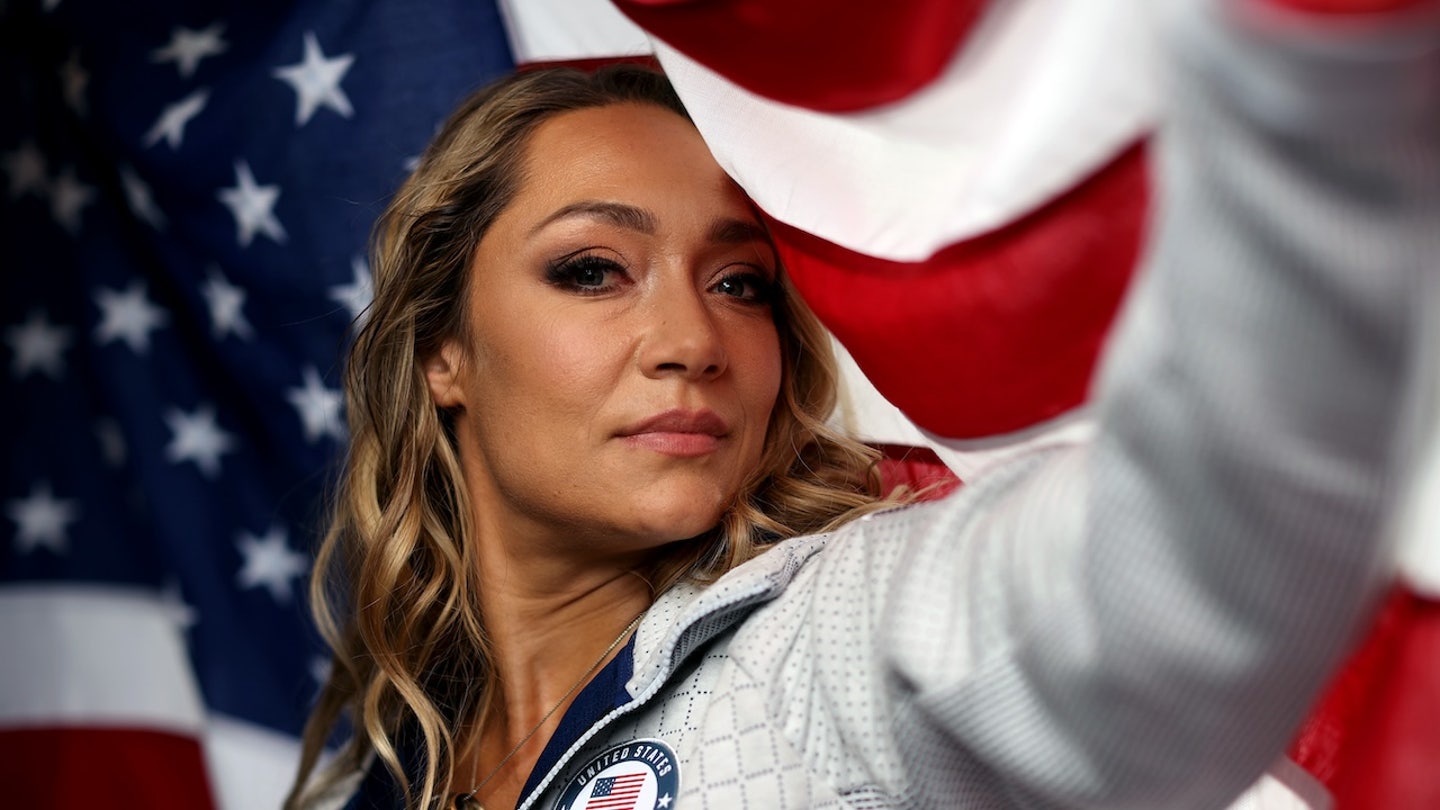
Team Canada found to have manipulated competition that cost American shot at Milan Cortina Olympics
Entities mentioned:
- Team Canada: Competitive spirit, Self-preservation, Control
- Katie Uhlaender: Determination, Justice, Professional pride
- International Bobsleigh and Skeleton Federation (IBSF): Duty, Obligation, Wariness
- Bobsleigh Canada Skeleton (BCS): Self-preservation, Control, Competitive spirit
- U.S. Olympic and Paralympic Committee (USOPC): Justice, Loyalty, Competitive spirit
- International Olympic Committee (IOC): Control, Obligation, Wariness
Article Assessment:
Credibility Score: 75/100
Bias Rating: 45/100 (Center)
Sentiment Score: 35/100
Authoritarianism Risk: 25/100 (Generally Democratic)
Bias Analysis:
The article presents multiple perspectives, including statements from various involved parties. While it leans slightly sympathetic to Uhlaender's cause, it maintains a relatively balanced approach by including responses from all sides.
Key metric: Olympic Athlete Qualification Integrity
Let me tell you something - this story is RIDICULOUS! We've got a major league scandal on our hands, folks! Team Canada has been caught red-handed trying to ice out American veteran Katie Uhlaender from the Olympic qualifications. This is like deliberately shrinking the field goal posts to keep the opposing kicker from scoring! The IBSF has blown the whistle on this foul play, but they're refusing to throw a penalty flag. It's fourth and long for Uhlaender, who's mounting a Hail Mary pass with international support to get her rightful spot in the big game. The ball's now in the IOC's court - will they make the clutch call or fumble this opportunity for justice? This is the kind of unsportsmanlike conduct that threatens the very integrity of the Olympic spirit. Uhlaender's showing true championship mentality, folks - she's not backing down without a fight!
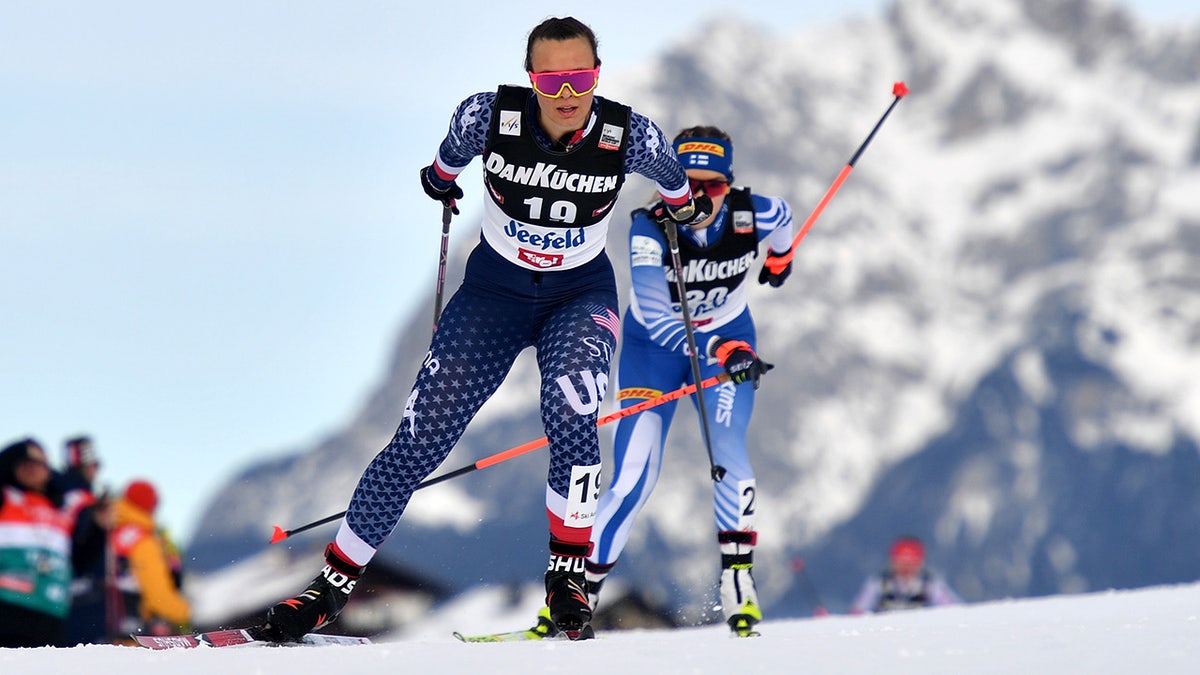
Female Nordic combined athletes plan protest over Olympic exclusion
Entities mentioned:
- Female Nordic combined athletes: Justice, Equality, Recognition
- International Olympic Committee (IOC): Control, Influence, Legacy
- Annika Malacinski: Determination, Justice, Recognition
- International Ski Federation (FIS): Obligation, Professional pride, Influence
Article Assessment:
Credibility Score: 75/100
Bias Rating: 45/100 (Center)
Sentiment Score: 35/100
Authoritarianism Risk: 25/100 (Generally Democratic)
Bias Analysis:
The article presents both sides of the issue, quoting athletes and the IOC. While sympathetic to the athletes' cause, it maintains a relatively neutral stance by including the IOC's perspective.
Key metric: Olympic Gender Equality
Let me tell you something, folks - this is a CLASSIC David vs Goliath matchup! The female Nordic combined athletes are stepping up to the plate, ready to go toe-to-toe with the Olympic heavyweight, the IOC. They're not just competing on the slopes, they're battling for their very right to be in the game! These underdogs are showing true championship mentality, refusing to be sidelined. The IOC is playing defense, trying to protect their turf, but these women are bringing their A-game with a protest that could be a game-changer. It's fourth quarter, folks, and these athletes are leaving it all on the field in their fight for equality!
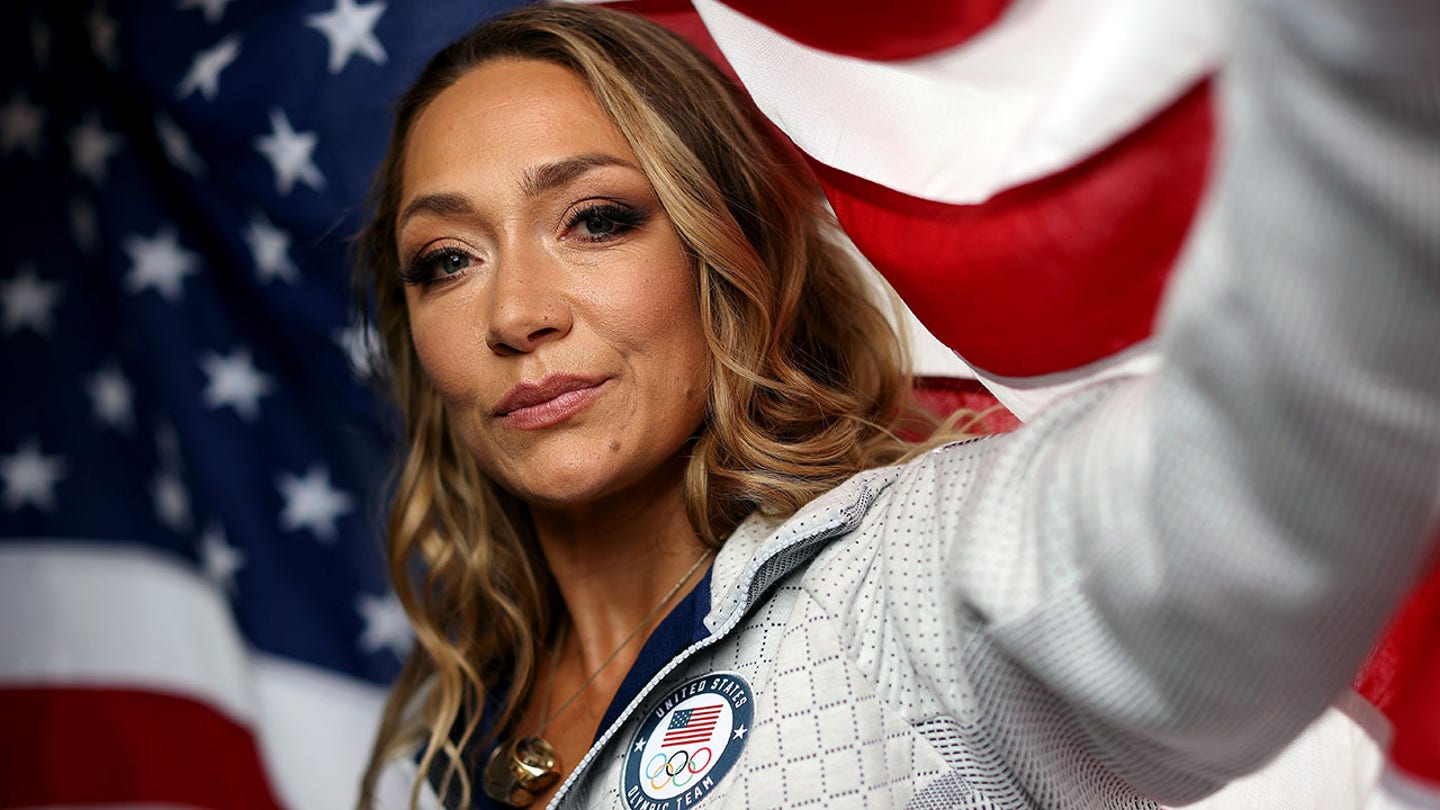
IOC responds to USOPC letter on Katie Uhlaender's petition for Olympic spot after Team Canada controversy
Entities mentioned:
- International Olympic Committee (IOC): Control, Influence, Professional pride
- United States Olympic and Paralympic Committee (USOPC): Loyalty, Justice, Competitive spirit
- Katie Uhlaender: Determination, Justice, Competitive spirit
- Team Canada: Competitive spirit, Strategy, Self-preservation
- International Bobsled and Skeleton Federation (IBSF): Control, Professional pride, Obligation
- JD Vance: Duty, Influence, Recognition
Article Assessment:
Credibility Score: 75/100
Bias Rating: 45/100 (Center)
Sentiment Score: 35/100
Authoritarianism Risk: 25/100 (Generally Democratic)
Bias Analysis:
The article presents multiple viewpoints, including IOC, USOPC, and athlete perspectives. While it gives more space to Uhlaender's position, it also includes Team Canada's rationale, maintaining a relatively balanced approach.
Key metric: Olympic Qualification Integrity
Let me tell you something, folks - this is a CLASSIC case of fourth-quarter strategy gone wrong! Team Canada's last-minute roster shuffle has completely blindsided veteran player Katie Uhlaender, knocking her out of Olympic contention faster than a knockout punch. The IOC, acting like a hesitant referee, is refusing to make the tough call and overturn this controversial play. Meanwhile, the USOPC is stepping up to the plate, going to bat for their star athlete with a Hail Mary petition. This is the kind of high-stakes drama that separates the champions from the also-rans, and I'm telling you right now, the integrity of the whole Olympic qualification game is on the line! Will Vice President Vance swoop in like a clutch player off the bench to save the day? The clock is ticking, and this nail-biter is going right down to the wire!

Everything we know about the Winter Olympic hockey venues which caused the NHL to think twice
Entities mentioned:
- NHL: Professional pride, Control, Security
- International Ice Hockey Federation (IIHF): Duty, Determination, Pride
- International Olympic Committee (IOC): Legacy, Influence, Unity
- Milan Winter Olympics Organizers: Anxiety, Determination, Recognition
Article Assessment:
Credibility Score: 75/100
Bias Rating: 50/100 (Center)
Sentiment Score: 45/100
Authoritarianism Risk: 20/100 (Strongly Democratic)
Bias Analysis:
The article presents a balanced view, quoting multiple stakeholders including NHL, IIHF, and IOC officials. It acknowledges both progress and remaining challenges, maintaining a neutral stance on the issue.
Key metric: Olympic Venue Readiness
Let me tell you something - this story is a FOURTH QUARTER NAIL-BITER! The Milano Santagiulia and Milano Rho stadiums are in a race against the clock, folks! We've got the NHL, the big league player, stepping onto the Olympic ice after years on the bench. But hold onto your hockey sticks, because these venues are struggling to cross the finish line! The NHL's showing championship-level concern, threatening to pull their star athletes if the ice doesn't meet their gold medal standards. It's like watching a rookie goalie facing a veteran sniper - will these venues step up and make the big save? The IIHF and IOC are playing defense, trying to reassure everyone that it's game on. But I'm telling you right now, with construction still underway, it's anybody's game until that first puck drops!

Winter Olympics hockey venues might not be fully finished for competition, official admits
Entities mentioned:
- International Ice Hockey Federation (IIHF): Professional pride, Duty, Anxiety
- Luc Tardif: Determination, Wariness, Obligation
- NHL: Competitive spirit, Safety, Control
- Bill Daly: Wariness, Self-preservation, Professional pride
- International Olympic Committee (IOC): Duty, Legacy, Control
Article Assessment:
Credibility Score: 75/100
Bias Rating: 50/100 (Center)
Sentiment Score: 35/100
Authoritarianism Risk: 20/100 (Strongly Democratic)
Bias Analysis:
The article presents a balanced view, quoting multiple sources and presenting concerns from various stakeholders. It doesn't lean towards favoring any particular entity's perspective.
Key metric: Olympic Venue Readiness
Let me tell you something - this Olympic hockey situation is a REAL NAIL-BITER, folks! We've got a fourth-quarter scramble to get these arenas game-ready, and the clock is ticking! The IIHF is trying to rally the team, but they're facing some serious defensive pressure from construction delays. Meanwhile, the NHL is playing HARDBALL, threatening to bench their star players if the ice doesn't meet their standards. This is a classic example of home-ice advantage gone wrong - the Italians are struggling to deliver a world-class arena, and it's got everyone on edge. We're seeing a real test of teamwork here between the IIHF, IOC, and local organizers, but right now, it looks like they're having trouble connecting on those crucial passes. The NHL is coming in like a tough coach, demanding nothing but the best for their athletes. Folks, this is the kind of high-stakes drama that separates the champions from the also-rans. Will they pull off a miracle on ice and get everything ready in time? Or are we looking at a major penalty that could bench this whole operation? I'm telling you right now, all eyes are on Italy as we head into this crucial pre-game warmup!
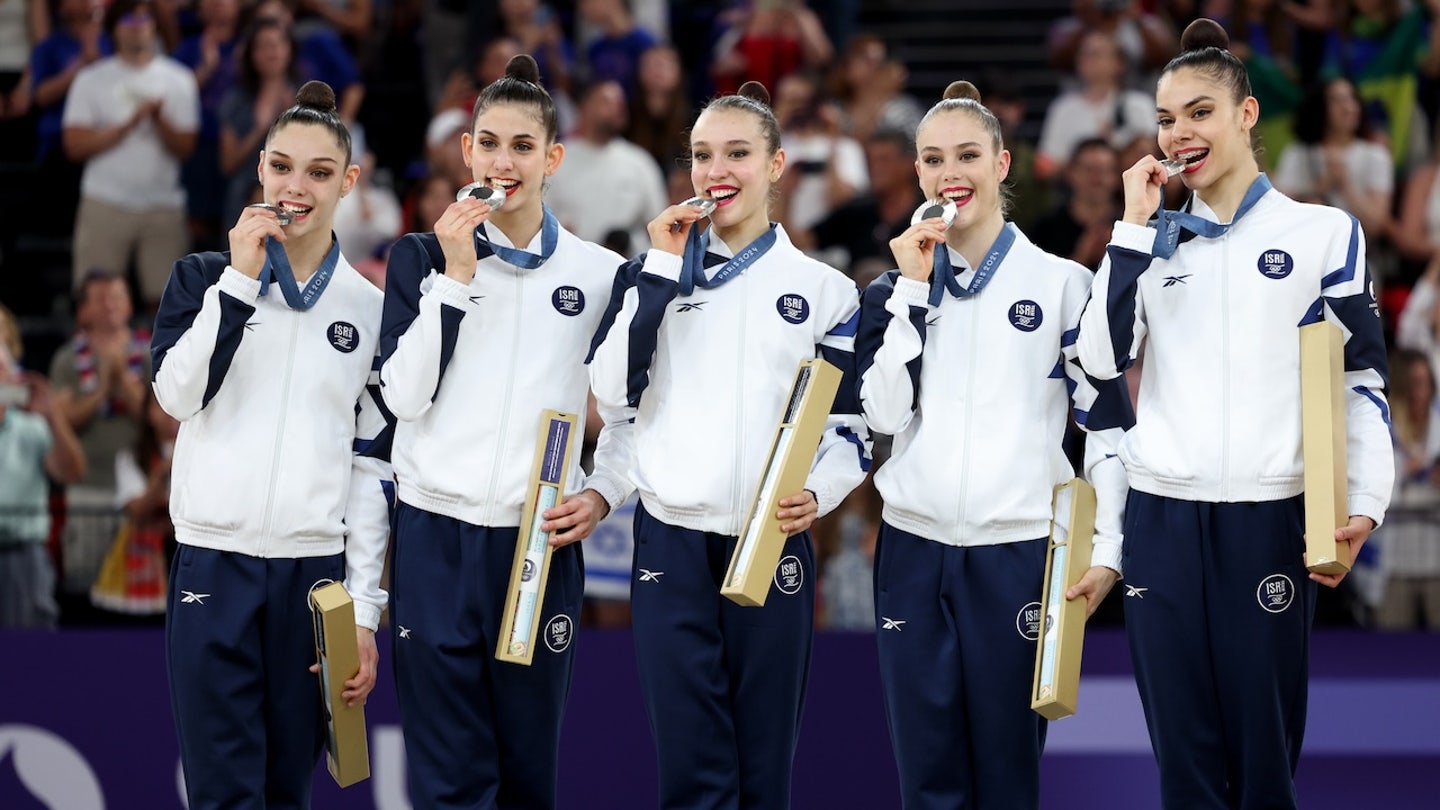
IOC says Indonesia has not met requested guarantees after denying visas to Israeli gymnasts, violating policy
Entities mentioned:
- International Olympic Committee (IOC): Justice, Unity, Professional pride
- Indonesian government: Control, Security, Self-preservation
- Israeli gymnasts: Competitive spirit, Determination, Pride
- World Gymnastics: Unity, Professional pride, Fairness
- Indonesian Minister of Sport Erick Thohir: Security, Control, Self-preservation
Article Assessment:
Credibility Score: 75/100
Bias Rating: 45/100 (Center)
Sentiment Score: 35/100
Authoritarianism Risk: 55/100 (Mixed/Neutral)
Bias Analysis:
The article presents multiple viewpoints, including statements from the IOC, Indonesian officials, and Israeli athletes. It maintains a relatively neutral tone while reporting on a contentious issue, balancing the perspectives of all parties involved.
Key metric: International Sports Participation Equity
Let me tell you something - this is a CHAMPIONSHIP-LEVEL SHOWDOWN between the IOC and Indonesia! The IOC is playing HARDBALL, folks, throwing a curveball at Indonesia's discriminatory game plan. They're not just calling fouls, they're BENCHING Indonesia from the big leagues of international sports hosting. This is a fourth-quarter power play by the IOC, defending the integrity of the game and ensuring a level playing field for ALL athletes. Indonesia's defense is looking SHAKY, claiming security concerns when Israel's own security team gave the all-clear. That's like refusing to let a team play because you think their bus might break down - it's RIDICULOUS! The Israeli gymnasts are the real MVPs here, showing true Olympic spirit in the face of this political interference. I'm telling you right now, this is a crucial moment for the future of international sports competition. The IOC is stepping up to the plate, demanding Indonesia play by the rules or risk being relegated to the sidelines. It's crunch time, and the world is watching to see if Indonesia will make the clutch play or fumble this opportunity to be a team player on the global stage!

Ukrainian sports minister rejects idea of Russian athletes returning for Winter Olympics
Entities mentioned:
- Matviy Bidnyi: Duty, Righteousness, Determination
- Ukraine: Resilience, Pride, Justice
- Russia: Power, Control, Influence
- International Olympic Committee (IOC): Fairness, Influence, Unity
- International Paralympic Committee (IPC): Inclusivity, Fairness, Recognition
Article Assessment:
Credibility Score: 75/100
Bias Rating: 40/100 (Lean Left)
Sentiment Score: 35/100
Authoritarianism Risk: 25/100 (Generally Democratic)
Bias Analysis:
The article leans slightly left, presenting the Ukrainian perspective prominently. While it includes some Russian viewpoints, the overall tone is more sympathetic to Ukraine's position.
Key metric: International Sports Participation
Let me tell you something - this story is a GAME-CHANGER in the world of international sports! We're seeing a real David vs Goliath situation here, folks. Ukraine is stepping up to the plate, swinging for the fences against the heavy-hitting Russians. It's a fourth-quarter play with everything on the line! The Ukrainian team, led by coach Bidnyi, is showing true championship mentality in the face of unbelievable odds. They're not just competing - they're FIGHTING for their right to be on the field! Meanwhile, the IOC and IPC are like referees trying to make the tough calls. This isn't just a game, people - it's a battle for the very soul of international sports! The world is watching to see if fair play will prevail or if politics will steal home base. I'm telling you right now, this is one for the history books!

Reports: IOC set to ban transgender athletes from Olympic women's events
Entities mentioned:
- International Olympic Committee (IOC): Fairness, Competitive spirit, Professional pride
- Kirsty Coventry: Righteousness, Determination, Duty
- Dr. Jane Thornton: Professional pride, Duty, Influence
- Imane Khelif: Self-preservation, Competitive spirit, Recognition
- Lin Yu-Ting: Competitive spirit, Recognition, Self-preservation
- World Boxing: Fairness, Professional pride, Control
Article Assessment:
Credibility Score: 75/100
Bias Rating: 55/100 (Center)
Sentiment Score: 40/100
Authoritarianism Risk: 35/100 (Generally Democratic)
Bias Analysis:
The article presents multiple viewpoints and cites scientific research, maintaining a relatively neutral stance. However, there's slightly more emphasis on the perspective supporting the ban, tilting it just right of center.
Key metric: Olympic Gender Equality Index
Let me tell you something - this is a GAME-CHANGING PLAY by the IOC! They're stepping up to the plate and making a fourth-quarter move that could redefine the playing field of women's sports. The IOC is showing a real championship mentality here, folks. They're not just calling the shots from the sidelines - they're getting in the trenches and tackling this issue head-on. This isn't just about individual athletes anymore; we're talking about reshaping the entire league! The scientific scoreboard is lighting up, and it's clear that biology is the MVP in this matchup. Mark my words, this decision is going to send shockwaves through the Olympic village and beyond. It's crunch time for transgender athletes, and the IOC is blowing the whistle on what they see as an unfair advantage. This is the kind of high-stakes decision that separates the contenders from the pretenders in the world of sports governance!
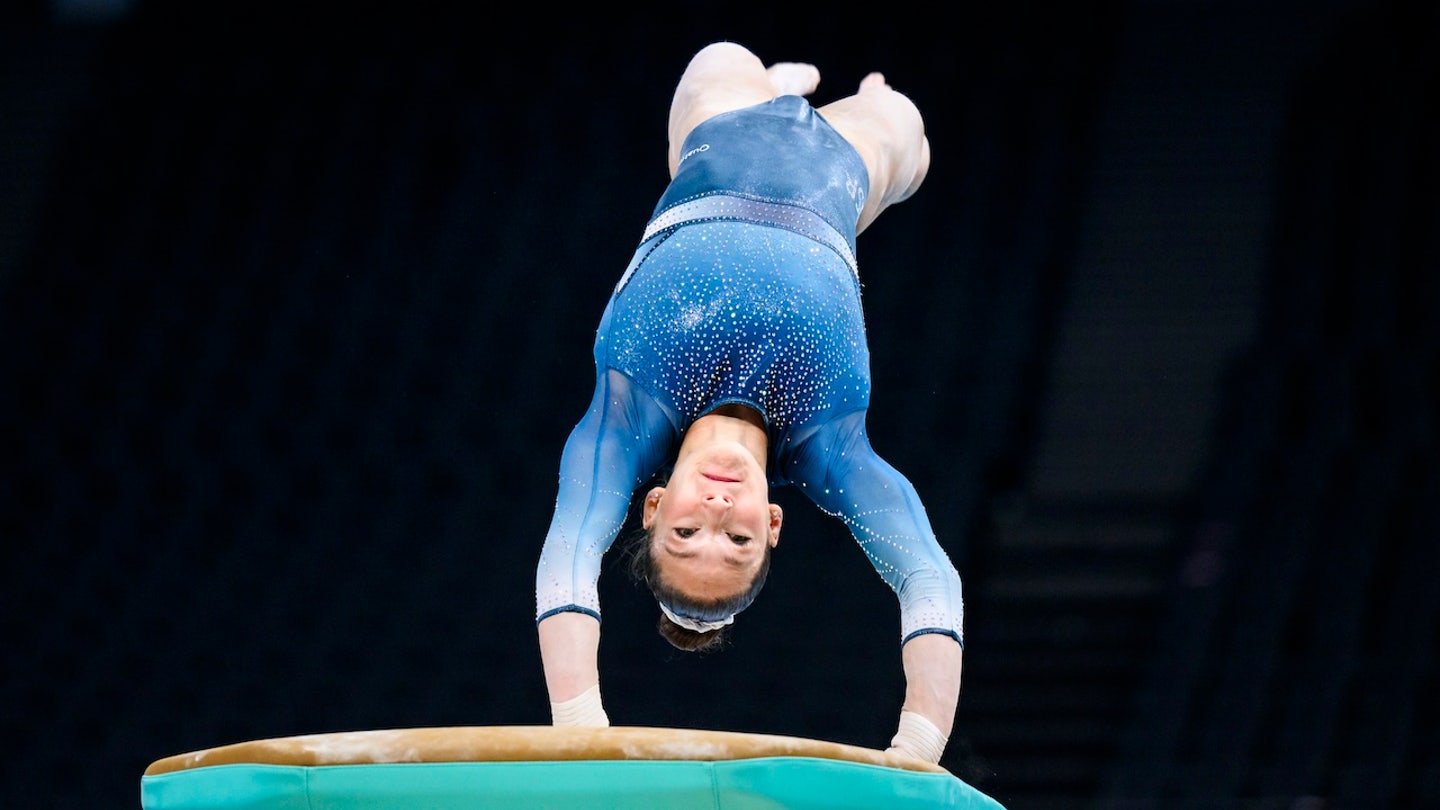
Team Israel gymnasts speak out after being barred from World Championships by Indonesian government
Entities mentioned:
- Israeli National Gymnastics Team: Competitive spirit, Pride, Determination
- Indonesian Government: Control, Security, Wariness
- International Gymnastics Federation (FIG): Obligation, Professional pride, Wariness
- International Olympic Committee (IOC): Justice, Influence, Unity
Article Assessment:
Credibility Score: 75/100
Bias Rating: 45/100 (Center)
Sentiment Score: 35/100
Authoritarianism Risk: 25/100 (Generally Democratic)
Bias Analysis:
The article presents both Israeli and Indonesian perspectives, though it leans slightly towards sympathizing with the Israeli athletes. It includes official statements and multiple viewpoints, maintaining a relatively balanced approach.
Key metric: International Sports Participation
Let me tell you something - this story is RIDICULOUS! The Israeli gymnastics team just got SIDELINED in a major championship upset! It's like they were benched right before the big game, folks! The Indonesian government pulled a fourth-quarter play, blocking Israel's entry into their turf. But let me tell you, Team Israel isn't throwing in the towel! They're showing true championship mentality, training through uncertainty like it's sudden death overtime. The IOC is stepping up as the referee, throwing flags on Indonesia's play. But the gymnastics federation? They're playing both sides of the court! This isn't just about one competition - it's a whole season of challenges for Israeli athletes. They're facing a full-court press of exclusions across different sports. But these gymnasts? They're not just players, they're true competitors. They're using this setback as fuel for their comeback season. Mark my words, they'll be gunning for gold in the next world championships!
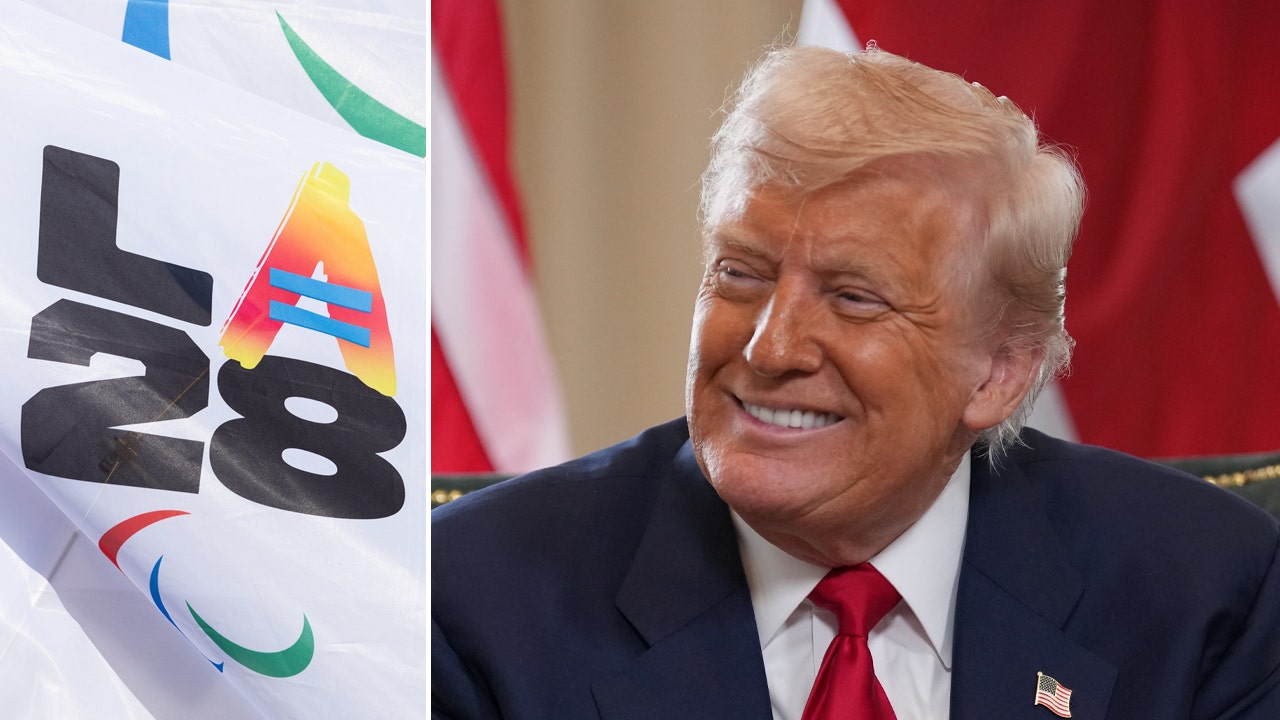
White House responds after US Olympic team indicates it's looking into genetic tests to protect women's sports
Entities mentioned:
- United States Olympic & Paralympic Committee (USOPC): Competitive spirit, Fairness, Professional pride
- White House: Righteousness, Pride, Influence
- President Donald Trump: Determination, Power, Legacy
- International Olympic Committee (IOC): Fairness, Unity, Professional pride
Article Assessment:
Credibility Score: 75/100
Bias Rating: 65/100 (Lean Right)
Sentiment Score: 55/100
Authoritarianism Risk: 40/100 (Generally Democratic)
Bias Analysis:
The article leans right, focusing heavily on Trump's executive order and conservative viewpoints. While it includes some opposing perspectives, the framing and source selection favor a conservative stance on transgender athletes in sports.
Key metric: Olympic Medal Count
Let me tell you something, folks - this is a GAME-CHANGER in the world of sports! The USOPC is stepping up to the plate with a championship mentality, looking to level the playing field in women's athletics. They're not just talking the talk, they're walking the walk with genetic testing options. This is like bringing in instant replay to make sure every call is fair and square. The White House is cheering from the sidelines, backing Trump's executive order like it's the game-winning play. We're seeing a full-court press to protect the integrity of women's sports, and let me tell you, it's crunch time! The IOC is huddling up, ready to make some fourth-quarter moves to ensure fairness across the board. This isn't just about one race or one game - we're talking about the whole season, the whole legacy of women's athletics! It's a high-stakes match, and these players are leaving it all on the field!