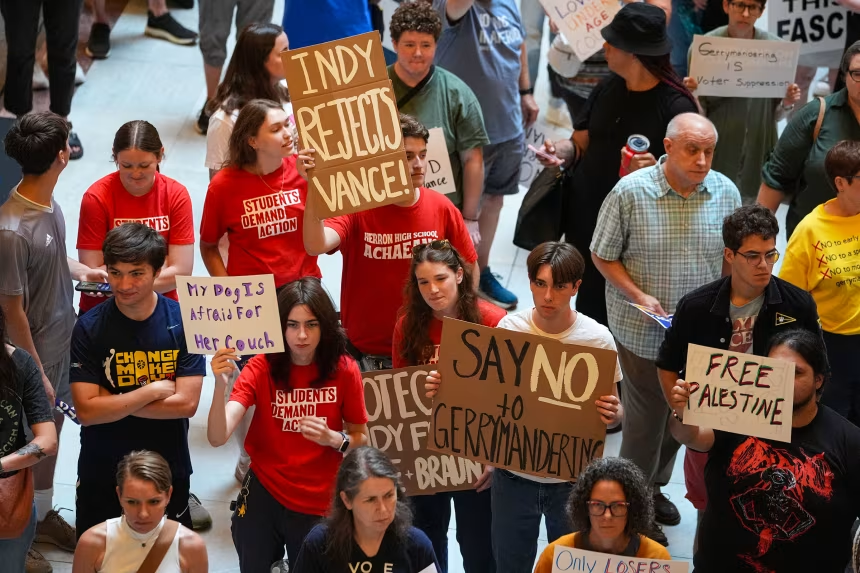
Republicans are going outside of Texas to try to redraw more US House seats
Entities mentioned:
- National Republicans: Power, Control, Competitive spirit
- Donald Trump: Power, Influence, Revenge
- JD Vance: Influence, Loyalty, Ambition
- GOP state lawmakers: Self-preservation, Wariness, Loyalty
- Democrats: Self-preservation, Justice, Competitive spirit
- Mike Braun: Wariness, Self-preservation, Loyalty
- Ralph Norman: Ambition, Competitive spirit, Power
- Nancy Mace: Self-preservation, Wariness, Professional pride
- Jim Clyburn: Self-preservation, Justice, Loyalty
- Mike Kehoe: Loyalty, Power, Competitive spirit
- Emanuel Cleaver: Self-preservation, Justice, Determination
- Daniel Perez: Power, Influence, Loyalty
- Ron DeSantis: Power, Ambition, Control
Article Assessment:
Credibility Score: 75/100
Bias Rating: 45/100 (Center)
Sentiment Score: 45/100
Authoritarianism Risk: 65/100 (Authoritarian Tendencies)
Bias Analysis:
The article presents a relatively balanced view, including perspectives from both Republicans and Democrats. While it focuses more on Republican strategies, it also mentions potential drawbacks and opposition, indicating an attempt at neutrality.
Key metric: Congressional Seat Distribution
As a social scientist, I analyze that this article highlights a concerted effort by Republican leadership to redraw congressional districts in multiple states to gain more GOP-friendly seats ahead of the 2026 midterm elections. This strategy, seemingly driven by Trump and his allies, aims to consolidate Republican power in the House of Representatives. The approach faces several challenges, including potential legal issues, resistance from some GOP state lawmakers, and the risk of spreading Republican votes too thin. The article showcases the tension between national party goals and local political realities, as well as the ongoing debate over the fairness and legality of redistricting practices. This redistricting push could significantly impact the balance of power in Congress and potentially alter the representation of minority communities, raising important questions about democratic representation and the long-term implications of partisan gerrymandering.
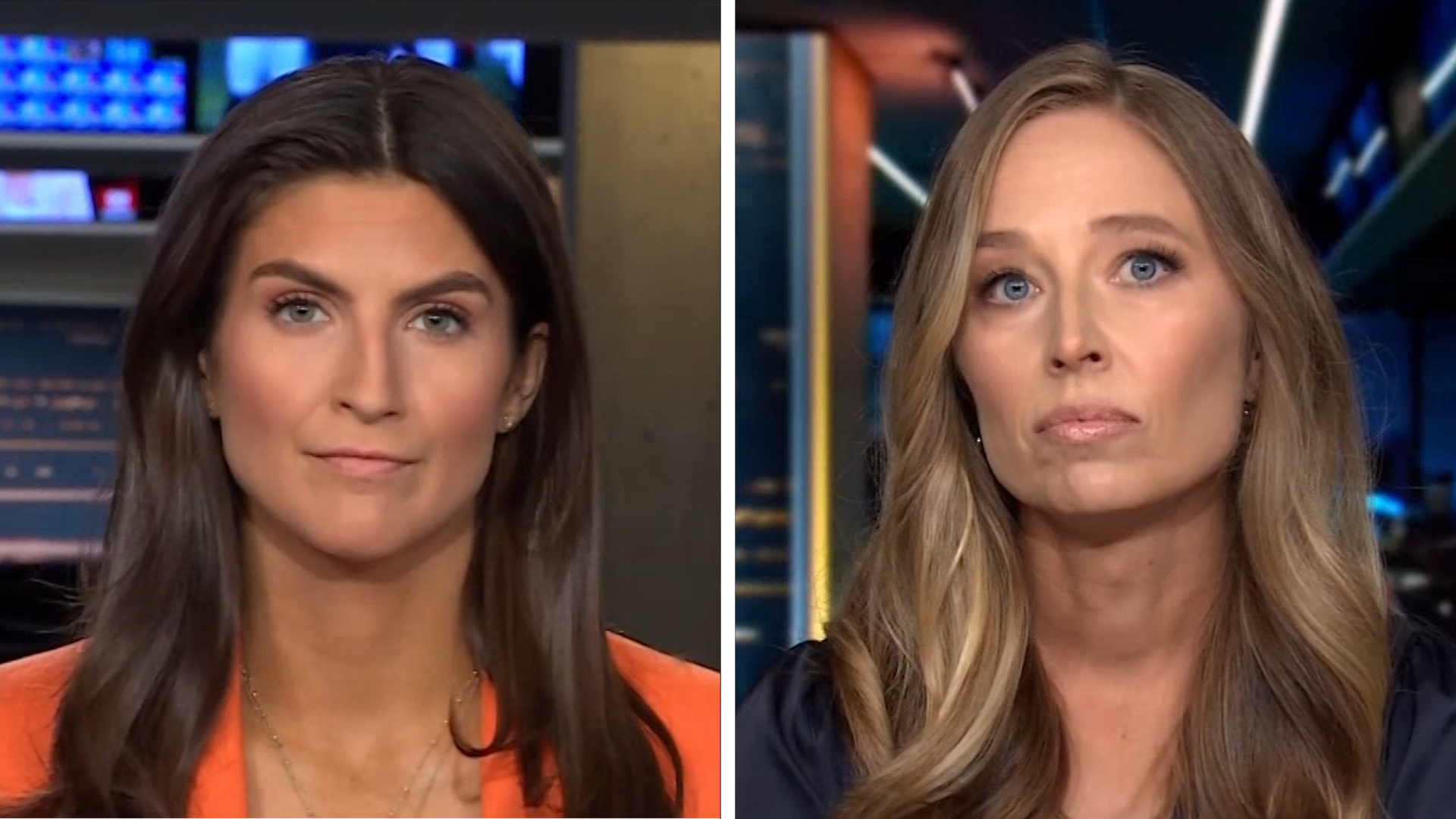
Epstein victims are a growing political threat to Trump
Entities mentioned:
- Jeffrey Epstein: Power, Control, Greed
- Donald Trump: Self-preservation, Power, Control
- Epstein victims: Justice, Recognition, Self-respect
- Pam Bondi: Loyalty, Duty, Self-preservation
- Ghislaine Maxwell: Self-preservation, Loyalty, Control
- Virginia Giuffre: Justice, Recognition, Self-respect
- Sky Roberts: Justice, Moral outrage, Recognition
- JD Vance: Loyalty, Ambition, Self-preservation
- Kash Patel: Loyalty, Duty, Self-preservation
- Annie Farmer: Justice, Recognition, Moral outrage
- Todd Blanche: Duty, Loyalty, Self-preservation
- Jennifer Freeman: Justice, Moral outrage, Professional pride
Article Assessment:
Credibility Score: 75/100
Bias Rating: 35/100 (Lean Left)
Sentiment Score: 25/100
Authoritarianism Risk: 45/100 (Mixed/Neutral)
Bias Analysis:
The article leans left, evidenced by its critical tone towards the Trump administration and sympathetic portrayal of Epstein's victims. While it presents factual information, the framing and language choices suggest a skeptical view of the administration's handling of the situation.
Key metric: Public Trust in Government Institutions
As a social scientist, I analyze that this article highlights a significant tension between political self-preservation and the pursuit of justice for victims of sexual abuse. The handling of the Epstein case by the Trump administration appears to prioritize political damage control over transparency and justice for the victims. This approach risks further eroding public trust in government institutions, particularly the Department of Justice. The victims' increasing vocalization and media attention could potentially shift public opinion and apply pressure on the administration to take more substantive action. The article suggests a growing political threat to Trump from the Epstein victims, which could impact his support base and overall public perception. The lack of representation of survivors in high-level meetings and the administration's apparent focus on political maneuvering rather than addressing victims' concerns indicate a disconnect between government actions and public expectations for justice and accountability.

Planned dinner for Trump officials to discuss Epstein appears to have been moved amid media scrutiny
Entities mentioned:
- JD Vance: Unity, Influence, Duty
- Pam Bondi: Power, Recognition, Professional pride
- Kash Patel: Power, Professional pride, Loyalty
- Susie Wiles: Control, Unity, Duty
- Dan Bongino: Self-preservation, Professional pride, Recognition
- Todd Blanche: Duty, Professional pride, Loyalty
- William Martin: Loyalty, Duty, Control
Article Assessment:
Credibility Score: 65/100
Bias Rating: 55/100 (Center)
Sentiment Score: 35/100
Authoritarianism Risk: 45/100 (Mixed/Neutral)
Bias Analysis:
The article presents multiple viewpoints and relies on unnamed sources, which is common in political reporting. While it focuses on internal conflicts in the Trump administration, it maintains a relatively neutral tone in its presentation of facts.
Key metric: Government Transparency and Accountability
As a social scientist, I analyze that this article reveals internal conflicts and attempts at realignment within the Trump administration regarding the handling of the Epstein case. The planned dinner, which was apparently moved or canceled due to media scrutiny, indicates a desire to present a unified front and regain control of the narrative. The tensions between key figures like Bondi, Patel, and Bongino highlight the challenges in managing high-profile cases and maintaining cohesion within the administration. The article suggests a struggle between transparency and control of information, which directly impacts government accountability. The administration's response to media attention by potentially altering their meeting plans also demonstrates the influence of public scrutiny on government operations.
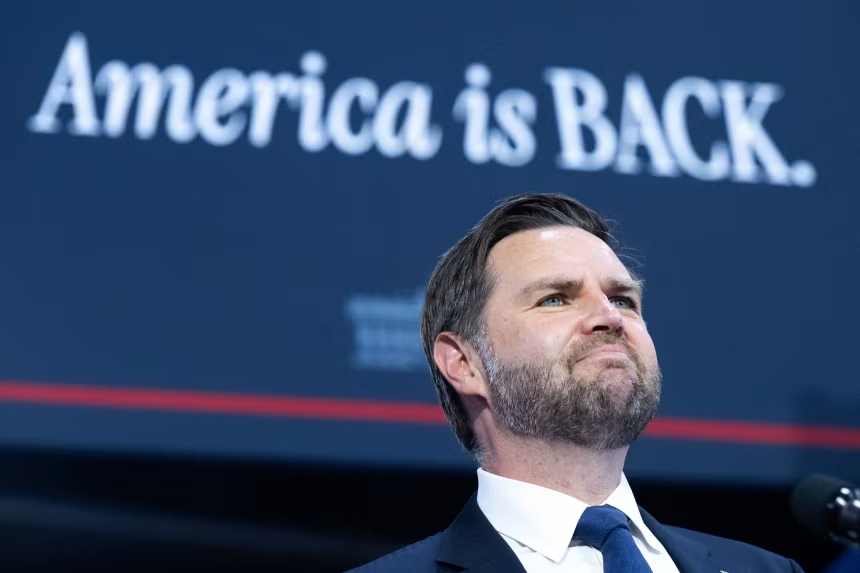
Vance embraces his growing role as Trump’s chief problem solver — and the implications for a 2028 run
Entities mentioned:
- JD Vance: Ambition, Loyalty, Power
- Donald Trump: Power, Control, Legacy
- Republican Party (GOP): Power, Influence, Unity
- Marco Rubio: Ambition, Power, Recognition
- Pete Hegseth: Duty, Professional pride, Loyalty
- Robert F. Kennedy Jr.: Ambition, Legacy, Influence
- Jack Posobiec: Influence, Loyalty, Recognition
Article Assessment:
Credibility Score: 70/100
Bias Rating: 55/100 (Center)
Sentiment Score: 60/100
Authoritarianism Risk: 45/100 (Mixed/Neutral)
Bias Analysis:
The article presents a relatively balanced view of Vance's role, including both praise and potential risks. While it leans slightly towards a positive portrayal of Vance, it also includes cautionary notes about the volatility of political fortunes.
Key metric: Presidential Approval Rating
As a social scientist, I analyze that this article highlights the growing influence of JD Vance within the Trump administration and his potential as a future presidential candidate. Vance's increasing role as a problem solver and his alignment with Trump's agenda directly impact the administration's effectiveness and, consequently, the President's approval ratings. The article suggests that Vance's political future is tightly linked to Trump's success, indicating that current approval ratings may have long-term implications for both figures. The focus on Vance's ability to navigate complex issues and maintain relationships across various political spheres demonstrates how internal dynamics within an administration can significantly influence public perception and support.
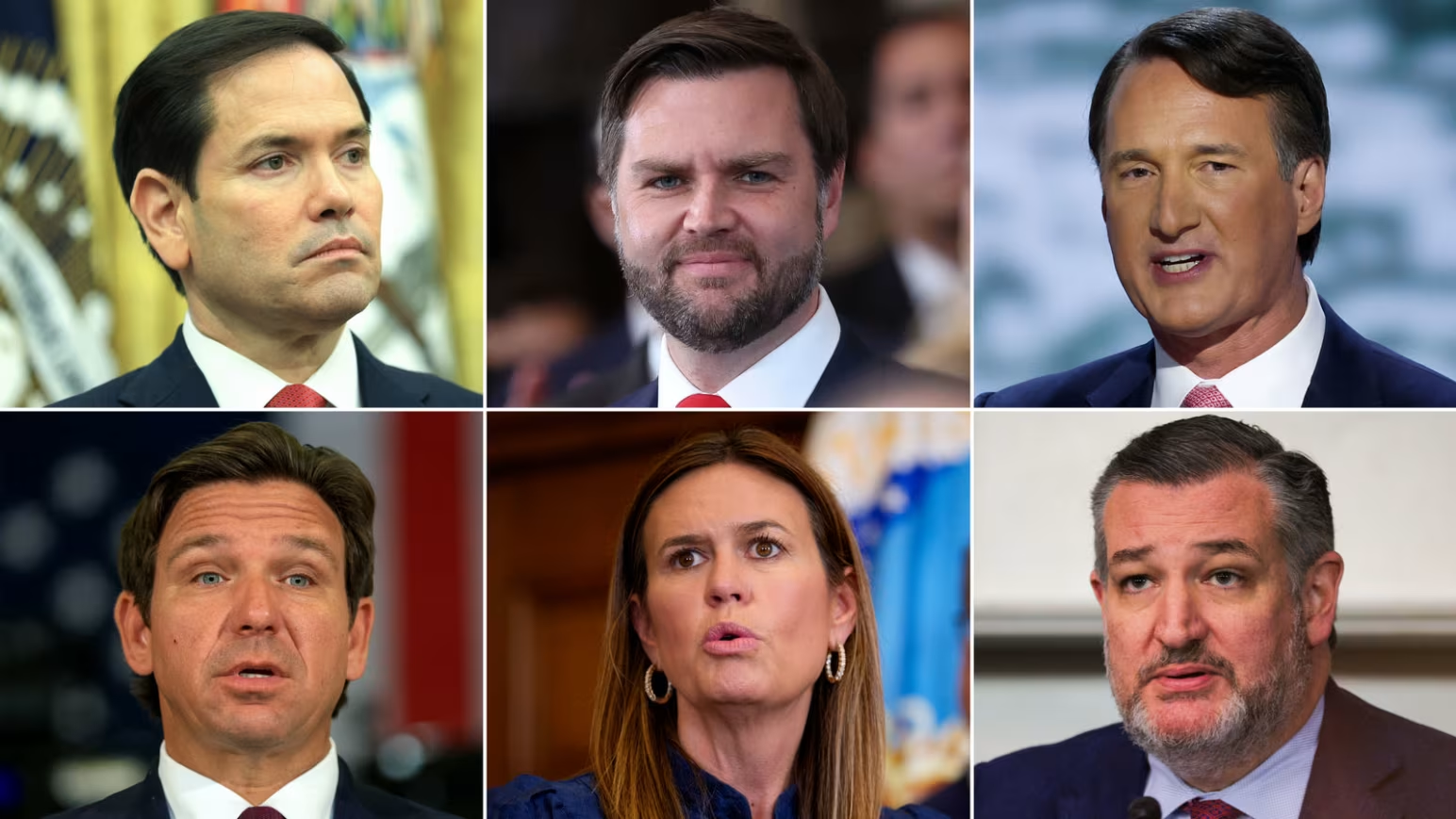
Republicans are (quietly) making 2028 moves
Entities mentioned:
- Donald Trump: Power, Influence, Legacy
- JD Vance: Ambition, Loyalty, Recognition
- Marco Rubio: Ambition, Professional pride, Recognition
- Glenn Youngkin: Ambition, Competitive spirit, Recognition
- Sarah Huckabee Sanders: Loyalty, Ambition, Recognition
- Ted Cruz: Ambition, Competitive spirit, Recognition
- Josh Hawley: Ambition, Influence, Recognition
- Republican Party: Power, Control, Unity
Article Assessment:
Credibility Score: 75/100
Bias Rating: 55/100 (Center)
Sentiment Score: 50/100
Authoritarianism Risk: 35/100 (Generally Democratic)
Bias Analysis:
The article presents a balanced view of the Republican Party's internal dynamics, offering insights from various perspectives. While it focuses more on Republican strategies, it does not overtly favor or criticize any particular faction or candidate.
Key metric: Political Party Cohesion
As a social scientist, I analyze that this article highlights the complex dynamics within the Republican Party as it looks towards the 2028 presidential election. The party appears to be grappling with maintaining unity and loyalty to Trump's legacy while also allowing room for new leadership to emerge. This balancing act is likely to significantly impact party cohesion, as potential candidates must carefully navigate their ambitions without alienating Trump's base. The article suggests that the party's future direction and ideology may be shaped by how successfully candidates can align themselves with Trump's populist instincts while also distinguishing themselves as viable leaders. This delicate balance could either strengthen the party's unity around a shared vision or lead to internal fractures if competing factions emerge.
- Read more about Republicans are (quietly) making 2028 moves
- Log in to post comments
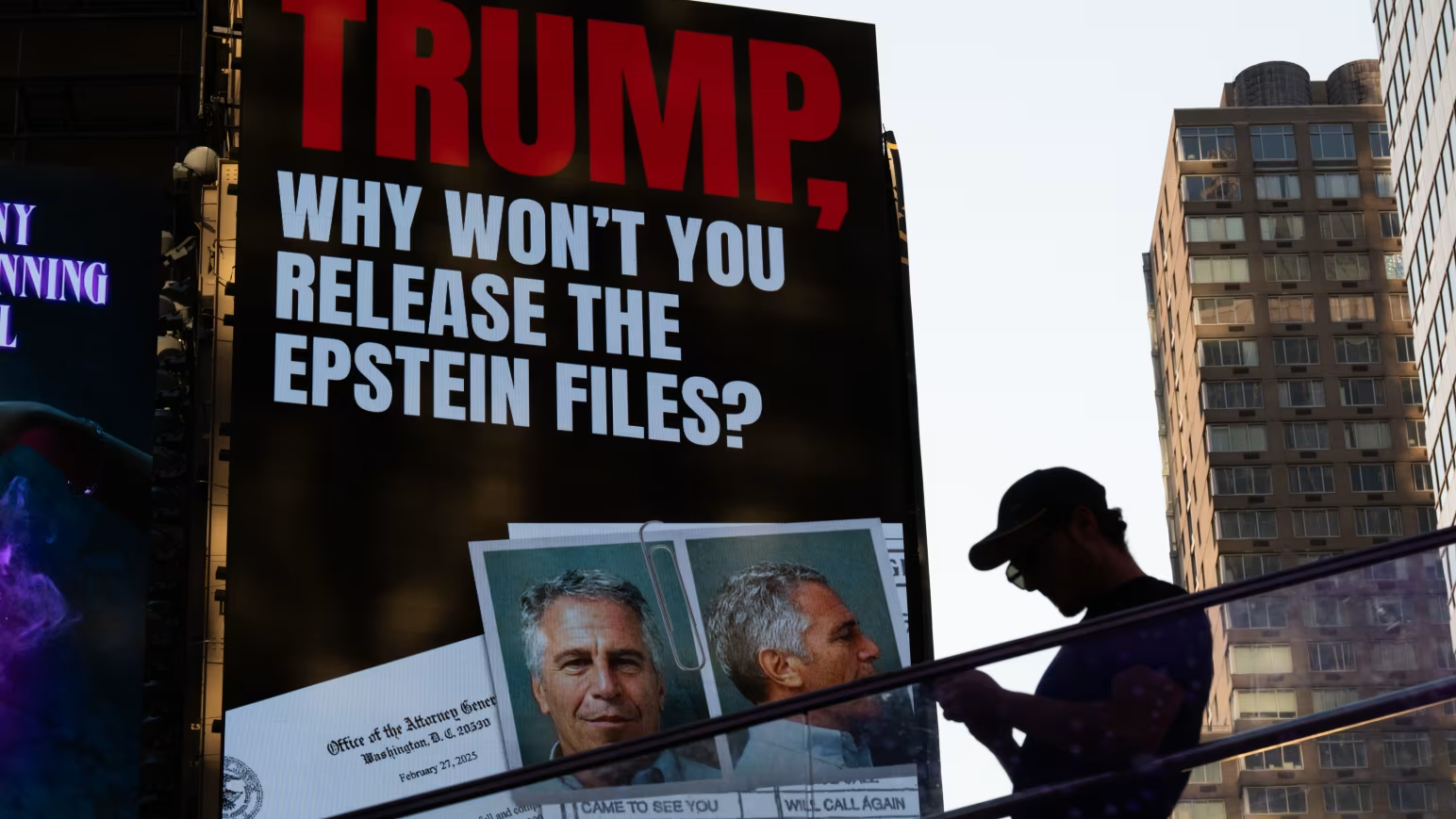
Tapes, transcripts, subpoenas, and legal twists: Trump’s Epstein storm deepens again
Entities mentioned:
- Donald Trump: Self-preservation, Power, Control
- Jeffrey Epstein: Power, Control, Greed
- Ghislaine Maxwell: Self-preservation, Loyalty, Fear
- Todd Blanche: Duty, Loyalty, Professional pride
- JD Vance: Loyalty, Ambition, Power
- House Oversight Committee: Justice, Duty, Influence
Article Assessment:
Credibility Score: 70/100
Bias Rating: 40/100 (Lean Left)
Sentiment Score: 30/100
Authoritarianism Risk: 55/100 (Mixed/Neutral)
Bias Analysis:
The article leans slightly left, evidenced by its critical tone towards the Trump administration and emphasis on potential wrongdoing. However, it also presents multiple perspectives and includes factual reporting on actions taken by various parties.
Key metric: Public Trust in Government
As a social scientist, I analyze that this article reveals a complex web of political maneuvering, legal challenges, and ethical concerns surrounding the Epstein case and its connection to the Trump administration. The ongoing scandal threatens to erode public trust in government institutions, particularly the Justice Department, as it raises questions about potential abuse of power and political interference in legal matters. The administration's handling of the Maxwell interviews and potential transcript release suggests a struggle between transparency and political self-interest, while the House Oversight Committee's selective subpoenas indicate partisan motivations in the investigation. This situation highlights the tension between democratic accountability and the potential for authoritarian tendencies in high-level government operations.

Indiana’s Republican leaders won’t commit to redistricting after Vance visit
Entities mentioned:
- JD Vance: Power, Influence, Ambition
- Mike Braun: Wariness, Self-preservation, Loyalty
- Donald Trump: Power, Control, Ambition
- Todd Huston: Wariness, Self-preservation, Duty
- Rodric Bray: Wariness, Self-preservation, Duty
- Mitch Daniels: Righteousness, Legacy, Influence
- Frank Mrvan: Self-preservation, Determination, Duty
- André Carson: Self-preservation, Duty, Justice
- Matt Pierce: Justice, Moral outrage, Duty
Article Assessment:
Credibility Score: 75/100
Bias Rating: 45/100 (Center)
Sentiment Score: 35/100
Authoritarianism Risk: 65/100 (Authoritarian Tendencies)
Bias Analysis:
The article presents multiple viewpoints, including those of Republicans and Democrats. While it highlights the controversial nature of the redistricting effort, it maintains a relatively balanced tone, providing context and background information.
Key metric: Electoral Integrity
As a social scientist, I analyze that this article highlights a critical juncture in American democratic processes, specifically focusing on redistricting efforts in Indiana. The push for mid-cycle redistricting by the Trump administration threatens to undermine electoral integrity and further polarize the political landscape. This move, if successful, could significantly alter the balance of power in the U.S. House of Representatives, potentially swinging two Democratic seats to Republican control. The resistance from some Indiana Republican leaders, including former Governor Mitch Daniels, suggests a conflict between party loyalty and maintaining democratic norms. This situation exemplifies the broader national trend of intensifying partisan gerrymandering, which risks eroding public trust in electoral processes and representative democracy. The potential special session for redistricting also raises questions about the use of public resources for partisan gain. The Democrats' limited power to oppose such moves in Indiana further underscores the importance of checks and balances in maintaining democratic integrity.
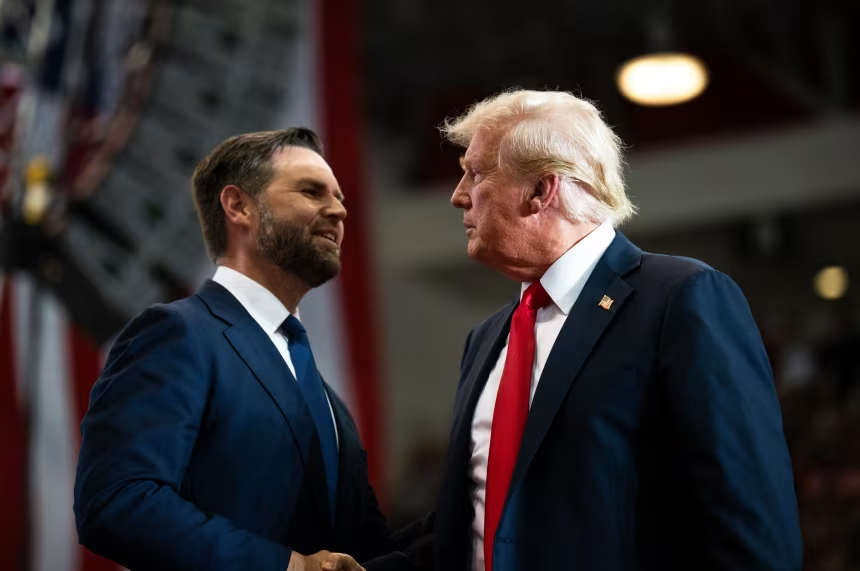
Trump suggests Vance is likely heir apparent to the MAGA movement, the furthest he’s gone in backing VP’s future
Entities mentioned:
- Donald Trump: Power, Influence, Legacy
- JD Vance: Ambition, Loyalty, Recognition
- Marco Rubio: Ambition, Influence, Professional pride
- Kristi Noem: Ambition, Recognition, Power
- Pam Bondi: Loyalty, Professional pride, Recognition
Article Assessment:
Credibility Score: 70/100
Bias Rating: 55/100 (Center)
Sentiment Score: 60/100
Authoritarianism Risk: 45/100 (Mixed/Neutral)
Bias Analysis:
The article presents multiple perspectives and quotes from different sources, maintaining a relatively balanced approach. However, there's a slight lean towards emphasizing Trump's influence and the MAGA movement, which could be interpreted as a subtle center-right bias.
Key metric: Political Stability and Succession Planning
As a social scientist, I analyze that this article highlights the emerging dynamics of succession planning within the Republican Party and the MAGA movement. Trump's endorsement of Vance as a potential heir apparent signifies a shift in party leadership and could impact future electoral strategies. The mention of a possible Vance-Rubio ticket suggests an attempt to unify different factions within the party. This development may influence voter perceptions, party unity, and the long-term direction of conservative politics in the United States. The article also underscores the growing influence of younger politicians like Vance and the continued relevance of established figures like Rubio, indicating a potential generational shift in Republican leadership.

Trump’s cynical bait-and-switch on IVF
Entities mentioned:
- Donald Trump: Power, Influence, Recognition
- Trump Administration: Control, Influence, Self-preservation
- Republican Party: Power, Control, Self-preservation
- JD Vance: Loyalty, Ambition, Influence
- Rand Paul: Righteousness, Skepticism, Professional pride
- Pharmaceutical Companies: Greed, Self-preservation, Power
- Insurance Companies: Greed, Self-preservation, Control
Article Assessment:
Credibility Score: 75/100
Bias Rating: 35/100 (Lean Left)
Sentiment Score: 30/100
Bias Analysis:
The article leans left, evidenced by its critical tone towards Trump and skepticism of his promises. However, it includes factual information and quotes from various sources, maintaining some balance despite an overall negative framing of Trump's actions.
Key metric: Healthcare Affordability
As a social scientist, I analyze that this article exposes a significant disconnect between Trump's campaign promises and actual policy implementation regarding IVF coverage. The lack of concrete action on making IVF more affordable or accessible, despite explicit promises, suggests a cynical political strategy rather than genuine policy intent. This discrepancy could potentially impact public trust in political promises and healthcare reform efforts. The article also highlights the complex intersection of healthcare policy, reproductive rights, and conservative values, demonstrating the challenges in implementing sweeping healthcare changes in a politically polarized environment.
- Read more about Trump’s cynical bait-and-switch on IVF
- Log in to post comments