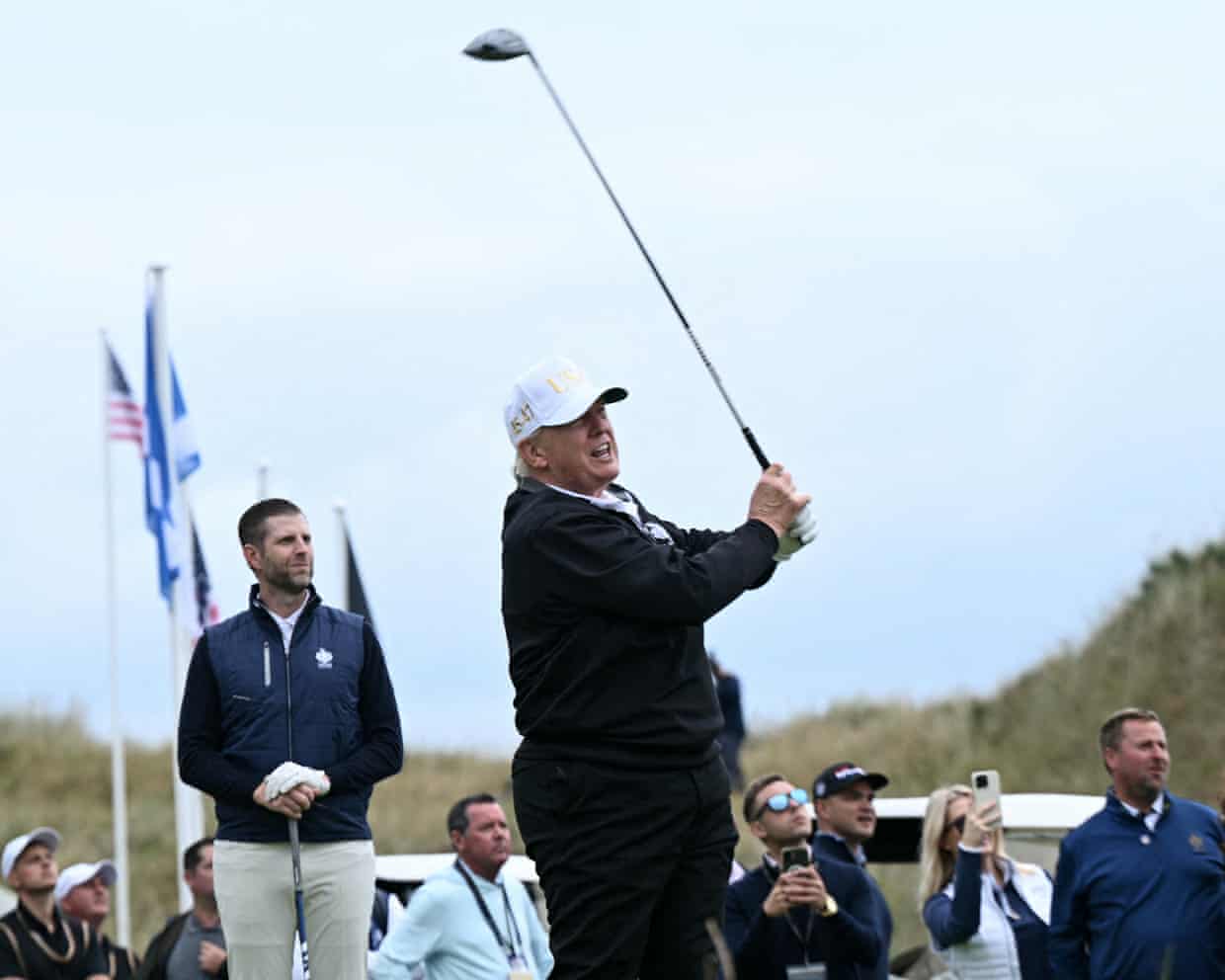
Golf for them, grind for us: Trump, Vance and the hellish US holiday divide
Entities mentioned:
- Donald Trump: Power, Recognition, Self-preservation
- JD Vance: Ambition, Recognition, Influence
- Barack Obama: Legacy, Influence
- Microsoft: Competitive spirit, Influence, Greed
- Mercedes-Benz: Competitive spirit, Innovation, Greed
Article Assessment:
Credibility Score: 65/100
Bias Rating: 30/100 (Lean Left)
Sentiment Score: 25/100
Authoritarianism Risk: 20/100 (Strongly Democratic)
Bias Analysis:
The article leans left, criticizing conservative politicians and policies while advocating for more worker-friendly practices. The author's tone and selective use of examples demonstrate a clear ideological stance, though some factual information is included.
Key metric: Labor Force Participation Rate
As a social scientist, I analyze that this article highlights a growing disparity between the work-life balance of political elites and average American workers. The frequent vacations and leisure activities of politicians like Trump and Vance are contrasted with the lack of mandated paid time off for most US workers. This dichotomy may impact the Labor Force Participation Rate by contributing to worker burnout and dissatisfaction, potentially leading some to exit the workforce. The article's focus on 'infinite workdays' and technological encroachment on personal time further emphasizes the strain on the American workforce, which could discourage labor market participation and affect overall economic productivity.

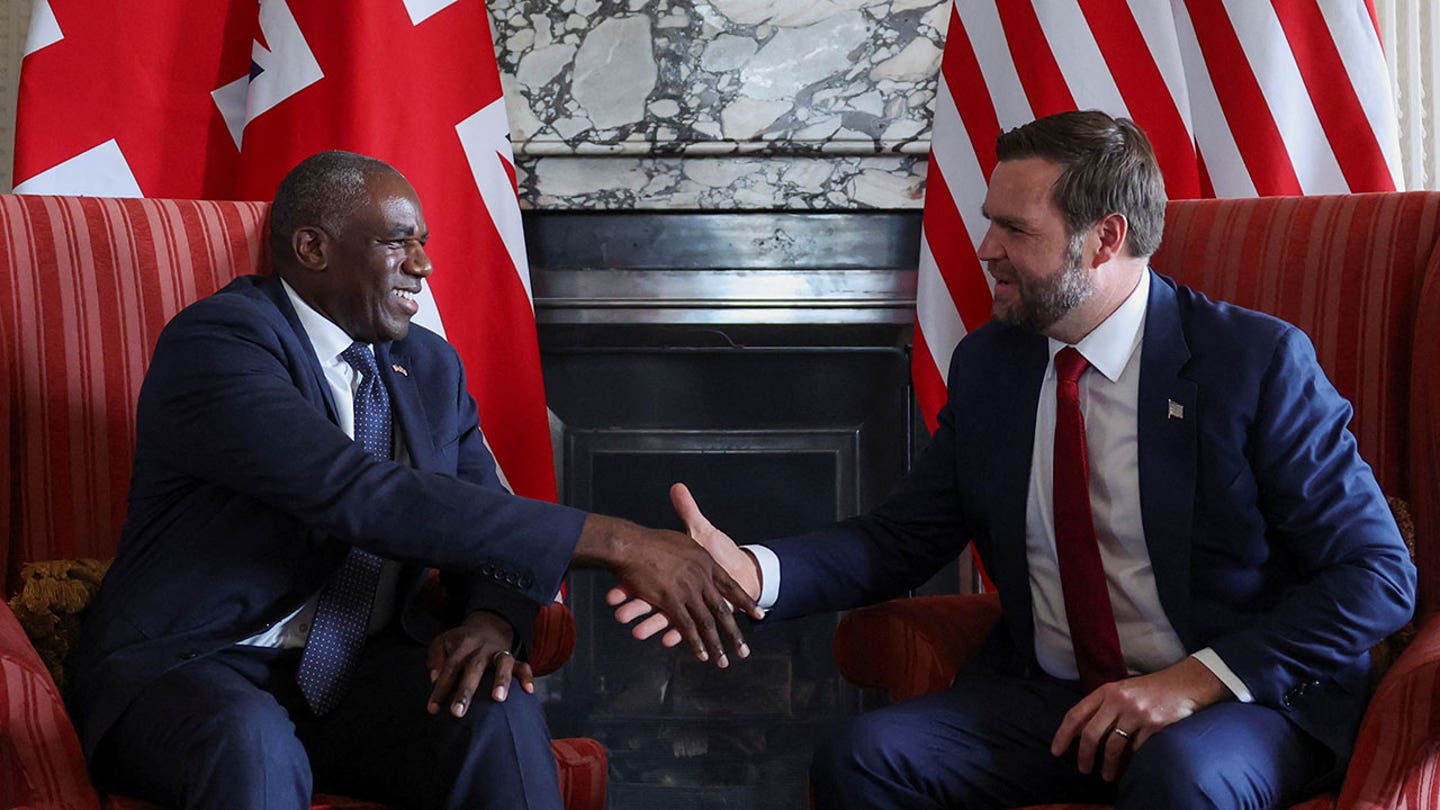
DNC rips JD Vance for fishing with British foreign secretary in latest bizarre attack; Republicans hit back
Entities mentioned:
- JD Vance: Duty, Loyalty, Self-respect
- Democratic National Committee: Competitive spirit, Moral outrage, Power
- David Lammy: Professional pride, Duty, Unity
- Donald Trump: Power, Influence, Legacy
- Republican National Committee: Loyalty, Competitive spirit, Indignation
- Gavin Newsom: Ambition, Competitive spirit, Recognition
Article Assessment:
Credibility Score: 70/100
Bias Rating: 55/100 (Center)
Sentiment Score: 35/100
Authoritarianism Risk: 30/100 (Generally Democratic)
Bias Analysis:
The article presents both Democratic and Republican viewpoints, but slightly more space is given to Republican responses. The tone appears to be somewhat skeptical of the DNC's attacks, potentially indicating a slight right-leaning bias.
Key metric: Political Polarization Index
As a social scientist, I analyze that this article highlights the increasing political polarization in the United States. The DNC's aggressive criticism of Vice President Vance's personal activities during official trips, and the Republicans' defensive responses, demonstrate a heightened level of partisan tension. This exchange goes beyond policy disagreements and enters into personal attacks, which can further divide the electorate and erode public trust in political institutions. The focus on Vance's family outings and leisure activities, rather than substantive policy issues, suggests a trend towards sensationalism in political discourse. This type of rhetoric can distract from more pressing national concerns and potentially impact governance effectiveness.

Vance visits US troops during high-stakes UK trip ahead of Trump's Putin meeting
Entities mentioned:
- JD Vance: Duty, Influence, Loyalty
- Donald Trump: Power, Control, Legacy
- Vladimir Putin: Power, Control, Self-preservation
- David Lammy: Duty, Cooperation, Security
- U.S. Military: Duty, Security, Professional pride
- European allies: Security, Cooperation, Self-preservation
- Ukraine: Self-preservation, Freedom, Justice
Article Assessment:
Credibility Score: 75/100
Bias Rating: 55/100 (Center)
Sentiment Score: 45/100
Authoritarianism Risk: 35/100 (Generally Democratic)
Bias Analysis:
The article presents a relatively balanced view, incorporating multiple perspectives and sources. However, there's a slight lean towards emphasizing the Trump administration's viewpoint, particularly in quoting Trump and Vance directly.
Key metric: International Relations and Diplomacy
As a social scientist, I analyze that this article highlights the complex interplay of international diplomacy, military strategy, and geopolitical tensions surrounding the ongoing Ukraine conflict. Vice President Vance's trip to the UK serves multiple purposes: reinforcing US-UK relations, pressuring European allies to take greater responsibility in the Ukraine conflict, and setting the stage for President Trump's meeting with Putin. The shift in Trump's rhetoric towards Putin suggests a potential recalibration of US-Russia relations. The article also underscores the significant financial commitment the US has made to Ukraine, and the administration's apparent desire to reduce this burden. This diplomatic maneuvering could have far-reaching implications for NATO alliance dynamics, the future of the Ukraine conflict, and the balance of power in Eastern Europe.
Vance: Adversaries are ‘afraid’ of US military, and that makes tough talks like Putin possible
Entities mentioned:
- JD Vance: Influence, Righteousness, Power
- Donald Trump: Power, Recognition, Control
- Vladimir Putin: Power, Control, Self-preservation
- U.S. Military: Duty, Professional pride, Deterrence
- European leaders: Security, Unity, Self-preservation
- Volodymyr Zelenskyy: Determination, Self-preservation, Unity
Article Assessment:
Credibility Score: 70/100
Bias Rating: 65/100 (Lean Right)
Sentiment Score: 55/100
Authoritarianism Risk: 45/100 (Mixed/Neutral)
Bias Analysis:
The article leans right, focusing heavily on the Trump administration's perspective and Vance's militaristic rhetoric. It presents a unilateral view of negotiations and U.S. strength, with limited counterbalancing viewpoints or critical analysis of the approach.
Key metric: U.S. Global Military Influence
As a social scientist, I analyze that this article emphasizes the perceived strength of the U.S. military as a key factor in international negotiations, particularly regarding the Russia-Ukraine conflict. Vice President Vance's rhetoric suggests a shift towards a more assertive foreign policy stance, leveraging military prowess as a negotiation tool. The administration's approach appears to be recalibrating U.S. involvement in the Ukraine conflict, pushing for greater European responsibility. This stance could potentially impact U.S. global military influence by altering the dynamics of NATO alliances and the perception of U.S. commitment to European security. The emphasis on bilateral talks between Trump and Putin, bypassing multilateral frameworks, indicates a potential realignment of diplomatic strategies that could have far-reaching consequences for U.S. global military positioning and influence.
Vance to visit US troops during high-stakes UK trip ahead of Trump's Putin meeting
Entities mentioned:
- JD Vance: Duty, Influence, Professional pride
- Donald Trump: Power, Legacy, Control
- Vladimir Putin: Power, Control, Influence
- David Lammy: Duty, Influence, Unity
- U.S. Military: Duty, Security, Professional pride
- European allies: Security, Unity, Self-preservation
- Ukraine: Self-preservation, Freedom, Justice
Article Assessment:
Credibility Score: 75/100
Bias Rating: 55/100 (Center)
Sentiment Score: 45/100
Authoritarianism Risk: 35/100 (Generally Democratic)
Bias Analysis:
The article presents multiple viewpoints and sources, including both U.S. and European perspectives. However, there's a slight lean towards emphasizing the U.S. stance and actions, particularly those of Trump and Vance.
Key metric: U.S. Global Leadership
As a social scientist, I analyze that this article highlights a shift in U.S. foreign policy approach towards the Ukraine conflict. Vice President Vance's trip to the UK and his meetings with European leaders suggest a strategic move to redefine the U.S. role in the conflict. The emphasis on European allies taking greater responsibility indicates a potential reduction in U.S. financial commitment. This, coupled with Trump's upcoming meeting with Putin, signals a possible realignment of U.S. global leadership strategy. The article suggests a more transactional approach to international relations, which could impact the U.S.'s perceived role as a global leader. The mention of 'land swapping' in potential peace negotiations also indicates a pragmatic, rather than idealistic, approach to conflict resolution, which could have significant implications for U.S. foreign policy and global influence.
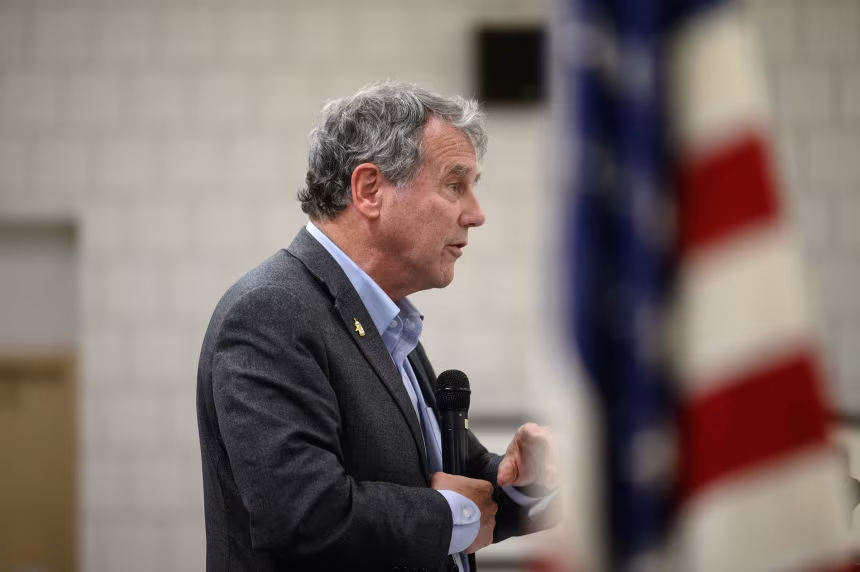
Sherrod Brown to run for US Senate in 2026, hoping to win back Ohio seat
Entities mentioned:
- Sherrod Brown: Ambition, Determination, Revenge
- Jon Husted: Power, Loyalty, Self-preservation
- Democratic Party: Power, Control, Unity
- Republican Party: Power, Control, Competitive spirit
- Mike DeWine: Loyalty, Power, Control
- JD Vance: Ambition, Power, Influence
- Roy Cooper: Ambition, Influence, Duty
- Donald Trump: Power, Influence, Control
- Cory Gardner: Loyalty, Competitive spirit, Power
Article Assessment:
Credibility Score: 75/100
Bias Rating: 45/100 (Center)
Sentiment Score: 50/100
Authoritarianism Risk: 20/100 (Strongly Democratic)
Bias Analysis:
The article presents information from both Democratic and Republican perspectives, giving a balanced view of the Senate race. While it focuses more on Brown's decision, it also includes Republican responses and mentions challenges faced by both parties.
Key metric: Senate Party Control
As a social scientist, I analyze that this article highlights the ongoing struggle for control of the US Senate, with Sherrod Brown's potential candidacy in Ohio representing a key battleground. The Democrats' uphill battle to gain Senate control is emphasized, reflecting the changing political landscape in states like Ohio. Brown's decision to run again after a previous defeat demonstrates the high stakes and personal motivations involved in these races. The article also underscores the importance of candidate recruitment and strategic planning by both parties in their efforts to secure or maintain Senate control. The mention of other competitive races and potential flips further illustrates the complex, multi-state nature of the battle for Senate majority. This situation could significantly impact legislative agendas, policy-making, and the balance of power between the executive and legislative branches in the coming years.

White House orders review of Smithsonian museums and exhibits to ensure alignment with Trump directive
Entities mentioned:
- White House: Control, Power, Influence
- Smithsonian Institution: Professional pride, Duty, Self-preservation
- Donald Trump: Control, Power, Legacy
- Lonnie Bunch III: Professional pride, Duty, Self-preservation
- JD Vance: Loyalty, Power, Control
- Lindsey Halligan: Loyalty, Duty, Influence
- Vince Haley: Loyalty, Duty, Influence
- Russell Vought: Loyalty, Duty, Influence
Article Assessment:
Credibility Score: 75/100
Bias Rating: 45/100 (Center)
Sentiment Score: 35/100
Authoritarianism Risk: 70/100 (Authoritarian Tendencies)
Bias Analysis:
The article presents a balanced view of the situation, including perspectives from both the White House and the Smithsonian. While it highlights concerns about the review, it also includes the administration's justifications, maintaining a relatively neutral stance.
Key metric: Cultural Institution Independence
As a social scientist, I analyze that this article reveals a significant attempt by the executive branch to exert control over cultural institutions, potentially compromising their independence and scholarly integrity. The White House's review of Smithsonian exhibits indicates a push towards aligning historical narratives with the administration's ideological preferences, which could lead to a politicization of public education and cultural presentation. This action may have far-reaching consequences for the autonomy of cultural institutions and the objective presentation of history, potentially impacting public trust in these institutions and the broader understanding of American history and values.
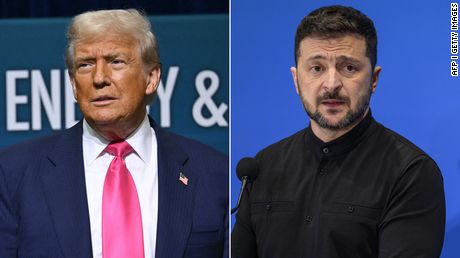
White House hasn’t ruled out Zelensky being in Alaska during Trump-Putin meeting on Friday
Entities mentioned:
- Donald Trump: Power, Legacy, Recognition
- Vladimir Putin: Power, Control, Influence
- JD Vance: Duty, Loyalty, Influence
- Volodymyr Zelensky: Self-preservation, Determination, Unity
- European leaders: Security, Influence, Unity
- Steve Witkoff: Duty, Influence, Professional pride
- Friedrich Merz: Unity, Influence, Security
- Marco Rubio: Duty, Influence, Professional pride
Article Assessment:
Credibility Score: 75/100
Bias Rating: 45/100 (Center)
Sentiment Score: 35/100
Authoritarianism Risk: 40/100 (Generally Democratic)
Bias Analysis:
The article presents multiple perspectives, including those of US, European, and Ukrainian officials, providing a balanced view. While it highlights concerns about Trump's approach, it also includes the administration's stance, maintaining a relatively neutral tone.
Key metric: International Diplomacy Effectiveness
As a social scientist, I analyze that this article highlights a significant shift in diplomatic dynamics surrounding the Russia-Ukraine conflict. The sudden announcement of a Trump-Putin meeting without clear inclusion of Ukraine or European allies raises concerns about the US's approach to resolving the conflict. This development could potentially impact the effectiveness of international diplomacy by sidelining key stakeholders and altering established negotiation frameworks. The rushed nature of the summit and the lack of transparency about its contents have prompted a flurry of diplomatic activity from European leaders, indicating a potential weakening of transatlantic cooperation. The exclusion of Zelensky from initial plans could undermine Ukraine's position and sovereignty in peace negotiations. This situation tests the cohesion of Western allies and their ability to present a united front in dealing with Russia, which could have long-term implications for global geopolitical balance and conflict resolution strategies.
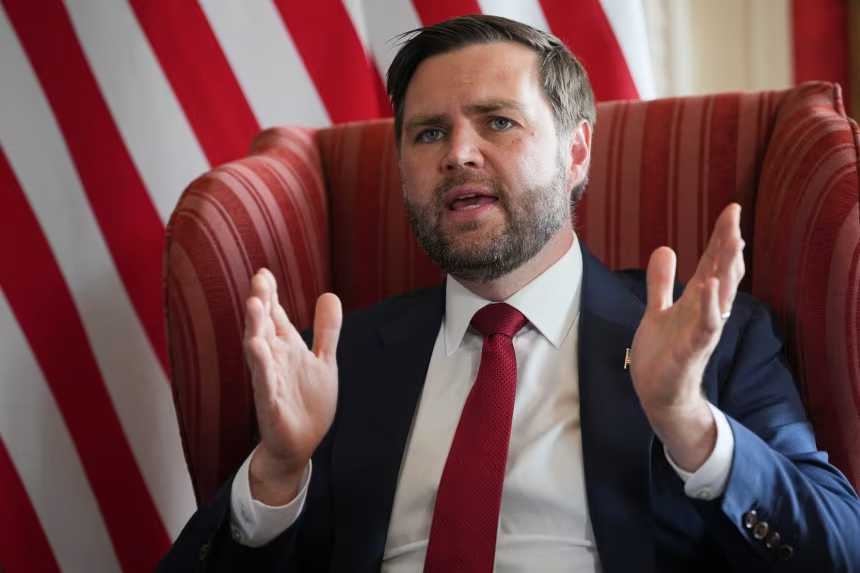
Vance calls out Democrats over Epstein files, reignites push for transparency
Entities mentioned:
- JD Vance: Loyalty, Righteousness, Competitive spirit
- Donald Trump: Transparency, Self-preservation, Power
- Democrats: Political opportunism, Control, Self-preservation
- Joe Biden: Self-preservation, Power, Control
- Jeffrey Epstein: Power, Control, Greed
- Justice Department: Duty, Transparency, Justice
- Pam Bondi: Duty, Justice, Professional pride
- Kash Patel: Duty, Professional pride, Loyalty
- House Oversight Committee: Justice, Transparency, Duty
Article Assessment:
Credibility Score: 65/100
Bias Rating: 65/100 (Lean Right)
Sentiment Score: 35/100
Authoritarianism Risk: 40/100 (Generally Democratic)
Bias Analysis:
The article leans right, primarily due to the prominence given to Vance's accusations against Democrats without equal space for rebuttal. While it includes some balancing information, the framing tends to favor the Trump administration's perspective.
Key metric: Government Transparency Index
As a social scientist, I analyze that this article highlights a complex political struggle over transparency and accountability in the Epstein case. The push for releasing documents is framed as a bipartisan issue, but with clear political motivations from both sides. The Trump administration, through Vance, is positioning itself as pro-transparency while accusing Democrats of inaction and possible connections to Epstein. This narrative serves to deflect criticism and potentially pre-empt damaging revelations. The Justice Department's moves towards releasing some information, along with the House Oversight Committee's subpoenas, indicate increasing pressure for disclosure. However, the conflicting accounts of White House meetings and the careful management of information release suggest ongoing tensions between transparency and potential political fallout. This situation may lead to incremental increases in government transparency, but also risks further polarization and erosion of public trust in institutions depending on how the information is ultimately handled and presented.
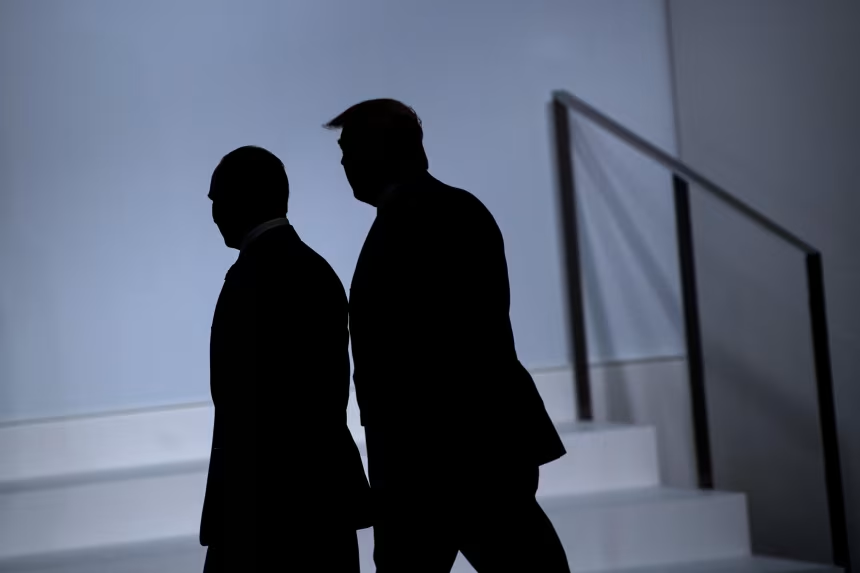
Trump says he’ll be feeling out Putin as US officials rush to finalize details of Alaska summit
Entities mentioned:
- Donald Trump: Ambition, Legacy, Power
- Vladimir Putin: Power, Control, Influence
- Volodymyr Zelensky: Self-preservation, Justice, Determination
- Mark Rutte: Unity, Duty, Security
- Oksana Markarova: Duty, Loyalty, Unity
- Steve Witkoff: Duty, Influence, Ambition
- JD Vance: Duty, Influence, Ambition
- Lindsey Graham: Influence, Loyalty, Duty
- Friedrich Merz: Unity, Influence, Security
Article Assessment:
Credibility Score: 75/100
Bias Rating: 45/100 (Center)
Sentiment Score: 35/100
Authoritarianism Risk: 35/100 (Generally Democratic)
Bias Analysis:
The article presents multiple viewpoints and sources, including Trump, European leaders, and Ukrainian officials. While it leans slightly towards skepticism of Trump's approach, it generally maintains a balanced tone, providing context and varied perspectives.
Key metric: International Diplomacy Effectiveness
As a social scientist, I analyze that this article highlights the complex dynamics of international diplomacy surrounding the Russia-Ukraine conflict. Trump's approach to the summit with Putin demonstrates a high-stakes gamble in personal diplomacy, potentially bypassing traditional diplomatic channels. The exclusion of Zelensky from direct talks raises concerns about Ukraine's agency in its own future. European leaders' insistence on Ukraine's involvement and specific conditions for peace talks indicates a potential rift between US and European approaches. The rush to organize the summit and the lack of clear objectives suggest a potentially risky diplomatic strategy. The article also reveals the delicate balance of power and influence among world leaders, with each actor motivated by a mix of national interests, personal legacy, and geopolitical considerations.