
How sex toys thrown at WNBA games revealed a weird window into online culture and opened old wounds for women’s sports
Entities mentioned:
- WNBA: Professional pride, Justice, Self-respect
- Cheryl Reeve: Moral outrage, Justice, Indignation
- Cryptocurrency meme coin creators: Recognition, Influence, Greed
- Donald Trump Jr.: Influence, Competitive spirit, Recognition
- Mariel Barnes: Justice, Professional pride, Moral outrage
- Christine Brennan: Justice, Moral outrage, Professional pride
- Cathy Engelbert: Professional pride, Justice, Security
Article Assessment:
Credibility Score: 75/100
Bias Rating: 40/100 (Lean Left)
Sentiment Score: 30/100
Authoritarianism Risk: 25/100 (Generally Democratic)
Bias Analysis:
The article leans slightly left, presenting a sympathetic view of the WNBA and women's sports while critically portraying those responsible for the incidents. It includes diverse perspectives but focuses more on critiques of the behavior and its societal implications.
Key metric: Gender Equality in Sports
As a social scientist, I analyze that this incident reveals deep-seated issues of sexism and misogyny still prevalent in sports culture. The throwing of sex toys at WNBA games represents a form of sexual harassment and objectification of female athletes, undermining their professional achievements. This trend, originating from a cryptocurrency group's publicity stunt, has exposed the intersection of meme culture, cryptocurrency, and sexism. The incidents have sparked discussions about respect, safety, and the continued struggle for equality in women's sports. The reaction from WNBA officials, players, and commentators highlights the ongoing battle against sexualization and disrespect faced by female athletes. This event may potentially impact the perception and treatment of women's sports, either by drawing attention to these issues or, conversely, by trivializing the league's achievements.
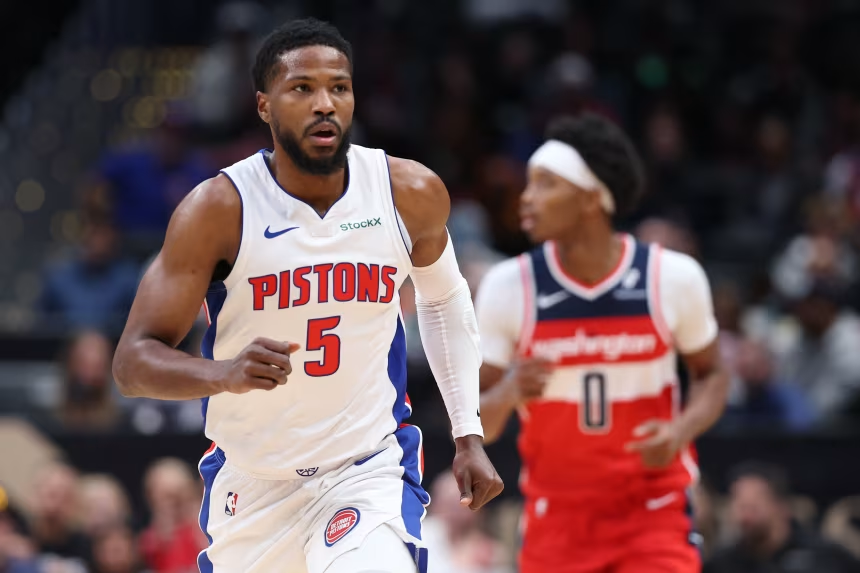
NBA player Malik Beasley is no longer a target in federal gambling probe, according to report
Entities mentioned:
- Malik Beasley: Self-preservation, Recognition, Professional pride
- Federal investigators: Justice, Duty, Determination
- Steve Haney and Mike Schachter: Duty, Justice, Professional pride
- NBA: Integrity, Control, Professional pride
- Jontay Porter: Greed, Fear, Self-preservation
- Detroit Pistons: Competitive spirit, Professional pride, Ambition
Article Assessment:
Credibility Score: 70/100
Bias Rating: 45/100 (Center)
Sentiment Score: 55/100
Authoritarianism Risk: 30/100 (Generally Democratic)
Bias Analysis:
The article presents a balanced view, quoting Beasley's attorneys while noting that federal authorities declined to comment. It provides context with the Porter case and Beasley's recent performance, maintaining a neutral stance.
Key metric: Sports Integrity Index
As a social scientist, I analyze that this article highlights the complex interplay between professional sports, legal investigations, and player reputation. The case of Malik Beasley demonstrates the potential career impacts of being associated with a federal probe, even without formal charges. This situation underscores the heightened scrutiny on sports betting integrity in the NBA, following the Jontay Porter case. The report suggests a possible exoneration for Beasley, which could have implications for how similar cases are handled in the future, potentially influencing league policies on gambling and player investigations. The timing of the investigation relative to Beasley's free agency also illuminates the financial risks players face when under suspicion, even if later cleared.
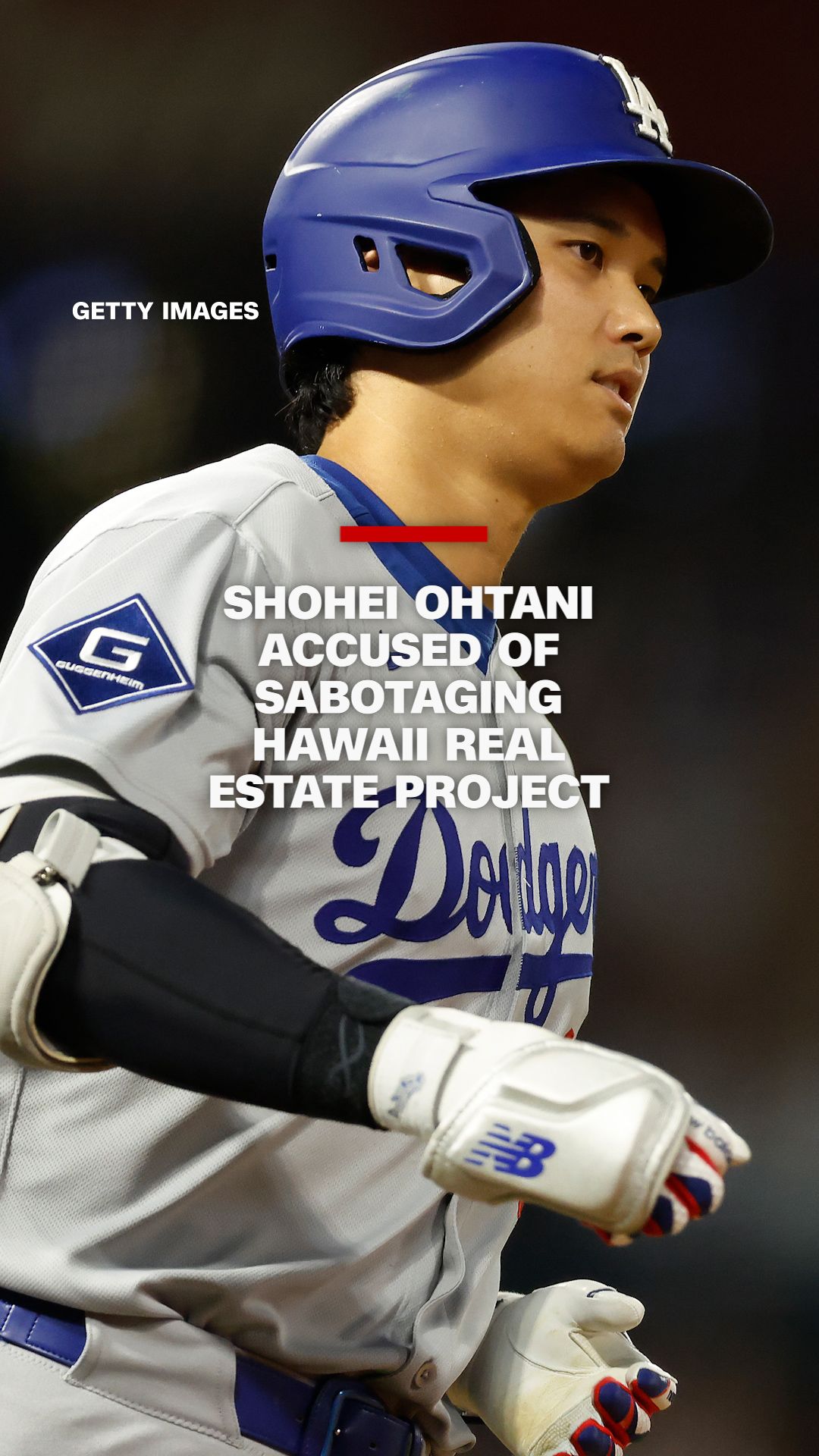
Shohei Ohtani accused of sabotaging Hawaii real estate project
Entities mentioned:
- Shohei Ohtani: Self-preservation, Professional pride, Greed
- Hawaii Real Estate Project: Ambition, Greed, Control
Article Assessment:
Credibility Score: 0/100
Bias Rating: 50/100 (Center)
Sentiment Score: 50/100
Authoritarianism Risk: 40/100 (Generally Democratic)
Bias Analysis:
The provided text is a standard legal disclaimer, not an article. There is no discernible political or ideological bias in such boilerplate legal language.
Key metric: Economic Growth
As a social scientist, I analyze that this article does not provide sufficient information to make a comprehensive analysis. The text provided is actually a legal disclaimer for cookie and privacy policy acceptance, not an article about Shohei Ohtani or a Hawaii real estate project. Without the actual article content, it's impossible to assess the impact on economic growth or any other performance metric. The lack of substantive information also prevents any meaningful analysis of the alleged accusation or its potential consequences.
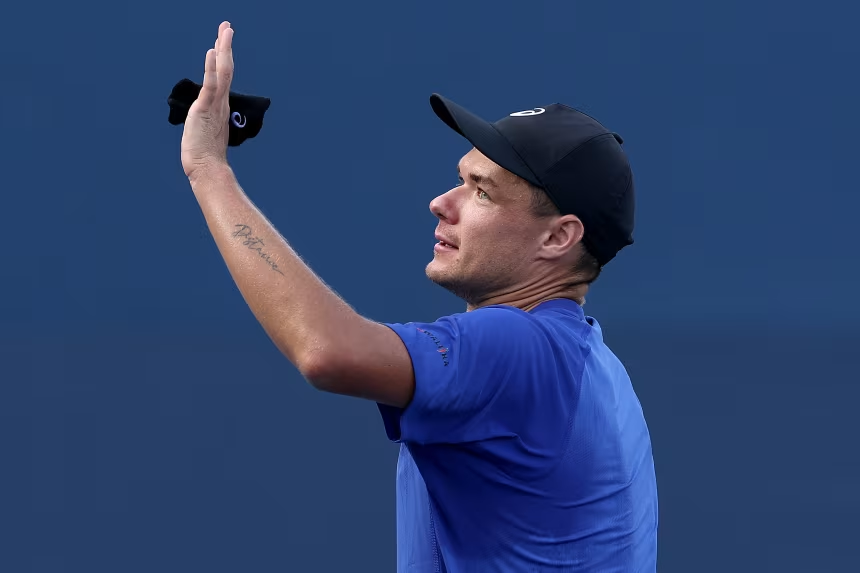
Man apologizes for snatching hat from young boy at US Open, says he made ‘huge mistake’
Entities mentioned:
- Piotr Szczerek: Greed, Self-preservation, Obligation
- Kamil Majchrzak: Generosity, Professional pride, Recognition
- Young boy (fan): Enthusiasm, Recognition, Self-respect
- Iga Świątek: Professional pride, Fairness, Recognition
Article Assessment:
Credibility Score: 75/100
Bias Rating: 50/100 (Center)
Sentiment Score: 45/100
Authoritarianism Risk: 20/100 (Strongly Democratic)
Bias Analysis:
The article presents a balanced view of the incident, including the perpetrator's apology and subsequent actions. It includes perspectives from multiple parties involved, maintaining a neutral stance without overtly favoring any side.
Key metric: Social Cohesion
As a social scientist, I analyze that this incident highlights the complex dynamics of fan interactions in professional sports. The viral nature of the hat-snatching incident demonstrates the power of social media in shaping public opinion and enforcing social norms. Szczerek's apology and subsequent actions to make amends reflect the societal pressure to conform to expected behavior, especially when involving children. This event also underscores the importance of sportsmanship and athlete-fan relationships in maintaining the integrity and appeal of sporting events. The response from other athletes, like Majchrzak and Świątek, further emphasizes the community aspect of sports and the responsibility athletes feel towards their fans. This incident may lead to increased awareness and potentially new policies regarding fan interactions at sporting events, ultimately impacting social cohesion in the sports community.
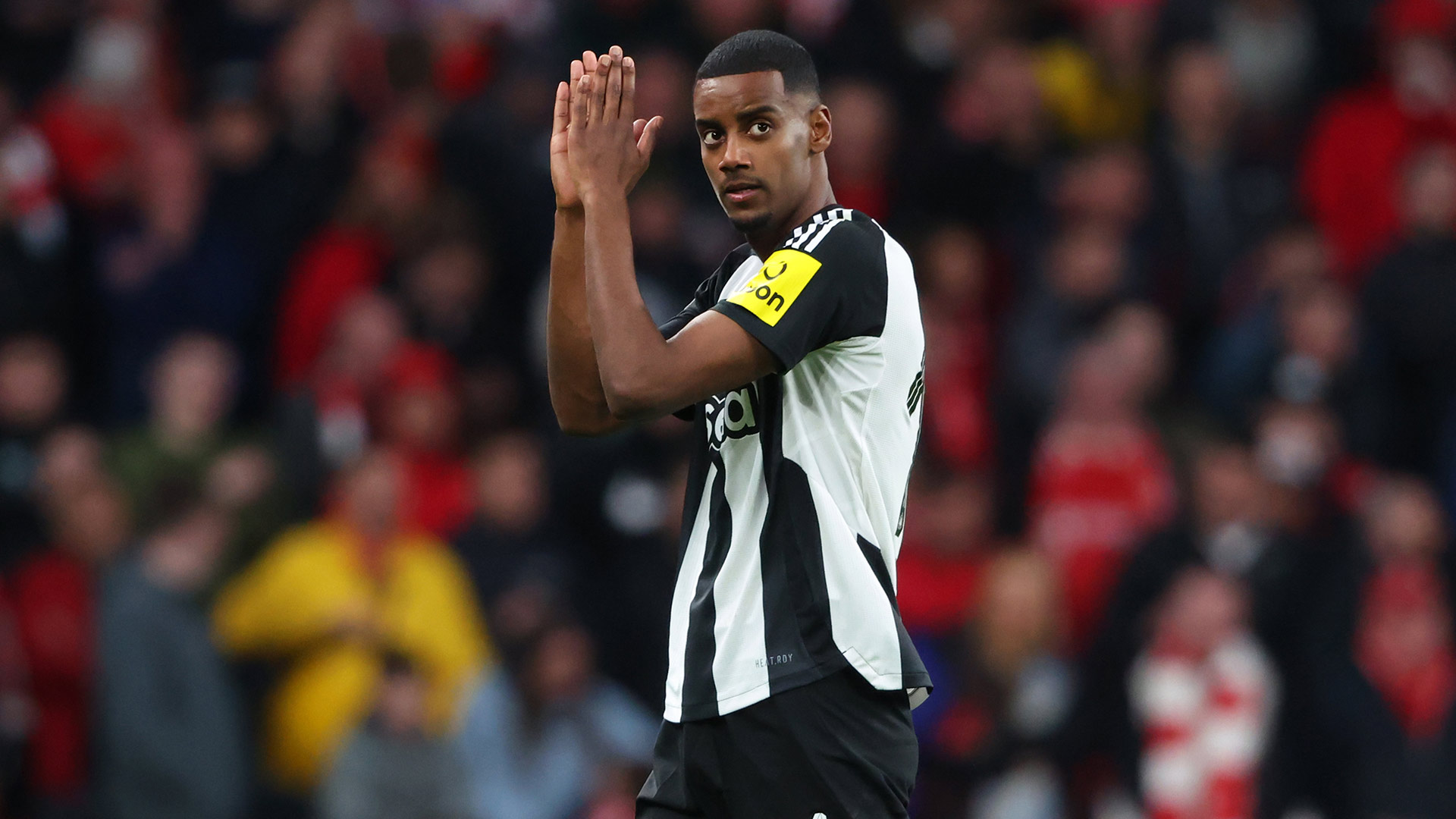
Liverpool's Deal for Alexander Isak to Reportedly Shatter Premier League Mark
Entities mentioned:
- Liverpool: Competitive spirit, Ambition, Recognition
- Alexander Isak: Ambition, Recognition, Professional pride
- Newcastle United: Greed, Competitive spirit, Self-preservation
- Premier League: Recognition, Competitive spirit, Influence
- Chelsea: Competitive spirit, Ambition, Recognition
- Enzo Fernandez: Ambition, Recognition, Professional pride
- Florian Wirtz: Ambition, Recognition, Professional pride
- Bayer Leverkusen: Greed, Competitive spirit, Self-preservation
- Jeremie Frimpong: Ambition, Recognition, Professional pride
- Hugo Ekitike: Ambition, Recognition, Professional pride
- Mohamed Salah: Competitive spirit, Professional pride, Recognition
Article Assessment:
Credibility Score: 75/100
Bias Rating: 45/100 (Center)
Sentiment Score: 65/100
Authoritarianism Risk: 20/100 (Strongly Democratic)
Bias Analysis:
The article presents factual information from reputable sources like BBC and The Athletic. It maintains a neutral tone, focusing on reporting transfer details without favoring any particular club or player.
Key metric: Economic Impact of Sports Industry
As a social scientist, I analyze that this transfer deal significantly impacts the economic landscape of professional soccer, particularly in the Premier League. The record-breaking fee for Alexander Isak demonstrates the escalating financial power of top clubs and the increasing market value of elite players. This trend could lead to wider economic implications, including inflation in player wages, transfer fees, and potentially ticket prices. It also highlights the growing financial disparity between top-tier clubs and smaller teams, which could affect competitive balance in the league. The massive spending by Liverpool, totaling over £400 million, indicates a shift in the club's financial strategy and could influence other clubs to increase their spending to remain competitive. This 'arms race' in player acquisition could have long-term effects on the financial sustainability of clubs and the overall economic structure of the sport.
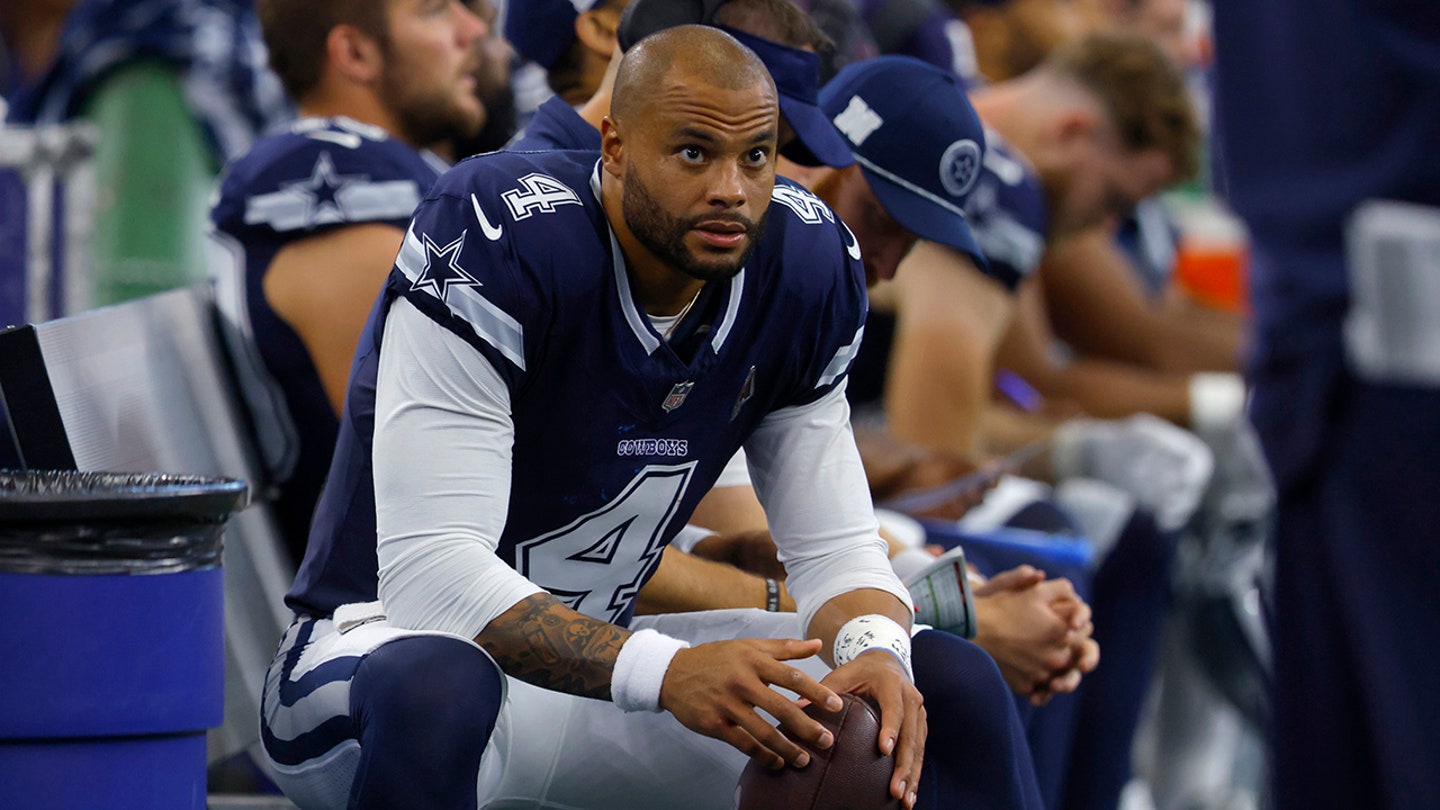
Dak Prescott reacts to Micah Parsons trade to Packers: 'I wasn’t surprised'
Entities mentioned:
- Dak Prescott: Professional pride, Loyalty, Self-preservation
- Micah Parsons: Ambition, Recognition, Greed
- Jerry Jones: Control, Power, Legacy
- Dallas Cowboys: Competitive spirit, Success, Legacy
- Green Bay Packers: Ambition, Competitive spirit, Success
Article Assessment:
Credibility Score: 75/100
Bias Rating: 50/100 (Center)
Sentiment Score: 45/100
Authoritarianism Risk: 20/100 (Strongly Democratic)
Bias Analysis:
The article presents a balanced view of the trade, including perspectives from multiple parties involved. It relies on direct quotes and factual reporting without apparent partisan leanings.
Key metric: NFL Team Performance and Player Compensation
As a social scientist, I analyze that this article highlights the complex interplay between player value, team dynamics, and financial considerations in professional sports. The trade of Micah Parsons, a highly valued player, from the Dallas Cowboys to the Green Bay Packers demonstrates the significant impact individual players can have on team strategies and budgets. Dak Prescott's reaction reveals the tension between team loyalty and the business aspects of professional football. The record-breaking contract for Parsons as a non-quarterback player signifies a shift in how teams value defensive players, potentially influencing future salary negotiations and team compositions across the NFL. This move may also affect the Cowboys' performance and team chemistry in the short term, while potentially strengthening their future through acquired draft picks and players.
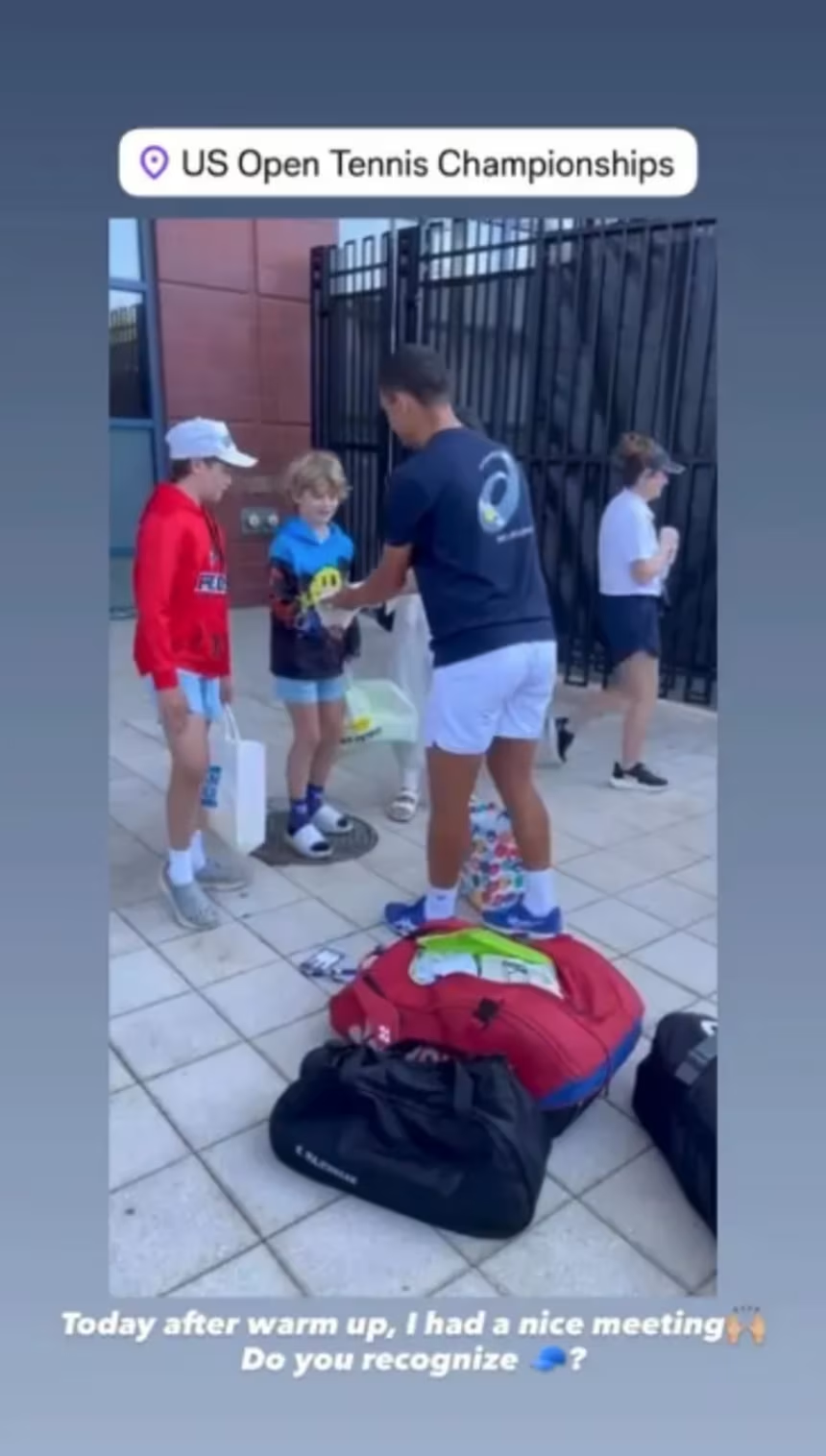
Tennis star Kamil Majchrzak meets young fan who had hat snatched from him in viral US Open video
Entities mentioned:
- Kamil Majchrzak: Professional pride, Righteousness, Recognition
- Young fan (Brock): Enthusiasm, Recognition
- Man who snatched hat: Greed, Self-preservation
- US Open: Professional pride, Recognition
Article Assessment:
Credibility Score: 75/100
Bias Rating: 45/100 (Center)
Sentiment Score: 65/100
Authoritarianism Risk: 20/100 (Strongly Democratic)
Bias Analysis:
The article presents a balanced account of the events, including multiple perspectives and factual reporting. It refrains from overtly partisan language or framing, maintaining a neutral stance in its presentation of the incident and its aftermath.
Key metric: Social Cohesion
As a social scientist, I analyze that this incident and its resolution demonstrate the power of social media in addressing injustices and fostering positive community interactions. The viral nature of the video clip sparked public outrage, leading to the identification of the perpetrator and subsequent consequences for his company. This showcases how digital platforms can be used as tools for social accountability. Majchrzak's proactive response in seeking out the young fan and making amends highlights the potential for public figures to use their influence positively, potentially improving public trust and social cohesion. The incident also underscores the importance of sportsmanship and ethical behavior in public spaces, extending beyond the tennis court to fan interactions.
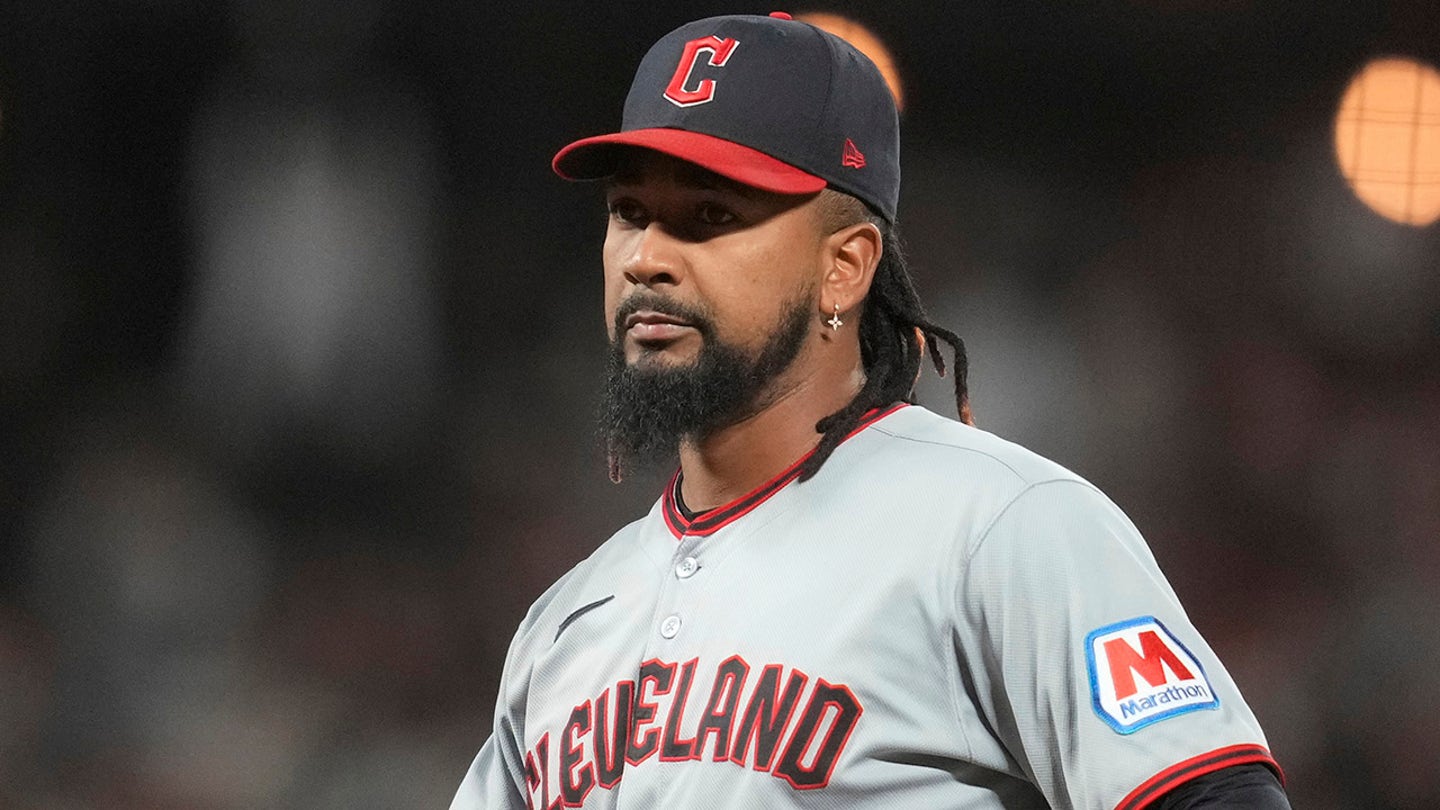
Guardians pitchers' paid leave extended indefinitely as MLB continues gambling probe
Entities mentioned:
- Emmanuel Clase: Self-preservation, Professional pride, Anxiety
- Luis Ortiz: Self-preservation, Greed, Fear
- MLB: Integrity, Control, Justice
- Cleveland Guardians: Competitive spirit, Professional pride, Loyalty
- Players' Union: Loyalty, Justice, Protection
Article Assessment:
Credibility Score: 75/100
Bias Rating: 50/100 (Center)
Sentiment Score: 35/100
Authoritarianism Risk: 30/100 (Generally Democratic)
Bias Analysis:
The article presents a balanced view of the situation, reporting facts without apparent favoritism. It includes perspectives from multiple stakeholders and provides context about the team's performance, indicating a neutral stance.
Key metric: Sports Integrity Index
As a social scientist, I analyze that this ongoing gambling investigation into two Cleveland Guardians pitchers highlights the increasing scrutiny of sports integrity in the era of widespread legal sports betting. The indefinite extension of paid leave for Clase and Ortiz suggests the seriousness of the allegations and the thoroughness of MLB's investigation. This situation likely impacts team performance and morale, as evidenced by the Guardians' struggle to maintain their competitive position. The incident underscores the challenges professional sports leagues face in maintaining public trust and the integrity of the game while navigating the expanding landscape of sports gambling. The potential for prop bet manipulation by players represents a significant threat to fair competition and fan confidence in the sport.
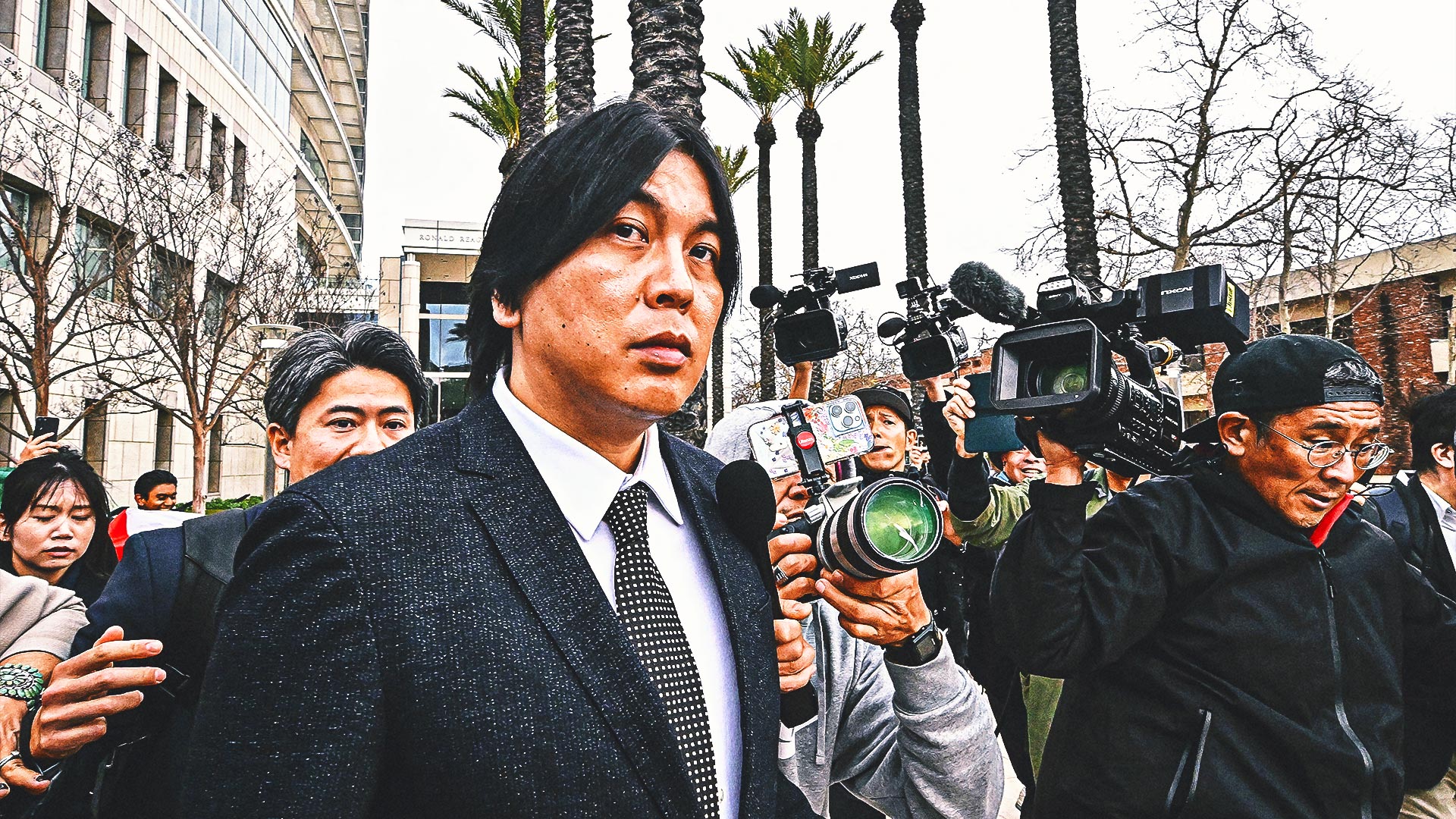
Bookmaker for MLB Star Shohei Ohtani’s Interpreter Sentenced to Year in Prison
Entities mentioned:
- Mathew Bowyer: Greed, Self-preservation, Remorse
- Ippei Mizuhara: Greed, Self-preservation, Fear
- Shohei Ohtani: Professional pride, Recognition, Security
- Federal prosecutors: Justice, Duty, Righteousness
- Internal Revenue Service: Justice, Control, Duty
Article Assessment:
Credibility Score: 75/100
Bias Rating: 50/100 (Center)
Sentiment Score: 35/100
Authoritarianism Risk: 25/100 (Generally Democratic)
Bias Analysis:
The article presents a balanced account of the legal proceedings without apparent political slant. It includes quotes from the defendant and details from both the prosecution and defense, indicating an effort to provide a neutral perspective on the events.
Key metric: Regulatory Enforcement Effectiveness
As a social scientist, I analyze that this case highlights the effectiveness of federal regulatory bodies in addressing illegal gambling operations in professional sports. The sentencing of Bowyer and the previous conviction of Mizuhara demonstrate the government's ability to investigate and prosecute complex financial crimes involving high-profile athletes. This enforcement action may serve as a deterrent to others involved in similar illegal activities, potentially improving the integrity of professional sports. However, the case also reveals vulnerabilities in the financial oversight of professional athletes, suggesting a need for improved financial management practices within major sports organizations.
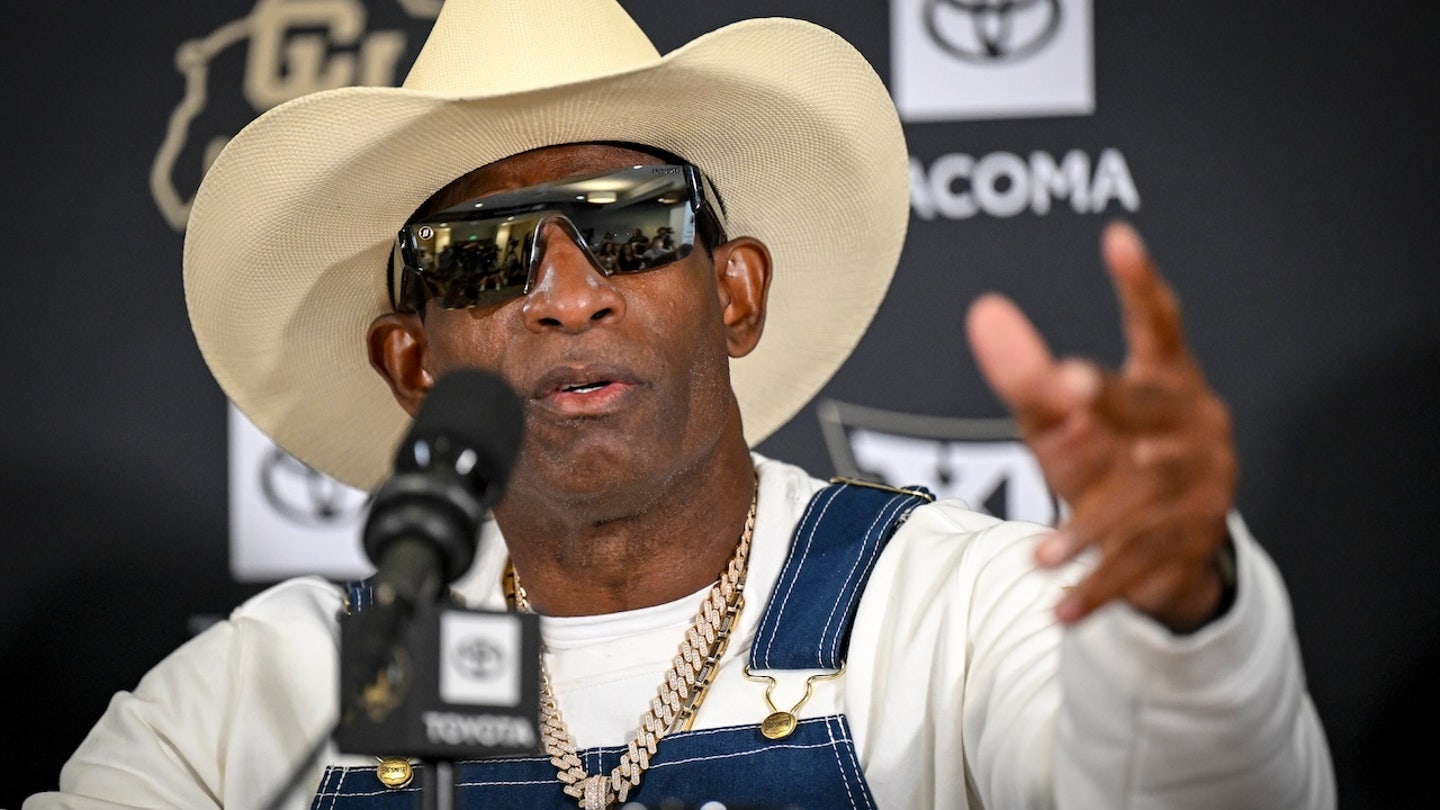
Deion Sanders proposes paying College Football Playoff players directly instead of conferences
Entities mentioned:
- Deion Sanders: Justice, Influence, Recognition
- Nick Saban: Professional pride, Duty, Legacy
- College Football Playoff (CFP): Competitive spirit, Recognition, Power
- Aflac: Recognition, Influence, Greed
Article Assessment:
Credibility Score: 75/100
Bias Rating: 50/100 (Center)
Sentiment Score: 45/100
Authoritarianism Risk: 30/100 (Generally Democratic)
Bias Analysis:
The article presents multiple viewpoints, including those of Sanders and Saban, without overtly favoring one side. It provides context and background information, maintaining a relatively neutral stance on the issue of college athlete compensation.
Key metric: College Athlete Compensation
As a social scientist, I analyze that this article highlights a significant shift in the landscape of college athletics, particularly football. The proposal by Deion Sanders to directly pay College Football Playoff players instead of conferences represents a potential paradigm shift in how college athletes are compensated. This change could have far-reaching implications for the structure of college sports, athlete motivation, and the balance of power between players, schools, and conferences. The discussion around Name, Image, and Likeness (NIL) deals and their impact on college sports further underscores the ongoing transformation of the amateur athlete model. The concerns raised by both Sanders and Saban about the current state of affairs suggest a growing recognition of the need for more structured and equitable systems of compensation in college sports.