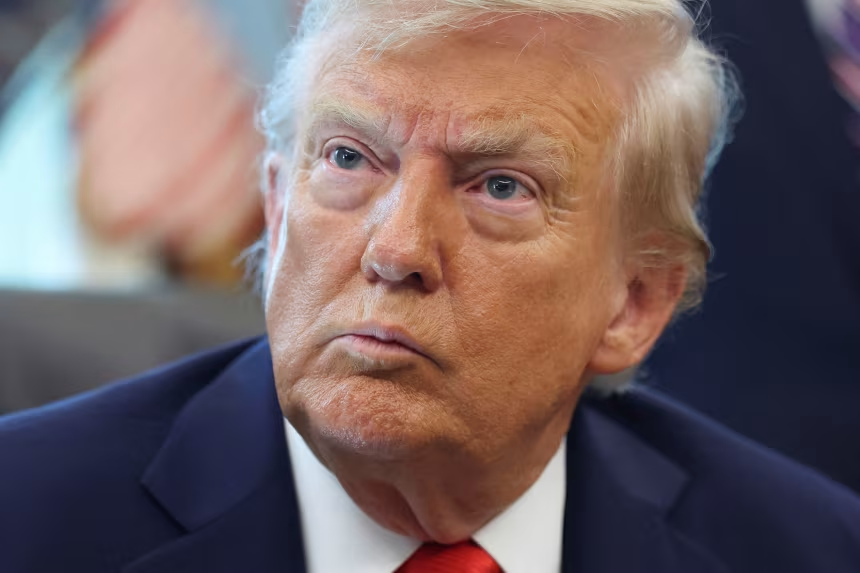
Trump’s tortured history of legally targeting his foes
Entities mentioned:
- Donald Trump: Revenge, Power, Control
- John Bolton: Loyalty, Professional pride, Self-preservation
- Chris Christie: Ambition, Competitive spirit, Self-preservation
- Greg Gutfeld: Loyalty, Righteousness, Indignation
- Kilmar Abrego Garcia: Self-preservation, Freedom, Justice
- Joe Biden: Self-preservation, Legacy, Duty
- Hunter Biden: Self-preservation, Recognition, Ambition
- John Durham: Professional pride, Duty, Justice
- William Barr: Loyalty, Power, Influence
Article Assessment:
Credibility Score: 75/100
Bias Rating: 40/100 (Lean Left)
Sentiment Score: 35/100
Authoritarianism Risk: 65/100 (Authoritarian Tendencies)
Bias Analysis:
The article leans slightly left, evidenced by its critical tone towards Trump and more sympathetic portrayal of his opponents. However, it does provide factual information and context, balancing its perspective somewhat.
Key metric: Rule of Law Index
As a social scientist, I analyze that this article highlights a concerning trend of potential weaponization of the justice system for political purposes. The contrast between the success rates of prosecutions against Trump and his allies versus Trump's allegations against his opponents suggests a pattern of using legal threats as a political tool without substantial evidence. This behavior risks eroding public trust in the justice system and could negatively impact the Rule of Law Index, which measures the extent to which a country adheres to the rule of law in practice. The article suggests that Trump's administration may be using investigations to intimidate critics rather than pursue legitimate justice, which could lead to a decline in the perception of government accountability and fair application of the law.
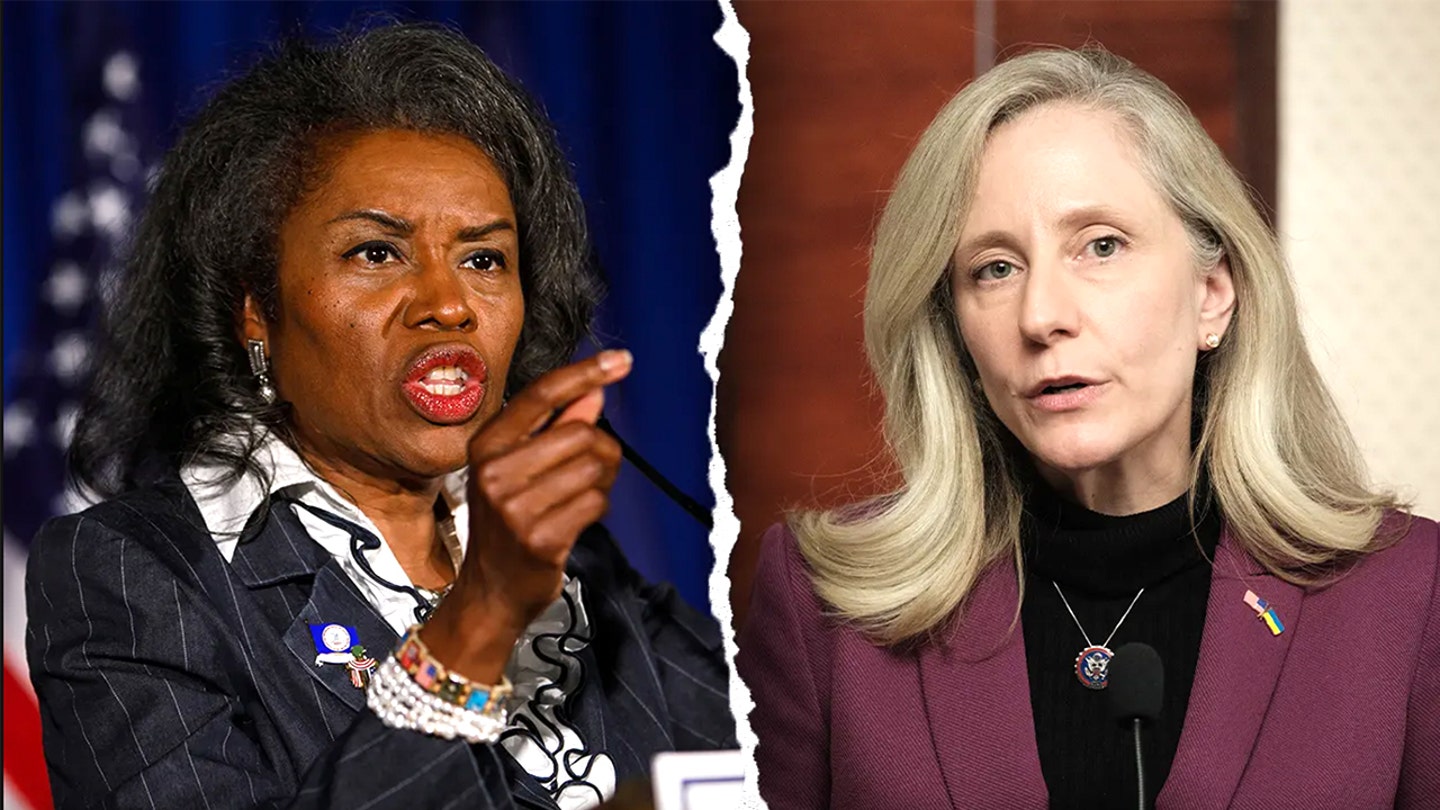
Political activist CJ Pearson says White liberals are starting to fear they're losing 'power' over Blacks
Entities mentioned:
- CJ Pearson: Righteousness, Moral outrage, Influence
- White liberals: Power, Control, Fear
- Winsome Earle-Sears: Determination, Duty, Self-respect
- Abigail Spanberger: Ambition, Self-preservation, Obligation
- Republican Party: Competitive spirit, Power, Influence
- Democratic Party: Power, Control, Self-preservation
Article Assessment:
Credibility Score: 65/100
Bias Rating: 70/100 (Lean Right)
Sentiment Score: 30/100
Authoritarianism Risk: 35/100 (Generally Democratic)
Bias Analysis:
The article leans right, primarily quoting conservative voices and framing liberal actions negatively. While it includes some opposing viewpoints, the overall narrative favors a conservative interpretation of events.
Key metric: Racial Political Alignment
As a social scientist, I analyze that this article highlights growing tensions in racial political alignment, particularly focusing on the perceived shift of Black voters away from the Democratic Party. The controversy surrounding the racist sign at a protest event serves as a focal point for discussing broader issues of race, politics, and voter loyalty. The article suggests a potential realignment of Black voters, which could significantly impact future elections and party strategies. The strong reactions from both conservative and liberal figures underscore the high stakes involved in maintaining or changing traditional voting blocs. This incident also reveals the complexities of intersectional politics, where race and gender identity issues collide in public discourse.

Cracker Barrel CEO serves up leftover corporate branding to unhappy customers
Entities mentioned:
- Cracker Barrel Old Country Store: Ambition, Competitive spirit, Recognition
- Cracker Barrel CEO: Ambition, Professional pride, Influence
- Article Author: Expertise, Professional pride, Duty
Article Assessment:
Credibility Score: 65/100
Bias Rating: 55/100 (Center)
Sentiment Score: 35/100
Authoritarianism Risk: 20/100 (Strongly Democratic)
Bias Analysis:
The article presents a balanced view, incorporating both the company's perspective and customer reactions. However, the author's personal experience and expertise slightly skew the narrative towards criticism of the rebranding effort.
Key metric: Consumer Sentiment
As a social scientist, I analyze that this article highlights a significant shift in Cracker Barrel's branding strategy, which has resulted in negative customer feedback. The rebranding effort, including logo changes and interior renovations, appears to have alienated long-time loyal customers who valued the restaurant's nostalgic appeal. This situation exemplifies the risks associated with corporate rebranding when it fails to consider the emotional connection customers have with a brand's established identity. The author, positioning themselves as a customer loyalty expert, argues that prioritizing new customer acquisition over maintaining existing customer relationships can be detrimental to a company's success. This case study of Cracker Barrel's rebranding serves as a cautionary tale for other businesses, emphasizing the importance of preserving brand authenticity and valuing loyal customers in corporate strategy.
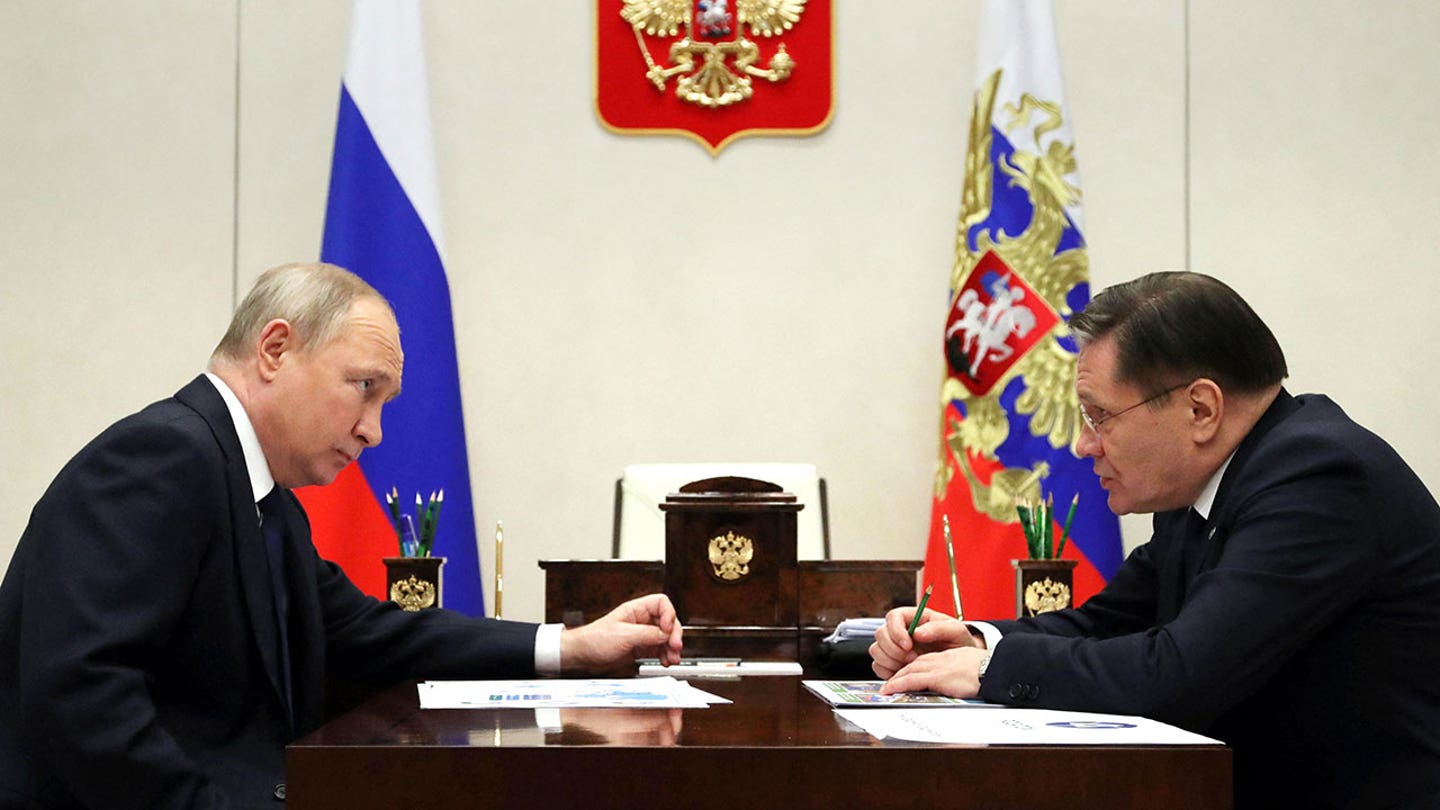
Russia looks to update nuclear program amid ‘colossal threats’ from West
Entities mentioned:
- Alexei Likhachev: Security, Power, Duty
- Vladimir Putin: Power, Security, Influence
- Donald Trump: Security, Competitive spirit, Power
- Russia: Security, Power, Self-preservation
- United States: Security, Influence, Power
- China: Power, Influence, Security
Article Assessment:
Credibility Score: 75/100
Bias Rating: 55/100 (Center)
Sentiment Score: 30/100
Authoritarianism Risk: 55/100 (Mixed/Neutral)
Bias Analysis:
The article presents a relatively balanced view, incorporating perspectives from both Russian and U.S. sources. However, there's a slight lean towards Western viewpoints, particularly in framing Russia's actions as potentially threatening.
Key metric: Global Nuclear Stability Index
As a social scientist, I analyze that this article highlights a concerning trend towards nuclear armament and away from disarmament efforts. Russia's emphasis on upgrading its nuclear capabilities, coupled with similar rhetoric from the U.S., suggests a potential new arms race. This development, along with the uncertain future of the New Start Treaty, could significantly destabilize global nuclear security. The article underscores the tensions between major powers and the use of nuclear capabilities as a geopolitical tool, which may lead to increased global instability and a higher risk of nuclear conflict.
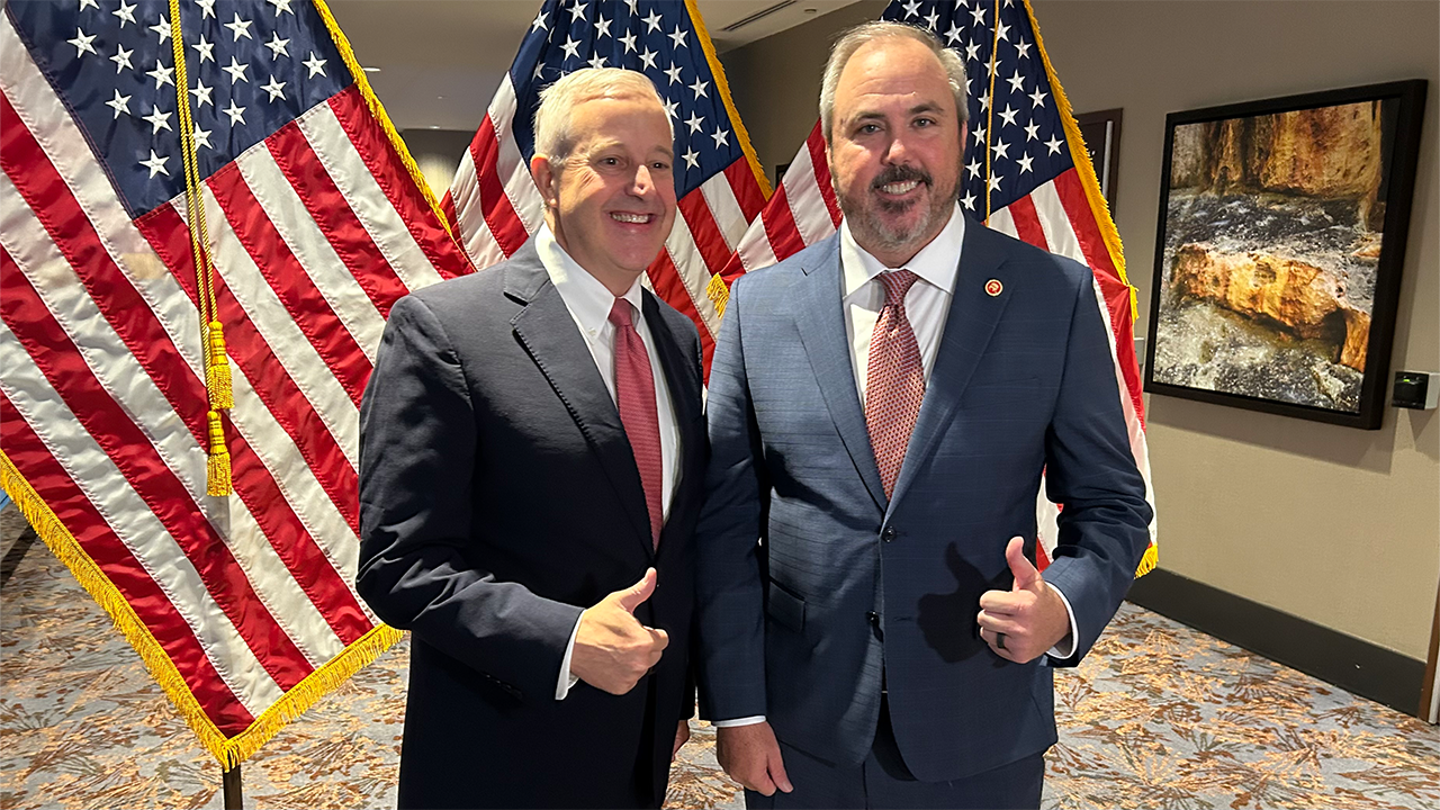
New RNC chair Joe Gruters vows to 'ride the president all the way to victory' in midterms
Entities mentioned:
- Joe Gruters: Ambition, Loyalty, Power
- Republican National Committee (RNC): Power, Control, Influence
- Donald Trump: Power, Control, Legacy
- Michael Whatley: Ambition, Loyalty, Power
- Democratic National Committee (DNC): Competitive spirit, Moral outrage, Power
- Republican Party (GOP): Power, Control, Unity
- Democratic Party: Competitive spirit, Moral outrage, Justice
Article Assessment:
Credibility Score: 65/100
Bias Rating: 70/100 (Lean Right)
Sentiment Score: 55/100
Authoritarianism Risk: 65/100 (Authoritarian Tendencies)
Bias Analysis:
The article leans right, primarily due to its focus on Republican perspectives and strategies. While it includes some Democratic critique, the majority of the content presents Republican viewpoints favorably, with limited counterbalance.
Key metric: Political Party Power and Influence
As a social scientist, I analyze that this article highlights the consolidation of power within the Republican Party under Donald Trump's influence. The appointment of Joe Gruters, a Trump loyalist, as RNC chair further cements Trump's control over the party apparatus. This move indicates a strategy to align the party closely with Trump's policies and persona for the upcoming midterm elections. The article also touches on significant policy changes, particularly in tax cuts and social welfare programs, which are likely to be key campaign issues. The GOP's focus on election integrity and voter mobilization suggests a concentrated effort to maintain and expand their political power. This shift in party dynamics and policy focus could have substantial implications for the balance of power in Congress and the direction of national policy.
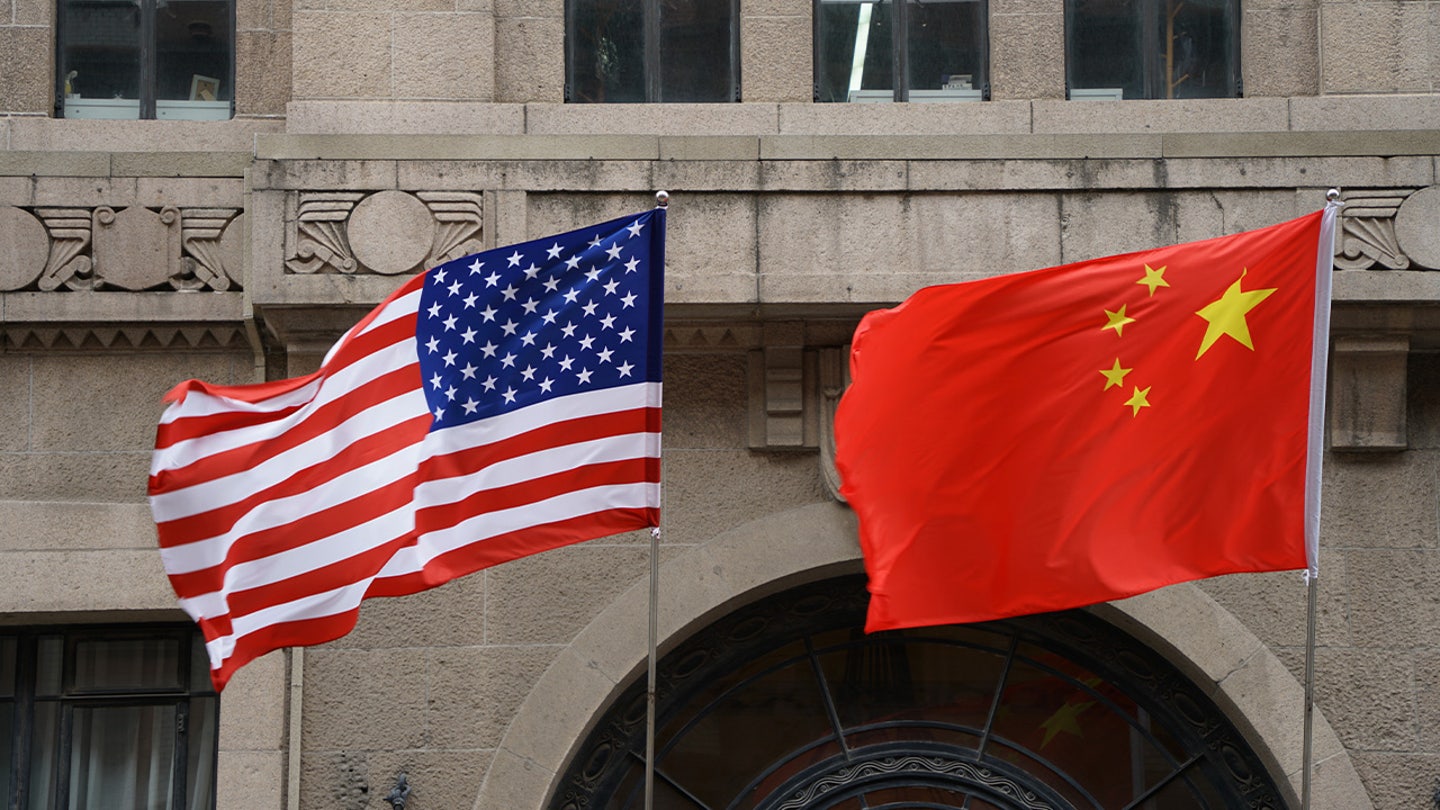
Trump learns a lesson grounded in faith, how best to stand tough on trade with China
Entities mentioned:
- Donald Trump: Power, Determination, Competitive spirit
- China: Control, Power, Competitive spirit
- Steven Mnuchin: Determination, Professional pride, Loyalty
- Rabbi Levi Yitzchok of Berditchev: Righteousness, Faith, Influence
Article Assessment:
Credibility Score: 55/100
Bias Rating: 75/100 (Lean Right)
Sentiment Score: 65/100
Authoritarianism Risk: 55/100 (Mixed/Neutral)
Bias Analysis:
The article leans heavily right, presenting Trump's policies in an overwhelmingly positive light without significant counterarguments. It uses religious rhetoric to support political positions, which is characteristic of right-wing messaging in the US.
Key metric: US-China Trade Balance
As a social scientist, I analyze that this article portrays a continuation of Trump's aggressive trade policies towards China in a hypothetical second term. The focus is on using tariffs and economic pressure to reshape the US-China trade relationship and reduce US dependence on Chinese goods and resources. The article suggests these policies are having some success in reshoring manufacturing and strengthening alliances, but acknowledges short-term economic costs. The integration of religious teachings into trade policy rationale is an unusual element that appears aimed at justifying potentially painful economic measures through appeals to faith and perseverance.
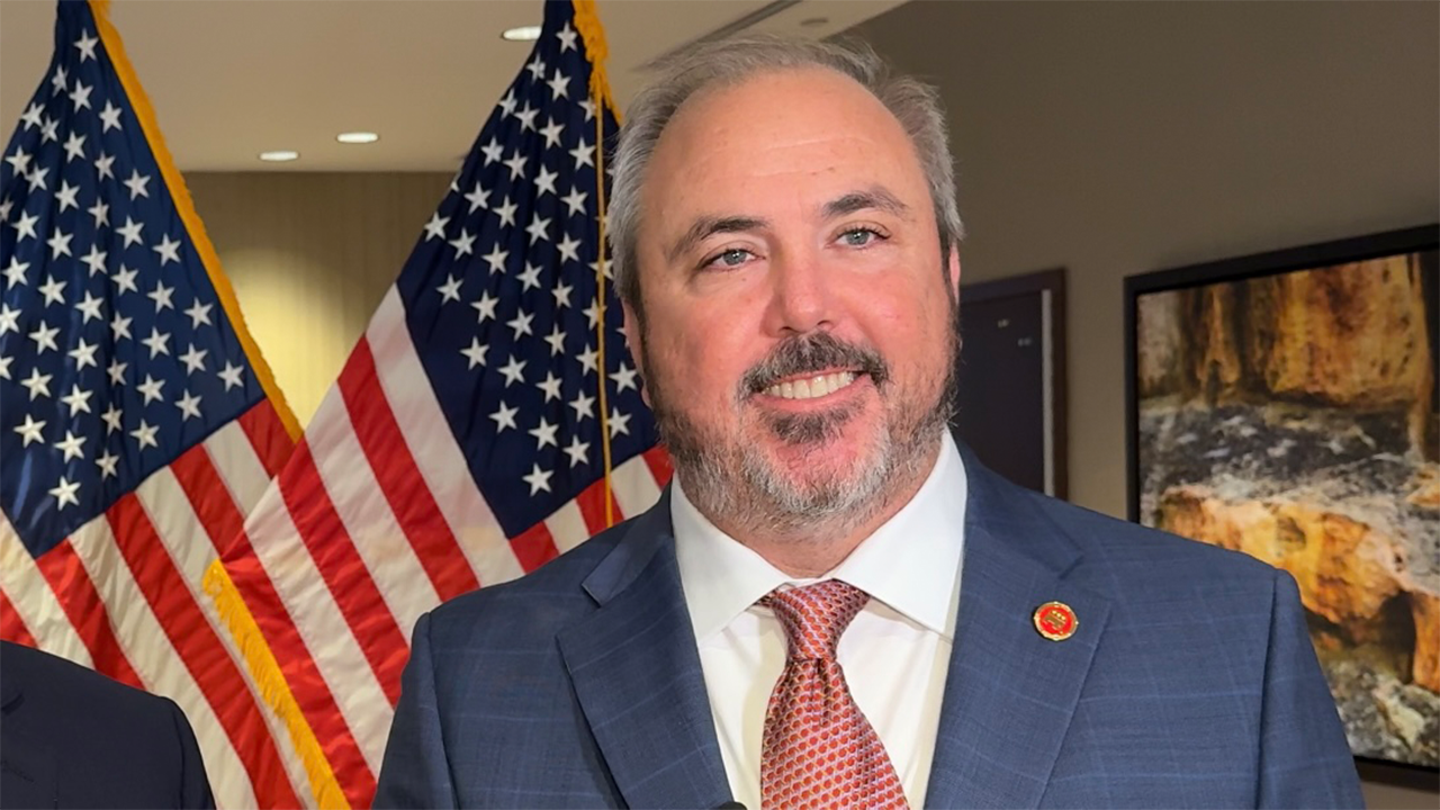
Meet Joe Gruters, the Trump ally now at the helm of Republican National Committee
Entities mentioned:
- Joe Gruters: Loyalty, Ambition, Power
- Donald Trump: Power, Control, Influence
- Republican National Committee: Influence, Power, Unity
- Susie Wiles: Loyalty, Ambition, Influence
- Michael Whatley: Ambition, Power, Loyalty
- Ron DeSantis: Ambition, Competitive spirit, Power
Article Assessment:
Credibility Score: 70/100
Bias Rating: 65/100 (Lean Right)
Sentiment Score: 65/100
Authoritarianism Risk: 55/100 (Mixed/Neutral)
Bias Analysis:
The article leans right, evidenced by its focus on Trump's influence and positive framing of his control over the RNC. While it includes some factual reporting, the language used ('MAGA Warrior', 'RED AS RED CAN BE!') suggests a favorable view of Trump's impact on the party.
Key metric: Political Party Cohesion
As a social scientist, I analyze that this article highlights the consolidation of power within the Republican Party under Donald Trump's influence. The unanimous election of Joe Gruters, a Trump ally, as RNC chair demonstrates the party's alignment with Trump's vision and leadership. This development suggests a strengthening of party cohesion around Trump's ideology and political strategy, potentially impacting the party's approach to the upcoming midterm elections and beyond. The mention of Gruters' clash with Ron DeSantis indicates potential internal conflicts within the party, especially among Florida-based politicians, which could affect the party's unity and strategy in the long term.
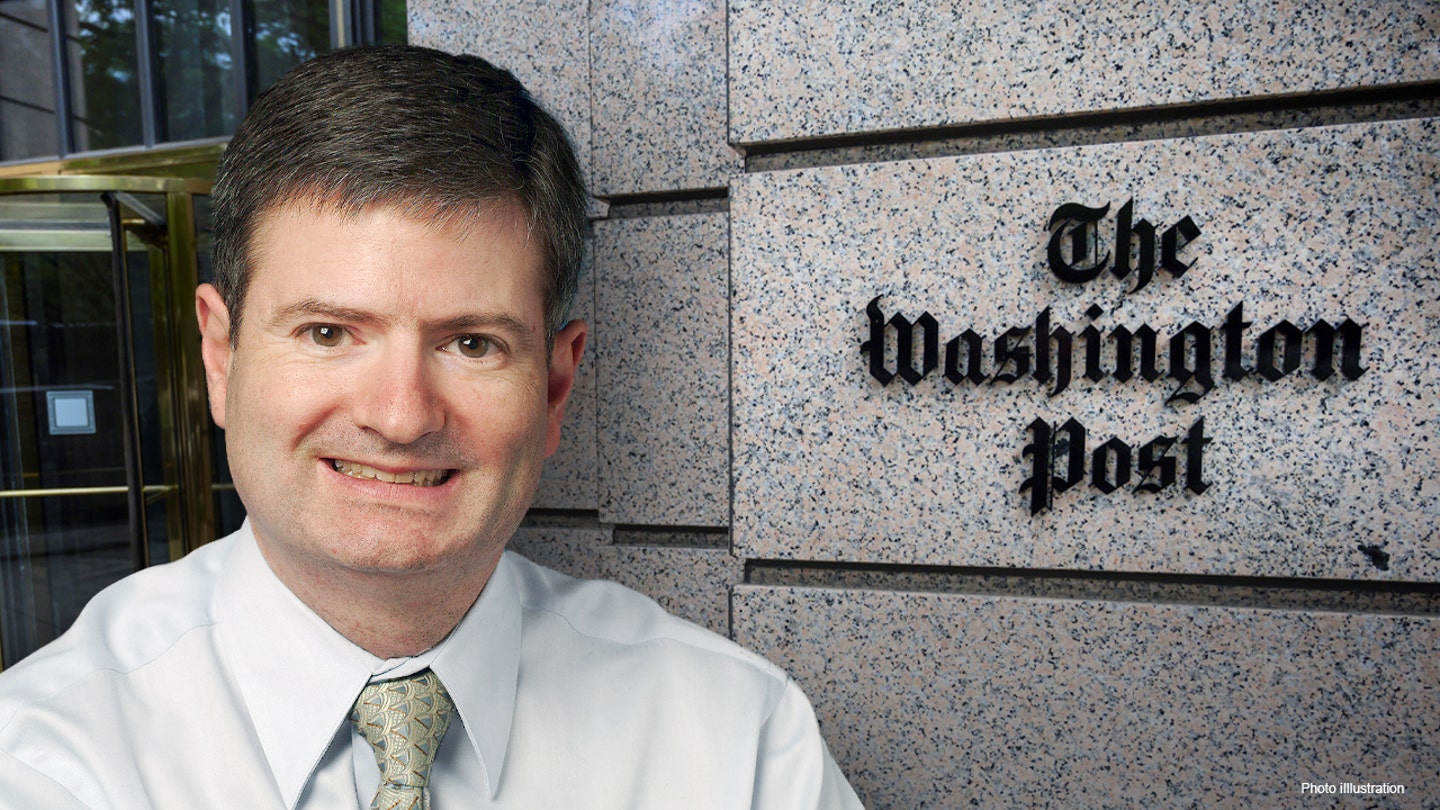
Ex-Washington Post fact checker owns up to poorly-aged report but remains defiant against his critics
Entities mentioned:
- Glenn Kessler: Professional pride, Self-respect, Duty
- Donald Trump: Power, Influence, Control
- The Washington Post: Credibility, Influence, Professional pride
- Matt Murray: Control, Professional pride, Influence
- Ted Cruz: Righteousness, Competitive spirit, Influence
Article Assessment:
Credibility Score: 70/100
Bias Rating: 55/100 (Center)
Sentiment Score: 45/100
Authoritarianism Risk: 30/100 (Generally Democratic)
Bias Analysis:
The article presents multiple viewpoints, including critics of fact-checking, but gives more space to Kessler's perspective. It maintains a relatively neutral tone while discussing controversial topics, suggesting a slight center-right lean.
Key metric: Public Trust in Media
As a social scientist, I analyze that this article highlights the challenges facing fact-checkers and traditional media in maintaining public trust. The piece reveals tensions between journalistic integrity, political polarization, and the rapid spread of information (and misinformation) in the digital age. Kessler's reflections on his career and the changing landscape of fact-checking underscore a shift in how information is consumed and verified by the public. This shift has significant implications for democratic discourse and the role of media in shaping public opinion. The article also touches on internal struggles within news organizations to adapt to these changes, as evidenced by discussions about ombudsmen and editorial decisions.
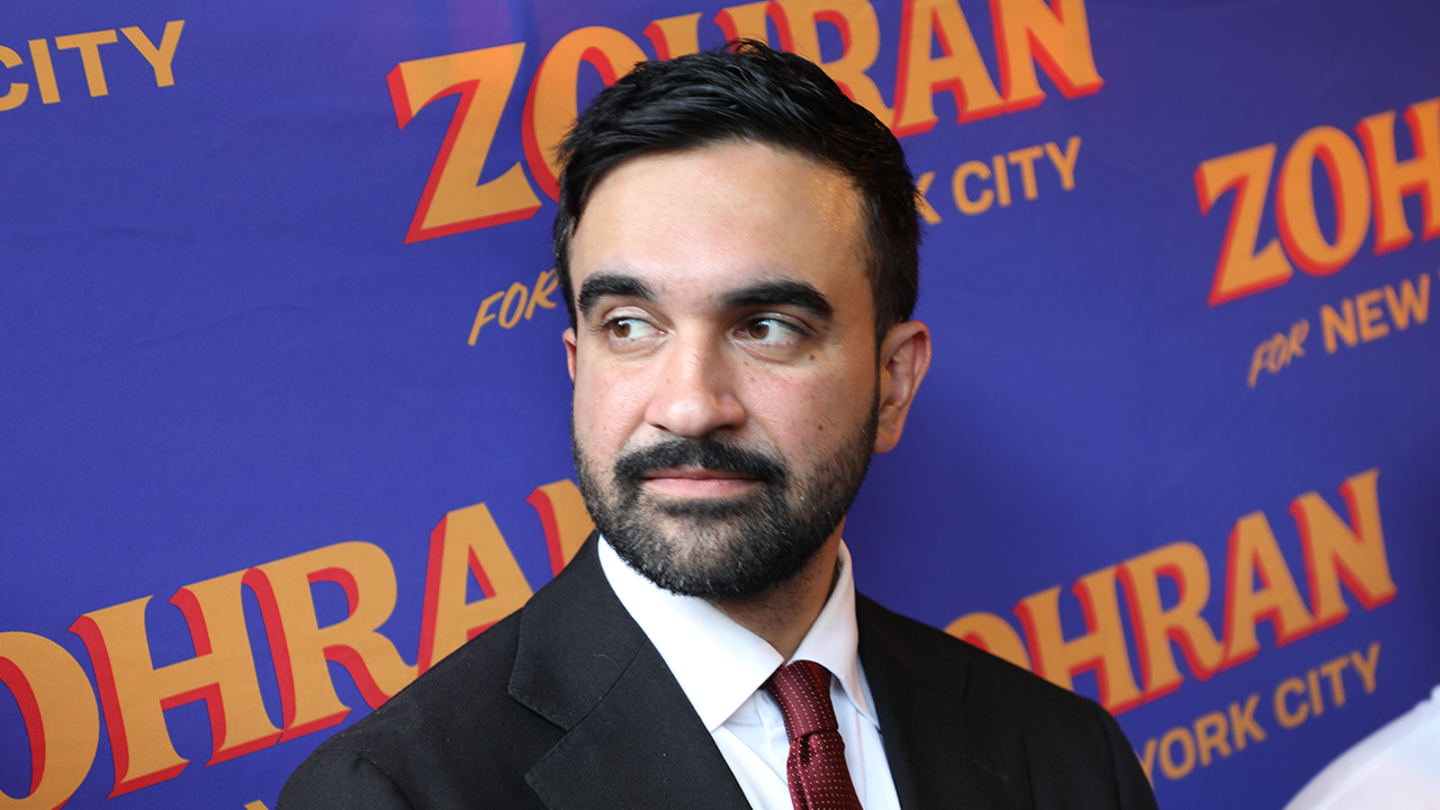
Pro-Mamdani super PAC takes hefty check from ultra-wealthy donor despite saying billionaires shouldn't exist
Entities mentioned:
- Zohran Mamdani: Ambition, Righteousness, Influence
- Elizabeth Simons: Influence, Legacy, Righteousness
- Jamie Simons: Legacy, Influence, Philanthropy
- Andrew Cuomo: Competitive spirit, Indignation, Power
- New Yorkers for Lower Costs PAC: Influence, Power, Unity
Article Assessment:
Credibility Score: 75/100
Bias Rating: 65/100 (Lean Right)
Sentiment Score: 35/100
Authoritarianism Risk: 25/100 (Generally Democratic)
Bias Analysis:
The article leans slightly right, focusing on the contradiction in Mamdani's campaign and giving voice to his critic, Andrew Cuomo. While it presents factual information, the framing emphasizes perceived hypocrisy in left-leaning politics.
Key metric: Income Inequality
As a social scientist, I analyze that this article highlights a significant contradiction between Zohran Mamdani's campaign rhetoric against billionaires and the acceptance of substantial donations from billionaire-adjacent sources. This disconnect potentially impacts income inequality by undermining efforts to address wealth concentration. The article exposes the complex relationship between political ideals and campaign finance realities, suggesting that even candidates with strong anti-billionaire stances may struggle to completely detach from wealthy donors' influence. This situation could affect public trust in political campaigns and potentially hinder genuine efforts to address income disparities in New York City.
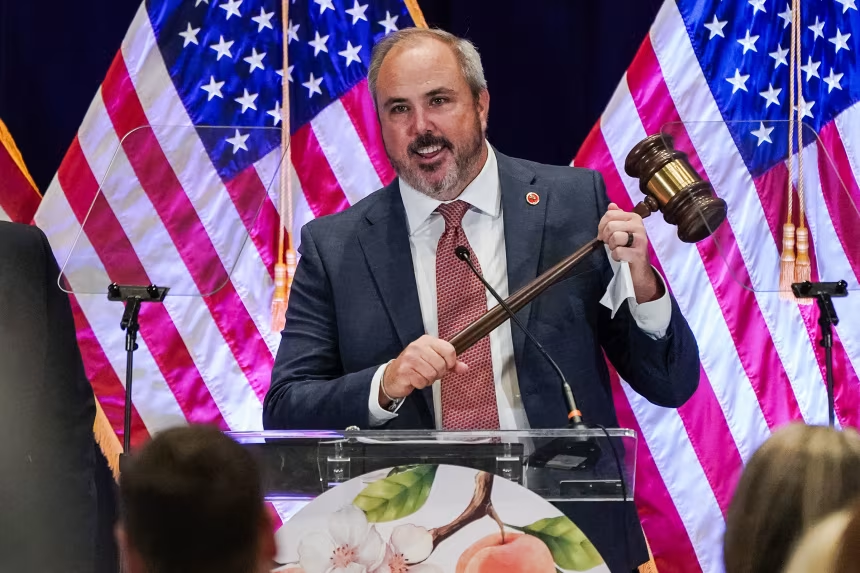
Republican National Committee elects Trump-backed Joe Gruters as new chair
Entities mentioned:
- Joe Gruters: Ambition, Loyalty, Power
- Donald Trump: Power, Influence, Control
- Michael Whatley: Ambition, Loyalty, Professional pride
- Republican National Committee: Power, Influence, Unity
- Ron DeSantis: Ambition, Competitive spirit, Power
Article Assessment:
Credibility Score: 75/100
Bias Rating: 55/100 (Center)
Sentiment Score: 50/100
Authoritarianism Risk: 35/100 (Generally Democratic)
Bias Analysis:
The article presents a relatively balanced view of the RNC leadership change, including perspectives from different Republican figures. While it highlights Trump's influence, it also mentions potential conflicts and challenges, providing a nuanced picture of party dynamics.
Key metric: Political Party Cohesion
As a social scientist, I analyze that this article highlights significant shifts in Republican Party leadership, with implications for party unity and strategy. The election of Joe Gruters as RNC chair, backed by former President Trump, reinforces Trump's continued influence within the party. The transition from Whatley to Gruters, both Trump allies, suggests a consolidation of pro-Trump factions in key party positions. This could impact the party's direction, potentially alienating moderate Republicans or those aligned with other potential presidential candidates like Ron DeSantis. The mention of tension between Gruters and DeSantis adds another layer of complexity to intra-party dynamics, which could affect the party's cohesion and strategy in upcoming elections. The RNC's strong financial position provides a solid foundation for the new leadership, but the challenge will be in maintaining unity and effectively leveraging these resources in a potentially divisive primary season and general election.