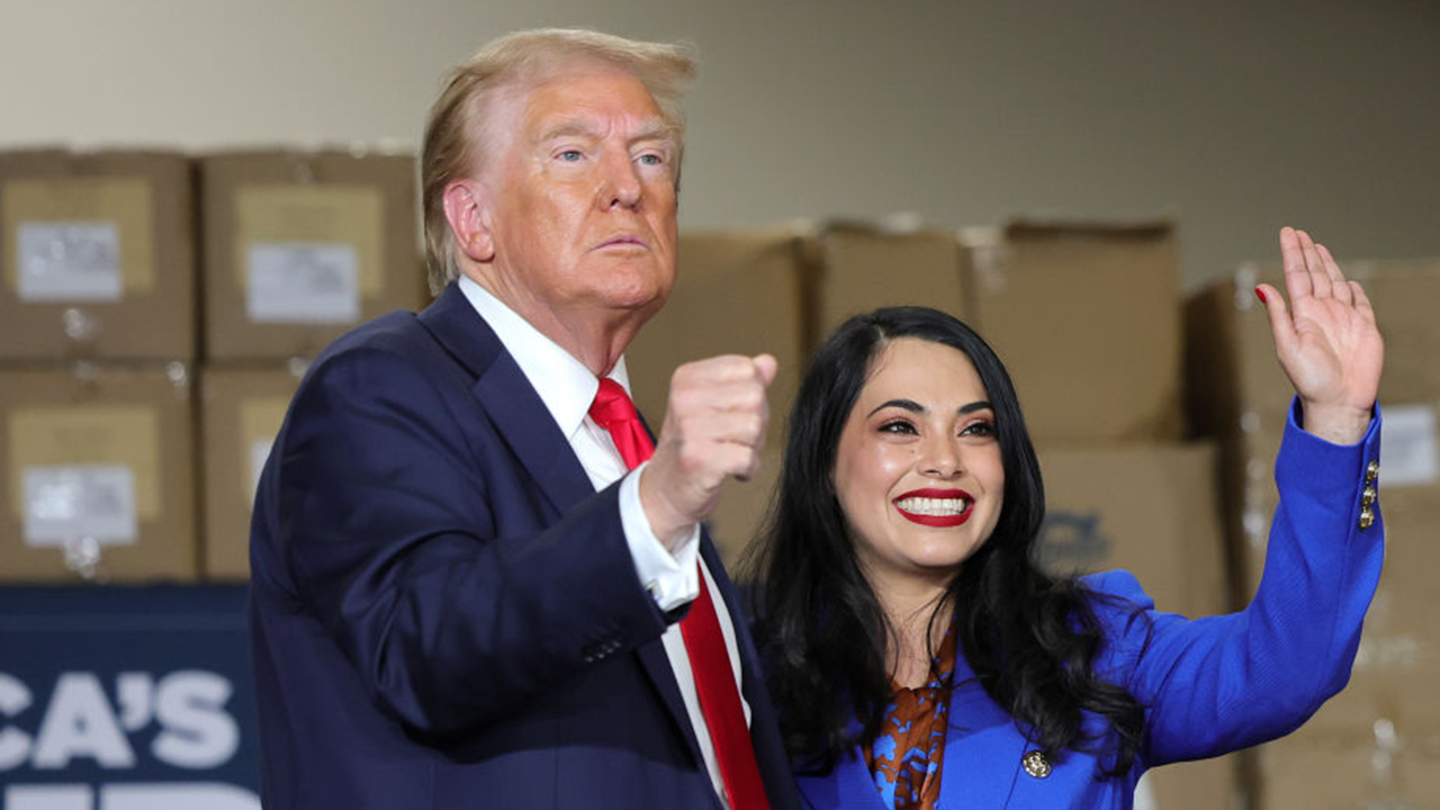
Mexican immigrant-turned-congresswoman blasts Dem claims Texas redistricting hurts Hispanic vote
Entities mentioned:
- Mayra Flores: Pride, Righteousness, Loyalty
- Republican Party: Power, Control, Competitive spirit
- Democratic Party: Power, Control, Justice
- Donald Trump: Influence, Power, Legacy
- Vicente Gonzalez: Power, Ambition, Professional pride
- Lloyd Doggett: Legacy, Self-preservation, Professional pride
- Gregorio Casar: Justice, Ambition, Moral outrage
- Chip Roy: Power, Competitive spirit, Loyalty
Article Assessment:
Credibility Score: 65/100
Bias Rating: 70/100 (Lean Right)
Sentiment Score: 55/100
Authoritarianism Risk: 40/100 (Generally Democratic)
Bias Analysis:
The article leans right, primarily featuring Republican perspectives and critiques of Democratic positions. While it includes some opposing viewpoints, the narrative favors conservative interpretations of the redistricting issue and Hispanic voter trends.
Key metric: Voter Representation and Engagement
As a social scientist, I analyze that this article highlights the complex interplay between demographic shifts, political realignment, and redistricting in Texas. The redistricting process is presented as a contentious issue, with Republicans claiming it better represents the changing political landscape, particularly among Hispanic voters, while Democrats argue it dilutes minority representation. This situation reflects broader national trends of changing party affiliations among minority groups and the ongoing debate over fair representation in the electoral system. The article suggests a potential shift in Hispanic voting patterns towards the Republican Party, which could have significant implications for future elections and party strategies. However, the conflicting interpretations of the redistricting's impact underscore the challenges in balancing demographic representation with political interests.
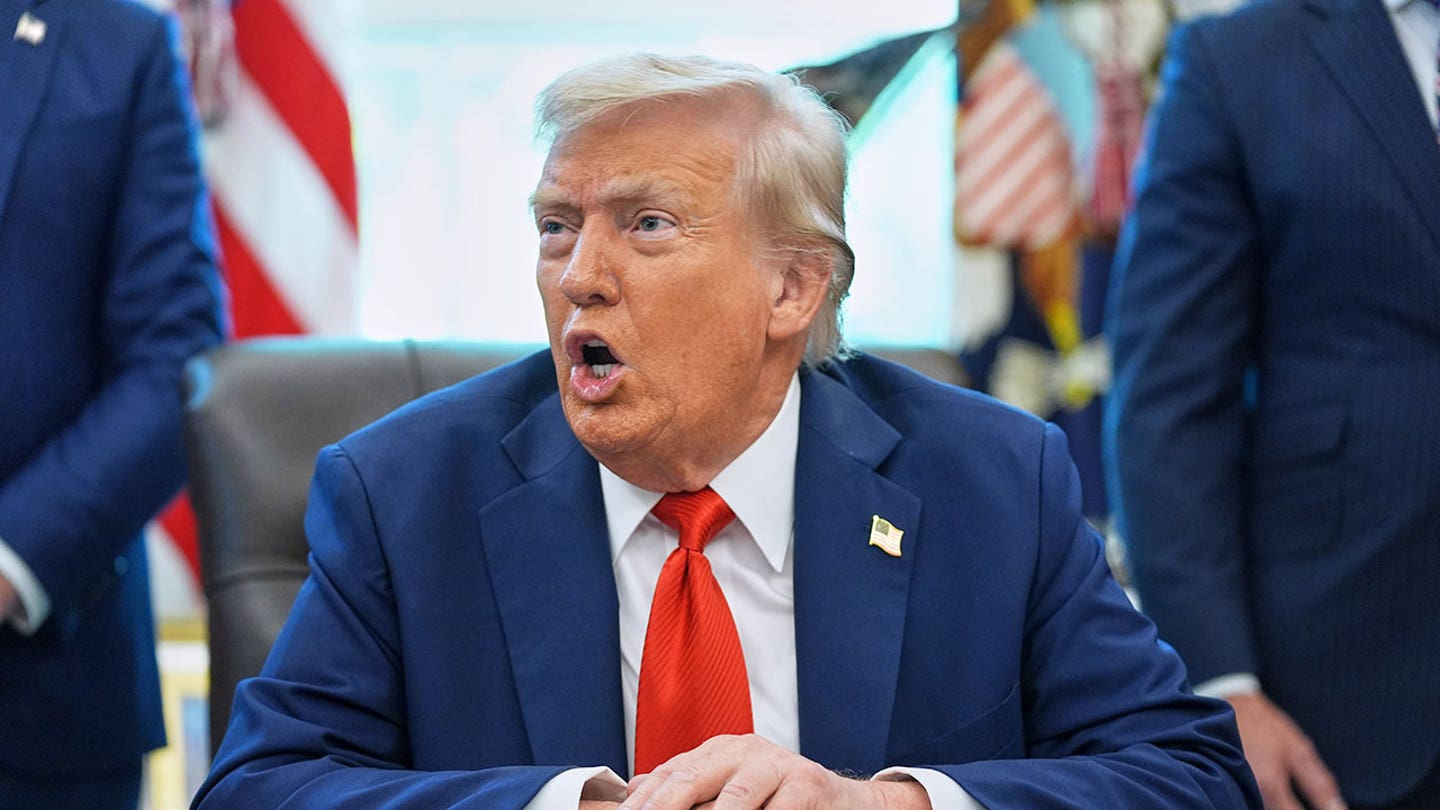
Trump opens door to 600,000 Chinese students amid Beijing trade talks
Entities mentioned:
- Donald Trump: Power, Control, Influence
- China: Power, Competitive spirit, Influence
- Marco Rubio: Security, Wariness, Duty
- Xi Jinping: Power, Influence, Control
- Joe Biden: Legacy, Influence, Duty
Article Assessment:
Credibility Score: 70/100
Bias Rating: 55/100 (Center)
Sentiment Score: 60/100
Authoritarianism Risk: 35/100 (Generally Democratic)
Bias Analysis:
The article presents multiple viewpoints and includes direct quotes, suggesting an attempt at balanced reporting. However, there's a slight lean towards framing Trump's decisions positively, particularly in contrast to the previous administration.
Key metric: US-China Economic Relations
As a social scientist, I analyze that this article highlights a significant shift in the Trump administration's approach to Chinese students in the US, potentially signaling a thaw in US-China relations. The decision to allow 600,000 Chinese students into the US appears to be a strategic move in the context of ongoing trade negotiations. This policy shift could have substantial economic implications, as international students contribute significantly to the US economy. However, it also raises questions about national security concerns previously expressed by administration officials like Marco Rubio. The article suggests that Trump is prioritizing economic benefits over security concerns, which could impact future policy decisions regarding China. The mention of tariffs and trade talks indicates that economic considerations are at the forefront of US-China relations, with educational exchanges being used as a potential bargaining chip.
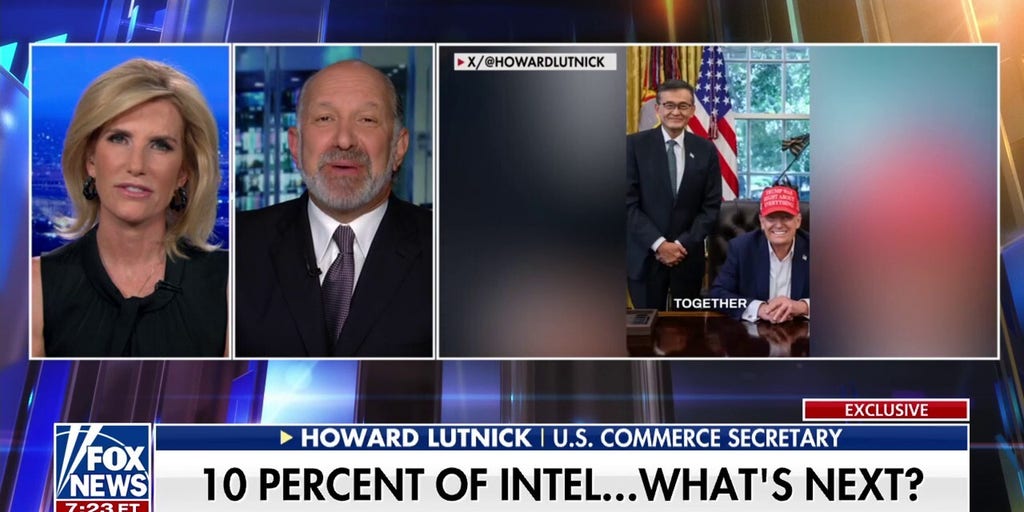
'We're going to bring it home': Trump commerce secretary shares what's next after Intel deal
Entities mentioned:
- Howard Lutnick: Professional pride, Duty, Influence
- Donald Trump: Ambition, Legacy, Power
- Intel: Competitive spirit, Greed, Recognition
- China: Power, Competitive spirit, Security
Article Assessment:
Credibility Score: 55/100
Bias Rating: 65/100 (Lean Right)
Sentiment Score: 70/100
Authoritarianism Risk: 35/100 (Generally Democratic)
Bias Analysis:
The article leans right due to its positive framing of Trump administration policies and its presentation on a typically conservative-leaning program. The language used, such as 'bring it home', appeals to nationalist sentiments often associated with right-wing politics.
Key metric: US Economic Competitiveness
As a social scientist, I analyze that this article suggests a strategic move by the Trump administration to bolster US economic competitiveness, particularly in the tech sector. The deal with Intel, a major US semiconductor company, appears to be part of a broader strategy to strengthen domestic technology production and reduce dependence on foreign suppliers, especially China. This move could potentially impact US economic competitiveness by fostering innovation, creating high-skilled jobs, and securing critical supply chains. However, the limited information provided makes it difficult to assess the full scope and potential effectiveness of these initiatives.
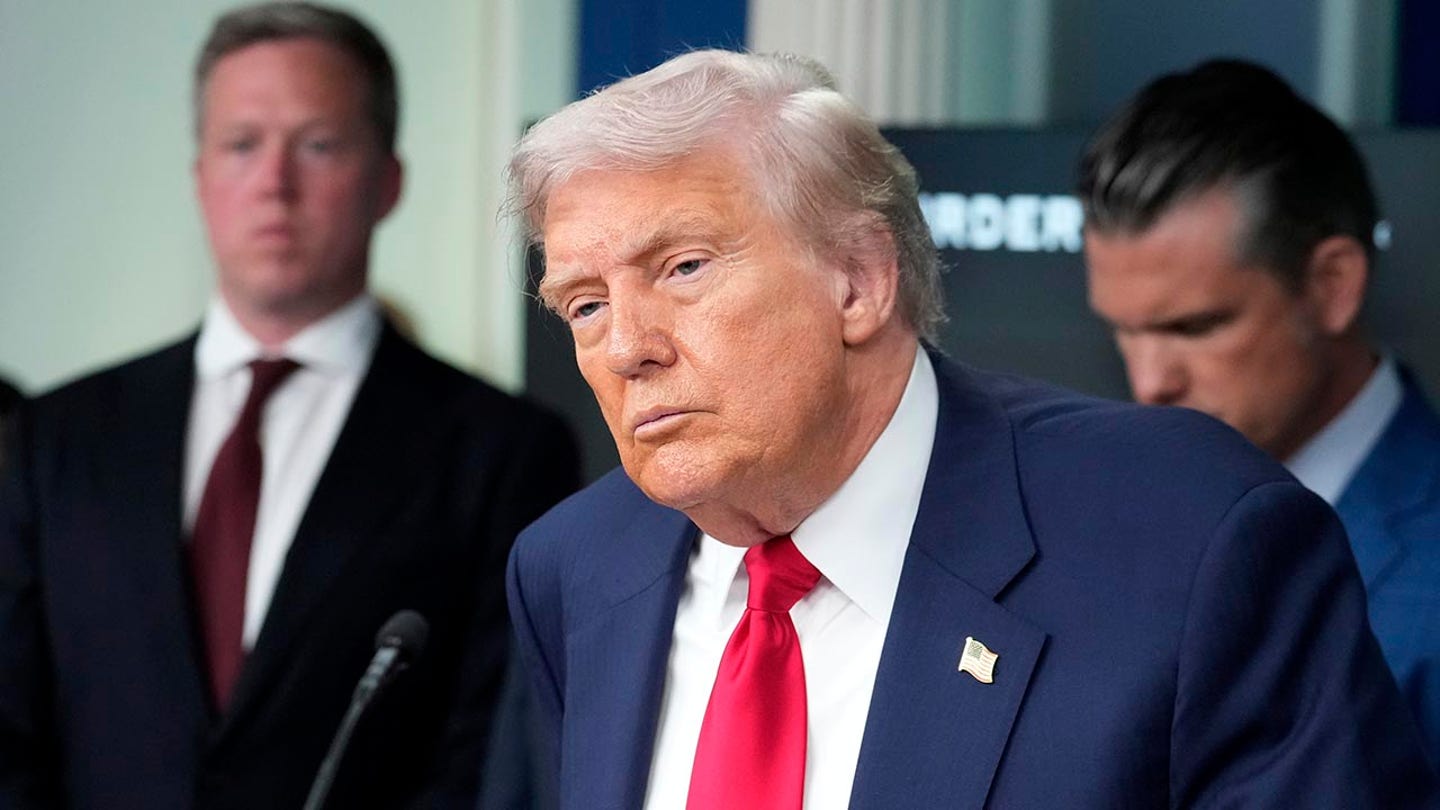
Trump threatens lawsuit over 'blue slips' as top GOP senator bucks demand to bend Senate rules for nominees
Entities mentioned:
- Donald Trump: Power, Control, Ambition
- Chuck Grassley: Duty, Professional pride, Loyalty
- Senate Democrats: Control, Competitive spirit, Influence
- Chuck Schumer: Power, Influence, Competitive spirit
- Cory Booker: Influence, Control, Loyalty
- Andy Kim: Influence, Control, Loyalty
- Alina Habba: Ambition, Power, Recognition
- Pam Bondi: Power, Control, Loyalty
Article Assessment:
Credibility Score: 75/100
Bias Rating: 55/100 (Center)
Sentiment Score: 35/100
Authoritarianism Risk: 65/100 (Authoritarian Tendencies)
Bias Analysis:
The article presents multiple viewpoints, including Trump's criticisms and Grassley's defenses. While it gives slightly more space to Trump's perspective, it balances this with context and opposing views, maintaining a relatively centrist position.
Key metric: Judicial Appointment Efficiency
As a social scientist, I analyze that this article highlights a significant conflict between the executive and legislative branches over the judicial appointment process. The 'blue slip' tradition, while not law, has become a point of contention that impacts the efficiency and partisan nature of judicial appointments. Trump's threat to sue over this practice indicates an escalation in the power struggle between the presidency and the Senate. This conflict has the potential to alter long-standing Senate traditions and could lead to increased polarization in the judicial nomination process. The resistance from Senator Grassley, a member of Trump's own party, demonstrates the complexity of this issue and the tension between party loyalty and institutional norms.
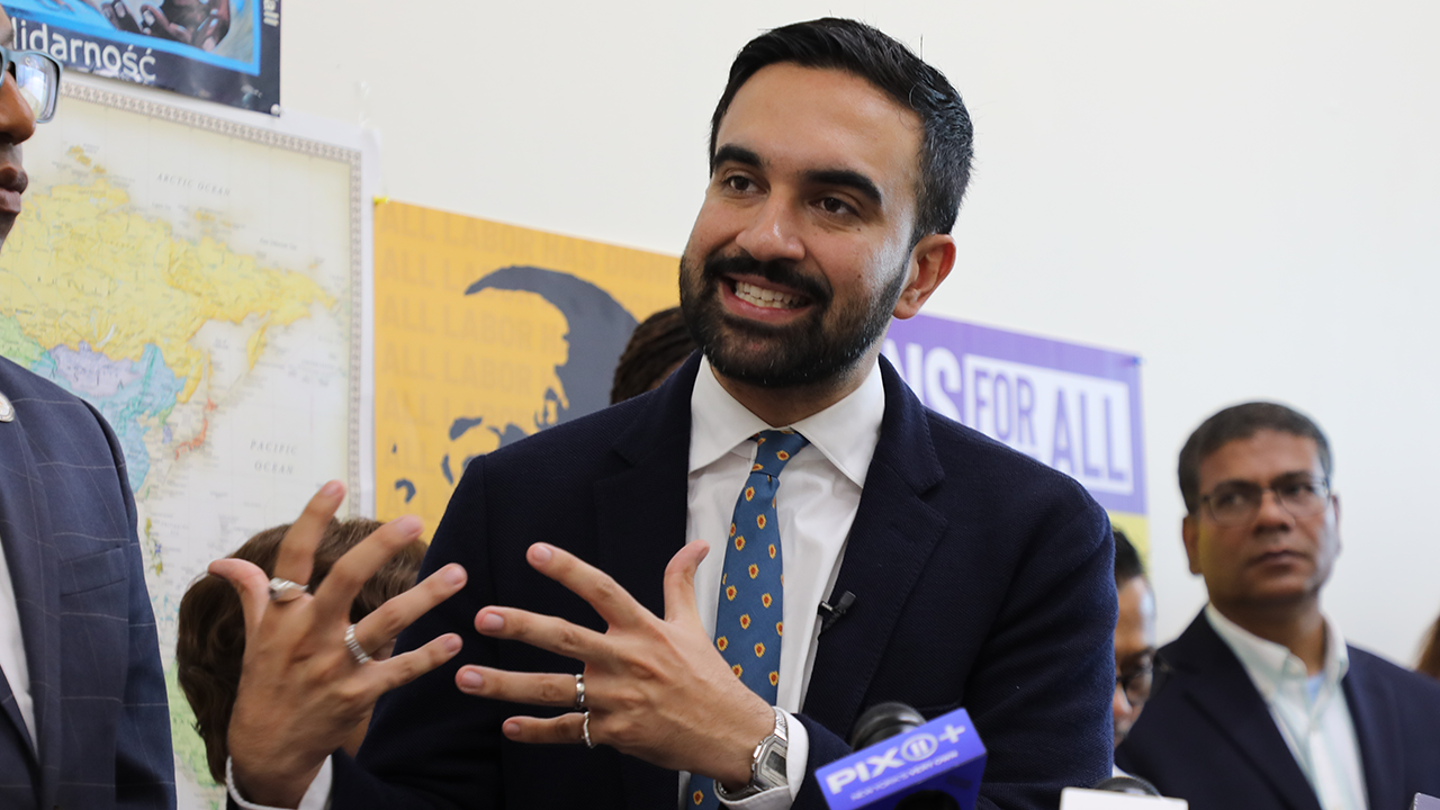
Mamdani reveals which Dem cities are 'model for how to fight' Trump admin in NYC
Entities mentioned:
- Zohran Mamdani: Righteousness, Moral outrage, Determination
- Donald Trump: Power, Control, Influence
- Andrew Cuomo: Ambition, Self-preservation
- Michelle Wu: Righteousness, Determination, Moral outrage
- Pam Bondi: Duty, Control
- Gavin Newsom: Ambition, Competitive spirit
- Claudia Sheinbaum: Sovereignty, Pride
- Abigail Jackson: Loyalty, Competitive spirit
Article Assessment:
Credibility Score: 65/100
Bias Rating: 35/100 (Lean Left)
Sentiment Score: 30/100
Authoritarianism Risk: 45/100 (Mixed/Neutral)
Bias Analysis:
The article leans left in its framing, giving more space and favorable coverage to Democratic perspectives. While it includes a Republican response, the overall narrative emphasizes Democratic resistance to Trump policies.
Key metric: Political Polarization Index
As a social scientist, I analyze that this article highlights the growing political polarization in the United States, particularly between Democratic-led cities and the Republican federal administration. The confrontational stance of local leaders against federal policies indicates a deepening divide in governance approaches and ideologies. This conflict is likely to increase the Political Polarization Index, as it showcases a clear us-vs-them mentality in policy-making and implementation. The article presents a narrative of resistance and defiance from Democratic leaders, which could further entrench partisan positions and make compromise more difficult. The use of legal challenges, public statements, and policy implementations to counter federal initiatives suggests a complex interplay of federalism and party politics that is likely to intensify political divisions.

Trump targets Chicago and New York as Hegseth orders weapons for DC troops
Entities mentioned:
- Donald Trump: Power, Control, Influence
- Pete Hegseth: Loyalty, Duty, Security
- Pentagon: Control, Security, Obligation
- Ukraine: Self-preservation, Justice, Freedom
- Zohran Mamdani: Ambition, Recognition, Influence
- Marjorie Taylor Greene: Moral outrage, Righteousness, Influence
- Bernie Sanders: Justice, Moral outrage, Influence
- Kilmar Ábrego García: Self-preservation, Fear, Security
- Gavin Newsom: Competitive spirit, Ambition, Recognition
- Arnold Schwarzenegger: Justice, Legacy, Influence
- Ghislaine Maxwell: Self-preservation, Loyalty, Fear
Article Assessment:
Credibility Score: 70/100
Bias Rating: 40/100 (Lean Left)
Sentiment Score: 35/100
Authoritarianism Risk: 45/100 (Mixed/Neutral)
Bias Analysis:
The article leans slightly left, evidenced by more coverage of Democratic figures and initiatives. While it includes some Republican perspectives, the framing tends to be more critical of conservative positions.
Key metric: Political Polarization Index
As a social scientist, I analyze that this article highlights increasing political polarization in the United States. The content spans various political issues, from immigration and foreign policy to electoral politics and social issues. Trump's continued influence on Republican politics is evident, while Democratic figures are positioning themselves in opposition. The mention of partisan redistricting, sanctuary city policies, and contrasting approaches to issues like the Gaza conflict and offshore wind farms underscore deep divisions along party lines. This polarization is likely to impact governance, policy-making, and social cohesion, potentially leading to increased gridlock and decreased ability to address national challenges effectively.

Fact-Checking Trump On Crime
Entities mentioned:
- Donald Trump: Power, Control, Influence
- The Onion: Curiosity, Enthusiasm, Recognition
- Stephen Miller: Power, Control, Influence
- National Guard: Duty, Security, Control
- UFC: Competitive spirit, Recognition, Ambition
Article Assessment:
Credibility Score: 30/100
Bias Rating: 35/100 (Lean Left)
Sentiment Score: 45/100
Authoritarianism Risk: 20/100 (Strongly Democratic)
Bias Analysis:
The article leans left, evident in its mockery of Trump and conservative figures like Stephen Miller. While fact-checking is attempted, the satirical nature and clear anti-Trump stance indicate a left-leaning bias.
Key metric: Public Perception of Crime and Safety
As a social scientist, I analyze that this satirical article uses humor to critique and fact-check President Trump's claims about crime rates. The piece highlights the exaggeration and inaccuracy in Trump's statements, potentially influencing public perception of crime statistics and the credibility of presidential communications. The satire may lead readers to question official statements and seek out verified crime data, potentially improving public understanding of actual crime trends. However, the humorous approach might also trivialize serious issues related to crime and public safety.
- Read more about Fact-Checking Trump On Crime
- Log in to post comments
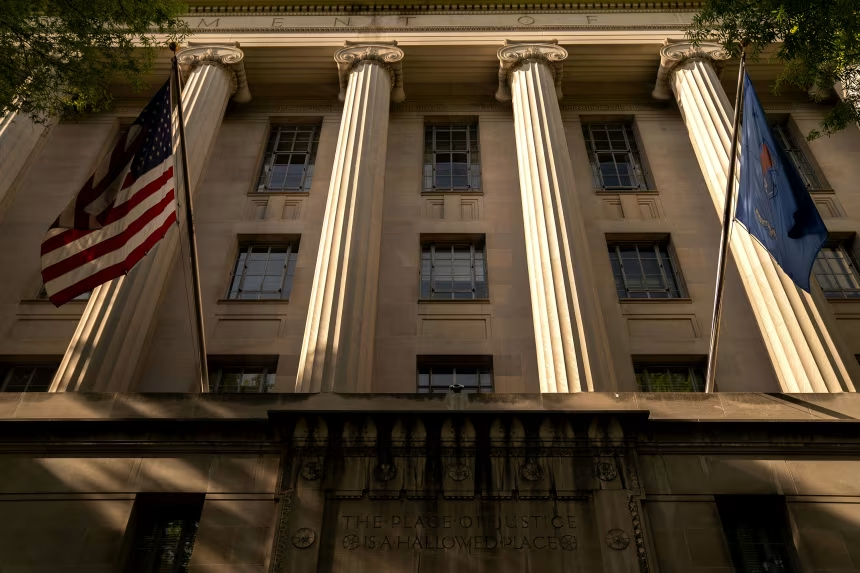
Justice Department declines to defend grants for Hispanic-serving colleges, calling them unconstitutional
Entities mentioned:
- Trump administration: Control, Righteousness, Influence
- Justice Department: Duty, Righteousness, Justice
- Congress: Unity, Justice, Influence
- State of Tennessee: Justice, Competitive spirit, Self-preservation
- Students for Fair Admissions: Justice, Righteousness, Influence
- Hispanic Association of Colleges and Universities: Self-preservation, Justice, Unity
- Joe Biden: Unity, Influence, Recognition
Article Assessment:
Credibility Score: 75/100
Bias Rating: 55/100 (Center)
Sentiment Score: 35/100
Authoritarianism Risk: 45/100 (Mixed/Neutral)
Bias Analysis:
The article presents multiple viewpoints and cites various sources, including both supporters and opponents of the HSI program. While it provides context for the Trump administration's position, it also includes counterarguments and historical information, maintaining a relatively balanced approach.
Key metric: Higher Education Equity
As a social scientist, I analyze that this decision by the Trump administration to not defend the Hispanic-Serving Institution (HSI) grant program could significantly impact higher education equity in the United States. The move aligns with the administration's broader stance against affirmative action and race-conscious policies, following the 2023 Supreme Court decision on college admissions. This decision could potentially reduce funding and support for institutions serving a large proportion of Hispanic students, who have historically been underrepresented in higher education. The conflict between the program's intentions to address educational disparities and the legal challenges based on constitutional grounds highlights the ongoing tension in U.S. education policy between equity efforts and interpretations of equal protection under the law. This situation may lead to a reevaluation of how educational support programs are structured and justified, potentially shifting towards more race-neutral approaches to addressing educational disparities.
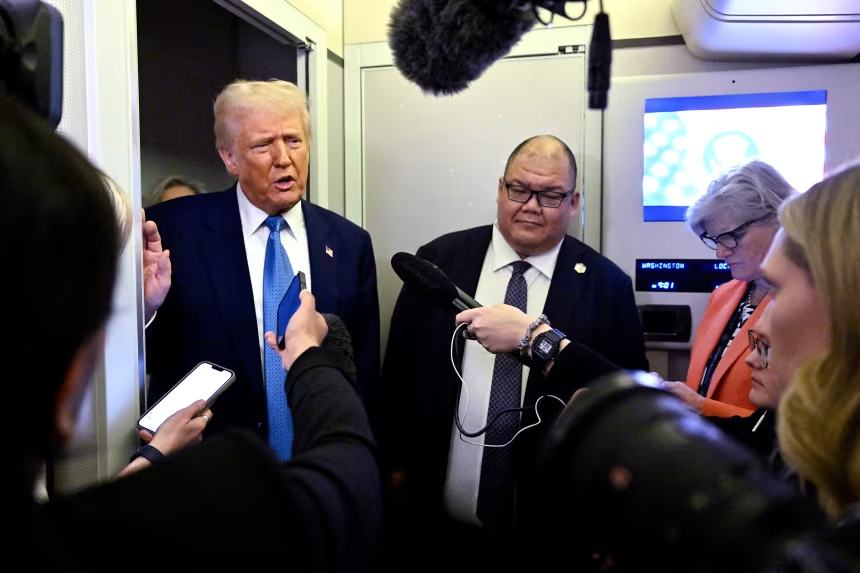
‘Clever and a little bit offensive’: Inside the White House’s norm-breaking social media strategy
Entities mentioned:
- Donald Trump: Power, Influence, Recognition
- White House: Influence, Control, Recognition
- Alex Bruesewitz: Loyalty, Professional pride, Influence
- JD Vance: Ambition, Recognition, Influence
- Gavin Newsom: Ambition, Competitive spirit, Influence
- Steven Cheung: Loyalty, Influence, Competitive spirit
- Abigail Jackson: Loyalty, Professional pride, Influence
Article Assessment:
Credibility Score: 75/100
Bias Rating: 55/100 (Center)
Sentiment Score: 50/100
Authoritarianism Risk: 35/100 (Generally Democratic)
Bias Analysis:
The article presents multiple perspectives, including critics and supporters of the new strategy. While it leans slightly towards skepticism of the approach, it provides balanced coverage of its effectiveness and implications.
Key metric: Public Opinion and Voter Engagement
As a social scientist, I analyze that this article highlights a significant shift in White House communication strategy, emphasizing a more informal, meme-driven approach to social media. This change reflects broader trends in political communication, particularly targeting younger demographics and leveraging online engagement. The strategy aims to increase voter engagement and shape public opinion, potentially at the cost of traditional norms of governmental communication. This approach may boost short-term engagement but risks undermining the perceived credibility of official White House communications. The long-term impact on public trust in government institutions and the quality of political discourse remains uncertain.
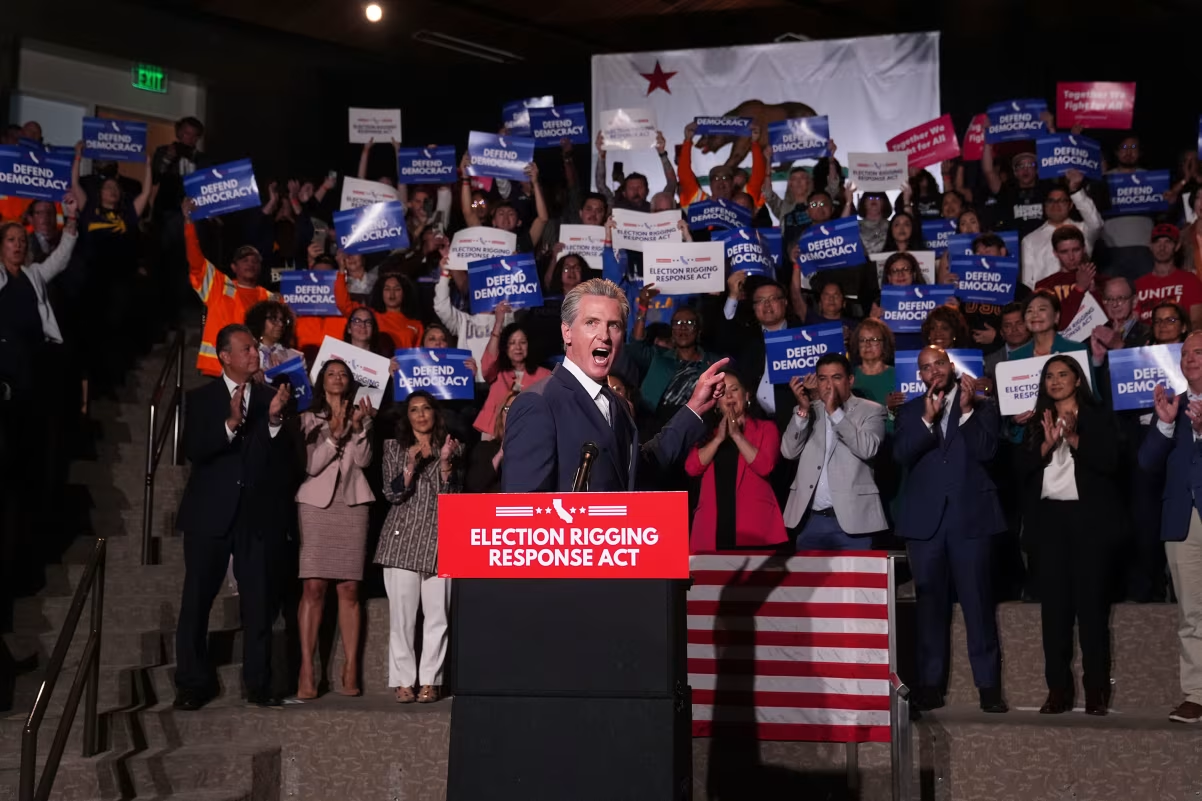
The Democrats go ‘Trump lite’ in latest plan to save democracy
Entities mentioned:
- Democrats: Power, Justice, Self-preservation
- Donald Trump: Power, Revenge, Self-preservation
- Gavin Newsom: Ambition, Competitive spirit, Power
- Barack Obama: Legacy, Influence, Duty
- Republican Party: Power, Control, Self-preservation
Article Assessment:
Credibility Score: 65/100
Bias Rating: 40/100 (Lean Left)
Sentiment Score: 35/100
Authoritarianism Risk: 55/100 (Mixed/Neutral)
Bias Analysis:
The article leans slightly left, focusing more on Democratic perspectives and strategies. While it does present some Republican viewpoints, the overall framing is more sympathetic to Democratic concerns about preserving democracy.
Key metric: Democratic Institutional Strength
As a social scientist, I analyze that this article highlights a significant shift in Democratic strategy in response to perceived threats to democratic institutions. The Democrats' adoption of more aggressive tactics, exemplified by Newsom's redistricting plan, indicates a departure from traditional approaches. This shift poses potential risks to democratic norms but is framed as a necessary response to Republican actions. The involvement of high-profile figures like Obama suggests a growing concern within the party about the effectiveness of conventional methods in preserving democratic institutions. This tactical evolution could have long-term implications for political norms and the stability of democratic processes in the US.