
FEMA workers warn agency at risk of Hurricane Katrina-type failures
Entities mentioned:
- FEMA employees: Professional pride, Duty, Moral outrage
- Donald Trump: Control, Power, Ambition
- Kristi Noem: Control, Power, Loyalty
- David Richardson: Duty, Ambition, Loyalty
- Congress: Duty, Obligation, Oversight
Article Assessment:
Credibility Score: 75/100
Bias Rating: 40/100 (Lean Left)
Sentiment Score: 25/100
Authoritarianism Risk: 65/100 (Authoritarian Tendencies)
Bias Analysis:
The article leans slightly left, presenting a critical view of the Trump administration's policies. While it includes specific examples and cites concerns from FEMA employees, it doesn't present a balanced perspective from administration officials.
Key metric: Disaster Preparedness and Response Capability
As a social scientist, I analyze that this article highlights a significant regression in the United States' disaster preparedness and response capabilities. The dismantling of FEMA's authority, budget cuts, and appointment of inexperienced leadership suggest a potential return to pre-Katrina levels of inefficiency. This situation poses grave risks to public safety and national resilience in the face of natural disasters. The mass exodus of experienced staff and the imposition of bureaucratic obstacles further compound these risks. The proposed changes, if implemented, could lead to severe consequences during future disasters, potentially resulting in increased loss of life and property damage.
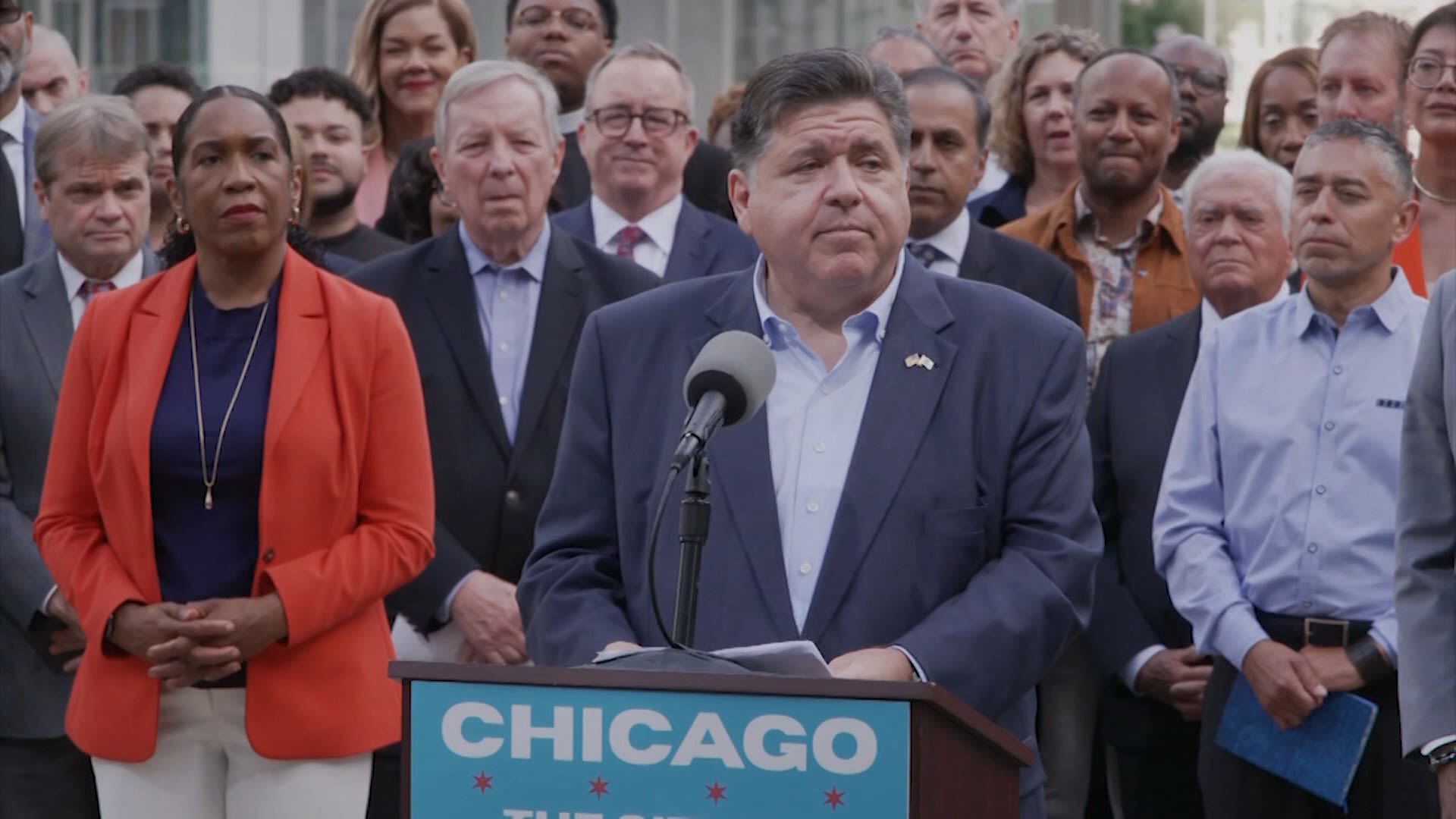
Pritzker tells Trump to stay out of Chicago: ‘You are neither wanted here nor needed here’
Entities mentioned:
- JB Pritzker: Righteousness, Moral outrage, Duty
- Donald Trump: Power, Control, Influence
- Brandon Johnson: Unity, Duty, Security
- Pete Hegseth: Duty, Loyalty, Control
Article Assessment:
Credibility Score: 75/100
Bias Rating: 40/100 (Lean Left)
Sentiment Score: 25/100
Authoritarianism Risk: 65/100 (Authoritarian Tendencies)
Bias Analysis:
The article leans slightly left, giving more prominence to Governor Pritzker's perspective and criticisms of the Trump administration. While it includes some information on the administration's plans, it primarily frames the issue through the lens of opposition to federal intervention.
Key metric: Civil Liberties and Rule of Law
As a social scientist, I analyze that this article highlights a significant conflict between state and federal authorities over the use of federal forces in American cities. The dispute centers on the balance of power between different levels of government and raises concerns about potential threats to civil liberties and democratic norms. Governor Pritzker's strong opposition to federal intervention without local consent reflects deep concerns about the erosion of local autonomy and the potential for federal overreach. This conflict has implications for the separation of powers, federalism, and the role of military forces in domestic affairs, all of which are crucial elements of the American democratic system.
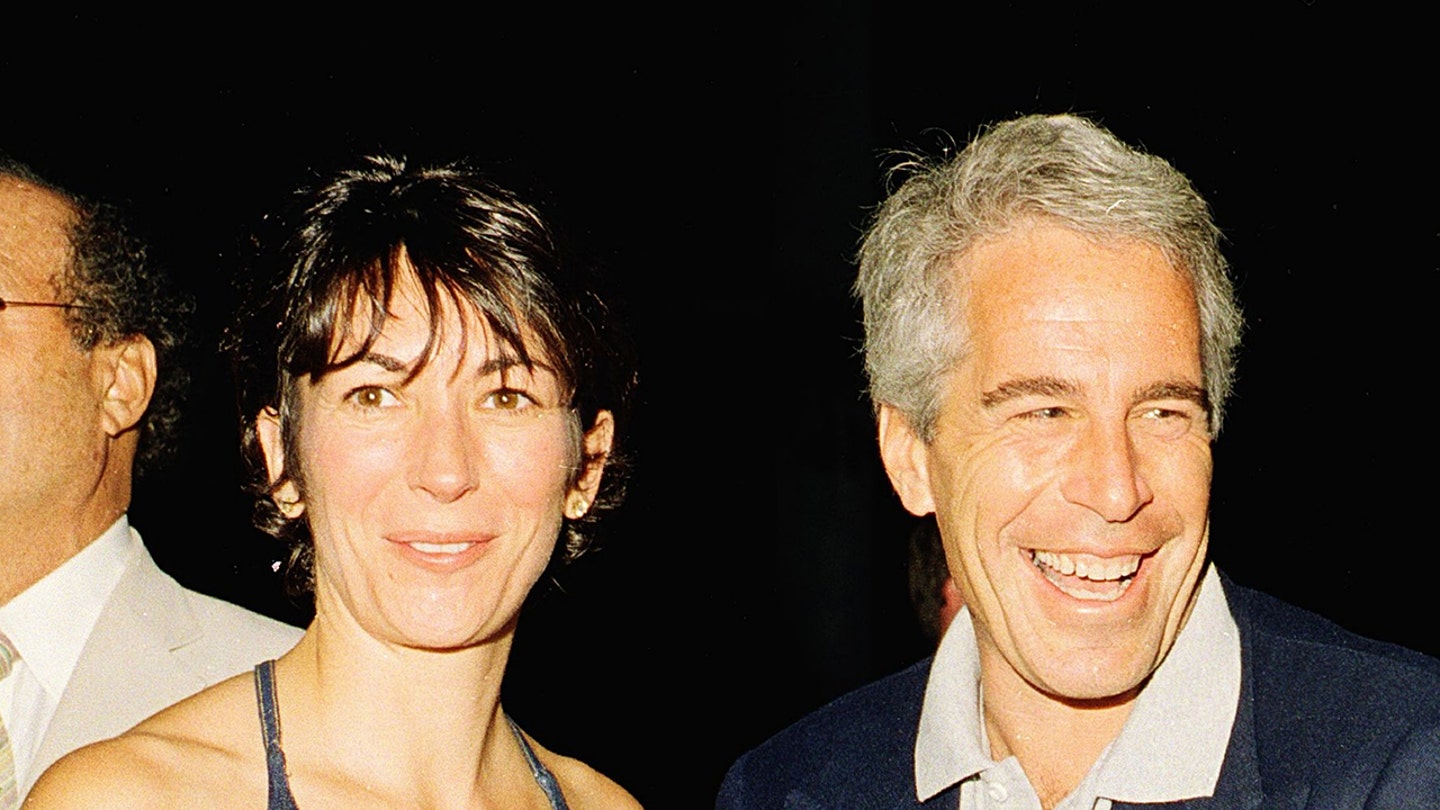
10 key takeaways from DOJ’s release of Ghislaine Maxwell's Epstein interviews
Entities mentioned:
- Ghislaine Maxwell: Self-preservation, Loyalty, Influence
- Jeffrey Epstein: Power, Control, Greed
- Department of Justice: Justice, Duty, Transparency
- Donald Trump: Power, Influence, Self-preservation
- Bill Clinton: Influence, Legacy, Self-preservation
- Prince Andrew: Self-preservation, Pride, Influence
- Virginia Giuffre: Justice, Recognition, Moral outrage
Article Assessment:
Credibility Score: 65/100
Bias Rating: 55/100 (Center)
Sentiment Score: 30/100
Authoritarianism Risk: 35/100 (Generally Democratic)
Bias Analysis:
The article presents multiple perspectives and quotes directly from the interviews, showing an attempt at balance. However, the selection of 'top takeaways' may reflect some editorial bias in highlighting certain aspects over others.
Key metric: Public Trust in Institutions
As a social scientist, I analyze that this article's release of Ghislaine Maxwell's interviews significantly impacts public trust in institutions. The revelations about high-profile individuals and alleged cover-ups may erode confidence in political, legal, and social elite circles. Maxwell's claims, while potentially self-serving, shed light on a complex network of relationships and activities that intersect with powerful institutions. This could lead to increased public skepticism and demands for accountability, potentially affecting how citizens view and interact with various governmental and social institutions.
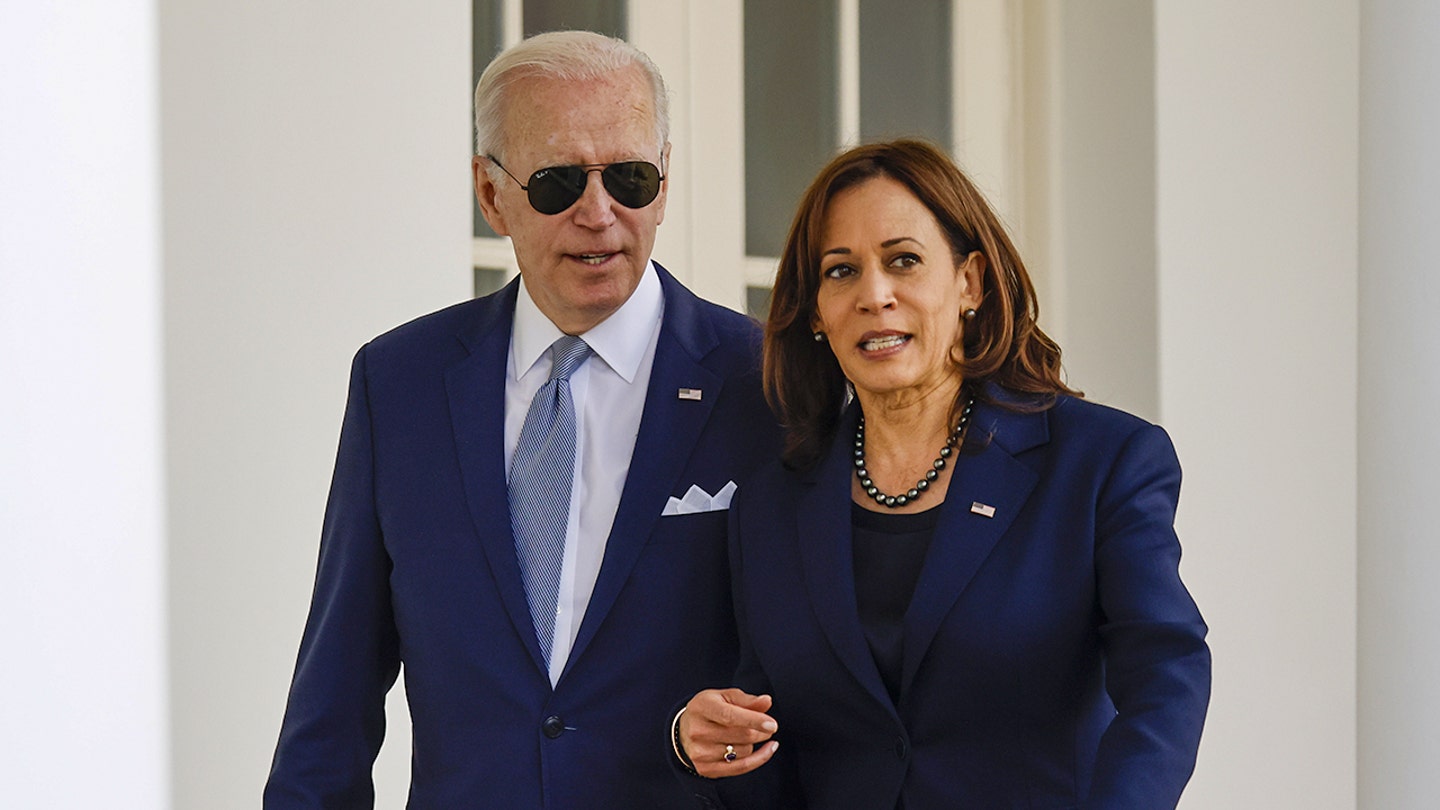
GOP senators push for Kamala Harris' testimony as House Oversight eyes subpoena
Entities mentioned:
- GOP senators: Accountability, Justice, Control
- Kamala Harris: Self-preservation, Loyalty, Duty
- House Oversight Committee: Accountability, Justice, Control
- Joe Biden: Self-preservation, Legacy, Power
- Roger Marshall: Professional pride, Righteousness, Influence
- James Comer: Accountability, Influence, Justice
- Richard Blumenthal: Loyalty, Duty, Self-preservation
- John Hoeven: Accountability, Duty, Influence
Article Assessment:
Credibility Score: 65/100
Bias Rating: 70/100 (Lean Right)
Sentiment Score: 30/100
Authoritarianism Risk: 45/100 (Mixed/Neutral)
Bias Analysis:
The article leans right due to its focus on Republican perspectives and allegations against the Biden administration. While it includes a brief Democratic counterpoint, the majority of the content amplifies GOP criticism and concerns.
Key metric: Political Polarization Index
As a social scientist, I analyze that this article highlights increasing political polarization in the U.S. The GOP's push for Harris' testimony and the focus on Biden's alleged cognitive decline demonstrate a partisan approach to oversight. This could potentially widen the divide between Democrats and Republicans, affecting public trust in institutions and inter-party cooperation. The emphasis on Biden's perceived weaknesses and their alleged impact on national security further intensifies the partisan narrative. This polarization could lead to decreased governmental effectiveness and increased public cynicism towards political processes.
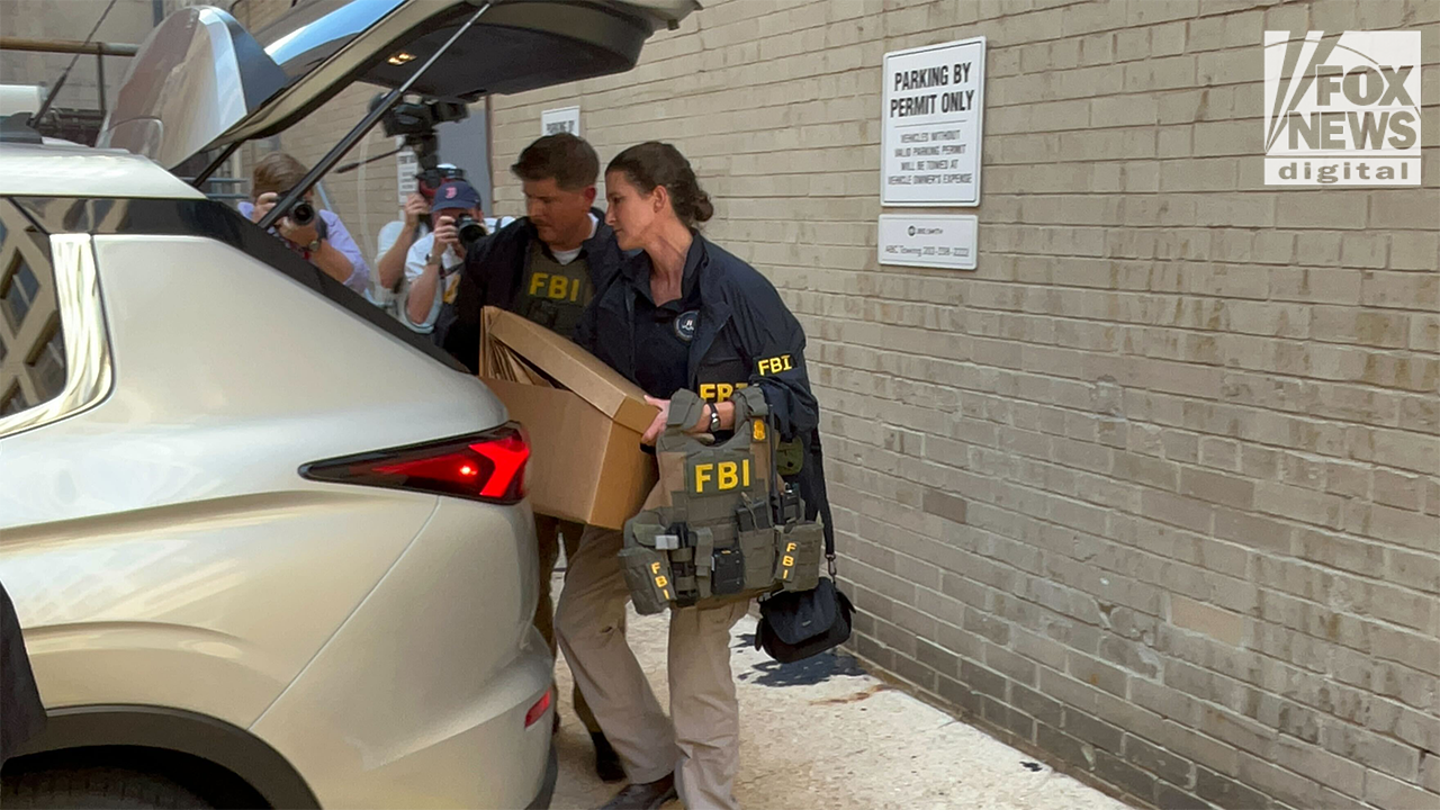
The history of how Trump and Bolton's relationship fell to tatters
Entities mentioned:
- John Bolton: Power, Influence, Self-preservation
- Donald Trump: Power, Control, Revenge
- FBI: Duty, Justice, Security
- Rex Tillerson: Duty, Professional pride
- Mike Pompeo: Loyalty, Influence
- Robert C. O'Brien: Duty, Ambition
- JD Vance: Duty, Loyalty
Article Assessment:
Credibility Score: 75/100
Bias Rating: 55/100 (Center)
Sentiment Score: 30/100
Authoritarianism Risk: 40/100 (Generally Democratic)
Bias Analysis:
The article presents a relatively balanced account of the Trump-Bolton relationship, including quotes from both sides. While it leans slightly towards emphasizing Trump's criticisms of Bolton, it also provides context for their initial positive relationship.
Key metric: Political Stability Index
As a social scientist, I analyze that this article highlights the volatile nature of high-level political relationships in the U.S. government, particularly within the Trump administration. The deterioration of the relationship between Trump and Bolton, culminating in FBI raids on Bolton's properties, demonstrates the potential instability in national security leadership. This can significantly impact the Political Stability Index by showcasing how quickly alliances can shift and how internal conflicts can lead to potential security risks, especially concerning the handling of classified information. The ongoing investigation into Bolton also raises questions about the management of sensitive documents by former officials, which could have implications for national security and governmental transparency.
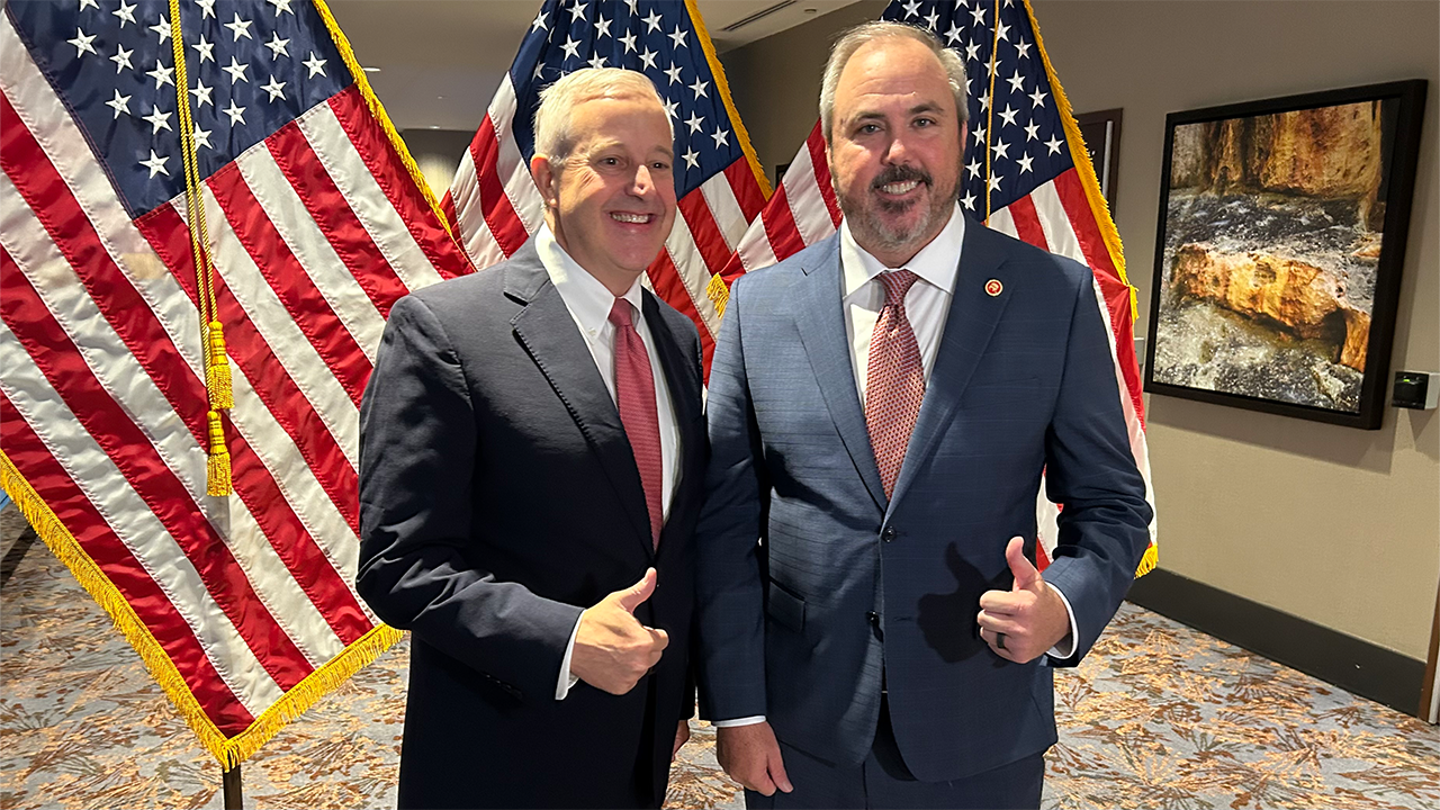
New RNC chair Joe Gruters vows to 'ride the president all the way to victory' in midterms
Entities mentioned:
- Joe Gruters: Ambition, Loyalty, Power
- Republican National Committee (RNC): Power, Control, Influence
- Donald Trump: Power, Control, Legacy
- Michael Whatley: Ambition, Loyalty, Power
- Democratic National Committee (DNC): Competitive spirit, Moral outrage, Power
- Republican Party (GOP): Power, Control, Unity
- Democratic Party: Competitive spirit, Moral outrage, Justice
Article Assessment:
Credibility Score: 65/100
Bias Rating: 70/100 (Lean Right)
Sentiment Score: 55/100
Authoritarianism Risk: 65/100 (Authoritarian Tendencies)
Bias Analysis:
The article leans right, primarily due to its focus on Republican perspectives and strategies. While it includes some Democratic critique, the majority of the content presents Republican viewpoints favorably, with limited counterbalance.
Key metric: Political Party Power and Influence
As a social scientist, I analyze that this article highlights the consolidation of power within the Republican Party under Donald Trump's influence. The appointment of Joe Gruters, a Trump loyalist, as RNC chair further cements Trump's control over the party apparatus. This move indicates a strategy to align the party closely with Trump's policies and persona for the upcoming midterm elections. The article also touches on significant policy changes, particularly in tax cuts and social welfare programs, which are likely to be key campaign issues. The GOP's focus on election integrity and voter mobilization suggests a concentrated effort to maintain and expand their political power. This shift in party dynamics and policy focus could have substantial implications for the balance of power in Congress and the direction of national policy.
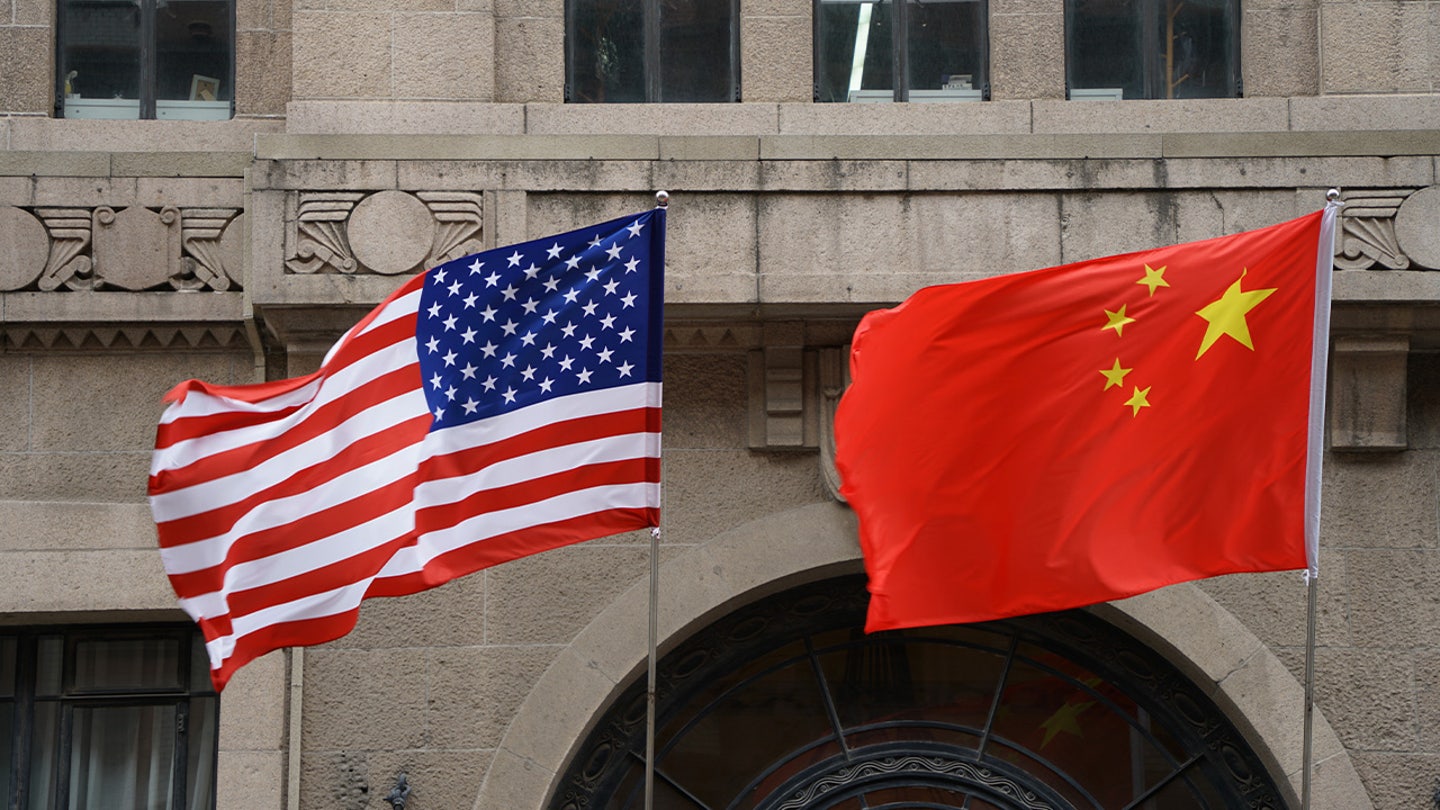
Trump learns a lesson grounded in faith, how best to stand tough on trade with China
Entities mentioned:
- Donald Trump: Power, Determination, Competitive spirit
- China: Control, Power, Competitive spirit
- Steven Mnuchin: Determination, Professional pride, Loyalty
- Rabbi Levi Yitzchok of Berditchev: Righteousness, Faith, Influence
Article Assessment:
Credibility Score: 55/100
Bias Rating: 75/100 (Lean Right)
Sentiment Score: 65/100
Authoritarianism Risk: 55/100 (Mixed/Neutral)
Bias Analysis:
The article leans heavily right, presenting Trump's policies in an overwhelmingly positive light without significant counterarguments. It uses religious rhetoric to support political positions, which is characteristic of right-wing messaging in the US.
Key metric: US-China Trade Balance
As a social scientist, I analyze that this article portrays a continuation of Trump's aggressive trade policies towards China in a hypothetical second term. The focus is on using tariffs and economic pressure to reshape the US-China trade relationship and reduce US dependence on Chinese goods and resources. The article suggests these policies are having some success in reshoring manufacturing and strengthening alliances, but acknowledges short-term economic costs. The integration of religious teachings into trade policy rationale is an unusual element that appears aimed at justifying potentially painful economic measures through appeals to faith and perseverance.
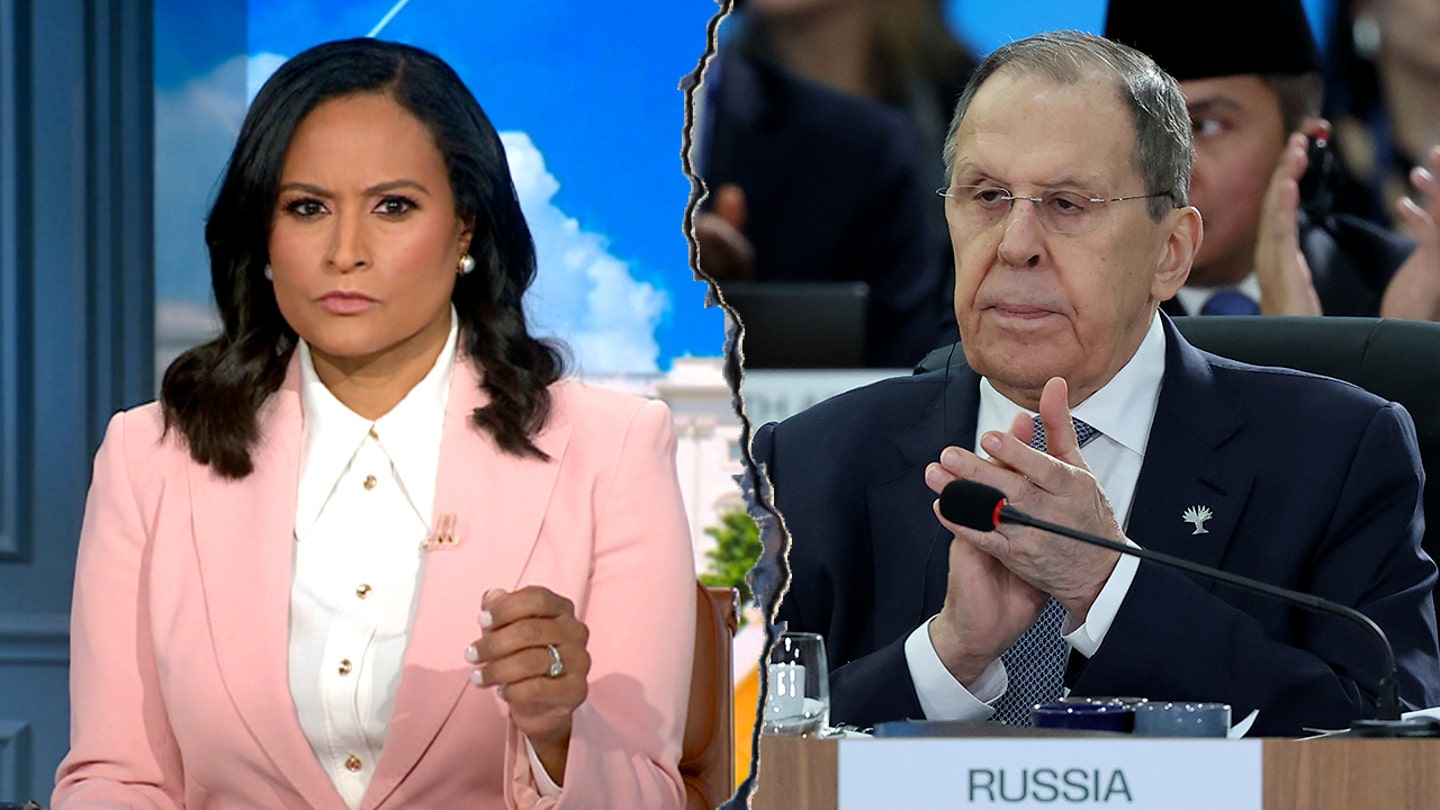
Russian foreign minister accuses NBC host of wanting something to 'sell' during tense Ukraine exchange
Entities mentioned:
- Kristen Welker: Professional pride, Determination, Duty
- Sergey Lavrov: Control, Loyalty, Self-preservation
- Volodymyr Zelenskyy: Unity, Self-preservation, Determination
- Vladimir Putin: Power, Control, Pride
- Donald Trump: Influence, Power, Recognition
Article Assessment:
Credibility Score: 70/100
Bias Rating: 55/100 (Center)
Sentiment Score: 35/100
Authoritarianism Risk: 45/100 (Mixed/Neutral)
Bias Analysis:
The article presents both Russian and American perspectives, though it gives more space to the American viewpoint. The inclusion of Trump's statements and the framing of Lavrov's responses suggest a slight lean towards Western perspectives, but overall maintains a relatively balanced approach.
Key metric: International Relations and Diplomacy
As a social scientist, I analyze that this article highlights the ongoing tension between Russia and the West regarding the conflict in Ukraine. The exchange between NBC's Kristen Welker and Russian Foreign Minister Sergey Lavrov demonstrates Russia's refusal to acknowledge its actions as an invasion, instead framing it as a 'special military operation'. This semantic dispute reflects deeper geopolitical conflicts and differing narratives about the situation. The article also touches on the role of the United States, particularly President Trump's involvement in negotiations, which suggests a complex diplomatic landscape with potential implications for global power dynamics and conflict resolution efforts.
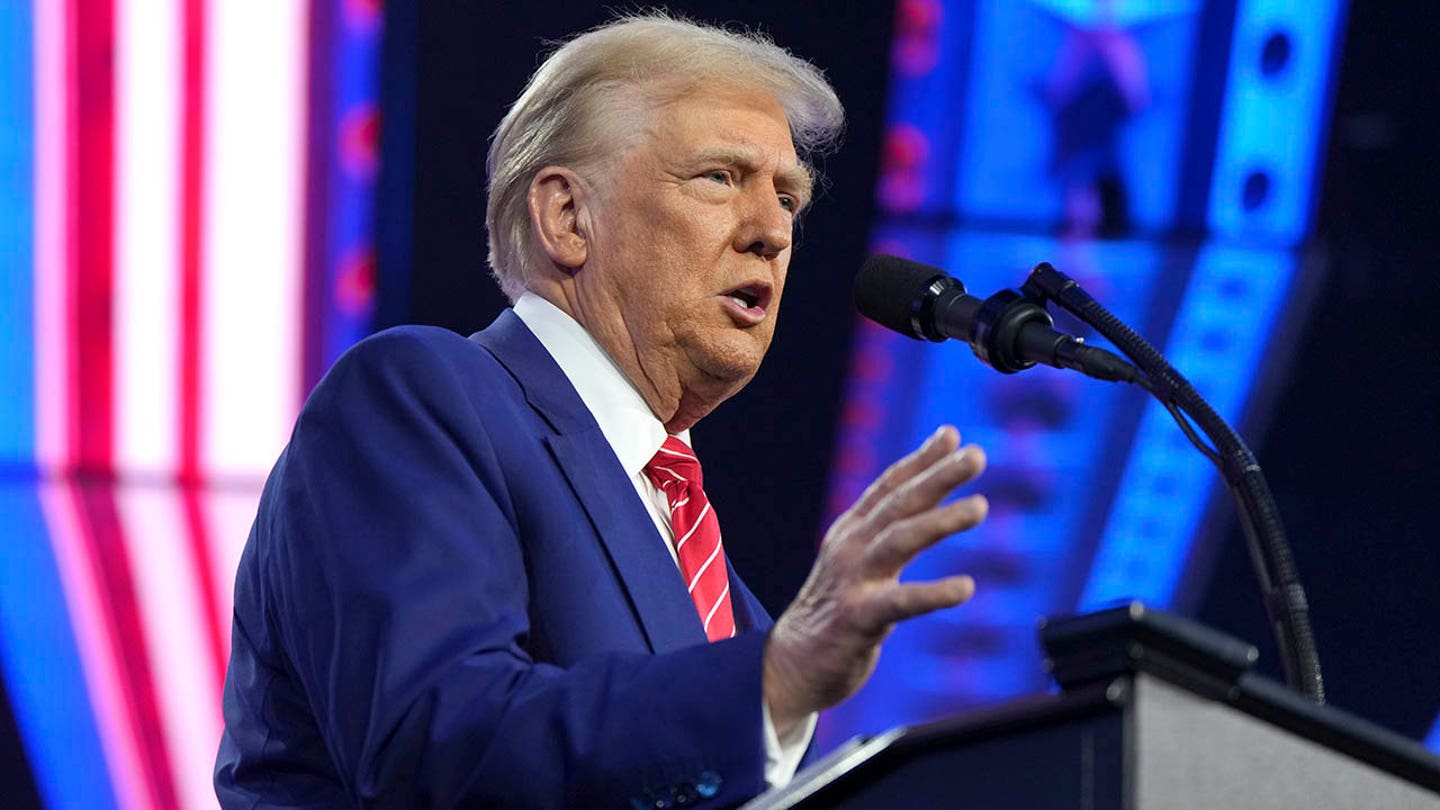
Trump tells Grassley to tell Democrats 'go to HELL' over blocked judicial nominees in Senate
Entities mentioned:
- Donald Trump: Power, Control, Indignation
- Chuck Grassley: Duty, Loyalty, Wariness
- Senate Democrats: Control, Resistance, Power
- Alina Habba: Ambition, Professional pride, Self-preservation
- Judge Matthew Brann: Justice, Duty, Professional pride
Article Assessment:
Credibility Score: 70/100
Bias Rating: 55/100 (Center)
Sentiment Score: 30/100
Authoritarianism Risk: 65/100 (Authoritarian Tendencies)
Bias Analysis:
The article presents multiple viewpoints, including Trump's criticism and Grassley's defense of the blue slip tradition. While it gives more space to Trump's perspective, it also includes factual context about the constitutional process and recent judicial rulings.
Key metric: Judicial Branch Appointments
As a social scientist, I analyze that this article highlights a growing tension between executive power and Senate traditions in the judicial appointment process. Trump's frustration with the 'blue slip' custom reflects a broader struggle for control over the judiciary, which has significant implications for the balance of power in the US government. The slowdown in judicial appointments during Trump's current term, compared to his first, indicates a shift in the political landscape and the effectiveness of opposition tactics. This conflict could lead to further polarization in the appointment process and potentially alter long-standing Senate norms, affecting the composition and perceived legitimacy of the federal judiciary in the long term.
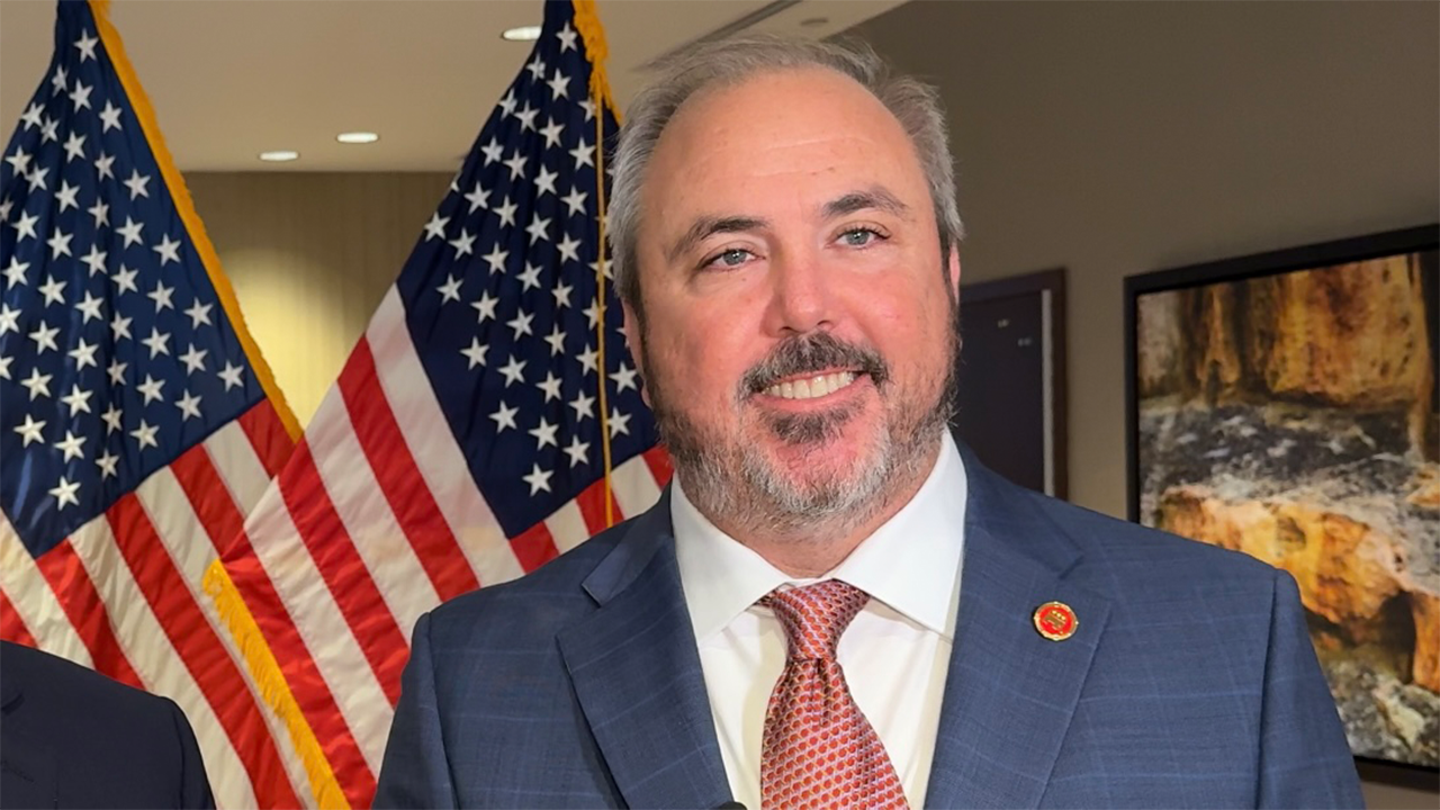
Meet Joe Gruters, the Trump ally now at the helm of Republican National Committee
Entities mentioned:
- Joe Gruters: Loyalty, Ambition, Power
- Donald Trump: Power, Control, Influence
- Republican National Committee: Influence, Power, Unity
- Susie Wiles: Loyalty, Ambition, Influence
- Michael Whatley: Ambition, Power, Loyalty
- Ron DeSantis: Ambition, Competitive spirit, Power
Article Assessment:
Credibility Score: 70/100
Bias Rating: 65/100 (Lean Right)
Sentiment Score: 65/100
Authoritarianism Risk: 55/100 (Mixed/Neutral)
Bias Analysis:
The article leans right, evidenced by its focus on Trump's influence and positive framing of his control over the RNC. While it includes some factual reporting, the language used ('MAGA Warrior', 'RED AS RED CAN BE!') suggests a favorable view of Trump's impact on the party.
Key metric: Political Party Cohesion
As a social scientist, I analyze that this article highlights the consolidation of power within the Republican Party under Donald Trump's influence. The unanimous election of Joe Gruters, a Trump ally, as RNC chair demonstrates the party's alignment with Trump's vision and leadership. This development suggests a strengthening of party cohesion around Trump's ideology and political strategy, potentially impacting the party's approach to the upcoming midterm elections and beyond. The mention of Gruters' clash with Ron DeSantis indicates potential internal conflicts within the party, especially among Florida-based politicians, which could affect the party's unity and strategy in the long term.