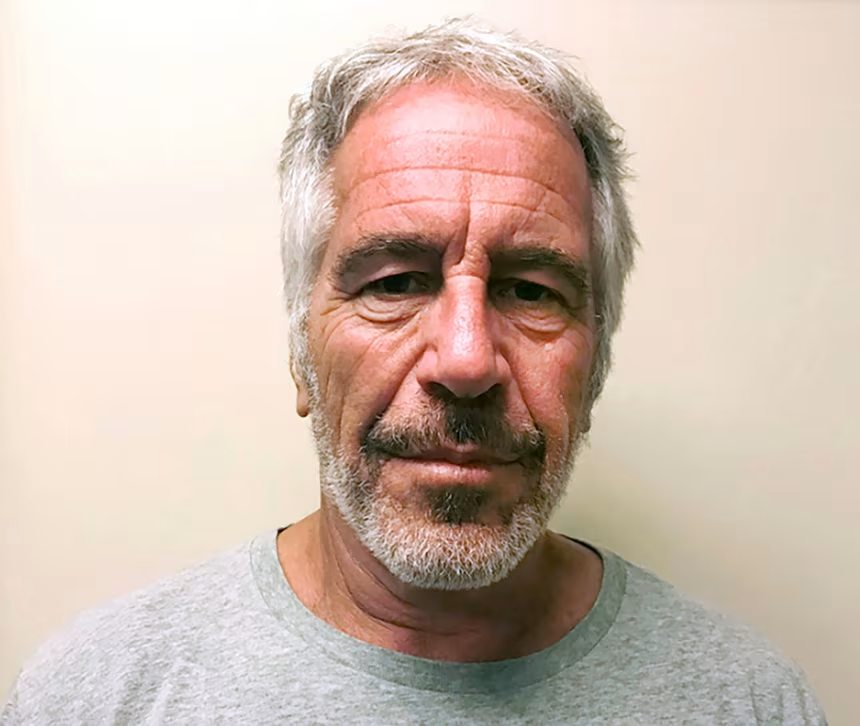
House Oversight Committee Democrats say most Epstein files turned over by DOJ were already public
Entities mentioned:
- House Oversight Committee Democrats: Transparency, Justice, Accountability
- Department of Justice: Control, Professional pride, Obligation
- Rep. Ro Khanna: Transparency, Justice, Moral outrage
- Rep. Summer Lee: Transparency, Justice, Indignation
- Jeffrey Epstein: Power, Control, Self-preservation
- House Oversight Committee: Duty, Transparency, Justice
- Donald Trump supporters: Loyalty, Suspicion, Justice
- Clintons: Self-preservation, Legacy, Influence
- Ghislaine Maxwell: Self-preservation, Loyalty, Control
- Rep. Robert Garcia: Transparency, Justice, Suspicion
Article Assessment:
Credibility Score: 70/100
Bias Rating: 45/100 (Center)
Sentiment Score: 35/100
Authoritarianism Risk: 30/100 (Generally Democratic)
Bias Analysis:
The article presents views from both Democrats and the DOJ, attempting to balance perspectives. However, it gives more space to Democratic criticisms, which slightly skews the overall presentation but not significantly enough to push it out of the center range.
Key metric: Government Transparency Index
As a social scientist, I analyze that this article highlights a significant tension between the legislative and executive branches of the US government regarding transparency and information sharing. The House Oversight Committee's frustration with the Department of Justice's perceived lack of new information in the Epstein files suggests a potential breakdown in inter-branch cooperation. This conflict could have broader implications for government accountability and public trust in institutions. The discrepancy between the committee's expectations and the DOJ's response raises questions about the effectiveness of congressional oversight and the executive branch's willingness to comply fully with legislative requests. This situation may lead to increased public skepticism about the government's handling of high-profile cases and its commitment to transparency, potentially impacting the Government Transparency Index negatively.

Fact check: Behind-the-scenes video disproves Trump’s claim that Gov. Moore called him ‘greatest president of my lifetime’
Entities mentioned:
- Donald Trump: Power, Recognition, Self-preservation
- Wes Moore: Duty, Professional pride, Self-respect
- Fox News: Influence, Professional pride, Loyalty
- Carter Elliott, IV: Duty, Loyalty, Professional pride
- Mike Johnson: Duty, Professional pride
Article Assessment:
Credibility Score: 85/100
Bias Rating: 45/100 (Center)
Sentiment Score: 35/100
Authoritarianism Risk: 20/100 (Strongly Democratic)
Bias Analysis:
The article presents a balanced view, using video evidence and quotes from both sides. While it does disprove Trump's claim, it does so with factual evidence rather than opinion, maintaining a neutral stance.
Key metric: Public Trust in Government
As a social scientist, I analyze that this article significantly impacts public trust in government by exposing a clear discrepancy between a high-profile political figure's claim and video evidence. The fact that former President Trump's recollection of his interaction with Governor Moore is demonstrably false raises questions about the reliability of political statements and the potential for deliberate misinformation. This incident may lead to increased skepticism among citizens regarding political rhetoric and could potentially erode trust in leadership. The article's presentation of video evidence as a fact-checking mechanism highlights the importance of media oversight in maintaining political accountability, which could have a positive effect on public trust in journalism but a negative effect on trust in political figures.

Did Trump really end six — or seven — wars?
Entities mentioned:
- Donald Trump: Recognition, Legacy, Power
- Volodymyr Zelensky: Security, Unity, Self-preservation
- White House: Influence, Legacy, Recognition
- Celeste Wallander: Professional pride, Duty, Wariness
- Ilham Aliyev: Loyalty, Recognition, Influence
- Hun Manet: Loyalty, Recognition, Influence
- Narendra Modi: Pride, Self-preservation, Power
Article Assessment:
Credibility Score: 75/100
Bias Rating: 55/100 (Center)
Sentiment Score: 45/100
Authoritarianism Risk: 35/100 (Generally Democratic)
Bias Analysis:
The article presents a balanced view, acknowledging Trump's successes while critically examining his claims. It includes perspectives from various sources and provides context for each conflict mentioned, indicating a relatively centrist approach.
Key metric: US Global Influence
As a social scientist, I analyze that this article critically examines President Trump's claims of ending multiple international conflicts. While acknowledging some diplomatic successes, it highlights the complexity and fragility of these agreements. Trump's approach seems to prioritize quick, visible wins over long-term conflict resolution, potentially risking sustainable peace for short-term recognition. The article suggests that Trump's foreign policy strategy may be more focused on personal legacy and Nobel Prize aspirations than on comprehensive diplomatic solutions. This approach could impact US global influence by presenting a mixed image of American leadership - assertive in brokering deals but potentially lacking in follow-through and depth of engagement.
- Read more about Did Trump really end six — or seven — wars?
- Log in to post comments

Trump’s new warnings about mail-in voting are the most sinister yet
Entities mentioned:
- Donald Trump: Power, Control, Self-preservation
- Vladimir Putin: Influence, Control, Power
- Republican Party: Power, Control, Self-preservation
- Democratic Party: Justice, Security, Freedom
- Karoline Leavitt: Loyalty, Duty, Professional pride
- Adrian Fontes: Justice, Duty, Wariness
- Katie Porter: Justice, Ambition, Moral outrage
- Volodymyr Zelensky: Duty, Security, Self-preservation
Article Assessment:
Credibility Score: 75/100
Bias Rating: 35/100 (Lean Left)
Sentiment Score: 25/100
Authoritarianism Risk: 70/100 (Authoritarian Tendencies)
Bias Analysis:
The article leans left in its framing, presenting Trump's actions as a clear threat to democracy. While it includes factual information, the tone and language choices (e.g., 'sinister', 'alarming') suggest a negative view of Trump and his allies.
Key metric: Electoral Integrity
As a social scientist, I analyze that this article highlights a significant threat to electoral integrity in the United States. Trump's renewed attacks on mail-in voting, coupled with his false claims of election fraud and attempts to influence future elections, pose a serious risk to democratic processes. The article suggests a pattern of behavior aimed at undermining faith in electoral systems, potentially to lay groundwork for contesting future election results. This could lead to decreased voter confidence, increased political polarization, and potential civil unrest. The involvement of foreign influence (Putin) in shaping domestic election narratives is particularly concerning, as it may exacerbate existing tensions and further erode trust in democratic institutions.

A week after Trump embraced Putin, the Ukraine peace effort is going nowhere
Entities mentioned:
- Donald Trump: Power, Recognition, Legacy
- Vladimir Putin: Control, Power, Influence
- Volodymyr Zelensky: Self-preservation, Loyalty, Duty
- Sergey Lavrov: Loyalty, Obstruction, Control
- Marco Rubio: Duty, Professional pride, Wariness
- Emmanuel Macron: Unity, Influence, Duty
- Steve Witkoff: Loyalty, Ambition, Influence
- Karoline Leavitt: Loyalty, Professional pride, Control
Article Assessment:
Credibility Score: 75/100
Bias Rating: 35/100 (Lean Left)
Sentiment Score: 35/100
Authoritarianism Risk: 25/100 (Generally Democratic)
Bias Analysis:
The article leans slightly left, criticizing Trump's approach while presenting a more sympathetic view of European allies and Ukraine. The language used is often skeptical of Trump's methods and motivations, though it does acknowledge some positive aspects of his efforts.
Key metric: International Diplomatic Influence
As a social scientist, I analyze that this article highlights the complex dynamics of international diplomacy and the challenges of brokering peace in the ongoing Russia-Ukraine conflict. Trump's efforts to negotiate peace are portrayed as naive and potentially counterproductive, with Putin seemingly outmaneuvering him diplomatically. The article suggests that Trump's desire for a quick resolution overlooks the deep-seated issues and strategic implications of the conflict. The piece also underscores the tensions between the U.S., Europe, and Russia, as well as the precarious position of Ukraine. The credibility of Trump's dealmaking abilities is questioned, which could impact the U.S.'s diplomatic influence on the global stage. The article implies that without a more nuanced and patient approach, coupled with a willingness to exert pressure on Russia, the peace process is unlikely to yield significant results, potentially diminishing America's role as a global mediator.

Who is John Bolton? What to know about Trump’s former national security adviser
Entities mentioned:
- John Bolton: Righteousness, Influence, Professional pride
- Donald Trump: Power, Control, Revenge
- FBI: Duty, Justice, Security
- Joe Biden: Ambition, Duty, Power
- George W. Bush: Power, Loyalty, Legacy
Article Assessment:
Credibility Score: 75/100
Bias Rating: 55/100 (Center)
Sentiment Score: 35/100
Authoritarianism Risk: 45/100 (Mixed/Neutral)
Bias Analysis:
The article presents a relatively balanced view of John Bolton's career and controversies, including criticism from both sides of the political spectrum. While it does highlight Trump's conflicts with Bolton, it also mentions Bolton's disagreements with Democrats, maintaining a centrist perspective.
Key metric: Political Polarization Index
As a social scientist, I analyze that this article highlights the complex interplay between political figures, institutions, and the justice system in the United States. The focus on John Bolton's career trajectory and his relationship with various administrations, particularly his tumultuous tenure under Trump, underscores the increasing polarization in American politics. The FBI's search of Bolton's property, allegedly related to his memoir, raises questions about the potential weaponization of government agencies against political opponents. This event could further erode public trust in institutions and exacerbate existing political divisions, potentially leading to an increase in the Political Polarization Index. The article also touches on broader themes of national security, foreign policy, and the delicate balance between transparency and classified information, all of which contribute to the overall political climate.
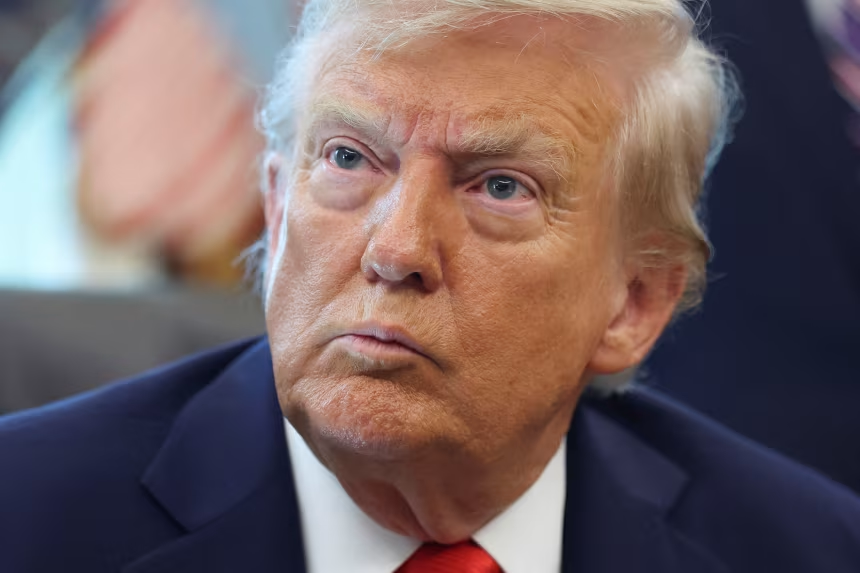
Trump’s tortured history of legally targeting his foes
Entities mentioned:
- Donald Trump: Revenge, Power, Control
- John Bolton: Loyalty, Professional pride, Self-preservation
- Chris Christie: Ambition, Competitive spirit, Self-preservation
- Greg Gutfeld: Loyalty, Righteousness, Indignation
- Kilmar Abrego Garcia: Self-preservation, Freedom, Justice
- Joe Biden: Self-preservation, Legacy, Duty
- Hunter Biden: Self-preservation, Recognition, Ambition
- John Durham: Professional pride, Duty, Justice
- William Barr: Loyalty, Power, Influence
Article Assessment:
Credibility Score: 75/100
Bias Rating: 40/100 (Lean Left)
Sentiment Score: 35/100
Authoritarianism Risk: 65/100 (Authoritarian Tendencies)
Bias Analysis:
The article leans slightly left, evidenced by its critical tone towards Trump and more sympathetic portrayal of his opponents. However, it does provide factual information and context, balancing its perspective somewhat.
Key metric: Rule of Law Index
As a social scientist, I analyze that this article highlights a concerning trend of potential weaponization of the justice system for political purposes. The contrast between the success rates of prosecutions against Trump and his allies versus Trump's allegations against his opponents suggests a pattern of using legal threats as a political tool without substantial evidence. This behavior risks eroding public trust in the justice system and could negatively impact the Rule of Law Index, which measures the extent to which a country adheres to the rule of law in practice. The article suggests that Trump's administration may be using investigations to intimidate critics rather than pursue legitimate justice, which could lead to a decline in the perception of government accountability and fair application of the law.

Trump signs executive order establishing ‘specialized’ National Guard units to address crime in cities
Entities mentioned:
- Donald Trump: Power, Control, Legacy
- Pete Hegseth: Duty, Loyalty, Professional pride
- National Guard: Duty, Security, Control
- Rachel VanLandingham: Professional pride, Wariness, Justice
- Tammy Duckworth: Moral outrage, Justice, Duty
Article Assessment:
Credibility Score: 70/100
Bias Rating: 55/100 (Center)
Sentiment Score: 35/100
Authoritarianism Risk: 65/100 (Authoritarian Tendencies)
Bias Analysis:
The article presents multiple viewpoints, including critical perspectives, which contributes to a relatively balanced presentation. However, there's a slight lean towards emphasizing concerns and potential negatives of the executive order.
Key metric: Domestic Security and Civil Liberties Balance
As a social scientist, I analyze that this executive order represents a significant shift in the use of military forces for domestic law enforcement. The creation of 'specialized units' within the National Guard specifically for handling public order issues raises concerns about the militarization of civilian policing and potential infringement on civil liberties. The order's vague language and unclear implementation details leave room for potential misuse of these units, especially in politically motivated deployments. This move could impact the delicate balance between maintaining public safety and preserving individual freedoms, potentially leading to increased tension between federal and state authorities, as well as between the government and civilians. The focus on urban areas, particularly those led by Democrats, suggests a politicization of law enforcement efforts, which could further exacerbate political divisions and undermine public trust in both law enforcement and government institutions.

FEMA workers warn agency at risk of Hurricane Katrina-type failures
Entities mentioned:
- FEMA employees: Professional pride, Duty, Moral outrage
- Donald Trump: Control, Power, Ambition
- Kristi Noem: Control, Power, Loyalty
- David Richardson: Duty, Ambition, Loyalty
- Congress: Duty, Obligation, Oversight
Article Assessment:
Credibility Score: 75/100
Bias Rating: 40/100 (Lean Left)
Sentiment Score: 25/100
Authoritarianism Risk: 65/100 (Authoritarian Tendencies)
Bias Analysis:
The article leans slightly left, presenting a critical view of the Trump administration's policies. While it includes specific examples and cites concerns from FEMA employees, it doesn't present a balanced perspective from administration officials.
Key metric: Disaster Preparedness and Response Capability
As a social scientist, I analyze that this article highlights a significant regression in the United States' disaster preparedness and response capabilities. The dismantling of FEMA's authority, budget cuts, and appointment of inexperienced leadership suggest a potential return to pre-Katrina levels of inefficiency. This situation poses grave risks to public safety and national resilience in the face of natural disasters. The mass exodus of experienced staff and the imposition of bureaucratic obstacles further compound these risks. The proposed changes, if implemented, could lead to severe consequences during future disasters, potentially resulting in increased loss of life and property damage.
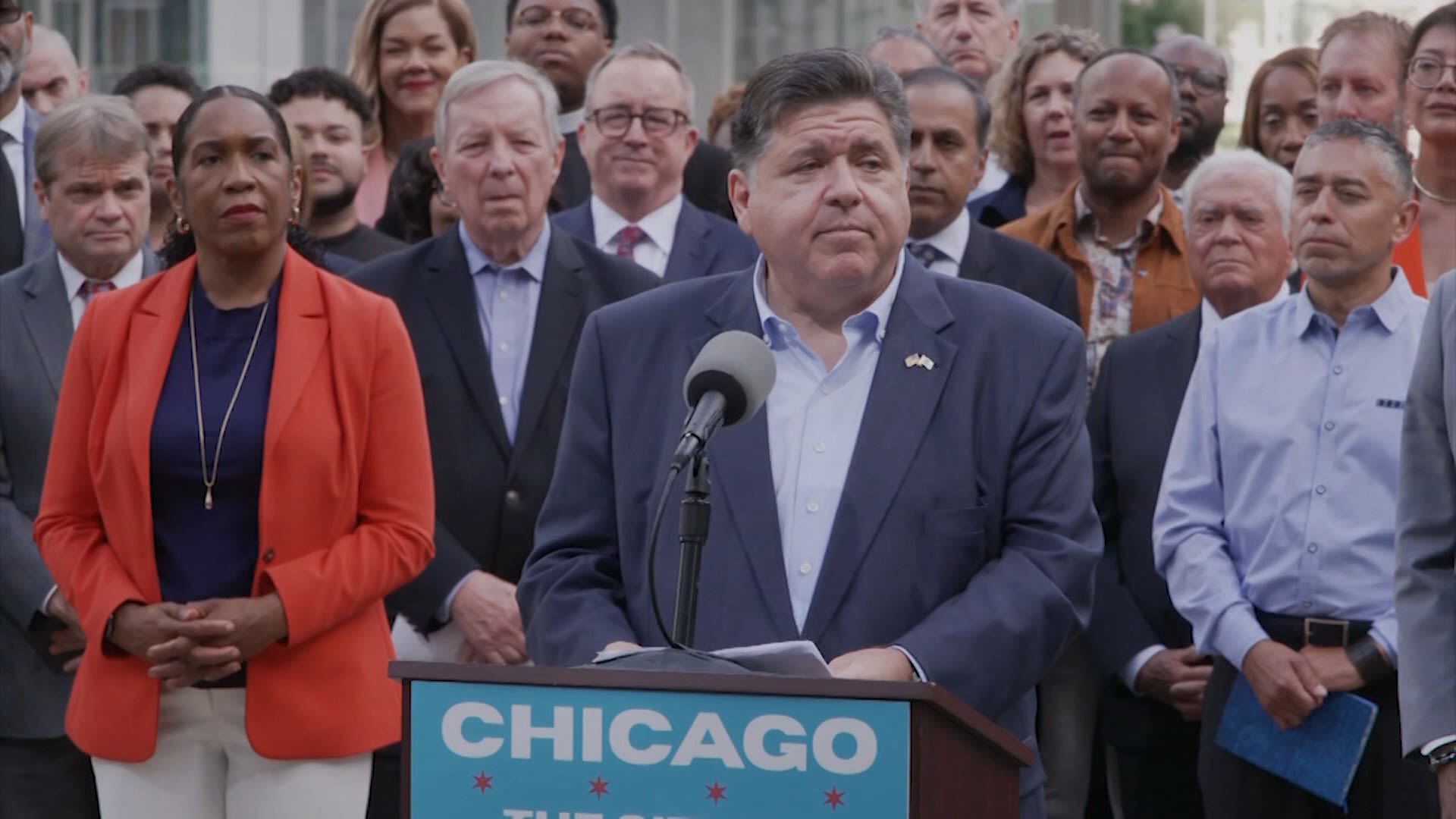
Pritzker tells Trump to stay out of Chicago: ‘You are neither wanted here nor needed here’
Entities mentioned:
- JB Pritzker: Righteousness, Moral outrage, Duty
- Donald Trump: Power, Control, Influence
- Brandon Johnson: Unity, Duty, Security
- Pete Hegseth: Duty, Loyalty, Control
Article Assessment:
Credibility Score: 75/100
Bias Rating: 40/100 (Lean Left)
Sentiment Score: 25/100
Authoritarianism Risk: 65/100 (Authoritarian Tendencies)
Bias Analysis:
The article leans slightly left, giving more prominence to Governor Pritzker's perspective and criticisms of the Trump administration. While it includes some information on the administration's plans, it primarily frames the issue through the lens of opposition to federal intervention.
Key metric: Civil Liberties and Rule of Law
As a social scientist, I analyze that this article highlights a significant conflict between state and federal authorities over the use of federal forces in American cities. The dispute centers on the balance of power between different levels of government and raises concerns about potential threats to civil liberties and democratic norms. Governor Pritzker's strong opposition to federal intervention without local consent reflects deep concerns about the erosion of local autonomy and the potential for federal overreach. This conflict has implications for the separation of powers, federalism, and the role of military forces in domestic affairs, all of which are crucial elements of the American democratic system.