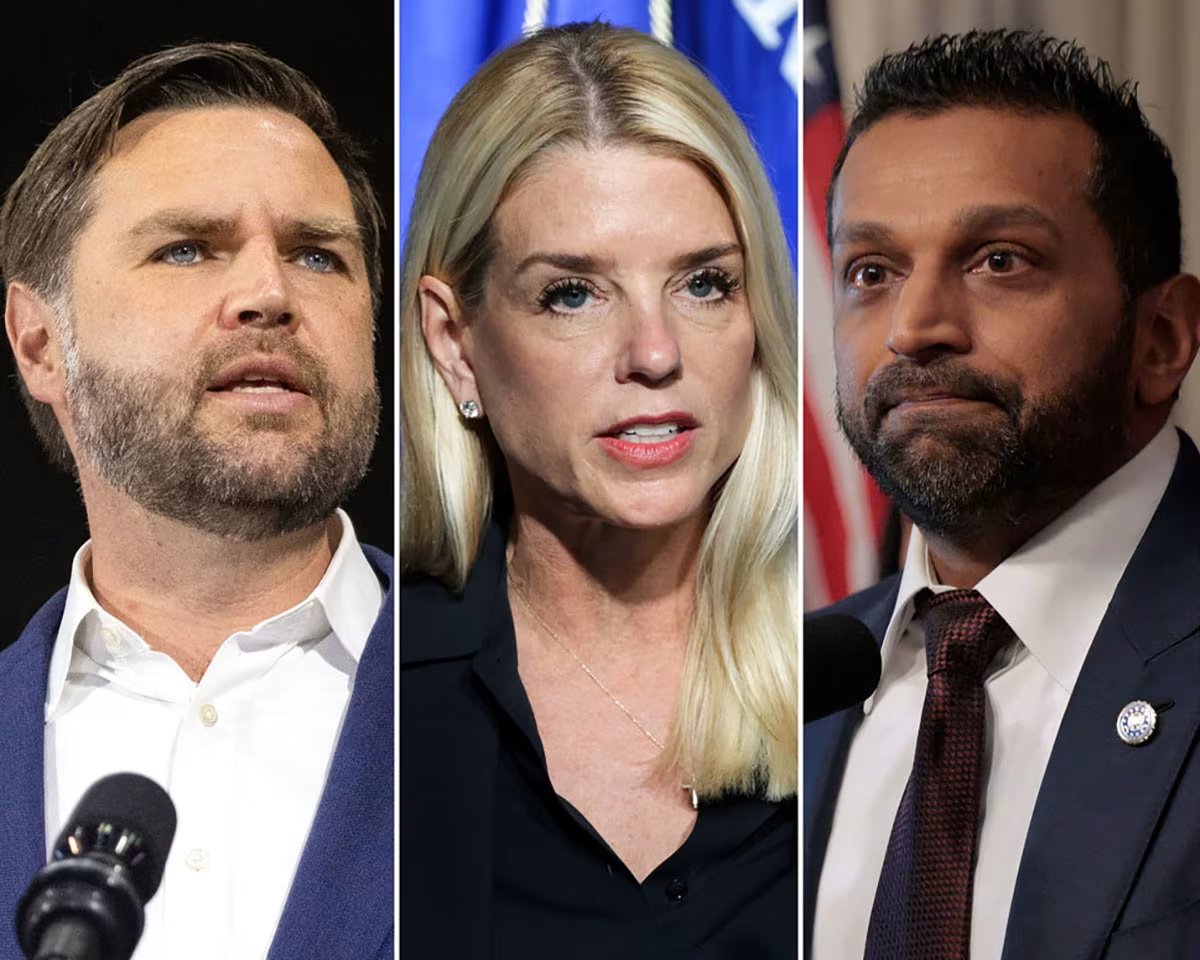
Top Trump officials discussed Epstein at White House meeting Wednesday night
Entities mentioned:
- Attorney General Pam Bondi: Justice, Professional pride, Power
- FBI Director Kash Patel: Duty, Control, Security
- Vice President JD Vance: Unity, Influence, Obligation
- White House chief of staff Susie Wiles: Control, Loyalty, Unity
- Deputy Attorney General Todd Blanche: Justice, Duty, Professional pride
- Deputy FBI Director Dan Bongino: Security, Control, Professional pride
- Jeffrey Epstein: Power, Greed, Control
- Ghislaine Maxwell: Self-preservation, Loyalty, Fear
Article Assessment:
Credibility Score: 65/100
Bias Rating: 50/100 (Center)
Sentiment Score: 35/100
Authoritarianism Risk: 55/100 (Mixed/Neutral)
Bias Analysis:
The article presents a balanced view of the situation, citing unnamed sources and reporting denied claims. It refrains from overtly partisan language or framing, maintaining a neutral stance in its reporting of the events and conflicts.
Key metric: Government Transparency and Accountability
As a social scientist, I analyze that this article reveals internal tensions and strategic disagreements within the Trump administration regarding the handling of the high-profile Epstein case. The last-minute change of meeting location to the White House suggests a desire for increased control over information and optics. The potential publication of the Maxwell conversation transcript indicates a struggle between transparency and strategic information management. The conflicts between top officials, particularly Bondi and Patel, highlight the challenges in coordinating a unified response to a sensitive and politically charged issue. This situation underscores the complexities of balancing justice, political considerations, and public perception in high-level government operations.
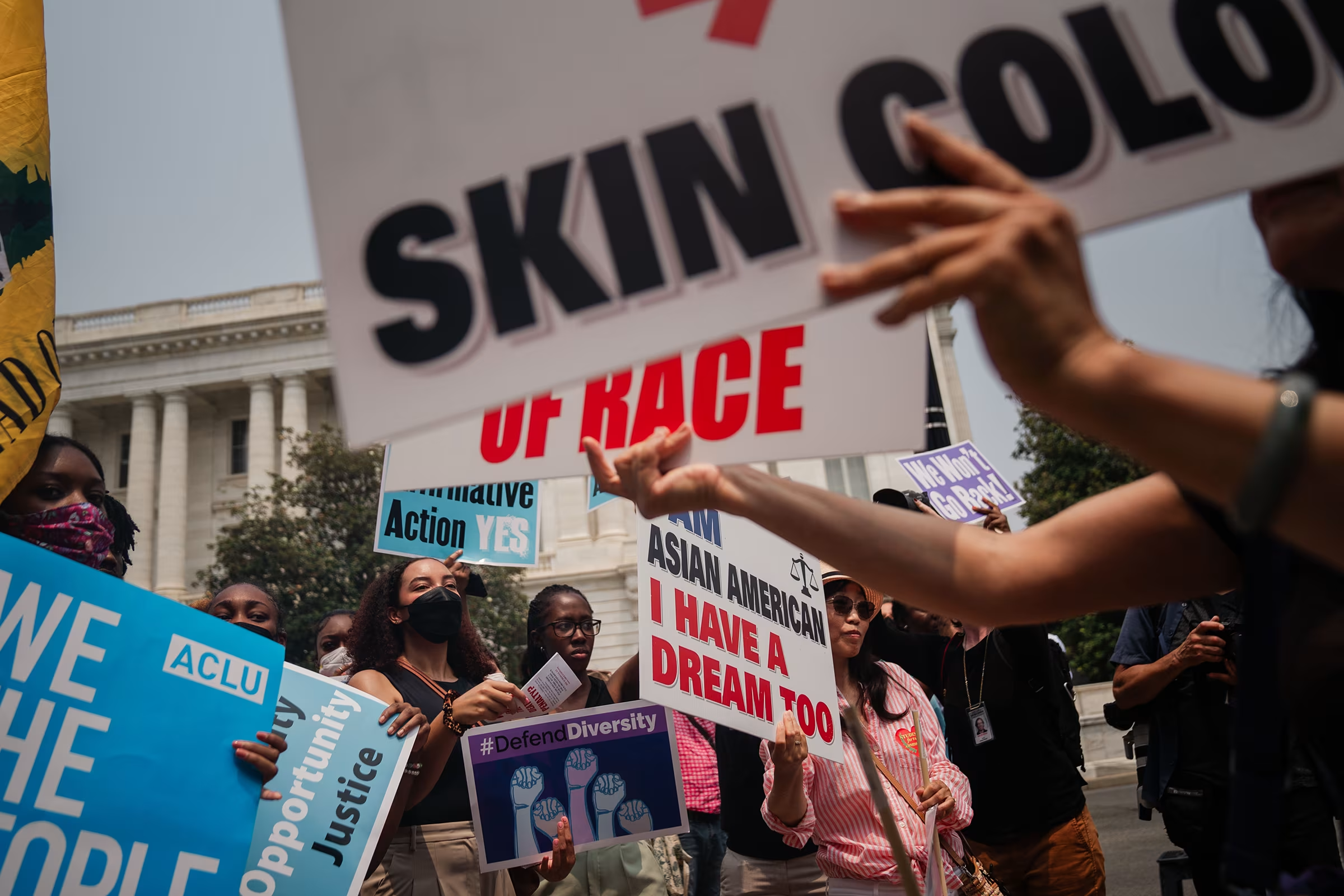
Trump takes executive action to target race-based university admissions
Entities mentioned:
- Donald Trump: Power, Control, Influence
- Linda McMahon: Duty, Loyalty, Professional pride
- Department of Education: Control, Transparency, Duty
- Supreme Court: Justice, Influence, Legacy
- Universities: Autonomy, Professional pride, Obligation
Article Assessment:
Credibility Score: 75/100
Bias Rating: 55/100 (Center)
Sentiment Score: 45/100
Authoritarianism Risk: 65/100 (Authoritarian Tendencies)
Bias Analysis:
The article presents a relatively balanced view, including both the administration's perspective and context from recent court decisions. However, there's a slight lean towards the administration's framing of the issue, with limited space given to opposing viewpoints or potential criticisms of the policy.
Key metric: Higher Education Equity and Access
As a social scientist, I analyze that this executive action represents a significant shift in higher education policy, potentially impacting diversity and access in American universities. The move to expand data collection on race-based admissions follows the Supreme Court's decision to restrict race-conscious admissions practices. This action may lead to increased scrutiny of university admissions processes and could potentially influence future policy decisions regarding affirmative action and diversity initiatives in higher education. The emphasis on 'meritocracy and excellence' in McMahon's statement suggests a shift away from considering racial diversity as a factor in admissions, which could have far-reaching consequences for minority representation in higher education institutions.
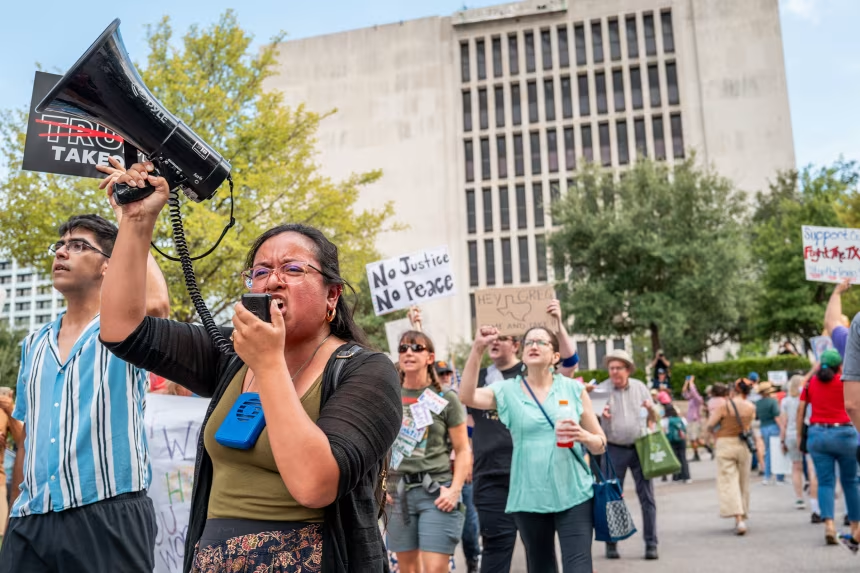
What to expect next in Texas’ redistricting standoff and whether Democrats can be expelled
Entities mentioned:
- Texas Republicans: Power, Control, Loyalty
- Texas Democrats: Justice, Righteousness, Determination
- Gov. Greg Abbott: Power, Control, Ambition
- President Donald Trump: Power, Influence, Competitive spirit
- Vice President JD Vance: Ambition, Loyalty, Influence
- Dustin Burrows: Duty, Control, Loyalty
- Ken Paxton: Loyalty, Power, Ambition
- Gene Wu: Righteousness, Duty, Justice
- Brian Harrison: Ambition, Competitive spirit, Loyalty
- Ramón Romero: Justice, Righteousness, Determination
- Lulu Flores: Determination, Justice, Duty
- Richard Peña Raymond: Unity, Duty, Pragmatism
- Chad Dunn: Justice, Professional pride, Righteousness
- Quinn Yeargain: Professional pride, Curiosity, Justice
Article Assessment:
Credibility Score: 75/100
Bias Rating: 45/100 (Center)
Sentiment Score: 35/100
Authoritarianism Risk: 60/100 (Mixed/Neutral)
Bias Analysis:
The article presents both Republican and Democratic perspectives, quoting multiple sources from each side. While it leans slightly towards the Democratic viewpoint by giving more space to their justifications, it still maintains a relatively balanced approach.
Key metric: Electoral Integrity
As a social scientist, I analyze that this redistricting standoff in Texas highlights the intense political polarization and the struggle for power between Republicans and Democrats. The GOP's efforts to redraw districts in their favor and the Democrats' attempts to block this process by leaving the state demonstrate the high stakes of redistricting in shaping future electoral outcomes. This conflict raises significant concerns about the fairness of the electoral process and the potential for gerrymandering to undermine democratic representation. The legal threats and potential removal of elected officials further escalate the situation, potentially setting dangerous precedents for political retaliation. This redistricting battle in Texas could have far-reaching implications for electoral integrity across the United States, as other states watch and potentially follow suit in their own redistricting processes.
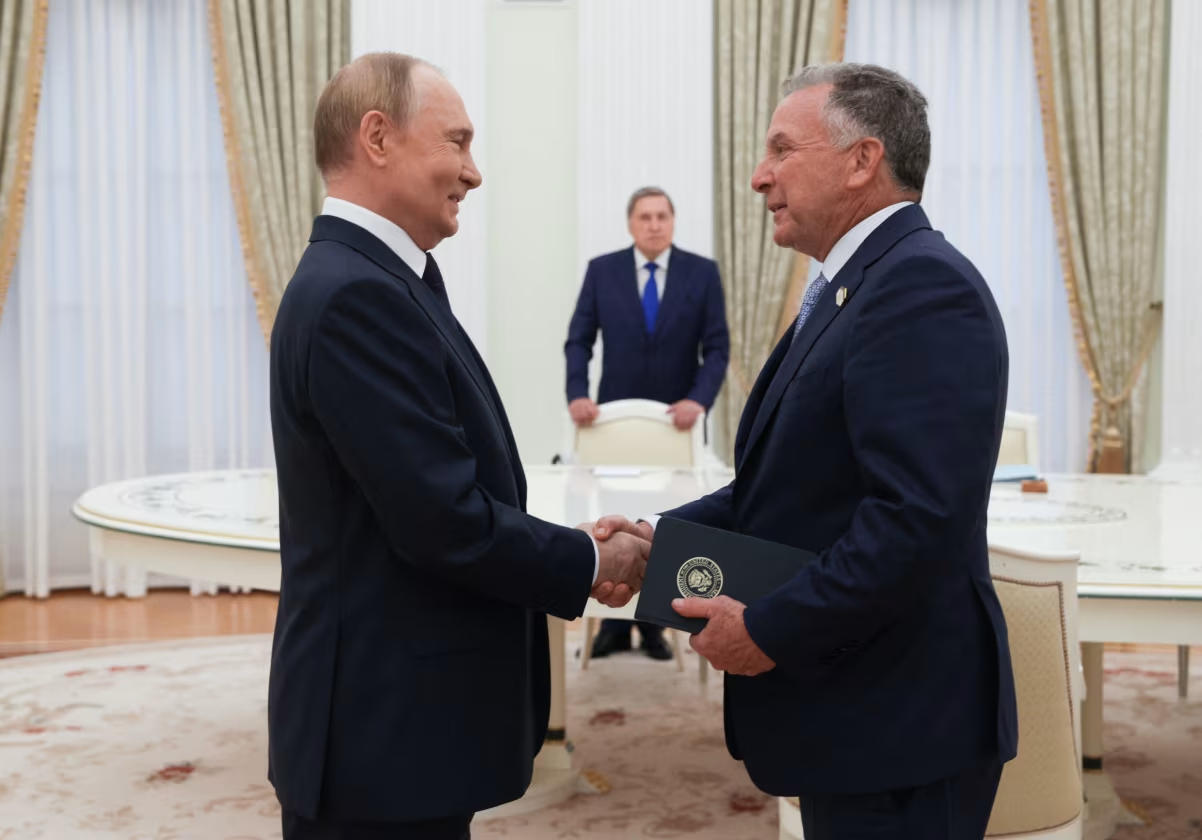
Witkoff meets with Putin as Trump’s sanctions threat looms
Entities mentioned:
- Donald Trump: Power, Control, Determination
- Steve Witkoff: Duty, Influence, Ambition
- Vladimir Putin: Power, Control, Self-preservation
- Volodymyr Zelensky: Self-preservation, Determination, Unity
- Kirill Dmitriev: Duty, Loyalty, Influence
- Dmitry Medvedev: Loyalty, Influence, Power
- Marco Rubio: Professional pride, Influence, Duty
- Scott Bessent: Duty, Influence, Professional pride
- Xi Jinping: Power, Influence, Unity
- Keith Kellogg: Duty, Influence, Professional pride
Article Assessment:
Credibility Score: 75/100
Bias Rating: 45/100 (Center)
Sentiment Score: 35/100
Authoritarianism Risk: 25/100 (Generally Democratic)
Bias Analysis:
The article presents multiple perspectives and cites various sources, including state media and unnamed officials. While it leans slightly towards a US-centric view, it attempts to provide balanced coverage of the complex situation.
Key metric: International Relations Score
As a social scientist, I analyze that this article highlights the complex dynamics of international relations, particularly between the US and Russia. The potential for new sanctions against Russia and the diplomatic efforts to avoid them demonstrate the delicate balance of power and negotiation in global politics. Trump's approach, combining threats of sanctions with diplomatic outreach, reflects a strategy of creating leverage. The involvement of other countries like China and India in Russian energy purchases adds layers of complexity to the situation. This diplomatic dance has significant implications for global stability, economic relations, and the ongoing conflict in Ukraine.

Trump threatens India with 50% tariff as negotiations fizzle and Modi keeps importing Russian oil
Entities mentioned:
- Donald Trump: Power, Control, Influence
- India: Self-preservation, Security, Independence
- Russia: Power, Influence, Self-preservation
- Steve Witkoff: Duty, Influence, Loyalty
- Vladimir Putin: Power, Control, Influence
- Joe Biden: Duty, Influence, Legacy
- Apple: Profit, Competitive spirit, Adaptation
Article Assessment:
Credibility Score: 75/100
Bias Rating: 55/100 (Center)
Sentiment Score: 30/100
Authoritarianism Risk: 65/100 (Authoritarian Tendencies)
Bias Analysis:
The article presents multiple perspectives, including Trump's stance, India's response, and contextual information about US-India trade. While it leans slightly towards criticizing Trump's approach, it maintains a relatively balanced tone by providing factual trade data and historical context.
Key metric: US-India Trade Balance
As a social scientist, I analyze that this article highlights a significant escalation in US-India trade relations, with potential far-reaching consequences for global trade dynamics and geopolitical alignments. The imposition of substantial tariffs by the US on Indian goods, particularly in response to India's continued purchase of Russian oil, signals a shift in US foreign policy that intertwines trade policy with geopolitical objectives. This move could potentially disrupt the growing US-India economic partnership, push India closer to alternative trade partners like Russia and China, and have ripple effects on global supply chains. The article also underscores the complexities of balancing economic interests with geopolitical considerations in an increasingly multipolar world. The potential for retaliatory measures from India further complicates the situation, possibly leading to a trade war that could negatively impact both economies and global trade at large.

Trump administration to reinstall two Confederate statues
Entities mentioned:
- Trump administration: Control, Legacy, Pride
- Donald Trump: Power, Legacy, Influence
- US National Park Service: Duty, Obligation, Professional pride
- Pete Hegseth: Loyalty, Righteousness, Influence
- Glenn Youngkin: Pride, Legacy, Influence
- Biden administration: Justice, Unity, Righteousness
- Eleanor Holmes Norton: Justice, Moral outrage, Determination
Article Assessment:
Credibility Score: 75/100
Bias Rating: 55/100 (Center)
Sentiment Score: 35/100
Authoritarianism Risk: 65/100 (Authoritarian Tendencies)
Bias Analysis:
The article presents multiple viewpoints, including those supporting and opposing the reinstatement of Confederate monuments. However, there's a slight lean towards critical perspectives of the action, particularly in the detailed explanation of the monuments' controversial aspects.
Key metric: Social Cohesion
As a social scientist, I analyze that this article highlights a significant regression in social progress and national unity. The reinstatement of Confederate monuments, particularly in the aftermath of widespread protests against racial injustice, signals a deliberate attempt to reassert narratives that many view as supportive of systemic racism. This action is likely to exacerbate existing social tensions, potentially leading to decreased trust in government institutions and increased polarization among different demographic groups. The justification of these actions through executive orders and reinterpretations of historical narratives suggests a concerning trend towards using governmental power to shape public memory and national identity in ways that may marginalize certain communities. This could have long-term implications for social cohesion, civic engagement, and the collective understanding of American history.
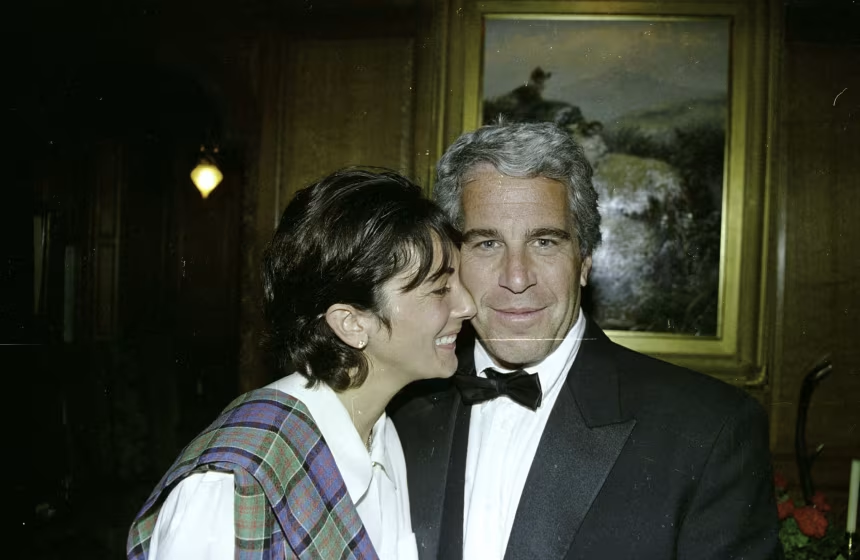
An Epstein cover-up? Victims and allies suggest it’s happening now, under Trump
Entities mentioned:
- Donald Trump: Self-preservation, Power, Control
- Jeffrey Epstein: Power, Control, Greed
- Ghislaine Maxwell: Self-preservation, Loyalty, Power
- Virginia Giuffre: Justice, Recognition, Moral outrage
- Trump Administration: Self-preservation, Control, Power
- Epstein Victims: Justice, Moral outrage, Recognition
Article Assessment:
Credibility Score: 65/100
Bias Rating: 35/100 (Lean Left)
Sentiment Score: 25/100
Authoritarianism Risk: 45/100 (Mixed/Neutral)
Bias Analysis:
The article leans left, focusing on criticisms of the Trump administration and giving voice to Epstein's victims. While it presents factual information, the framing and emphasis on potential cover-ups by the Trump administration suggest a left-leaning perspective.
Key metric: Public Trust in Government
As a social scientist, I analyze that this article significantly impacts public trust in government. The allegations of a potential cover-up by the Trump administration regarding the Epstein case erode confidence in governmental transparency and justice. The victims' accusations of favorable treatment for Maxwell and lack of disclosure fuel suspicions of high-level corruption. This narrative challenges the administration's self-portrayal as anti-establishment and committed to exposing wrongdoing. The widespread belief among Americans that the government is hiding information about Epstein's clients further undermines trust. This situation highlights the tension between political self-preservation and the public's demand for transparency, potentially deepening existing divides in public opinion about governmental integrity.

GOP Rep. Cory Mills accused by ex-girlfriend of threatening to release sexually explicit images, videos of her
Entities mentioned:
- Cory Mills: Power, Control, Revenge
- Lindsey Langston: Justice, Self-preservation, Security
- Columbia County Sheriff's Office: Duty, Justice, Professional pride
- Florida Department of Law Enforcement: Duty, Justice, Professional pride
- Julie Singleton: Loyalty, Professional pride, Duty
- Anthony Sabatini: Justice, Professional pride, Duty
Article Assessment:
Credibility Score: 65/100
Bias Rating: 45/100 (Center)
Sentiment Score: 25/100
Authoritarianism Risk: 20/100 (Strongly Democratic)
Bias Analysis:
The article presents a balanced account, including statements from both the accuser and the accused. It relies on official sources like police reports and includes direct quotes, maintaining a neutral tone throughout.
Key metric: Political Trust and Institutional Integrity
As a social scientist, I analyze that this article raises significant concerns about political trust and institutional integrity within the U.S. government. The allegations against Rep. Cory Mills, if proven true, could erode public confidence in elected officials and the Republican Party. The involvement of law enforcement agencies indicates the seriousness of the claims, potentially impacting perceptions of accountability in politics. The alleged behavior, involving threats of releasing explicit content, also highlights issues of power abuse and gender-based harassment in political spheres. This case may contribute to broader discussions about ethics in politics, the #MeToo movement's ongoing relevance, and the need for stricter regulations regarding digital privacy and revenge porn. The impact on political trust could extend beyond this individual case, potentially affecting voter turnout, party affiliations, and overall faith in democratic institutions.
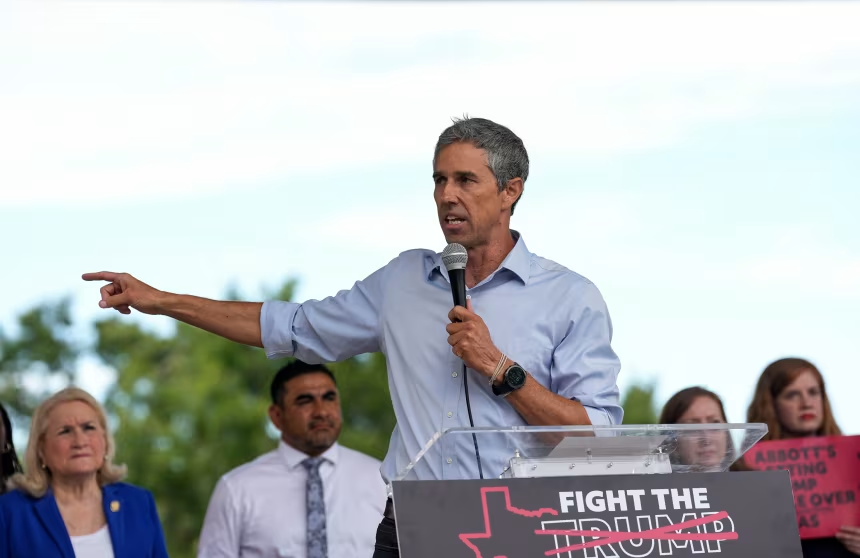
Beto O’Rourke raises funds for Texas Democrats, says 2026 midterms will be decided this summer
Entities mentioned:
- Beto O'Rourke: Ambition, Righteousness, Justice
- Texas Democrats: Justice, Determination, Self-preservation
- Texas Republicans: Power, Control, Ambition
- Greg Abbott: Control, Power, Competitive spirit
- Ken Paxton: Ambition, Power, Competitive spirit
- Alexandria Ocasio-Cortez: Justice, Influence, Loyalty
Article Assessment:
Credibility Score: 70/100
Bias Rating: 35/100 (Lean Left)
Sentiment Score: 30/100
Authoritarianism Risk: 45/100 (Mixed/Neutral)
Bias Analysis:
The article leans left in its framing, giving more space to Democratic perspectives and motivations. While it includes Republican viewpoints, these are often presented in a more critical light.
Key metric: Electoral Integrity
As a social scientist, I analyze that this article highlights a significant political conflict in Texas over redistricting, which has broader implications for national electoral politics. The actions of Texas Democrats leaving the state to prevent a quorum, and the subsequent fundraising efforts led by Beto O'Rourke, represent a high-stakes battle over electoral map-drawing that could impact future Congressional representation. The aggressive response from Republican leadership, including threats of arrest and disqualification, escalates the conflict and raises concerns about the use of state power in partisan struggles. O'Rourke's framing of the issue as a fight against 'authoritarian power' and the potential impact on future elections, including a hypothetical third Trump term, elevates the perceived importance of this local conflict to a national level. This situation reflects broader trends in American politics, including increasing polarization, the use of procedural tactics in legislative battles, and concerns about the fairness of electoral processes.
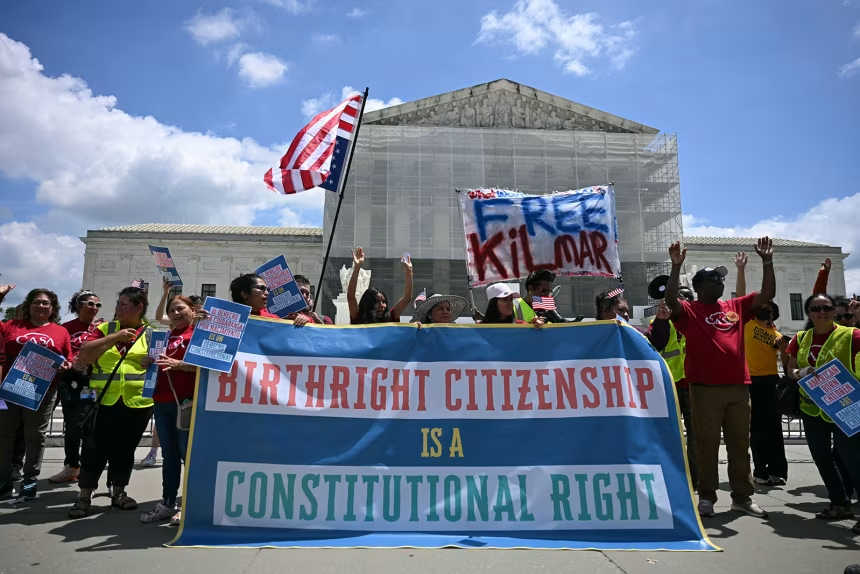
DOJ tells judge it will ask Supreme Court to quickly rule on constitutionality of Trump’s birthright citizenship order
Entities mentioned:
- Trump administration: Control, Power, Influence
- Donald Trump: Legacy, Control, Influence
- Justice Department: Duty, Professional pride, Control
- Supreme Court: Justice, Duty, Righteousness
- 9th US Circuit Court of Appeals: Justice, Duty, Professional pride
- Pam Bondi: Loyalty, Confidence, Professional pride
Article Assessment:
Credibility Score: 75/100
Bias Rating: 45/100 (Center)
Sentiment Score: 45/100
Authoritarianism Risk: 55/100 (Mixed/Neutral)
Bias Analysis:
The article presents a balanced view of the legal proceedings, quoting both administration officials and court rulings. While it doesn't overtly favor either side, it does give slightly more space to the challenges against the executive order.
Key metric: Constitutional Integrity and Rule of Law
As a social scientist, I analyze that this article highlights a significant constitutional challenge to birthright citizenship, a fundamental aspect of US immigration law. The Trump administration's pursuit of this case to the Supreme Court indicates a potential shift in long-standing interpretations of the 14th Amendment. This legal battle reflects broader tensions in American society regarding immigration, national identity, and the scope of executive power. The multiple court rulings against the executive order suggest a robust system of checks and balances, but also underscore the polarization of the judiciary on contentious issues. The outcome of this case could have far-reaching implications for US citizenship law, potentially affecting millions of individuals and reshaping demographic trends in the long term.